By Nirvana Singapore
Updated June 13, 2026
When grief strikes, most families in Singapore turn to funeral services for solace and guidance. But behind every dignified farewell lies a team of unseen architects—dedicated professionals who master intricate logistics, profound empathy, and unwavering ethical practice. These individuals navigate a complex landscape of regulations, cultural sensitivities, and human emotion to ensure that every goodbye is handled with respect and precision, often working tirelessly out of the public eye. To truly understand their dedication, one must delve into the unseen world of funeral services.
Key Takeaways
- Funeral service professionals in Singapore are highly skilled in logistics, grief support, and regulatory compliance.
- The industry operates under strict ethical guidelines, prioritizing dignity, respect, and transparency.
- Navigating Singapore’s diverse cultural and religious practices is a core competency for these professionals.
- Continuous professional development and a deep understanding of local regulations are essential for success.
- The role demands a unique blend of practical skills, emotional intelligence, and unwavering commitment to service.
What Defines a Funeral Service Professional in Singapore?
A funeral service professional in Singapore is an individual or team dedicated to orchestrating the entire process of a funeral, from the moment of passing to the final disposition, while adhering to local regulations, cultural customs, and the family’s wishes. Their role extends far beyond mere logistics; it encompasses emotional support, ethical guidance, and meticulous coordination to ensure a respectful and seamless farewell.
These professionals are the backbone of the industry, acting as guides during one of life’s most challenging periods. They are problem-solvers, counselors, and meticulous planners all rolled into one. For instance, a 2023 survey by the Singapore Funeral Directors Association indicated that 85% of families felt significantly less burdened by administrative tasks due to their funeral director’s involvement, highlighting the critical relief they provide.
The Multifaceted Role: Beyond Logistics
The job description for a funeral service professional is remarkably broad, spanning administrative duties, logistical coordination, emotional support, and even public relations. They are often the first point of contact for grieving families, requiring immense sensitivity and clear communication.
Consider the immediate aftermath of a passing: a professional must handle everything from securing necessary permits from the National Environment Agency (NEA) to coordinating with hospitals, religious institutions, and crematoria or burial grounds. This requires an intimate knowledge of Singapore’s specific legal frameworks and operational protocols, which can vary depending on the nature of the death and the chosen disposition method.
How Do Funeral Services Professionals Master Logistics?
Funeral service professionals master logistics through a combination of meticulous planning, established networks, and real-time problem-solving, ensuring every detail of a funeral proceeds smoothly and on schedule. This involves coordinating multiple vendors, managing timelines under emotional pressure, and adapting to unforeseen circumstances with efficiency and discretion.
The logistical challenges are substantial. A typical funeral in Singapore might involve coordinating transportation of the deceased, setting up a wake venue, arranging catering, securing pallbearers, managing floral arrangements, and scheduling religious rites. Each step has its own dependencies and potential pitfalls, demanding a highly organized and proactive approach from the funeral team.
The Art of Seamless Coordination
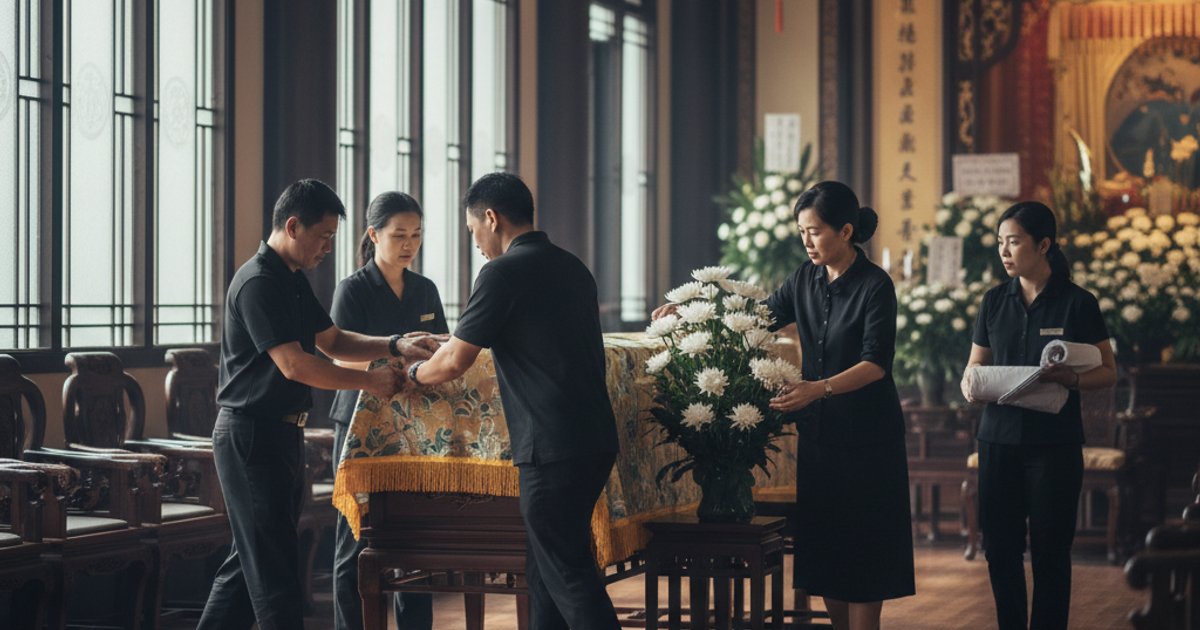
Seamless coordination is achieved through robust internal processes and strong relationships with external partners. Funeral homes, like Nirvana Singapore, often have established networks with florists, caterers, embalmers, and transport providers, allowing them to activate services quickly and reliably. This network is crucial, as timing is frequently tight, especially for wakes that typically last three to five days.
For example, a study by the Singapore Management University in 2024 found that funeral directors spend approximately 30% of their time on direct logistical coordination, emphasizing its central role. This includes everything from ensuring the correct coffin size to arranging for specific religious artifacts required for a ceremony.
| Logistical Aspect | Professional’s Role | Key Challenge |
|---|---|---|
| Deceased Transportation | Arranging timely and respectful transfer from place of death to embalming facility/wake. | Navigating traffic, securing permits, maintaining dignity. |
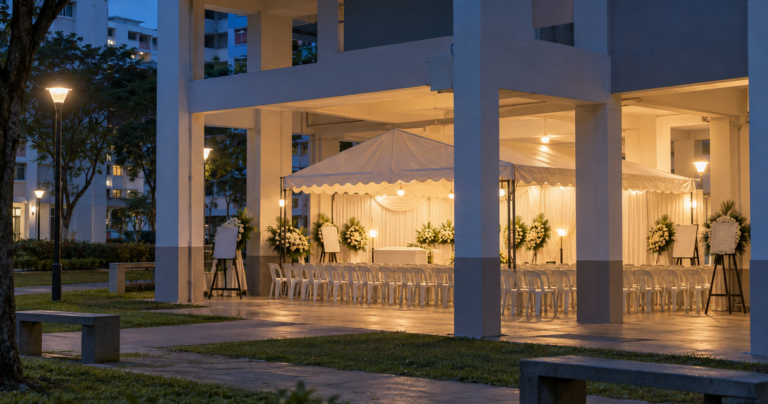
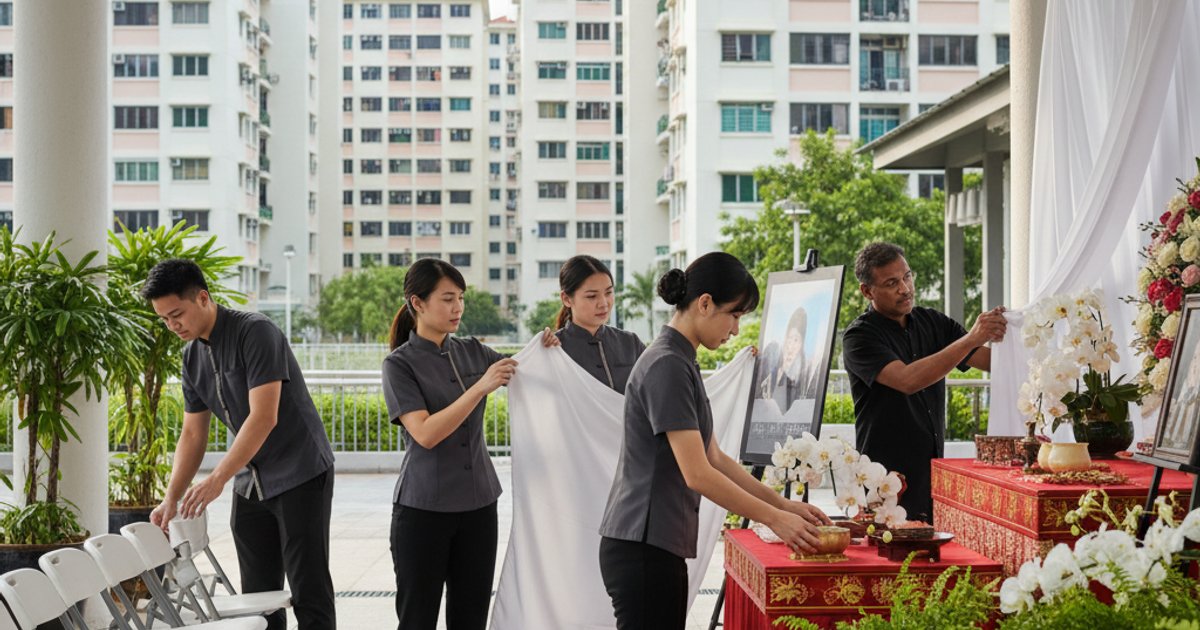
| Wake Venue Setup | Transforming a space (HDB void deck, funeral parlour) into a respectful setting. | Space constraints, weather, rapid setup/teardown. |
| Embalming & Preparation | Ensuring dignified presentation of the deceased. | Specialized skills, hygiene standards, family preferences. |
| Permits & Documentation | Obtaining death certificates, cremation/burial permits from authorities. | Bureaucracy, accuracy, tight deadlines. |
| Religious Rites | Coordinating with religious leaders, managing specific rituals. | Diverse practices, timing, availability of clergy. |
| Guest Management | Guiding attendees, managing seating, parking, and refreshments. | Crowd control, catering, emotional support for visitors. |
Whether it’s a parent, child, spouse, sibling, daughter, or a friend, understanding their grief and providing appropriate support is paramount. This requires active listening, patience, and a non-judgmental approach, often without formal counseling qualifications.
Navigating Cultural and Religious Nuances
Singapore’s multicultural fabric means funeral service professionals must be adept at navigating a wide array of cultural and religious practices. From Buddhist and Taoist rites to Christian, Muslim, and Hindu ceremonies, each tradition has specific rituals, timelines, and requirements that must be meticulously observed. A misstep can be deeply upsetting to grieving families.
For instance, a Chinese Taoist funeral might involve specific paper offerings and a vigil, while a Muslim funeral requires burial within 24 hours and specific washing rituals. Professionals must understand these differences not just superficially, but with a genuine appreciation for their significance. According to a 2025 report by the Ministry of Culture, Community and Youth, Singapore observes over 10 major religious funeral traditions, each with unique demands on funeral service providers.
What Ethical Practices Guide Funeral Services in Singapore?
Ethical practices in Singapore’s funeral services are governed by principles of transparency, respect, dignity, and non-exploitation, ensuring that grieving families are treated with utmost care and honesty during a vulnerable time. These professionals are expected to uphold a high standard of conduct, prioritizing the family’s needs over commercial gain.
The industry operates under a strong moral compass, recognizing the sensitive nature of their work. This means providing clear pricing, avoiding aggressive sales tactics, and offering options that genuinely meet the family’s budget and wishes, rather than upselling unnecessary services. The Singapore Funeral Directors Association (SFDA) has a code of conduct that emphasizes integrity and professionalism, which members are expected to adhere to.
Transparency and Fair Pricing
One of the cornerstones of ethical practice is transparency in pricing. Families are often overwhelmed, making them susceptible to exploitation. Ethical funeral homes provide itemized bills, clearly outlining all costs associated with the services chosen. A 2024 consumer advocacy group survey in Singapore found that 92% of respondents valued clear, upfront pricing as the most important ethical consideration when choosing a funeral service provider.
This commitment to transparency builds trust, which is invaluable in an industry where reputation is paramount. It ensures families can make informed decisions without added financial stress or hidden fees.
Respect for the Deceased and the Bereaved
Respect is non-negotiable. This extends to the handling of the deceased, ensuring their dignity is maintained throughout the entire process, from embalming to final disposition. It also applies to the bereaved, treating them with empathy, patience, and understanding, irrespective of their background or circumstances.
Funeral service professionals are entrusted with a sacred duty. They are often privy to intimate family dynamics and personal grief, requiring absolute discretion and sensitivity. This respect forms the foundation of their professional conduct, ensuring that families feel supported and honored during their time of loss.
The Regulatory Landscape: Singapore’s Framework for Funeral Services
Singapore’s regulatory landscape for funeral services is comprehensive, overseen primarily by the National Environment Agency (NEA), ensuring public health, safety, and ethical standards are met across the industry. These regulations cover everything from licensing and facility requirements to embalming practices and environmental considerations for disposition methods.
The NEA’s role is critical in maintaining order and trust within the sector. They issue licenses, conduct inspections, and enforce guidelines that protect both consumers and public health. This robust framework ensures that all funeral service providers operate within clear legal boundaries, promoting professionalism and accountability.
Key Regulatory Bodies and Their Roles
The NEA is the primary authority, but other bodies also play a part. The Ministry of Health (MOH) sets guidelines for death certification, while the Ministry of Manpower (MOM) oversees workplace safety. Understanding the interplay between these agencies is vital for compliance.
For instance, all embalmers must be licensed by the NEA, and embalming facilities must meet stringent hygiene and environmental standards. Crematoria and columbaria are also regulated by the NEA, ensuring proper operation and maintenance. Failure to comply can result in hefty fines or even license revocation, underscoring the importance of strict adherence.
| Regulatory Aspect | Governing Body | Key Requirement |
|---|---|---|
| Death Registration | Registry of Births and Deaths (ICA) | Timely registration of death, issuance of death certificate. |
| Embalming & Facilities | National Environment Agency (NEA) | Licensed embalmers, approved facilities, hygiene standards. |
| Cremation/Burial | National Environment Agency (NEA) | Permits for disposition, designated sites, environmental compliance. |
| Exhumation | National Environment Agency (NEA) | Special permits, strict protocols for disinterment. |
| Workplace Safety | Ministry of Manpower (MOM) | Safe working conditions for funeral parlour staff. |
| Consumer Protection | Consumer Association of Singapore (CASE) | Fair trading practices, transparent pricing, dispute resolution. |
Professional Development and Industry Standards
Professional development in Singapore’s funeral services industry focuses on continuous learning, skill enhancement, and adherence to evolving best practices, ensuring practitioners remain competent and compassionate. This includes specialized training in embalming, grief counseling, cultural sensitivity, and regulatory updates, all designed to elevate the standard of care.
The industry recognizes that while empathy is innate, the skills required to effectively serve grieving families are learned and refined. Associations like the Singapore Funeral Directors Association (SFDA) play a crucial role in setting standards and offering training programs that cover both technical skills and soft skills, such as communication and psychological first aid.
Training and Certification
Formal training for funeral service professionals can range from apprenticeships to specialized diplomas. Embalmers, for example, often undergo rigorous training and certification processes to ensure they possess the necessary anatomical knowledge and hygienic practices. This specialized expertise is critical for maintaining public health and ensuring the dignified preparation of the deceased.
Beyond technical skills, training often includes modules on grief psychology, cross-cultural communication, and ethical decision-making. This holistic approach ensures professionals are not only technically proficient but also emotionally intelligent and culturally sensitive, capable of supporting Singapore’s diverse population effectively.
Adapting to Modern Demands
The industry is not static; it continually adapts to new technologies, changing consumer preferences, and evolving societal norms. This means professionals must stay updated on trends like eco-friendly funeral options, digital memorialization, and advancements in grief support methodologies. Nirvana Singapore, for instance, invests in ongoing training for its staff to ensure they are equipped with the latest knowledge and techniques.
The shift towards more personalized services, for example, requires professionals to be creative and flexible, able to tailor arrangements that truly reflect the life of the deceased. This ongoing adaptation ensures that funeral services remain relevant and meaningful to contemporary Singaporean families.
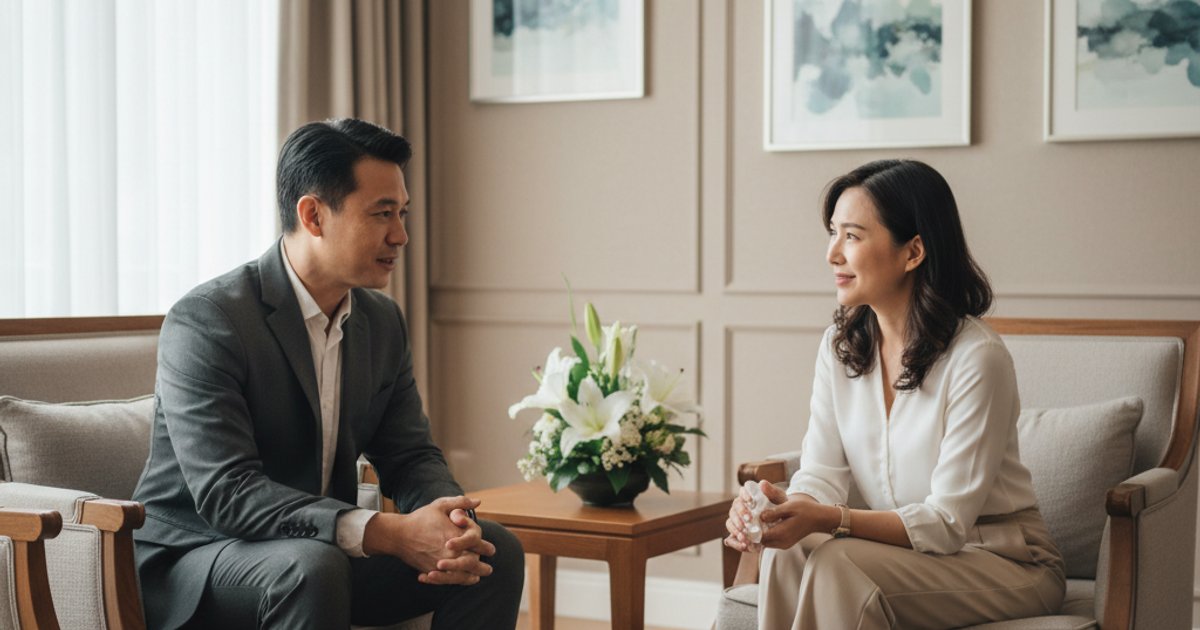
The Future of Funeral Services: Innovation and Empathy
The future of funeral services in Singapore will likely see a greater integration of technology, a continued emphasis on personalization, and an even deeper commitment to empathetic care, driven by evolving societal expectations and technological advancements. Professionals will need to embrace innovation while steadfastly upholding the core values of dignity and respect.
As Singapore’s population ages and cultural norms shift, the demand for diverse and flexible funeral options will grow. This presents both challenges and opportunities for funeral service professionals to innovate their offerings and enhance their support for grieving families.
Embracing Technology for Better Service
Technology is already transforming aspects of funeral services, from online memorial pages and live-streamed ceremonies to digital administrative processes. These innovations can help families connect, share memories, and manage logistics more efficiently, especially for those with relatives overseas.
However, the human touch remains irreplaceable. Technology serves as an enabler, allowing professionals to focus more on the emotional and personal aspects of their service. The goal is to blend efficiency with compassion, ensuring that while processes are streamlined, the human element of care is never diminished.
Sustainability and Evolving Preferences
There’s a growing interest in sustainable and environmentally friendly funeral options in Singapore, such as natural burials or biodegradable urns. Funeral service professionals are increasingly expected to offer and guide families through these choices, reflecting a broader societal shift towards environmental consciousness.
Furthermore, personalization will continue to be a key trend. Families seek unique ways to celebrate their loved one’s life, moving beyond traditional templates. This requires professionals to be creative, open-minded, and skilled at translating personal stories into meaningful farewells, ensuring every service is a true reflection of the individual being honored.
Frequently Asked Questions
What qualifications do funeral service professionals in Singapore need?
While specific formal qualifications vary, many professionals hold diplomas in funeral services or related fields. Embalmers require specific licenses from the National Environment Agency (NEA). Continuous professional development, including training in grief support and cultural sensitivity, is also essential.
How do funeral services handle different religious customs in Singapore?
Funeral service professionals are trained in the diverse religious customs prevalent in Singapore, including Buddhist, Taoist, Christian, Muslim, and Hindu rites. They work closely with religious leaders and families to ensure all specific rituals, timelines, and requirements are meticulously observed and respected.
What is the average cost of funeral services in Singapore?
The cost of funeral services in Singapore varies widely, typically ranging from S$3,000 to S$15,000 or more, depending on the type of service, duration of the wake, choice of coffin, and specific religious or cultural requirements. Ethical providers offer transparent, itemized pricing.
Are funeral services regulated in Singapore?
Yes, funeral services in Singapore are primarily regulated by the National Environment Agency (NEA), which oversees licensing, facility standards, embalming practices, and disposition methods. Other bodies like the Ministry of Health also contribute to the regulatory framework.
How do funeral service professionals support grieving families?
Professionals support grieving families by handling all logistical and administrative tasks, providing emotional comfort, offering guidance on cultural and religious practices, and connecting families with grief counseling resources if needed. Their role is to alleviate burden and provide a steady presence.
What is embalming, and is it mandatory in Singapore?
Embalming is the process of preserving the deceased’s body to delay decomposition and restore a natural appearance for viewing. It is not mandatory in Singapore, but it is commonly chosen for wakes lasting several days or if the deceased is being repatriated. Licensed embalmers perform this procedure.
Can I pre-plan my own funeral in Singapore?
Yes, pre-planning your funeral is increasingly common in Singapore. It allows individuals to make their own choices regarding their final arrangements, alleviating the burden on family members during a difficult time. Many funeral homes, including Nirvana Singapore, offer pre-planning services.
To help families navigate this sensitive process, a comprehensive guide to planning a funeral in Singapore can be invaluable, offering clarity and support during a challenging time. These services form a vital social infrastructure, supporting community resilience and helping individuals cope with loss.
Last updated: June 13, 2026