By Nirvana Singapore
Updated July 24, 2026
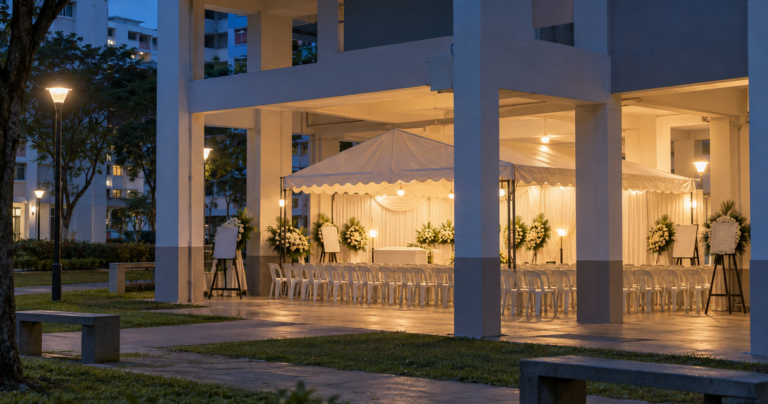
When we talk about end-of-life choices, especially in a place like Singapore, the conversation often quickly turns to cremation. It’s not just an option here; for many, it’s the unspoken default. But what most people don’t realize, or perhaps don’t think about deeply, is that this widespread acceptance isn’t purely a matter of personal preference or cultural shift. It’s a direct, almost inevitable, outcome of Singapore’s relentless pursuit of efficient urban planning and its pragmatic approach to land scarcity.
As someone who has covered urban development and social policy in this city-state for well over a decade, what strikes me is how deeply intertwined our physical environment and our policy decisions are with even the most intimate aspects of life, and death. Cremation in Singapore isn’t just a service; it’s a testament to a nation built on strategic foresight and hard choices. The real story here isn’t just about individual choices — it’s about how the very fabric of our urban landscape has been designed to make cremation the most sensible, and often the only truly sustainable, path forward.
Key Takeaways
- Land Scarcity as the Primary Driver: Singapore’s limited land area has been the fundamental catalyst for promoting cremation over traditional burial, influencing policies since the 1960s.
- Proactive Government Policy: Early and consistent government initiatives, including the establishment of modern crematoria and exhumation policies, actively steered the population towards cremation.
- Integrated Infrastructure: Crematoria and columbaria are strategically integrated into urban planning, ensuring accessibility and efficiency, rather than being isolated facilities.
- Societal Normalization: Through policy and infrastructure, cremation has transitioned from a less common practice to a widely accepted and expected end-of-life option for the majority of Singaporeans.
- Nirvana Singapore’s Role: As a provider of comprehensive funeral services, Nirvana Singapore understands and adapts to these unique policy-driven dynamics, offering options that align with the nation’s infrastructural realities.
How Did Cremation Become the Norm in Singapore?
Cremation became the prevailing end-of-life choice in Singapore primarily due to severe land scarcity and the government’s proactive, long-term urban planning strategies. From the early days of nation-building, leaders recognized that traditional burial practices were unsustainable for a small island nation with a rapidly growing population.
The honest answer is that it was a necessity, not just a preference. Singapore is tiny. Seriously, look at a map. Every square meter of land is meticulously planned and accounted for. In the 1960s, as the population boomed and the city-state began its rapid industrialization, the amount of land dedicated to cemeteries became an increasingly pressing issue. It was simply unsustainable. Graves occupied land indefinitely, land that was desperately needed for housing, industry, and infrastructure. This wasn’t just an abstract problem; it was a very tangible constraint on national development. The government had to make a call, and they did, opting for a future where land was conserved, even in death.
The Early Policies and Infrastructure Development
The shift towards cremation was not accidental; it was a deliberate policy choice, backed by significant infrastructure investment. The government didn’t just suggest cremation; they built the facilities to make it a viable, modern, and respectful option.
One of the earliest and most significant steps was the establishment of the first government crematorium, Mandai Crematorium, in 1965. This wasn’t some back-alley operation; it was a modern facility designed to serve a multi-religious society. This move was pivotal because it signaled a clear direction from the state. It wasn’t about forcing a choice, but about providing a state-of-the-art alternative that was efficient and hygienic. This was followed by the development of columbaria – facilities for storing cremated remains – which offered a permanent, dignified resting place without the extensive land footprint of traditional cemeteries. The message was clear: we will provide the infrastructure if you make the shift. And people did, gradually but surely.
Land Scarcity: The Unyielding Driver
Singapore’s finite land area is, without a doubt, the single most critical factor dictating its end-of-life policies. With a land area of just over 700 square kilometers, and a population exceeding 5.7 million, every inch of space is precious, making traditional burial an impractical luxury.
It’s an immutable fact of life here. We can’t expand our borders. We can reclaim land, sure, but even that has its limits and environmental costs. So, when you’re planning for generations, you have to think about how you allocate resources, and land is our most constrained resource. The idea of dedicating vast tracts of prime land, potentially forever, to individual graves simply doesn’t compute in the long-term vision for Singapore. This isn’t cold or heartless; it’s a pragmatic reality that has shaped everything from our housing blocks to our transportation networks, and yes, even our cemeteries. This pressure has only intensified over the decades. According to the National Environment Agency (NEA), the cremation rate in Singapore has risen dramatically, reaching 81.4% in 2022, up from just 15.4% in 1970. This isn’t just a statistic; it’s a reflection of a deeply embedded policy outcome.
Exhumation Policies: Freeing Up Land for the Living
To further address land scarcity, Singapore implemented exhumation policies that have significantly contributed to the shift towards cremation. These policies ensure that land used for burials is eventually repurposed for urban development.
This is where the rubber meets the road, so to speak. Singapore has a policy of limiting burial periods. For instance, graves at government cemeteries are typically leased for 15 years. After this period, the remains are exhumed. Families then have the option to cremate the remains and inter them in a columbarium, or re-inter them in a smaller plot. This policy, while sensitive, is absolutely essential for land recycling. It’s a tough pill to swallow for some, I know, but it’s a necessary measure in a land-scarce nation. This isn’t unique to Singapore, mind you, but the scale and consistency of its application here are notable. It’s another layer of policy that subtly, but firmly, guides families towards cremation as the more permanent and sustainable option.
The Role of Columbaria and Their Integration into Urban Fabric
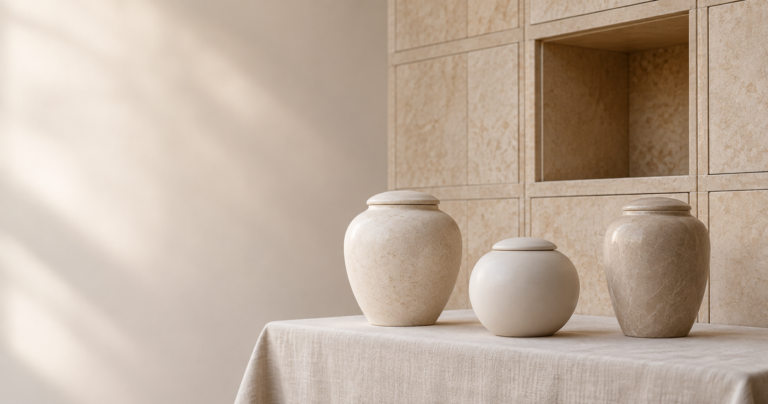
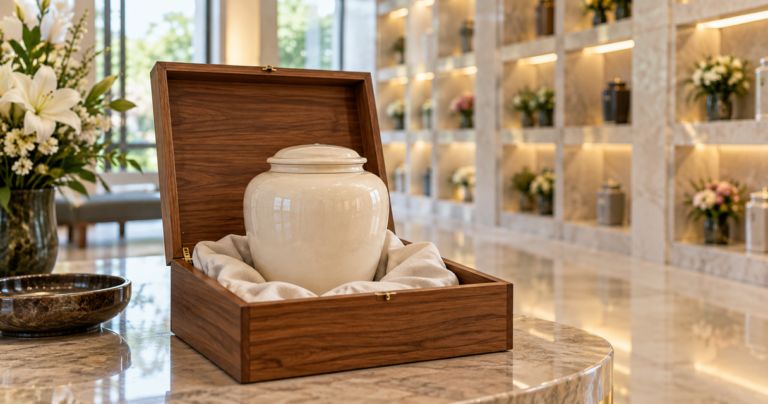
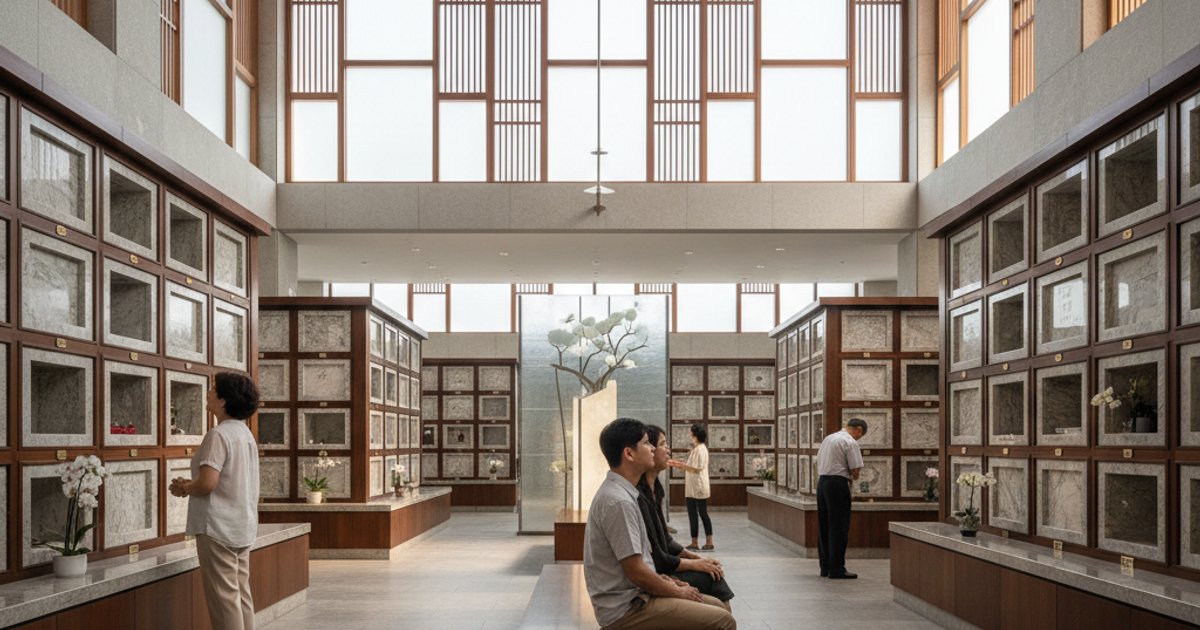
Columbaria, facilities designed for the storage of cremated remains, are a cornerstone of Singapore’s end-of-life infrastructure, offering a space-efficient and dignified alternative to traditional burial plots. They are not merely storage units; they are designed as places of remembrance and reflection, integrated thoughtfully into the urban landscape.
When you visit a columbarium in Singapore, whether it’s a government-run facility like Mandai or Choa Chu Kang, or one of the many private ones, you’ll notice they are often designed with serenity and accessibility in mind. They’re not hidden away; some are even quite prominent, blending modern architecture with traditional elements. This integration is crucial. It makes them accessible for families to visit and pay respects, reinforcing the idea that cremation isn’t a lesser choice, but simply a different, equally valid one. The sheer number of niches available, and the continuous development of new facilities, underscores their importance in our urban planning. The government, through the NEA, continues to expand these facilities, ensuring that demand is met. For instance, the new Choa Chu Kang Columbarium Extension, completed in recent years, significantly increased capacity, demonstrating ongoing commitment to this infrastructure.
Public vs. Private Cremation and Columbarium Services
Singapore offers both public and private options for cremation and columbarium services, providing families with choices that cater to varying needs and preferences, all while adhering to the overarching policy of land efficiency.
This is where the market comes in to complement government efforts. While government facilities like Mandai and Choa Chu Kang provide essential, affordable services, the private sector, including providers like Nirvana Singapore, offers a range of more personalized and often more aesthetically elaborate options. This dual system ensures that everyone has access to cremation services, regardless of their financial situation, while also allowing for diverse cultural and religious requirements. It’s a smart way to manage demand and supply, ensuring that the fundamental policy goal of land conservation is met, without stifling choice or dignity. The competition, in a way, drives innovation in memorialization, even within the confines of a land-scarce environment.
Here’s a quick look at how public and private options generally compare:
| Feature | Public Services (e.g., Mandai, Choa Chu Kang) | Private Services (e.g., Nirvana Singapore) |
|---|---|---|
| Primary Goal | Affordable, accessible, standardized service for all. | Personalized, premium, and often multi-faith options. |
| Cost | Generally lower, subsidized by the government. | Higher, reflecting more extensive facilities, services, and aesthetic choices. |
| Facility Design | Functional, modern, designed for high volume. | Often architecturally distinct, serene, with more amenities and personalized touches. |
| Niche Options | Standardized niche sizes and designs. | Wider variety of niche types, sizes, and customization options. |
| Religious Accommodation | Accommodates major religions, but services are standardized. | Specialized facilities and services tailored to specific religious rites and customs. |
| Location | Centralized, large-scale facilities. | Multiple locations, often designed for convenience and tranquility. |
The Future of End-of-Life Planning: Adapting to New Realities
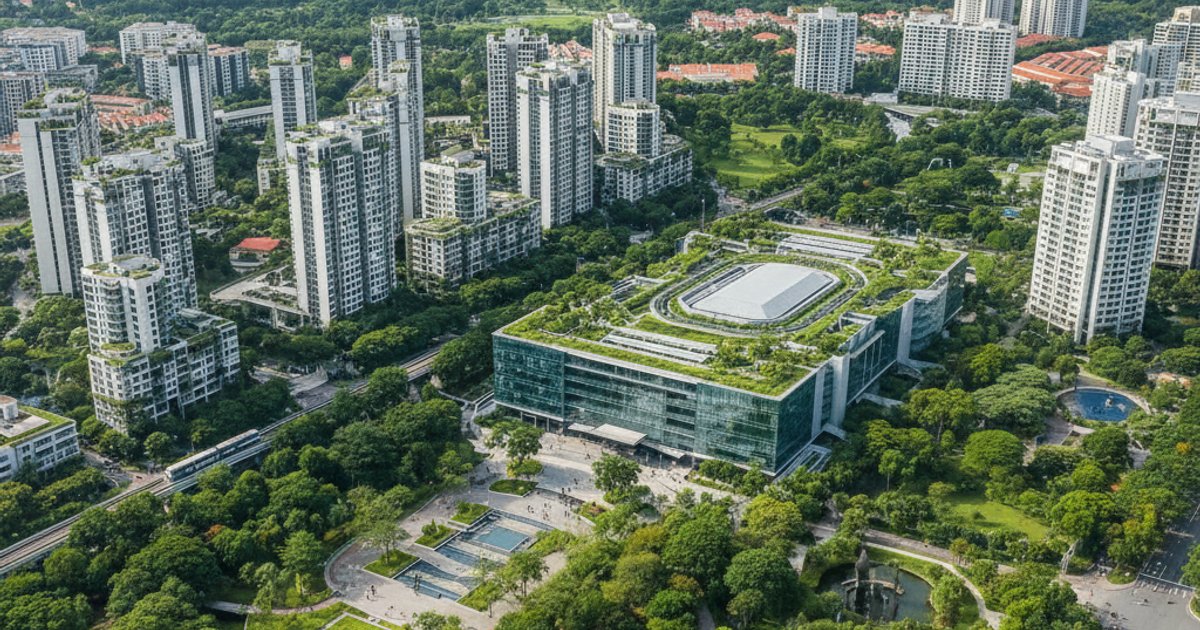
Singapore’s approach to urban planning for end-of-life services continues to evolve, driven by ongoing land constraints, demographic shifts, and changing societal expectations. The focus remains on sustainable solutions that balance tradition with practicality.
Look, the challenges aren’t going away. Our population is aging, and the demand for end-of-life services will only increase. This means the pressure on land will remain, if not intensify. What I’ve observed is a continuous push for innovative solutions. We’re seeing discussions around inland ash scattering, for example, which offers another option for those who prefer a more natural, less land-intensive form of memorialization. The government has already designated specific sites for this, such as the Garden of Peace at Choa Chu Kang Cemetery and the Garden of Serenity at Mandai Crematorium, both launched in 2021. This is a smart move, offering a dignified alternative that aligns perfectly with the nation’s land-saving ethos. It’s about creating respectful choices that fit within our unique constraints.
Technological Advancements and Digital Memorialization
Beyond physical infrastructure, technology is increasingly playing a role in how Singaporeans remember their loved ones, offering digital alternatives that transcend physical space.
This is where things get really interesting. With physical space at a premium, digital solutions offer a boundless alternative for remembrance. Online memorial sites, virtual tributes, and even augmented reality experiences are becoming more common. While they don’t replace the need for a physical resting place entirely, they certainly augment it, providing new avenues for grieving and celebrating lives. It’s a very Singaporean solution, really – leveraging technology to overcome physical limitations. This isn’t just about efficiency; it’s about creating new forms of connection and remembrance in a hyper-connected world. Companies like Nirvana Singapore are already exploring how to integrate these digital memorialization services, understanding that the future isn’t just about where ashes are kept, but how memories are preserved and shared.
The Evolving Cultural Landscape
While policy and infrastructure have been the primary drivers, cultural perceptions of cremation have also evolved significantly, making it more widely accepted across various ethnic and religious groups in Singapore.
It’s a feedback loop, isn’t it? As the infrastructure became more robust and policies more ingrained, societal acceptance naturally followed. What was once seen as a less traditional option, particularly for some religious communities, has become increasingly normalized. Religious leaders have adapted, providing guidance and rituals that accommodate cremation. This isn’t to say there aren’t still preferences for burial within certain communities, but the overall trend is undeniable. The pragmatic reality of living in Singapore has fostered a collective understanding and adaptation. This shift in cultural norms is perhaps the most powerful testament to the effectiveness of Singapore’s long-term planning.
Why Is Understanding This Context Important for Cremation Services Singapore?
For anyone seeking cremation services in Singapore, understanding this unique policy and urban planning context is crucial because it informs the available options, processes, and long-term implications of their choices. It helps families navigate the system more effectively.
This isn’t just academic. When you approach a funeral service provider, whether it’s Nirvana Singapore or another, knowing *why* things are done a certain way in Singapore helps you make more informed decisions. It explains the prevalence of columbaria, the cost structures, and even the efficiency of the processes. It’s not just about choosing between cremation and burial; it’s about understanding the entire ecosystem that supports these choices. For instance, the efficiency of cremation services at government facilities is a direct result of decades of planning and optimization to handle high volumes. This efficiency is a policy outcome, designed to serve the majority of the population effectively. It’s about leveraging the infrastructure that has been meticulously built over generations.
Frequently Asked Questions
What is the current cremation rate in Singapore?
The cremation rate in Singapore is exceptionally high, reflecting decades of policy and infrastructure development. As of 2022, approximately 81.4% of all deaths in Singapore result in cremation, a significant increase from previous decades.
Are there still burial options available in Singapore?
Yes, burial options are still available, but they are limited and often subject to specific conditions. Graves at government cemeteries typically have a lease period of 15 years, after which exhumation is required. There are also private burial grounds, but these are even more scarce and costly. This policy reinforces the long-term sustainability of cremation.
How does land scarcity influence the cost of cremation services in Singapore?
While cremation itself is generally more affordable than burial due to its lower land footprint, land scarcity indirectly influences the overall cost of memorialization. The demand for columbarium niches, particularly those in prime locations or with specific features, can drive up prices in the private sector. However, government-subsidized options remain accessible.
What are columbaria, and why are they so common in Singapore?
Columbaria are facilities designed to house urns containing cremated remains. They are common in Singapore because they offer a space-efficient and dignified alternative to traditional burial plots, aligning perfectly with the nation’s land conservation policies. They provide a permanent place for remembrance without consuming vast tracts of land.
Does the Singapore government promote specific types of cremation services?
The Singapore government primarily promotes basic, affordable, and efficient cremation services through its public facilities like Mandai and Choa Chu Kang. While it doesn’t dictate specific types of services, its policies and infrastructure development have made cremation the most practical and widely adopted end-of-life choice for the majority of the population.
What is inland ash scattering, and how does it fit into Singapore’s end-of-life planning?
Inland ash scattering is a relatively new option in Singapore, offering an alternative form of memorialization where cremated remains are scattered in designated gardens. It fits into Singapore’s end-of-life planning as another land-efficient option, providing a natural and serene way to commemorate loved ones without requiring a physical niche or burial plot. The Garden of Peace and Garden of Serenity are examples of such facilities.
How does Nirvana Singapore adapt to Singapore’s unique cremation landscape?
Nirvana Singapore, as a comprehensive funeral service provider, operates within and understands Singapore’s policy-driven cremation landscape. We offer a range of cremation and columbarium services, from dignified basic options to more personalized and elaborate memorialization solutions, all designed to meet diverse needs while respecting the nation’s emphasis on land efficiency and sustainable end-of-life planning. Our services complement the public infrastructure by providing choices that cater to specific cultural, religious, and aesthetic preferences.
Last updated: July 24, 2026