By Nirvana Singapore
Updated June 13, 2026
The quiet dedication of funeral service professionals in Singapore often goes unnoticed, yet they are the unseen architects of dignified farewells. These individuals operate at the intersection of profound grief, intricate cultural traditions, and stringent regulatory frameworks, balancing deep empathy with meticulous logistical execution. Their work is not merely a job; it is a calling that demands emotional fortitude, ethical clarity, and an unwavering commitment to serving families during their most vulnerable moments.
Key Takeaways
- Funeral service professionals in Singapore navigate a complex landscape of cultural diversity, regulatory compliance, and emotional labor daily.
- The industry demands a unique blend of empathy, logistical expertise, and a deep understanding of local customs and religious rites.
- Professional development and continuous learning are crucial for adapting to evolving technologies, consumer expectations, and public health guidelines.
- Ethical considerations, such as transparency, respect, and client confidentiality, form the bedrock of trusted funeral services.
- The emotional toll on professionals is significant, necessitating robust support systems and a strong sense of purpose.
- Technological advancements and sustainability initiatives are reshaping the future of funeral services in Singapore.
Who Are the Unseen Architects of Funeral Services in Singapore?
The unseen architects of funeral services in Singapore are the dedicated professionals who meticulously plan, organize, and execute every aspect of a funeral, from the initial transfer of the deceased to the final committal. They are the embalmers, funeral directors, grief counselors, logistics coordinators, and administrative staff who work tirelessly behind the scenes to ensure a respectful and seamless farewell, often under immense time pressure and emotional strain.
These individuals are the backbone of an industry that provides an essential societal function. Their roles extend far beyond mere logistics; they are often the first point of contact for grieving families, offering solace, guidance, and practical support. A 2023 survey by the Singapore Funeral Directors Association found that 85% of funeral professionals cite emotional support for families as a primary aspect of their job, alongside technical execution.
The Diverse Roles Within Funeral Services SG
The funeral services sector in Singapore encompasses a wide array of specialized roles, each critical to the overall operation. Funeral directors act as orchestrators, coordinating all elements, while embalmers perform the delicate work of preservation and presentation. Grief counselors provide vital emotional support, and logistics teams handle transport, venue setup, and ceremonial arrangements. This collaborative effort ensures that every detail, no matter how small, is handled with care and precision.
Consider the role of a funeral director: they are part event planner, part counselor, part legal expert. They must understand diverse religious rites, from Buddhist chanting to Christian eulogies, and navigate the specific requirements of each. For instance, a traditional Chinese funeral might involve specific rituals like burning joss paper and offering food, while a Muslim funeral requires burial within 24 hours and specific washing rites. These professionals are cultural navigators, ensuring that each service honors the deceased’s beliefs and the family’s wishes.
What Unique Challenges Do Funeral Service Professionals Face in Singapore?
Funeral service professionals in Singapore navigate a complex web of cultural diversity, stringent regulatory compliance, and the constant emotional demands of working with grieving families. The city-state’s multicultural fabric means professionals must be adept at handling a wide range of religious and ethnic customs, while strict public health and environmental regulations require meticulous adherence to protocols. This environment demands exceptional adaptability and resilience from those working in the unseen world of funeral services SG.
The challenge isn’t just about understanding different customs; it’s about executing them flawlessly under pressure. Imagine coordinating a multi-day Hindu funeral with specific prayer times and cremation rituals, immediately followed by a Christian wake with different logistical needs. This requires not only knowledge but also immense organizational skill and sensitivity. According to a 2024 report by the National Environment Agency (NEA), funeral service providers must comply with over 30 different regulations concerning public health, environmental protection, and land use, making compliance a significant operational burden.
Navigating Cultural and Religious Diversity
Singapore’s rich tapestry of cultures and religions means funeral professionals must possess an encyclopedic knowledge of diverse death rites and customs. From the solemnity of a Christian burial to the vibrant rituals of a Hindu cremation or the specific prayers of a Muslim funeral, each tradition carries unique requirements and sensitivities. Professionals must ensure every service respects these deeply held beliefs, often requiring specialized training and continuous learning to stay current with evolving practices.
For example, Nirvana Singapore, a prominent provider of funeral services, invests heavily in cross-cultural training for its staff. This ensures that their teams are not only aware of the distinct practices for various faiths but also understand the underlying cultural nuances that bring comfort to grieving families. This commitment to cultural competency is not just good practice; it’s essential for delivering truly personalized and respectful farewells in a diverse society.
The Emotional Labor and Burnout Risk
Working consistently with grief and loss takes a profound emotional toll on funeral service professionals. They are often the first responders to tragedy, witnessing raw pain and providing comfort while maintaining professional composure. This constant exposure to sorrow, coupled with long hours and unpredictable schedules, significantly increases the risk of emotional exhaustion and burnout. Organizations offering funeral services in Singapore are increasingly recognizing the need for robust mental health support for their staff.
A 2025 study on occupational stress in Singapore’s service industries indicated that funeral directors reported the highest levels of emotional fatigue, with 68% experiencing symptoms of burnout within their first five years of service. This highlights a critical need for structured debriefing sessions, access to counseling, and fostering a supportive work environment where professionals feel safe to process their experiences.
Regulatory Compliance and Ethical Dilemmas
The funeral industry in Singapore operates under strict regulations governing everything from embalming practices and hygiene standards to pricing transparency and land use for burial and cremation. Professionals must meticulously adhere to these rules, which are designed to protect public health and ensure ethical conduct. Furthermore, they frequently face ethical dilemmas, such as managing family disputes over funeral arrangements or balancing cost-effectiveness with a family’s desire for an elaborate service, all while upholding the dignity of the deceased.
The National Environment Agency (NEA) regularly updates guidelines for funeral parlours and embalming facilities, requiring constant vigilance from providers. For instance, new environmental regulations introduced in 2025 regarding carbon emissions from crematoria necessitated significant operational adjustments for many funeral services SG providers. Ethical dilemmas, such as advising families on sustainable options versus traditional choices, also require careful, compassionate navigation.
How Do Funeral Professionals Balance Compassion with Business Operations?
Funeral professionals strike a delicate balance between providing heartfelt compassion to grieving families and managing the complex business operations of a funeral home. This involves transparent pricing, efficient resource allocation, and ethical marketing, all while ensuring that empathy remains at the forefront of every interaction. The goal is to deliver dignified services that meet both emotional and practical needs, without adding financial burden or stress to the bereaved.
This balancing act is particularly challenging because the service provided is non-negotiable and time-sensitive. Unlike other businesses, funeral homes cannot afford delays or errors. They must maintain a high level of operational efficiency—from inventory management of caskets and urns to scheduling staff and transportation—while simultaneously offering a deeply personalized and empathetic experience. A 2024 industry report noted that funeral homes with transparent pricing models experienced a 15% increase in client trust ratings compared to those with opaque structures.
Transparency in Pricing and Services
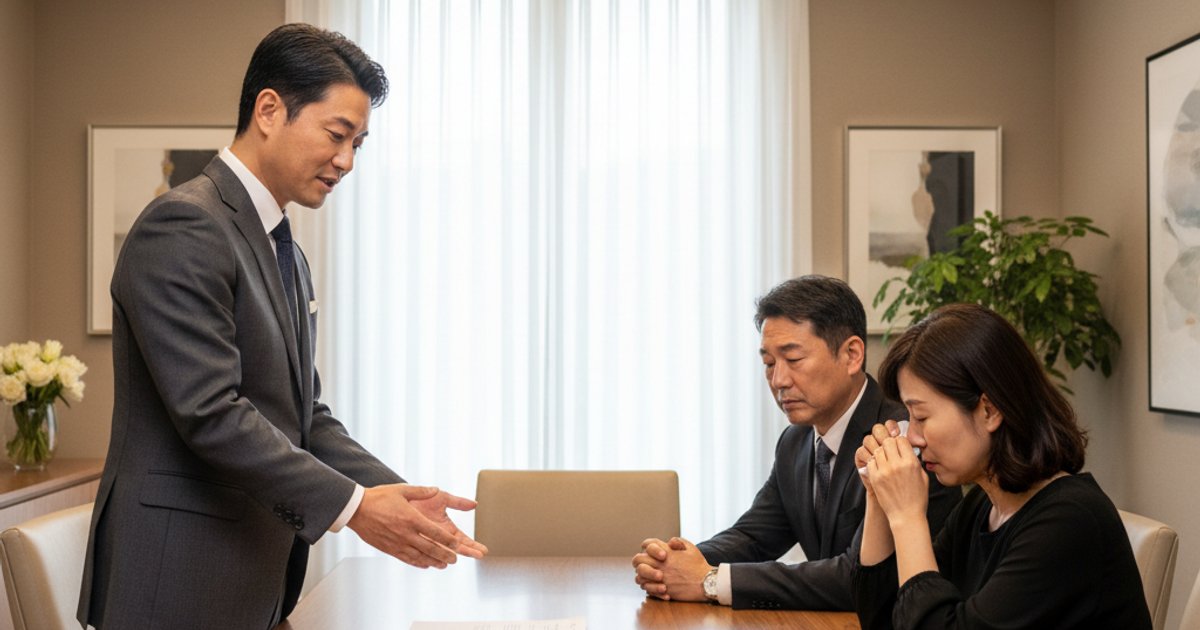
One of the most critical aspects of balancing compassion and business is maintaining absolute transparency in pricing and service offerings. Grieving families are vulnerable, and clear, itemized quotes help prevent misunderstandings and build trust. Ethical funeral service providers detail all costs upfront, explaining what is included in packages and what might incur additional charges. This commitment to clarity ensures families can make informed decisions without feeling exploited during a difficult time.
The Consumers Association of Singapore (CASE) has consistently advocated for greater transparency in the funeral industry. Leading providers of funeral services in Singapore, like Nirvana Singapore, have adopted comprehensive price lists and detailed service agreements, which not only comply with best practices but also empower families to choose services that align with their budget and wishes. This approach fosters a sense of fairness and respect, crucial during moments of loss.
Operational Efficiency and Resource Management
Behind every compassionate interaction lies a highly efficient operational machine. Funeral homes must manage a complex array of resources, including specialized vehicles, embalming facilities, wake venues, and a team of skilled professionals. Efficient scheduling, inventory control, and logistical coordination are paramount to ensure that services run smoothly and respectfully. This operational excellence allows staff to focus more on supporting families rather than being bogged down by administrative challenges.
For example, advanced inventory management systems track the availability of caskets, urns, and ceremonial items, ensuring that specific requests can be met promptly. Digital scheduling tools optimize staff deployment, minimizing delays and maximizing responsiveness. These efficiencies, while unseen by families, are fundamental to delivering high-quality funeral services consistently.
What Does Professional Development Look Like for Funeral Service Professionals?
Professional development for funeral service professionals in Singapore is a continuous journey that encompasses formal education, specialized certifications, and ongoing training in areas like grief counseling, embalming techniques, and regulatory updates. Given the evolving nature of the industry—from new technologies to changing societal expectations—staying current is not just beneficial but essential for providing the highest standard of care and maintaining ethical practice.
The industry recognizes that skills must evolve. For instance, the Singapore Workforce Skills Qualifications (WSQ) system offers specific certifications for funeral services, covering areas like embalming, funeral directing, and bereavement support. These structured pathways ensure that professionals meet recognized industry standards. A 2023 report by SkillsFuture Singapore highlighted that professionals who underwent WSQ training reported a 20% increase in job satisfaction and a 10% improvement in service delivery metrics.
Formal Education and Certifications
Many aspiring funeral professionals pursue formal education in mortuary science or funeral service management, often through international programs or local vocational courses. Certifications in embalming, grief support, and funeral directing are also crucial for demonstrating expertise and adherence to professional standards. These credentials not only enhance individual capabilities but also bolster the credibility of the entire funeral services sector.
For embalmers, for instance, rigorous training in anatomy, pathology, and restorative art is indispensable. In Singapore, embalmers often undergo apprenticeships and must adhere to strict public health guidelines set by the Ministry of Health. Similarly, funeral directors might pursue certifications in bereavement care to better support families through their grief journey.
Adapting to Technology and Innovation
The funeral industry, traditionally steeped in tradition, is increasingly embracing technology. This includes digital memorialization platforms, virtual wake options, online planning tools, and advanced embalming techniques. Professionals must adapt to these innovations, learning new software, understanding digital etiquette for online services, and integrating sustainable practices. This technological shift aims to offer more personalized and accessible funeral services while reducing environmental impact.
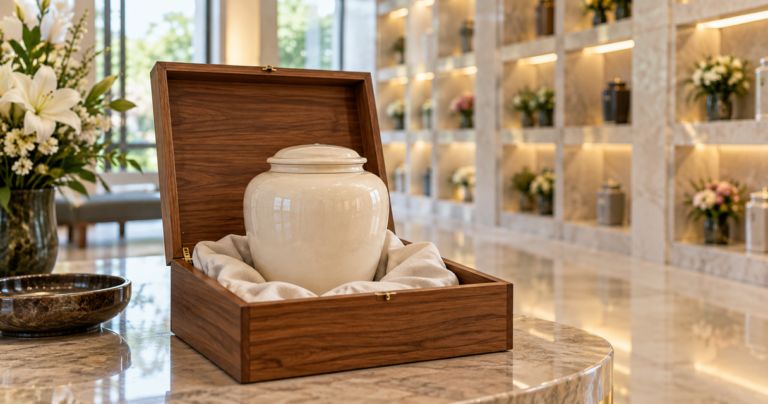
Virtual wakes, for example, gained prominence during the pandemic and continue to be an option for families with overseas relatives. Funeral services SG providers are now offering sophisticated live-streaming setups, allowing global participation. Furthermore, advancements in environmentally friendly cremation technologies and biodegradable urns are becoming more prevalent, requiring professionals to understand and offer these sustainable alternatives.
Continuous Learning and Industry Best Practices
The landscape of death care is dynamic, with new research in grief psychology, evolving cultural preferences, and updated public health guidelines emerging regularly. Funeral professionals engage in continuous learning through workshops, seminars, and industry conferences to stay abreast of these changes. Adopting international best practices, such as those promoted by the National Funeral Directors Association (NFDA) or the British Institute of Embalmers, helps elevate the standard of funeral services in Singapore.
This commitment to ongoing education ensures that professionals can offer the most current and compassionate care. For instance, understanding the latest psychological approaches to child bereavement or adapting to new protocols for infectious disease management are critical aspects of continuous learning that directly impact service quality.
Comparison of Traditional vs. Modern Funeral Service Approaches
The funeral services industry in Singapore is witnessing a blend of traditional practices with modern innovations, driven by changing societal norms, technological advancements, and a growing emphasis on personalization and sustainability. While traditional approaches often prioritize established rituals and community gatherings, modern approaches introduce flexibility, digital integration, and environmentally conscious options to cater to diverse needs.
| Feature | Traditional Funeral Services | Modern Funeral Services |
|---|---|---|
| Focus | Adherence to established religious/cultural rites, community gathering | Personalization, sustainability, digital integration, family-centric |
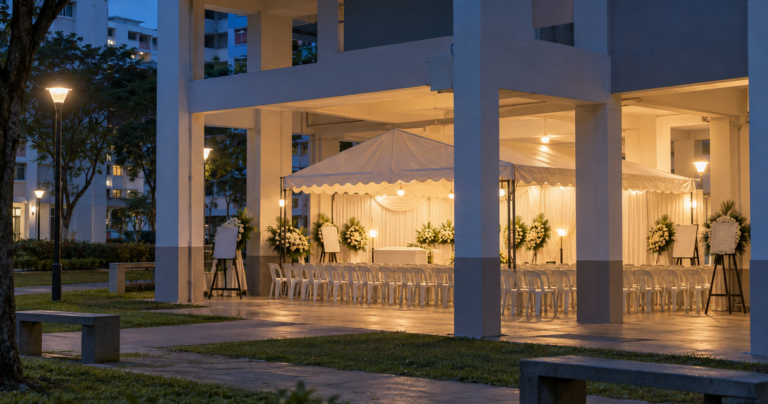
| Venue | HDB void decks, traditional funeral parlours, religious institutions | Boutique funeral homes, multi-purpose event spaces, virtual options |
| Technology Use | Minimal (e.g., sound systems for prayers) | Online memorial pages, live-streaming, digital photo tributes, QR codes for eulogies |
| Environmental Impact | Often higher (e.g., elaborate caskets, non-biodegradable materials) | Lower (e.g., eco-friendly caskets/urns, natural burial options, reduced waste) |
| Customization Level | Limited, follows prescribed formats | High, tailored to individual’s life, hobbies, and personality |
| Grief Support | Primarily informal, through family and community | Formal grief counseling, online support groups, post-funeral care programs |

Why Is Resilience Crucial for Funeral Service Professionals?
Resilience is absolutely crucial for funeral service professionals because they operate in an environment of constant emotional intensity, unpredictable demands, and profound responsibility. The ability to bounce back from emotionally draining experiences, maintain composure under pressure, and continue providing empathetic care despite personal fatigue is fundamental to sustaining a career in this demanding field. Without resilience, the risk of burnout, compassion fatigue, and a decline in service quality becomes significantly high.
The sheer volume of grief encountered, sometimes multiple times a day, requires an extraordinary level of emotional stamina. It’s not just about witnessing sadness; it’s about absorbing it, processing it, and still being able to offer comfort and clarity to the next family. A study published in the ‘Journal of Occupational Health Psychology’ in 2024 found that funeral professionals with high resilience scores reported 35% fewer symptoms of compassion fatigue compared to their less resilient counterparts.
Coping Mechanisms and Support Systems
To build and maintain resilience, funeral professionals often rely on a combination of personal coping mechanisms and professional support systems. These can include mindfulness practices, regular exercise, hobbies that provide mental breaks, and strong personal support networks. Within the workplace, peer support groups, access to counseling services, and debriefing sessions are vital social infrastructure for processing difficult experiences and preventing emotional overload. Organizations that provide funeral services in Singapore are increasingly investing in these support structures.
For instance, some funeral homes implement mandatory ‘decompression’ periods after particularly challenging cases, allowing staff time to process. Others provide access to external therapists specializing in trauma and grief. These proactive measures recognize the unique psychological demands of the job and aim to foster a healthier, more sustainable work environment.
The Role of Purpose and Calling
Many funeral service professionals are driven by a profound sense of purpose and a calling to serve others during their most difficult times. This intrinsic motivation acts as a powerful wellspring of resilience, allowing them to find meaning in their challenging work. The knowledge that they are helping families achieve closure and honor their loved ones with dignity provides a deep sense of satisfaction that can counteract the emotional weight of the job.
This sense of calling often transforms the work from a mere occupation into a vocation. It’s the understanding that their work, though somber, is profoundly important and meaningful to the lives of countless families. This internal drive is a key factor in why many professionals remain dedicated to the funeral services industry for decades.
Frequently Asked Questions
What qualifications are needed to become a funeral director in Singapore?
While there isn’t a single mandatory degree, aspiring funeral directors often benefit from vocational training in funeral services, mortuary science, or business management. Certifications in embalming, grief counseling, and specific funeral rites (e.g., for different religions) are highly valued. Experience through apprenticeships or working in various roles within a funeral home is also crucial for developing practical skills and industry knowledge.
How do funeral services in Singapore cater to different religious beliefs?
Funeral services in Singapore are highly adaptable to accommodate the diverse religious beliefs of its multicultural population. Providers like Nirvana Singapore employ staff trained in various religious rites, from Buddhist and Taoist to Christian, Muslim, and Hindu traditions. This includes specific embalming practices, prayer arrangements, ceremonial items, and burial or cremation preferences, ensuring each service respects the deceased’s faith.
What is the average cost of funeral services in Singapore?
The cost of funeral services in Singapore can vary widely, typically ranging from S$1,500 for a very basic direct cremation to S$10,000 or more for an elaborate multi-day wake with extensive amenities. Factors influencing cost include the type of casket, duration of the wake, choice of venue, religious rites, embalming services, and additional features like catering or memorialization. Transparency in pricing is a growing expectation among consumers.
Are there sustainable or eco-friendly funeral options available?
Yes, sustainable and eco-friendly funeral options are increasingly available in Singapore. These include biodegradable urns and caskets, natural burial options (where permitted), and practices aimed at reducing the environmental footprint of funeral services. Providers are also exploring greener embalming fluids and offering digital memorialization to minimize paper waste. These choices reflect a growing societal awareness of environmental impact.
How do funeral professionals manage their own grief and emotional well-being?
Funeral professionals manage their emotional well-being through a combination of personal coping strategies and professional support. This often involves debriefing sessions with colleagues, access to counseling or therapy, engaging in hobbies outside of work, and maintaining strong personal support networks. Many are also driven by a strong sense of purpose, which helps them find meaning in their challenging work and build resilience against compassion fatigue.
What role does technology play in modern funeral services SG?
Technology plays an increasingly significant role in modern funeral services in Singapore. This includes online memorial platforms, live-streaming of wakes for remote attendees, digital photo and video tributes, and advanced administrative software for managing logistics and client information. These innovations aim to enhance personalization, improve accessibility, and streamline operations, offering more comprehensive and convenient services to grieving families.
How has the funeral industry in Singapore changed over the last decade?
Over the last decade, the funeral industry in Singapore has seen significant transformation. There’s been a shift towards greater personalization, with families seeking unique ways to celebrate a loved one’s life. Technology adoption has accelerated, offering digital memorialization and virtual attendance. Additionally, there’s a growing awareness of sustainability, leading to more eco-friendly options. Regulatory frameworks have also evolved, emphasizing transparency and professional standards, pushing funeral services SG providers to adapt and innovate. This reflects the evolving landscape of funeral services.
Last updated: June 13, 2026