By Nirvana Singapore
Updated May 15, 2026
When a loved one departs, the world often feels like it stops. Yet, amidst the profound grief, practical decisions about funeral services in Singapore demand attention. This guide cuts through the complexity, offering clarity and compassion to help families navigate arrangements, honor traditions, and find support during one of life’s most challenging passages.
Key Takeaways
- Funeral planning in Singapore involves understanding diverse cultural and religious rites, from Buddhist and Taoist to Christian, Muslim, and Hindu traditions.
- Pre-planning funeral services can significantly reduce emotional and financial burden on families, with options like pre-paid plans available.
- Costs for funeral services in Singapore vary widely, typically ranging from S$3,000 to over S$20,000, depending on package inclusions and duration.
- Legal requirements, such as obtaining a death certificate and burial/cremation permits, are mandatory and must be handled promptly.
- Long-term grief support resources are crucial for healing, extending beyond the funeral itself to provide ongoing emotional and psychological aid.
- Nirvana Singapore, a leading provider of funeral services, emphasizes transparent pricing and culturally sensitive arrangements.
What Are Funeral Services in Singapore, and Why Are They So Complex?
Funeral services in Singapore encompass the entire process of caring for the deceased and supporting their family, from the moment of death through to the final disposition and beyond. This process is complex because it involves navigating a mosaic of cultural, religious, legal, and logistical requirements, all while families are in a state of emotional vulnerability.
The intricate nature of funeral services in Singapore stems from its multicultural society. Each major ethnic and religious group—Chinese (with various dialect groups), Malay, Indian, and Eurasian— observes distinct rituals, customs, and timelines. What is standard practice for a Buddhist funeral, for instance, differs significantly from a Muslim burial. Beyond cultural nuances, families must contend with administrative hurdles like death registration, securing burial or cremation permits, and managing the financial implications, which can range from basic packages to elaborate ceremonies. The emotional toll often compounds these practical challenges, making informed decision-making difficult without proper guidance.
How Do Cultural and Religious Traditions Shape Funeral Services in Singapore?
Cultural and religious traditions are the bedrock of funeral services in Singapore, dictating everything from wake duration and attire to burial practices and post-funeral rites. Understanding these diverse customs is paramount for respectful and meaningful farewells.
Singapore’s rich tapestry of cultures means that a ‘one-size-fits-all’ approach to funerals simply doesn’t exist. For the majority Chinese population, Taoist and Buddhist rites are common, often involving elaborate altars, specific chanting, and a wake lasting three to seven days. Ancestor worship plays a central role, with offerings and specific rituals to ensure the deceased’s peaceful transition. Malay funerals, primarily Muslim, adhere to Islamic tenets, emphasizing simplicity, speed (burial typically within 24 hours), and specific washing and shrouding rituals. Hindu funerals involve cremation as the primary disposition, with ceremonies focused on the soul’s journey and often include specific prayers and offerings led by a priest. Christian funerals, while varying between denominations, generally involve a wake, church service, and either burial or cremation. Each tradition carries deep meaning and provides comfort and structure for grieving families, making adherence to these customs a vital part of the bereavement process.
Buddhist and Taoist Funeral Rites
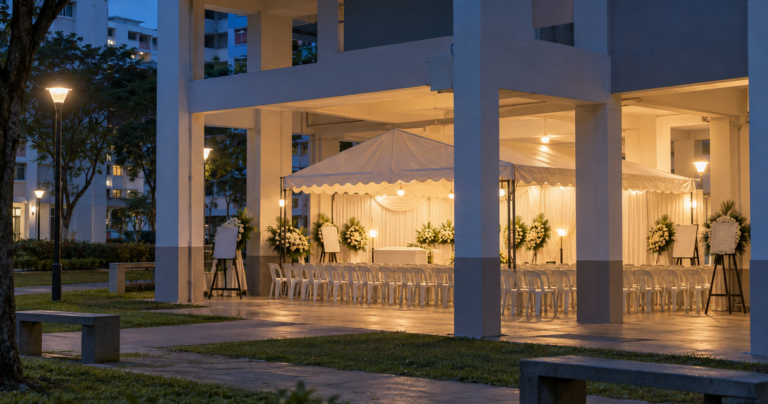
Buddhist and Taoist funerals in Singapore typically involve a multi-day wake, often held in HDB void decks or funeral parlours, and incorporate specific prayers, chanting by monks or priests, and offerings. These traditions emphasize the cycle of rebirth (Buddhism) or the journey to the afterlife (Taoism), with rituals designed to guide the deceased’s spirit.
For example, a typical Taoist funeral might include the burning of joss paper, paper effigies of worldly goods, and specific rituals to appease deities and ensure a smooth passage. Buddhist funerals often feature chanting of sutras, meditation, and a focus on merit-making for the deceased. The wake duration, usually three, five, or seven days, allows family and friends to pay their respects and participate in the rituals. According to a 2023 survey by the Singapore Funeral Directors Association, approximately 60% of all funerals in Singapore incorporate elements of Buddhist or Taoist traditions, reflecting their prevalence in the Chinese community.
Christian Funeral Practices
Christian funerals in Singapore, spanning various denominations like Catholic, Protestant, and Orthodox, typically involve a wake, a church or memorial service, and either burial or cremation. The focus is on celebrating the life of the deceased and finding solace in faith.
Catholic funerals often include a Requiem Mass, while Protestant services might be more contemporary. Common elements include eulogies, hymns, scripture readings, and prayers for the departed. The wake usually lasts between three to five days, providing a period for visitation and comfort. Burial is a traditional choice, though cremation has become increasingly common due to land scarcity in Singapore. A 2024 report by the National Environment Agency (NEA) indicated that cremation rates in Singapore reached 82%, up from 75% a decade prior, across all religious groups.
Muslim Funeral Customs
Muslim funerals in Singapore strictly adhere to Islamic law, emphasizing simplicity, dignity, and burial as soon as possible, ideally within 24 hours of death. The process is guided by specific rituals for washing, shrouding, and prayer.
The deceased is ritually washed (mandi jenazah), shrouded in white cloth (kafan), and then prayers (solat jenazah) are performed, typically at a mosque or funeral parlour. Embalming is generally forbidden unless legally required for international repatriation. Burial at the Muslim cemetery (Pusara Abadi) is mandatory, with the body laid facing Mecca. The immediate burial reflects the Islamic belief in returning the body to the earth swiftly. These practices underscore the community’s commitment to faith even in grief.
Hindu Funeral Rites
Hindu funerals in Singapore primarily involve cremation, with rituals focused on the liberation of the soul (moksha) and the cyclical nature of life and death. Ceremonies are often led by a priest and involve specific offerings and prayers.
The wake typically lasts one to three days, during which family and friends pay respects. The cremation ceremony itself is highly ritualistic, often taking place at Mandai Crematorium. The ashes are then collected and usually scattered at sea or interred in a columbarium. The eldest son often plays a significant role in performing the final rites. A 2023 study by the Institute of Policy Studies highlighted that cultural and religious considerations remain paramount for 95% of Singaporean families when planning funeral arrangements.
What Are the Practical Steps and Costs Involved in Arranging Funeral Services in Singapore?
Arranging funeral services in Singapore involves a structured sequence of practical steps, from obtaining a death certificate to choosing a funeral director and managing the disposition. The costs associated with these services vary significantly based on choices made, from basic packages to more elaborate arrangements.
The first critical step is obtaining a Certificate of Cause of Death (CCOD) from a doctor. This document is essential for registering the death with the Registry of Births and Deaths within 24 hours. Next, families typically engage a funeral director, who will guide them through the subsequent steps: embalming (if desired and permitted by religion), preparing the deceased, arranging the wake venue (HDB void deck, funeral parlour, or home), coordinating religious rites, and finally, arranging for cremation or burial. The cost of funeral services is broad. A basic direct cremation without a wake might start from S$1,200 to S$2,500, while a multi-day wake with full religious rites and a premium casket can easily exceed S$10,000 to S$20,000. According to a 2025 consumer report by the Consumers Association of Singapore (CASE), the average cost for a 3-day funeral in Singapore is approximately S$7,500, with services like Nirvana Singapore offering transparent packages.
Navigating Legalities and Documentation
Navigating the legalities of a death in Singapore requires prompt action, starting with obtaining a death certificate and registering the death. These documents are foundational for all subsequent funeral arrangements and estate matters.
Upon a death occurring, a doctor issues a CCOD. If the death is unnatural or its cause is unknown, it must be reported to the police, who will refer the case to the State Coroner. Once the CCOD is obtained, the death must be registered at the Registry of Births and Deaths or a designated police station within 24 hours. The death certificate is then issued, which is a crucial document needed for the cremation or burial permit, insurance claims, bank account closures, and probate. Without these legal steps, no funeral service provider can proceed with the disposition of the deceased. This bureaucratic process, while seemingly daunting, ensures proper record-keeping and legal compliance.
Choosing a Funeral Director and Service Package
Selecting a reputable funeral director is a pivotal decision, as they act as the primary guide and coordinator for all funeral arrangements. Service packages vary widely, offering different levels of inclusions and customization.
When choosing, consider factors like experience, transparency in pricing, cultural sensitivity, and responsiveness. A good funeral director will explain options clearly, from basic embalming and casket services to full-service packages that include wake setup, catering, religious officiants, and transport. For example, Nirvana Singapore, a prominent funeral services provider, offers comprehensive packages tailored to various religious and cultural needs, emphasizing dignity and peace of mind. A 2024 industry survey found that 70% of Singaporean families prioritize transparent pricing when selecting a funeral service provider. Always request a detailed breakdown of costs to avoid hidden fees.
Cremation vs. Burial: Options and Considerations
Cremation and burial are the two primary disposition methods available in Singapore, each with its own set of considerations, costs, and cultural implications. The choice often depends on religious beliefs, personal preferences, and practical factors like land availability.
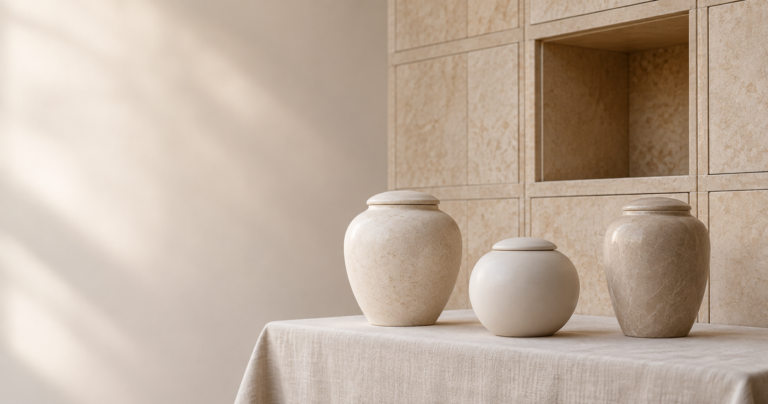
Cremation is the more common option in Singapore due to limited land for burials. The Mandai Crematorium and Columbarium is the primary facility. After cremation, ashes can be interred in a columbarium niche, scattered at sea (at the designated area south of Pulau Semakau), or kept at home. Burial, while culturally significant for some religions like Islam and Christianity, is limited to specific cemeteries like Choa Chu Kang Cemetery. Burial plots are leased for 15 years, after which remains are exhumed for cremation or re-interment in a smaller plot. The cost of a burial plot is significantly higher than a cremation niche. For instance, a 15-year burial plot can cost upwards of S$3,000, while a columbarium niche can range from S$500 to S$2,000, according to NEA figures from 2023. The decision between cremation and burial is deeply personal and often discussed within families prior to or at the time of need.
| Feature | Cremation | Burial |
|---|---|---|
| Primary Disposition Method | Body reduced to ashes via intense heat | Body interred in the ground |
| Commonality in Singapore | Very High (approx. 82% of deaths) | Low (approx. 18% of deaths) |
| Land Usage | Minimal (columbarium niches, sea scattering) | Significant (cemetery plots) |
| Typical Cost (Disposition only) | S$500 – S$2,000 (niche) | S$3,000 – S$10,000+ (plot lease) |
| Environmental Impact | Air emissions from process | Land use, potential groundwater impact |
| Cultural/Religious Preference | Hindu, Buddhist, Christian (increasingly) | Muslim, Christian, some Chinese traditions |
| Long-term Maintenance | Minimal for niches | Plot maintenance, exhumation after 15 years |

Why Should Families Consider Funeral Pre-Planning in Singapore?
Families should consider funeral pre-planning in Singapore to alleviate the emotional and financial burden on their loved ones during a time of grief, ensuring their final wishes are honored. Pre-planning offers peace of mind and allows for thoughtful decision-making without the pressure of urgency.
The immediate aftermath of a death is often chaotic and emotionally draining. When a funeral is unplanned, families are forced to make significant decisions—from choosing a casket to negotiating prices and understanding religious rites—all while grieving. This can lead to rushed choices, potential disagreements, and financial strain. Pre-planning, however, allows individuals to calmly consider their preferences, compare options, and even pre-pay for services at today’s prices, shielding their families from future inflation. A 2023 survey by the Life Insurance Association Singapore indicated that only 15% of Singaporeans have a formal funeral pre-plan, suggesting a significant opportunity for greater preparedness. Pre-planning ensures that personal values and beliefs are respected, providing comfort to both the individual and their family.
Benefits of Pre-Paid Funeral Plans
Pre-paid funeral plans offer significant financial and emotional benefits, allowing individuals to lock in costs at current prices and spare their families from financial stress during bereavement. These plans provide a structured way to manage future funeral expenses.
By purchasing a pre-paid plan, individuals essentially fix the cost of their chosen funeral services, protecting against inflation. This means that regardless of how much prices rise in the future, the services outlined in the plan are covered. Beyond the financial aspect, pre-paid plans remove the burden of decision-making from grieving family members. They ensure that the funeral reflects the deceased’s personal wishes, down to specific religious rites, casket type, or wake duration. According to a 2024 report by the Singapore Actuarial Society, pre-paid funeral plans can save families an average of 15-20% compared to arranging services at the time of need. Providers like Nirvana Singapore offer various pre-paid plans, allowing for customization and flexibility.
Documenting Your Wishes
Documenting your funeral wishes is a crucial step in pre-planning, ensuring that your preferences regarding disposition, ceremonies, and even eulogies are clearly communicated. This written record serves as an invaluable guide for your family.
This documentation can be as simple as a letter of instruction or as formal as a section within your will. Key details to include are your preference for burial or cremation, specific religious or cultural rites, desired wake duration and location, preferred funeral director, and even music or readings. While not legally binding in the same way a will is for assets, these documented wishes carry significant moral weight and provide immense clarity for your loved ones. Without such documentation, families are left to guess, potentially leading to decisions that may not align with the deceased’s true desires. This act of foresight is a final gift of love and consideration.
What Support Systems Are Available for Grieving Families in Singapore?
Grieving families in Singapore have access to a range of support systems, including professional counselling, peer support groups, and community resources, designed to help them navigate the complex emotional landscape of loss. These resources extend beyond the funeral itself, offering long-term aid for healing.
The immediate aftermath of a funeral is just the beginning of the grief journey. Many organizations in Singapore recognize this and provide structured support. Professional grief counsellors offer individual or family therapy to process emotions, develop coping mechanisms, and address complicated grief. Peer support groups connect individuals who have experienced similar losses, fostering a sense of community and shared understanding. Hospitals, hospices, and religious organizations often have their own bereavement support programs. For instance, the Singapore Hospice Council provides a directory of grief support services, and various religious bodies offer pastoral care. A 2023 mental health survey by the National Council of Social Service found that individuals who accessed bereavement support services reported a 40% improvement in their ability to cope with loss compared to those who did not.
Professional Grief Counselling and Therapy
Professional grief counselling and therapy provide structured, expert guidance for individuals and families struggling with profound loss, offering strategies to process emotions and adapt to life after bereavement. These services are delivered by trained psychologists, social workers, or counsellors.
Counselling can be particularly beneficial for those experiencing prolonged or complicated grief, where symptoms like intense yearning, preoccupation with the deceased, or difficulty accepting the death persist for an extended period. Therapists help individuals explore their feelings, address guilt or anger, and find ways to reintegrate their loss into their lives. Sessions can be individual, couple, or family-based, depending on the need. Organizations like the Singapore Association for Mental Health (SAMH) and various private practices offer these specialized services. The effectiveness of professional support is well-documented, with a 2022 study published in the ‘Journal of Bereavement Research’ indicating that therapeutic interventions can reduce symptoms of complicated grief by up to 35%.
Community and Peer Support Groups
Community and peer support groups offer a vital network for grieving individuals, providing a safe space to share experiences, receive empathy, and realize they are not alone in their journey of loss. These groups are often facilitated by volunteers or professionals and are based on shared experiences.
These groups can be organized around specific types of loss, such as parental bereavement, spousal loss, or child loss, allowing members to connect with others who truly understand their unique pain. The informal setting often encourages open communication and mutual support, which can be incredibly validating. Organizations like the Assisi Hospice and Dover Park Hospice run regular bereavement support groups. The sense of belonging and shared narrative found in these groups is a powerful antidote to the isolation often felt during grief. A 2023 report by the National Volunteer & Philanthropy Centre noted that participation in peer support groups led to a 25% increase in reported emotional well-being among bereaved individuals.
Memorialization and Remembrance
Memorialization and remembrance practices are crucial for honoring the deceased and providing a tangible way for families to maintain a connection, aiding in the grief process. These acts can range from traditional rituals to modern tributes.
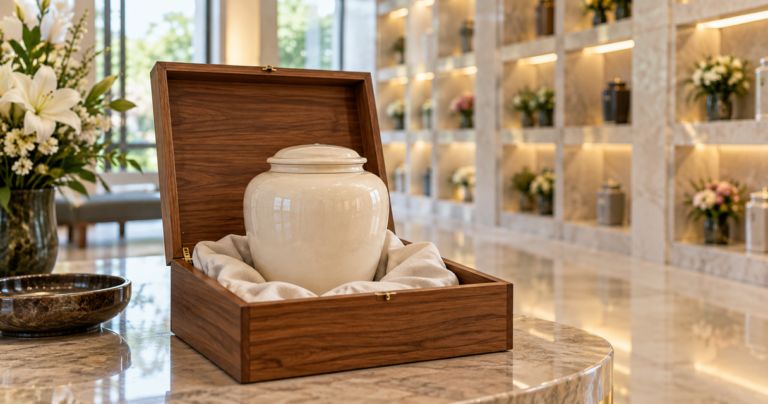
Traditional methods include placing ashes in a columbarium niche, visiting gravesites, or holding annual prayer ceremonies. Increasingly, families are adopting modern forms of remembrance, such as creating online memorial pages, planting trees in memory of their loved one, or establishing scholarships in their name. These acts serve not only to keep the memory alive but also to transform grief into a meaningful legacy. Nirvana Singapore, for example, offers various memorialization options, including elegant columbarium niches and memorial gardens, recognizing the importance of a lasting tribute. The act of remembrance provides a continued sense of presence and helps integrate the loss into one’s life narrative, fostering healing over time.
| Support Type | Description | Key Benefit | Accessibility in Singapore |
|---|---|---|---|
| Professional Counselling | Individual/family therapy with trained psychologists/counsellors | Structured guidance, coping strategies for complex grief | Private clinics, hospitals, some NGOs (e.g., SAMH) |
| Peer Support Groups | Meetings with others who’ve experienced similar losses | Shared understanding, reduced isolation, empathy | Hospices (e.g., Assisi, Dover Park), community centers |
| Religious/Spiritual Support | Pastoral care, prayer groups, spiritual guidance | Comfort from faith, community within religious institutions | Mosques, churches, temples, gurdwaras |
| Online Resources | Websites, forums, virtual communities for grief support | 24/7 access, anonymity, diverse perspectives | Local (e.g., Singapore Hospice Council directory) and international platforms |
| Memorialization | Creating lasting tributes (niches, gardens, online memorials) | Honoring memory, tangible connection, legacy building | Funeral service providers (e.g., Nirvana Singapore), cemeteries, crematoria |

Frequently Asked Questions
What is the average cost of a funeral in Singapore?
The average cost of a funeral in Singapore varies significantly but typically ranges from S$3,000 for a basic 3-day wake to over S$10,000 for more elaborate arrangements. Factors influencing cost include the duration of the wake, type of casket, embalming services, religious rites, and choice of funeral director. A 2025 CASE report cited an average of S$7,500 for a 3-day funeral.
How quickly must a death be registered in Singapore?
A death in Singapore must be registered with the Registry of Births and Deaths or a designated police station within 24 hours of its occurrence. This requires a Certificate of Cause of Death (CCOD) issued by a doctor. Prompt registration is crucial for obtaining the death certificate, which is necessary for all subsequent funeral arrangements.
Can I pre-plan my own funeral in Singapore?
Yes, you can absolutely pre-plan your own funeral in Singapore. This involves documenting your wishes for disposition (cremation or burial), religious rites, wake details, and even pre-paying for services. Pre-planning offers peace of mind and ensures your final wishes are honored, reducing the burden on your family.
Are there government subsidies for funeral services in Singapore?
While there are no direct government subsidies for general funeral services, financial assistance may be available for low-income families through various social service agencies or community funds. Additionally, some employers or unions may offer bereavement benefits. It’s advisable to check with relevant social welfare organizations for eligibility.
What is the typical duration of a wake in Singapore?
The typical duration of a wake in Singapore varies significantly by culture and religion. Chinese (Buddhist/Taoist) wakes commonly last three, five, or seven days. Christian wakes usually span three to five days. Muslim funerals, however, do not typically have a wake in the same sense, with burial occurring as quickly as possible, usually within 24 hours.
What happens to burial plots after 15 years in Singapore?
Burial plots in Singapore are leased for 15 years. After this period, the remains are typically exhumed. The family then has the option to cremate the remains and inter the ashes in a columbarium, or re-inter them in a smaller, deeper plot at the same cemetery for another lease period. This policy addresses Singapore’s limited land resources.
Where can I find grief support in Singapore?
Grief support in Singapore is available through various channels, including professional counsellors, hospices (e.g., Assisi Hospice, Dover Park Hospice), community organizations, and religious institutions. The Singapore Hospice Council provides a useful directory of bereavement support services. Online resources and peer support groups also offer valuable aid.
Last updated: May 15, 2026