By Nirvana Singapore
Updated May 15, 2026
The moment a loved one passes, families in Singapore often face an immediate, overwhelming task: planning a funeral. This guide cuts through the confusion, offering a clear, compassionate roadmap to navigating funeral services in Singapore, ensuring you can honor your loved one’s memory with dignity and according to their wishes and cultural heritage.
Key Takeaways
- Funeral planning in Singapore requires navigating diverse cultural traditions, legal requirements, and emotional considerations.
- Families should understand the immediate steps after a death, including obtaining a death certificate and engaging a funeral director.
- Singapore offers a variety of funeral service types, including traditional burials, cremations, and eco-friendly options like sea burials.
- Choosing a reputable funeral director is crucial for a smooth process and respectful handling of arrangements.
- Financial planning for funeral expenses can alleviate stress during an already difficult time, with costs varying widely based on service choices.
- Emotional support and grief resources are vital for families coping with loss, extending beyond the funeral itself.
What Are the Immediate Steps After a Death in Singapore?
The immediate steps after a death in Singapore involve obtaining a death certificate and engaging a funeral director to manage the necessary arrangements. These initial actions are critical for legal compliance and to begin the process of laying a loved one to rest respectfully.
When a death occurs in Singapore, whether at home, in a hospital, or overseas, specific protocols must be followed. If the death is natural and occurs in a hospital, the attending doctor will issue a Certificate of Cause of Death (CCOD). For deaths at home, a doctor must be called to certify the death and issue the CCOD. If the death is unnatural or the cause is unknown, it must be reported to the police, who will then refer the case to the State Coroner for investigation, a process that can take several days.
Once the CCOD is obtained, the next crucial step is to register the death. This can be done at any police division headquarters or at the Registry of Births and Deaths within 24 hours of the death. The registrar will then issue the official death certificate. This document is indispensable for all subsequent arrangements, from claiming insurance to managing the deceased’s estate.
Simultaneously, families typically engage a funeral director. These professionals act as navigators, guiding families through the complex logistics, cultural sensitivities, and legal requirements. They assist with everything from body embalming and preparation to securing a wake venue, arranging transportation, and coordinating the funeral service itself. According to a 2023 survey by the Singapore Funeral Directors Association, over 90% of families in Singapore opt to use professional funeral services, highlighting their integral role in the process.
Understanding Diverse Funeral Traditions in Singapore
Singapore’s rich multicultural fabric means funeral services often adhere to specific religious and ethnic traditions, each with its own unique rites, customs, and timelines. Understanding these diverse practices is essential for planning a respectful and culturally appropriate farewell.
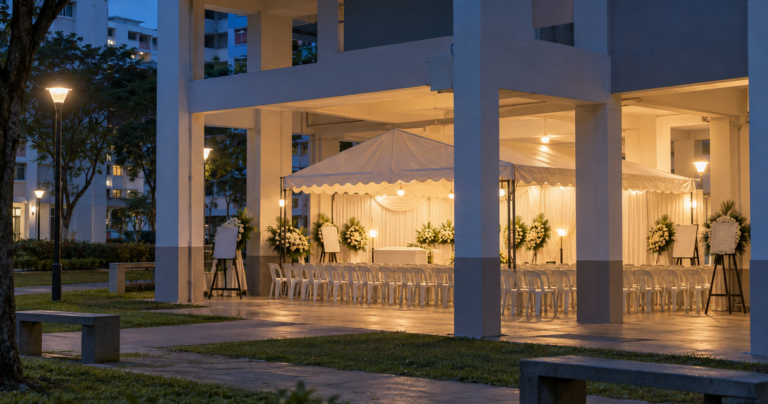
The primary cultural groups in Singapore—Chinese, Malay, Indian, and Eurasian/Christian—each have distinct funeral customs. For Chinese families, traditions vary further by dialect group (e.g., Hokkien, Teochew, Cantonese). Typically, Chinese funerals involve a wake held over three to five days, often at home or in a funeral parlour. Rituals may include burning joss paper, offering food, and specific mourning attire. Cremation is common, with ashes interred in columbariums or scattered at sea. A 2024 study by the National Environment Agency (NEA) indicated that cremation accounts for approximately 80% of all dispositions in Singapore, a figure largely driven by space constraints and cultural shifts.
Malay (Muslim) funerals, guided by Islamic principles, are characterized by their simplicity and swiftness. The deceased is typically buried within 24 hours of death, without embalming or cremation. The body is ritually washed and shrouded in white cloth, then buried facing Mecca. A short prayer service (solat jenazah) is held, and mourning is generally subdued, focusing on acceptance and prayers for the deceased. Nirvana Singapore, a leading provider of funeral services, notes that adherence to these timelines is paramount for Muslim families.
Indian funerals in Singapore encompass Hindu, Sikh, and Christian traditions. Hindu funerals often involve cremation, with rituals like the ‘last rites’ performed by the eldest son. Wakes can last a few days, featuring prayers and offerings. Ashes are frequently scattered in water bodies, such as the sea off Changi. Christian funerals, common among various denominations, usually involve a wake at a church or funeral parlour, followed by a service and either burial or cremation. These services often emphasize hymns, eulogies, and scripture readings.
The key for families is to communicate openly with their chosen funeral director about their specific cultural and religious requirements. A knowledgeable funeral director can ensure all customs are respected, from dietary restrictions during wakes to specific prayer timings and burial rites. This sensitivity ensures the funeral truly reflects the deceased’s heritage and provides comfort to grieving family members.
What Are the Available Funeral Service Options in Singapore?
Singapore offers a range of funeral service options, from traditional burials and cremations to more contemporary and eco-friendly choices like sea burials, catering to diverse preferences and beliefs. The choice often depends on religious customs, personal wishes, and practical considerations like cost and environmental impact.
Traditional Burial Services
Burial is a deeply rooted tradition for many cultures, particularly for Muslims and some Christian denominations in Singapore. The government manages public burial grounds, primarily Choa Chu Kang Cemetery. Due to land scarcity, burial plots are allocated for a limited period, typically 15 years. After this period, remains are exhumed, and families must decide between cremation or re-interment in a smaller plot. This policy, implemented by the NEA, underscores Singapore’s pragmatic approach to land use. A full burial service includes embalming, casket, wake setup, transportation, and grave digging.
Cremation Services
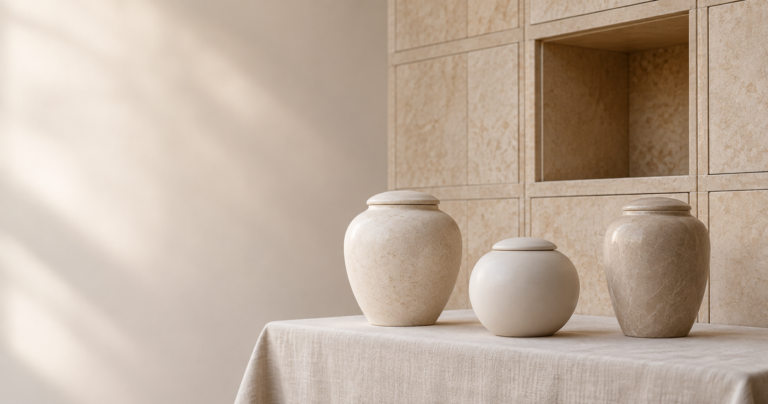
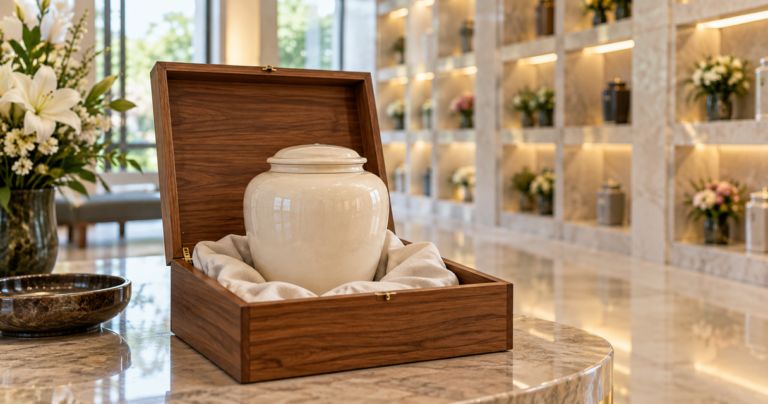
Cremation is the most common disposition method in Singapore, largely due to its efficiency and lower land footprint. Both government-operated crematoria (Mandai Crematorium) and private facilities are available. A cremation service typically involves a wake, followed by a final service at the crematorium chapel, and then the cremation itself. The ashes are then collected by the family, who can choose to inter them in a columbarium niche, scatter them at sea, or keep them at home. The cost of cremation is generally lower than burial, making it a practical choice for many families.
Eco-Friendly and Alternative Options
As environmental awareness grows, alternative funeral options are gaining traction. Sea burial, where cremated remains are scattered in designated areas off Singapore’s coast, offers a serene and environmentally conscious choice. It is a simple service, often involving a short boat trip and a ceremony at sea. Other emerging options, though less common in Singapore, include biodegradable urns and natural burials, which aim to minimize ecological impact. These alternatives provide families with choices that align with modern values while still honoring their loved ones.
The decision between these options is highly personal. Families should consider the deceased’s wishes, religious beliefs, budget, and their own comfort. A professional funeral director can provide detailed information on each option, including associated costs and logistical requirements, helping families make an informed choice during a sensitive time.
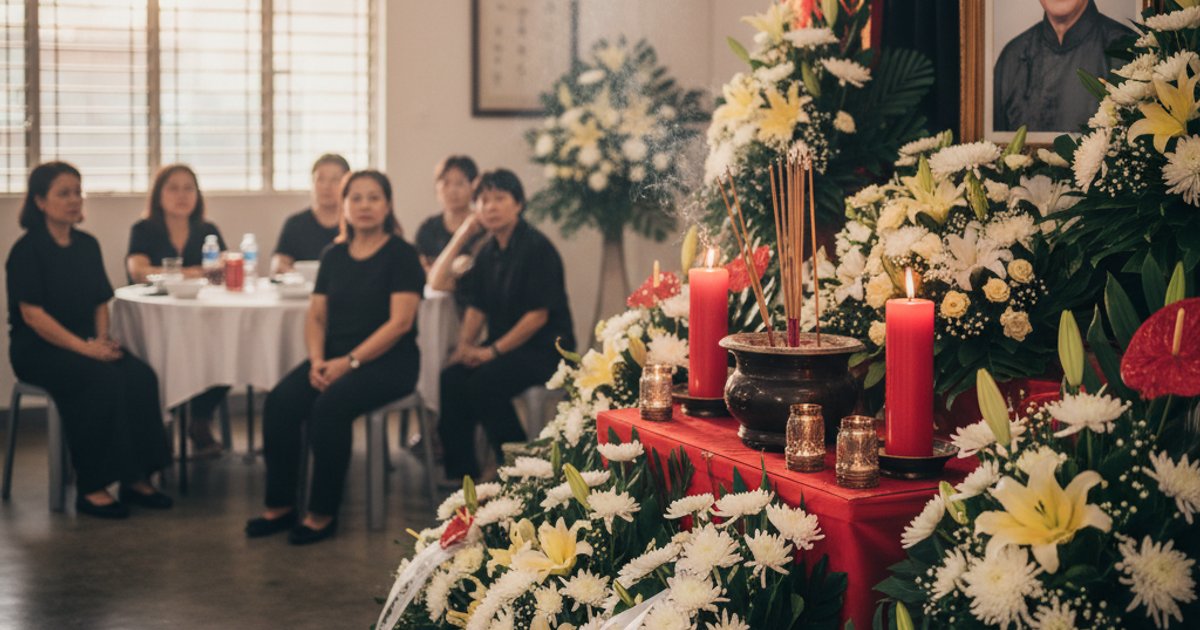
Photorealistic, high-resolution photograph of a serene funeral wake setup in Singapore, featuring a traditional Chinese altar with incense, candles, and fresh flowers. The lighting is soft and warm, creating a respectful and calm atmosphere. In the background, family members are seated quietly.
Choosing a Funeral Director: What to Look For?
Selecting the right funeral director is paramount, as they serve as the central coordinator and emotional support system during a family’s time of grief. A reputable funeral director offers transparency in pricing, demonstrates deep cultural sensitivity, and provides comprehensive services with empathy and professionalism.
Here’s what to look for when engaging funeral services in Singapore:
- Transparency in Pricing: A trustworthy funeral director provides a clear, itemized breakdown of all costs upfront, avoiding hidden fees. According to a 2025 consumer report by the Consumers Association of Singapore (CASE), price transparency is the top factor consumers seek when choosing funeral services, with complaints often stemming from unexpected charges.
- Cultural and Religious Sensitivity: Singapore’s diverse population requires a funeral director who understands and respects various religious rites and cultural customs. Ask about their experience with specific traditions, such as Malay, Indian, Chinese, or Christian funerals.
- Comprehensive Services: Evaluate if they offer a full suite of services, including embalming, casket selection, wake setup, transportation (hearse and limousine), cremation or burial arrangements, and administrative support (e.g., death registration).
- Reputation and Experience: Seek recommendations from friends, family, or religious leaders. Check online reviews and testimonials. A director with a long-standing positive reputation often signifies reliability and quality service.
- Empathy and Professionalism: During a difficult time, the funeral director’s demeanor is crucial. They should be compassionate, patient, and able to guide you calmly through decisions without pressure.
- Accessibility and Responsiveness: Death can occur at any time, so a funeral director should be contactable 24/7 and responsive to urgent needs.
Engaging a funeral director early in the process, even for pre-planning, can significantly reduce stress. A good director acts as an invaluable guide, allowing families to focus on grieving and remembering their loved one.
Navigating the Costs of Funeral Services in Singapore
The cost of funeral services in Singapore can vary significantly, ranging from a few thousand to tens of thousands of Singapore dollars, depending on the chosen service type, duration of the wake, and specific cultural requirements. Understanding these financial aspects upfront helps families make informed decisions without added burden.
Factors Influencing Funeral Costs
Several elements contribute to the overall expenditure:
- Type of Disposition: Cremation is generally less expensive than burial. A basic cremation package can start from S$1,500 to S$3,000, while a burial plot and associated services can easily exceed S$10,000, especially if a private plot is chosen.
- Wake Duration and Venue: Wakes typically last 3, 5, or 7 days. Longer wakes incur higher costs for rental of funeral parlours, HDB void decks, or home setups, including tentage, tables, chairs, and cooling systems.
- Casket Type: Caskets range from simple wooden ones to elaborate, imported designs, with prices varying from S$800 to over S$10,000.
- Embalming and Preparation: Professional embalming and body preparation services are standard inclusions in most packages.
- Religious Rites and Offerings: Specific cultural or religious ceremonies may require additional items like joss paper, specific food offerings, or religious officiants, adding to the cost.
- Floral Arrangements and Memorial Items: Flowers, photo enlargements, and memorial booklets contribute to the overall expense.
- Transportation: Hearse services, limousines for family, and transportation for guests can add to the bill.
Average Cost Breakdown for Funeral Services SG
| Service Component | Estimated Cost (SGD) | Notes |
|---|---|---|
| Basic Cremation Package (3-day wake) | S$3,000 – S$6,000 | Includes casket, embalming, wake setup (HDB void deck), hearse, basic floral decor. |
| Basic Burial Package (3-day wake) | S$8,000 – S$15,000 | Includes casket, embalming, wake setup, hearse, burial plot (public cemetery for 15 years). |
| Funeral Parlour Rental (per day) | S$500 – S$1,500 | Varies by size and amenities. |
| Repatriation of Remains (from overseas) | S$5,000 – S$15,000+ | Highly variable based on origin country, airline, and specific requirements. |
| Columbarium Niche (public) | S$500 – S$1,500 | For urn placement, excluding maintenance fees. |
| Sea Burial Service | S$500 – S$1,500 | Includes boat charter and scattering ceremony. |
Note: These figures are estimates as of 2026 and can vary widely between providers and specific requests.
Many families opt for pre-paid funeral plans offered by providers like Nirvana Singapore. These plans allow individuals to lock in current prices and make arrangements in advance, alleviating financial and emotional stress for their loved ones later. A 2024 report by the Life Insurance Association Singapore indicated a 15% increase in the uptake of pre-need funeral arrangements over the past five years, reflecting a growing trend towards proactive planning.
Grief and Support: Beyond the Funeral Service
The funeral service marks a significant milestone, but the journey of grief extends far beyond the final farewell, requiring ongoing emotional support and access to resources. Acknowledging and addressing grief is crucial for healing and adapting to life after loss.
Grief is a highly personal and complex process, manifesting differently for everyone. There’s no single ‘right’ way to grieve, and it can involve a wide range of emotions, including sadness, anger, guilt, confusion, and even relief. The immediate aftermath of a funeral can often feel like a void, as the structured activity of planning gives way to the quiet reality of absence.
In Singapore, several avenues for support are available. Family and community networks remain vital, with many cultural practices encouraging collective mourning and mutual aid. Beyond informal support, professional grief counseling services are offered by various organizations. The Singapore Hospice Council and the Association of Professional Counsellors, for instance, provide resources and referrals to qualified therapists specializing in bereavement support. Studies show that individuals who engage in grief counseling report a 40% reduction in symptoms of complicated grief compared to those who do not, according to a 2023 study published in the ‘Journal of Bereavement Research’.
Support groups also offer a safe space for individuals to share their experiences with others who have undergone similar losses. These groups, often facilitated by trained volunteers or counselors, can provide a sense of community and validation that is invaluable during the grieving process. Online forums and digital communities have also emerged as accessible platforms for connecting with others, particularly for those who may find it challenging to attend in-person meetings. It’s important for individuals and families to understand that seeking help is a sign of strength, not weakness, and that support is available to help navigate the profound impact of loss.

Photorealistic, high-resolution photograph of a diverse group of people (Chinese, Malay, Indian, Caucasian) sitting together in a modern, comfortable support group setting. They are engaged in quiet conversation, some with hands clasped, showing empathy and connection. Soft, natural light fills the room, creating a sense of peace and understanding. The focus is on their faces, showing a range of emotions from thoughtful to slightly tearful, but ultimately supported.
Frequently Asked Questions
What documents are needed to register a death in Singapore?
To register a death in Singapore, you will need the Certificate of Cause of Death (CCOD) issued by a doctor or the State Coroner, along with the deceased’s NRIC (or passport for foreigners) and the informant’s NRIC. These documents are essential for obtaining the official death certificate.
Can I pre-plan my own funeral in Singapore?
Yes, pre-planning your funeral is increasingly common in Singapore. Services like Nirvana Singapore offer pre-need funeral arrangements, allowing you to specify your wishes, choose services, and even lock in costs, providing peace of mind for both yourself and your family.
Are sea burials allowed in Singapore?
Yes, sea burials for cremated remains are permitted in Singapore. The National Environment Agency (NEA) designates specific areas approximately 1.5 nautical miles south of Pulau Semakau for the scattering of ashes. Families typically charter a boat for the ceremony.
How long does a typical funeral wake last in Singapore?
The duration of a funeral wake in Singapore varies significantly by culture and religion. Chinese wakes commonly last 3, 5, or 7 days, while Malay (Muslim) funerals typically do not have a wake and proceed directly to burial within 24 hours. Christian wakes usually last 1 to 3 days.
What is the role of a funeral director?
A funeral director acts as a comprehensive guide and coordinator during a bereavement. They handle practical arrangements like embalming, casket selection, wake setup, transportation, and liaise with crematoria or cemeteries, ensuring all cultural, religious, and legal requirements are met with professionalism and empathy.
Is embalming mandatory in Singapore?
Embalming is not legally mandatory in Singapore, but it is a common practice, especially for wakes lasting more than a day, to preserve the body and ensure hygiene. For Muslim funerals, embalming is generally not performed due to religious prohibitions against altering the body.
Where can I find grief counseling or support groups in Singapore?
Several organizations in Singapore offer grief counseling and support. The Singapore Hospice Council, the Association of Professional Counsellors, and various religious organizations provide resources and referrals. Online support groups are also available for those seeking community and shared experiences.
Last updated: May 15, 2026