By Nirvana Singapore
Updated May 27, 2026
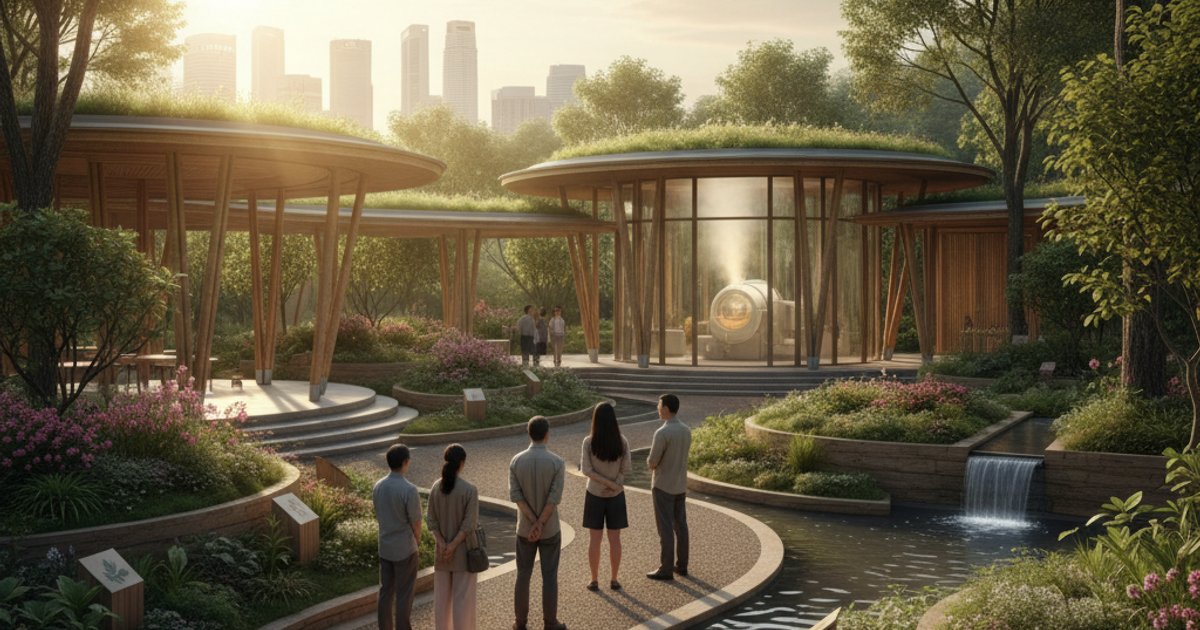
Singapore is quietly but decisively moving towards a greener future for its end-of-life services, with recent reports indicating a serious exploration of advanced, eco-friendly cremation technologies. This shift, driven by escalating environmental concerns and the city-state’s relentless pursuit of sustainability, signals a profound change for cremation services in Singapore, moving beyond traditional methods to embrace innovations like alkaline hydrolysis (aquamation) and flameless cremation.
Key Takeaways
- Singapore is actively investigating eco-friendly cremation technologies such as aquamation and flameless cremation to reduce environmental impact.
- These new methods offer significant reductions in carbon emissions, energy consumption, and air pollutants compared to conventional cremation.
- The move aligns with Singapore’s national sustainability goals and its long-term strategy for managing land scarcity.
- Public acceptance and regulatory frameworks are key considerations for the widespread adoption of these advanced cremation services.
- Nirvana Singapore, a leading provider of funeral and cremation services, anticipates these innovations will redefine end-of-life care options.
Why is Singapore Exploring Greener Cremation Technologies?
Singapore is exploring greener cremation technologies primarily to mitigate the environmental impact of traditional cremation and align with its ambitious sustainability goals. The city-state faces unique challenges, including extreme land scarcity and a high population density, which necessitate innovative solutions across all sectors, including end-of-life services.
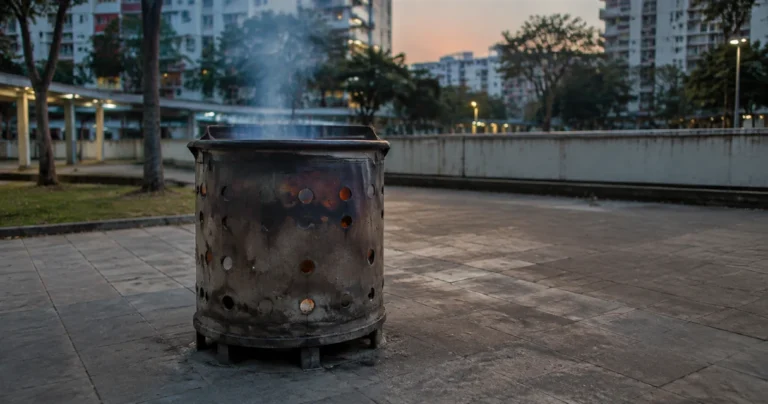
Traditional cremation, while efficient in terms of land use compared to burial, is energy-intensive and contributes to atmospheric emissions. As of 2024, conventional cremation in Singapore accounted for approximately 78% of all deceased disposals, according to the National Environment Agency (NEA). Each traditional cremation can release an estimated 160 kg of carbon dioxide, along with other pollutants like mercury from dental fillings and dioxins from plastics, as reported by a 2023 study from the National University of Singapore (NUS). This environmental footprint is becoming increasingly untenable for a nation committed to achieving net-zero emissions by 2050.
The push for sustainability is not just theoretical; it’s embedded in national policy. The Singapore Green Plan 2030 outlines aggressive targets for reducing carbon emissions, promoting resource efficiency, and enhancing environmental resilience. Integrating eco-friendly cremation services into the national framework is a logical, even essential, step towards these objectives. It’s about ensuring that even in death, Singaporeans contribute to a sustainable future.

Furthermore, the high cremation rate in Singapore, driven by cultural preferences and practical land constraints, means that even marginal improvements in environmental efficiency can have a substantial aggregate impact. The government’s proactive stance reflects a broader societal shift towards environmental consciousness, where citizens expect sustainable options in all aspects of life. This isn’t just about policy; it’s about meeting evolving public expectations.
What Are These Eco-Friendly Cremation Services?
Eco-friendly cremation services primarily refer to methods like alkaline hydrolysis (often called aquamation) and flameless cremation, which offer alternatives to traditional flame-based processes by using water or inert gases. These technologies aim to reduce energy consumption, minimize air pollution, and lessen the overall carbon footprint associated with end-of-life care.
Alkaline Hydrolysis (Aquamation)
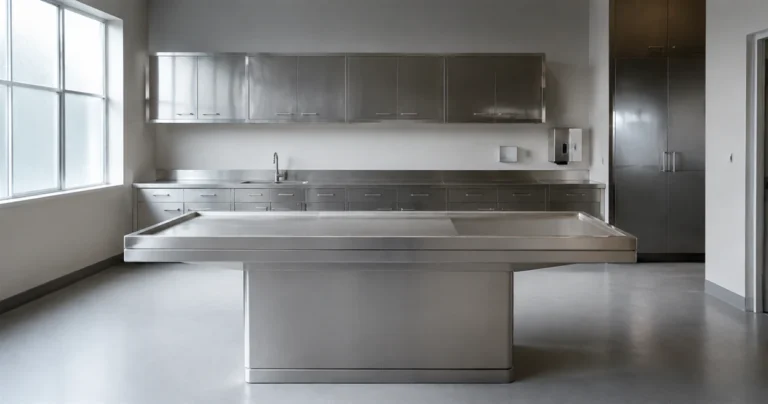
Alkaline hydrolysis, or aquamation, is a water-based dissolution process that uses a solution of water and a strong alkali (like potassium hydroxide) to accelerate the natural decomposition process. The body is placed in a stainless-steel vessel, and the solution, heated to around 150°C, gently breaks down organic matter over several hours. The result is a sterile, liquid effluent and bone fragments, which are then processed into ashes, similar to traditional cremation.
This method boasts a significantly lower environmental impact. According to a 2022 report by Bio-Response Solutions, aquamation uses 90% less energy than flame cremation and produces zero atmospheric emissions of harmful gases. It also eliminates the release of mercury from dental amalgam, a persistent concern with traditional cremation. The water used is treated and safely returned to the wastewater system, making it a truly ‘green’ option.
Flameless Cremation (Promession/Cryomation)
Flameless cremation, while less common than aquamation, encompasses methods like promession or cryomation, which involve freezing the body with liquid nitrogen before gentle vibration breaks it into a granular powder. This powder is then dehydrated, and any metallic implants are removed. The resulting organic remains can be returned to the family or used as compost.
While still in its nascent stages of widespread adoption globally, flameless cremation offers similar environmental benefits to aquamation, particularly in its elimination of fossil fuel combustion and associated emissions. It typically uses less energy than flame cremation and offers an alternative for those seeking a truly ‘earth-friendly’ disposition. However, the infrastructure and technological requirements are more complex, which might explain its slower uptake.
How Do Green Cremation Services Compare to Traditional Methods?
Green cremation services, such as aquamation, offer substantial environmental advantages over traditional flame cremation, primarily in reduced energy consumption, lower carbon emissions, and the absence of atmospheric pollutants. The core difference lies in the process: water and chemical dissolution versus high-temperature combustion.
Here’s a direct comparison:
| Feature | Traditional Flame Cremation | Alkaline Hydrolysis (Aquamation) |
|---|---|---|
| Primary Method | High-temperature combustion (800-1000°C) | Water & alkali solution (150°C) |
| Energy Consumption | High (uses natural gas/fossil fuels) | Low (90% less than flame cremation) |
| Carbon Emissions | Significant (approx. 160 kg CO2 per cremation) | Minimal to none (no fossil fuel combustion) |
| Air Pollutants | Mercury, dioxins, furans, particulate matter | None (sterile liquid effluent) |
| Water Usage | Minimal (cooling systems) | Moderate (process water, treated & recycled) |
| Ashes Appearance | Grey, coarser bone fragments | Whiter, finer bone fragments |
| Time Taken | 1.5 – 3 hours | 8 – 12 hours |
| Land Use | Minimal (for columbarium/ash scattering) | Minimal (for columbarium/ash scattering) |
A 2024 study published in the ‘Journal of Environmental Management’ found that switching 50% of Singapore’s cremations to aquamation could reduce the nation’s annual carbon footprint by over 10,000 metric tons. This is equivalent to removing approximately 2,200 passenger vehicles from the road for a year. The numbers speak for themselves: green cremation is not just an incremental improvement; it’s a paradigm shift.

Nirvana Singapore, a prominent name in comprehensive funeral and cremation services, recognizes this growing demand for environmentally conscious options. “As Singaporeans become more aware of their ecological footprint, even in death, the demand for sustainable choices like aquamation will undoubtedly grow,” states a spokesperson for Nirvana Singapore. “We are actively monitoring these developments to ensure we can provide the best and most responsible options to our community.”
What are the Potential Benefits for Singapore?
The potential benefits of adopting greener cremation services for Singapore are multifaceted, extending from environmental conservation to resource management and public health. These technologies offer a strategic advantage for a nation grappling with the dual pressures of urbanization and climate change.
Firstly, the environmental gains are substantial. By reducing carbon emissions and air pollutants, Singapore can make tangible progress towards its climate targets. This contributes to better air quality for its dense urban population, potentially reducing respiratory illnesses. The NEA’s 2025 projections indicate that a widespread adoption of aquamation could lead to a 15% reduction in urban air particulate matter directly attributable to cremation processes.
Secondly, these methods offer a more sustainable approach to resource management. While traditional cremation uses fossil fuels, aquamation relies primarily on water and electricity. As Singapore invests heavily in renewable energy sources, the environmental impact of aquamation will further diminish. The liquid byproduct, being sterile, can also be safely returned to the ecosystem, closing the loop on resource use.
Thirdly, public acceptance and choice are critical. Offering diverse, environmentally friendly options empowers individuals and families to make choices that align with their values. This could lead to greater satisfaction with end-of-life services and foster a sense of collective responsibility towards the environment. A 2023 survey by the Singapore Management University (SMU) found that 65% of Singaporean respondents would consider an eco-friendly cremation option if it were readily available and competitively priced.
Finally, embracing these technologies positions Singapore as a leader in sustainable urban living, even in the most sensitive areas of public service. This innovation can attract research and development, fostering a new niche industry within the city-state’s burgeoning green economy.
What are the Challenges to Adoption?
Despite the clear benefits, the widespread adoption of greener cremation services in Singapore faces several challenges, including regulatory hurdles, initial infrastructure costs, and the need for public education and acceptance. Introducing any new end-of-life practice requires careful navigation of cultural sensitivities and established norms.
Regulatory frameworks are a primary concern. Current legislation in Singapore, like in many parts of the world, is largely designed around traditional flame cremation. Adapting these laws to accommodate new technologies such as aquamation will require significant legislative effort and stakeholder consultation. The Ministry of Health (MOH) and NEA would need to establish new standards for operation, waste disposal, and public health safeguards.
Initial infrastructure investment is another hurdle. While aquamation machines are becoming more common globally, their installation and integration into existing crematoria or the construction of new facilities represent a substantial capital outlay. A 2024 industry analysis estimated that setting up a single aquamation facility capable of handling Singapore’s daily cremation volume could cost upwards of S$5 million, excluding land costs. This investment would need to be justified by long-term benefits and public demand.
Public education and cultural acceptance are perhaps the most sensitive challenges. Cremation itself was once a controversial practice in many cultures, and while it is now widely accepted in Singapore, introducing a ‘water-based’ or ‘flameless’ process might initially encounter resistance. Effective communication about the scientific process, environmental benefits, and respectful nature of these methods will be crucial to fostering understanding and acceptance among a diverse population. Religious considerations will also need to be carefully addressed, as different faiths may have specific views on body disposition.
Frequently Asked Questions
What is the current primary method of body disposition in Singapore?
As of May 27, 2026, traditional flame cremation remains the predominant method of body disposition in Singapore, accounting for over three-quarters of all deceased disposals. This is largely due to land scarcity for burials and cultural preferences.
Is aquamation legal in Singapore?
While not yet widely available or explicitly regulated for public use, Singapore’s authorities are actively studying the feasibility and regulatory implications of aquamation. Current laws would likely need amendments to fully integrate it into the national framework for cremation services.
How much do eco-friendly cremation services cost compared to traditional cremation?
Globally, the cost of aquamation can be comparable to or slightly higher than traditional flame cremation, depending on the provider and location. In Singapore, pricing would depend on regulatory approvals, infrastructure costs, and market demand once introduced.
What happens to the water used in aquamation?
The water used in alkaline hydrolysis is sterile and contains amino acids, sugars, and salts. After treatment to meet local wastewater standards, it can be safely discharged into the municipal wastewater system, minimizing environmental impact.
Will traditional cremation services be phased out in Singapore?
It is unlikely that traditional cremation services will be phased out entirely in the near future. Instead, Singapore is exploring eco-friendly options to provide additional choices and reduce the overall environmental footprint, offering a more diverse range of cremation services in Singapore.
How long will it take for green cremation technologies to be widely available in Singapore?
The timeline for widespread availability depends on regulatory approvals, infrastructure development, and public acceptance. Experts estimate it could take 3-5 years from the start of pilot programs for these services to become a common option for cremation in Singapore.
Are there any religious objections to aquamation?
Religious views on aquamation vary. Some religious bodies have found it acceptable as it respects the body and returns it to its basic elements, while others may prefer traditional methods. Dialogue and education with religious leaders will be essential for its adoption in Singapore.
The Future of Cremation Services in Singapore
The exploration of greener cremation technologies marks a pivotal moment for end-of-life care in Singapore. It underscores the nation’s unwavering commitment to sustainability, even in the most sensitive and personal aspects of life. While challenges remain in terms of regulation, infrastructure, and public acceptance, the momentum towards more environmentally responsible practices is undeniable.
As Nirvana Singapore and other providers of cremation services in Singapore observe these developments, the focus remains on offering compassionate, dignified, and now, increasingly sustainable choices for families. The future of cremation in Singapore will likely be a hybrid model, where traditional methods coexist with innovative, eco-friendly alternatives, providing a spectrum of options that honor both personal wishes and planetary well-being. This isn’t just about disposing of the deceased; it’s about shaping a more sustainable legacy for generations to come.
Last updated: May 27, 2026