How Families Find Closure Through Rituals
Loss hits you in waves. One moment you function. The next, life feels chaotic and the pain returns. Grief has no schedule. But rituals do. For centuries, families have used intentional, symbolic practices to honour their loved ones, move through pain, and find closure. This article shows you exactly how families find closure through rituals, backed by psychology, grounded in real life, and practical enough to start today. Read on to discover what works, why it works, and how to build your own.
What Does Closure Really Mean After Losing Someone?
Many people believe closure means forgetting. It does not.
Closure is the emotional shift that lets you cherish a memory without being crushed by it. A psychologist would describe it as a process, not a destination. You do not arrive one day and stay there. You build it, layer by layer, through intentional action.
A ritual is any intentional, repeated action that carries symbolic meaning. It creates a sacred space between the past and the present. It gives you a way to let go while still staying connected.
When a family gathers to light a candle on an anniversary, tells stories at the dinner table, or returns to a special place each year, they are practicing closure rituals, whether they name it that or not.
Research confirms what families have known for centuries: structure helps. Ceremony helps. Family support through shared ritual helps most of all.
| Key Insight
Closure is not about forgetting. It is about finding a way to carry your loved one with you while still moving forward with your life. Rituals give grief a place to live outside of you. |
The Psychology of How Families Find Closure Through Rituals
The connection between ritual and healing is not just cultural. It is biological.
How Rituals Regulate the Nervous System
Grief activates the body’s stress response. The nervous system floods with cortisol. You feel overwhelmed, disoriented, or numb. Rituals interrupt this cycle. A predictable, repeated action signals safety to the brain.
This is where Polyvagal theory becomes relevant. Developed by neuroscientist Stephen Porges, this framework explains how social connection and safe, familiar actions bring the nervous system out of a trauma response. Rituals are a form of that safety. They are routine made meaningful.
What Psychologists Say About Grief and Ritual
A study in the Journal of Experimental Psychology found that people who performed rituals after loss reported lower grief levels and greater feelings of control. The ritual did not need to be religious. What mattered was the intention behind it.
According to the American Psychological Association’s guide on grief, rituals serve as anchors. They give structure to emotion that would otherwise feel shapeless.
Therapists who work with bereaved families consistently find that shared rituals reduce the risk of unresolved grief and psychological trauma. The act of gathering, speaking, and performing a shared action tells the brain: we are doing this together. That sense of collective experience is central to how families find closure through rituals.
| Did You Know?
Studies show rituals reduce emotional pain even when people do not believe they carry spiritual power. The act of doing something intentional is enough to shift emotional state. Intention is the active ingredient. |
How Families Find Closure Through Rituals at a Funeral
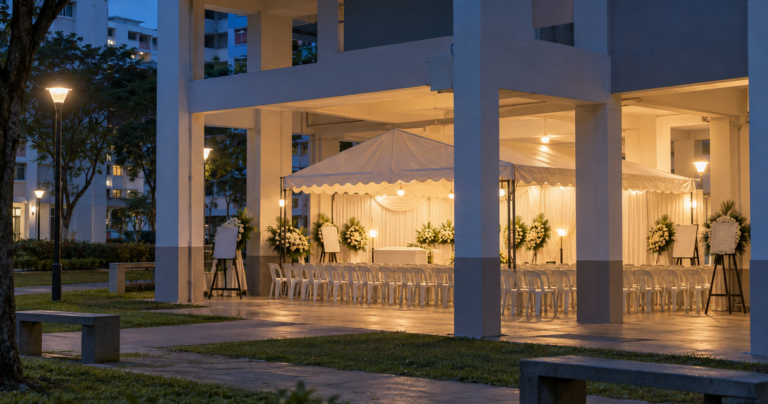
The funeral is often the first formal ritual after a death. It creates a defined moment in time, a ceremony that says: this loss is real, and we are acknowledging it together.
Understanding the funeral process in Singapore helps families make decisions that feel aligned with their values and culture. Every choice, from the music to the words spoken, is part of the ritual.
If you are unsure where to start, reading about how to arrange a funeral in Singapore gives you a clear path through a difficult process. It also helps to know what to do when someone passes away in Singapore to manage immediate steps with less overwhelm.
Common Funeral Rituals and Their Emotional Purpose
| Ritual | Emotional Purpose | Best For | Cultural Context |
| Candle lighting | Marks the presence of the loved one symbolically | All family members | Multi-cultural |
| Storytelling circle | Preserves memory through shared narrative | Gatherings and reunions | Universal |
| Food or flower offering | Honours the spirit and formalises goodbye | Buddhist, Taoist, Hindu families | Asian traditions |
| Prayer and scripture reading | Brings comfort through faith and community | Christian, Muslim, Hindu families | Religious traditions |
| Balloon or paper boat release | Creates a tangible moment of letting go | Children and young adults | Contemporary |
| Planting a tree or garden | Creates a living, ongoing memorial | Families wanting lasting connection | Universal |
Each ritual makes grief tangible. It gives the family something to do with their pain. To explore which options best match your family’s traditions, visit the best funeral services in Singapore.
Light a Candle: The Power of Simple Closing Rituals
You do not need a large ceremony to create a closing ritual. Sometimes the most meaningful ones are the simplest.
When you light a candle in memory of someone, you are doing several things at once:
- Creating a sacred space inside daily life
- Signalling to your body that this moment is intentional
- Directing your attention toward grief instead of pushing it away
- Letting love take a visible, tangible form
The act of lighting a candle is one of the most adaptive rituals available to families. It works across cultures, religions, and age groups.
Other simple rituals that bring comfort:
- Writing a letter to your loved one and reading it aloud
- Cooking a meal they loved and eating it together as a family
- Drawing pictures, especially for children who cannot yet express grief in words
- Visiting a place that held meaning for them
- Playing their favourite song and sitting quietly with it
What makes any of these powerful is the intention you bring to them. Ritual without intention is just routine.
For families navigating practical decisions, it helps to understand what happens after cremation in Singapore. Knowing the steps reduces overwhelm and creates space for the ritual itself.
| Quick Tip
Choose one small ritual and commit to it for 30 days. Consistency is what turns a single action into a meaningful practice. Same gesture, same time, same intention. That repetition is where the healing lives. |
Intergenerational Rituals: Practices Passed Down Through Generations
Some of the most powerful rituals are not invented. They are inherited.
When a grandmother tells her grandchildren stories about their grandfather, when a family gathers every Qingming to tend a grave, when a mother bakes the same dish her own mother made, something important is happening. These are intergenerational rituals. They transcend a single life and connect family members across generations.
They serve two functions at once:
- They honour the person who has passed
- They remind us that we are part of something larger than ourselves
Storytelling is one of the most effective of these rituals. When older family members share memories with younger ones, they are not just preserving history. They are building intimacy and trust within the family. Research shows that children who know their family’s stories are more emotionally resilient. They develop a stronger sense of purpose and identity.
For families who observe different religious customs, understanding the religious views on cremation in Singapore can help you honour traditions that have been passed down through your own lineage.
Even when burial practices change over time, the rituals of remembrance can remain constant. If your family is weighing options, the resource on burial vs cremation: a practical comparison for Singapore families helps you make a decision that aligns with your family’s values and ritual practices.
How Rituals Help Children and Family Members Grieve
Children grieve differently from adults. They may not have the words. But they still feel the loss.
Rituals give children a way to cope without needing language. A child who draws a picture for a grandparent, who helps plant a flower, or who participates in lighting a candle is processing emotion through action.
This is why therapists encourage parents to include children in funeral ceremonies. Exclusion can create confusion and unresolved feelings that resurface much later in life.
Age-appropriate rituals for children include:
- Drawing pictures of their loved one and keeping them in a special place
- Creating a memory box filled with photos and small mementos
- Helping to choose flowers or music for a ceremony
- Sharing one happy memory at the dinner table
- Participating in cultural or religious customs with adult guidance
For the whole family, shared rituals create a container for grief. They signal: it is okay to feel this. We are feeling it together.
After the funeral, ongoing rituals at the memorial services and columbarium after-care stage help family members stay connected over the long term.
The grief recovery insights from Psychology Today also support this approach, showing that structured practices reduce the risk of prolonged grief disorder in both adults and children.
How Families Find Closure Through Rituals on Special Occasions
Grief does not disappear after the funeral. It returns on special occasions.
A birthday without your loved one. A graduation they did not see. A wedding, a holiday, a season. These moments carry the weight of absence.
Rituals help you formally mark these moments in a way that makes room for both joy and grief. You can honour someone without letting their absence define the entire day.
Ideas for rituals on special occasions:
- Set a place at the table for them on significant days
- Light a candle at the start of family celebrations
- Share one memory of them before a meal
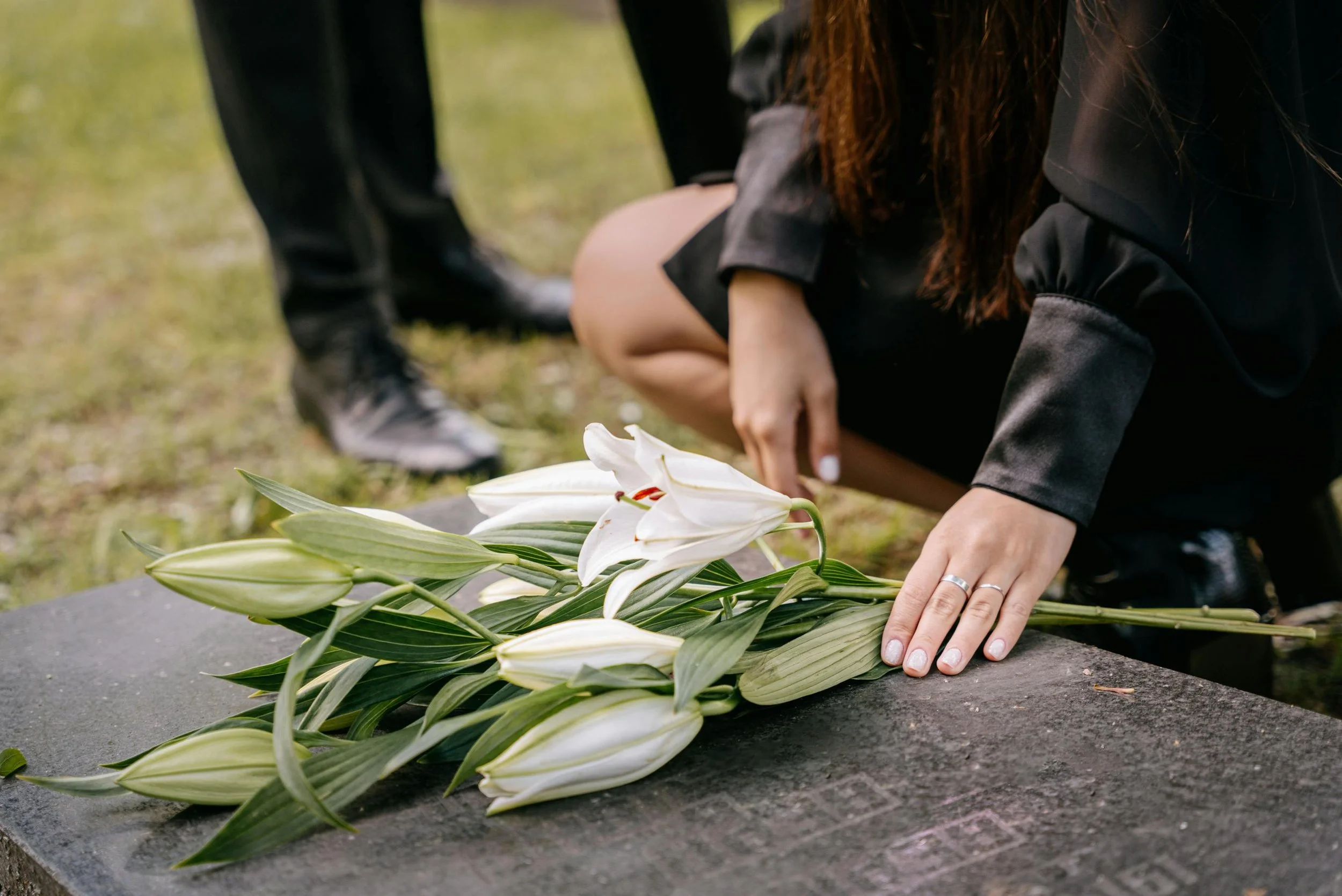
- Visit the columbarium or memorial site on their birthday
- Write them a letter at the start of each new year
- Support a cause they cared about on the anniversary of their passing
These rituals remind us that love does not end with death. They allow you to stay connected while still living your life fully.
For families who want a dedicated, peaceful space for ongoing remembrance, learning how to choose a columbarium niche helps you create a permanent place for ritual and reflection.
Creating Your Own Closure Ritual: A Step-by-Step Guide
You do not need a therapist or a large gathering to create a meaningful ritual. You need intention, time, and the willingness to reflect.
Here is a simple framework for building your own closing ritual:
- Choose a space. A quiet room, a garden, or any place that feels calm and safe to you.
- Set an intention. Ask: what do I want to honour today? What do I want to release?
- Choose a symbolic Light a candle. Hold an object of theirs. Write their name.
- Speak or write. Have the conversation you did not get to finish, or simply express love.
- Pause and sit with it. Do not rush. Give the emotion time to move through you.
- Close with a small gesture. Blow out the candle. Say goodbye. Formally end the ritual to signal your return to daily life.
- Repeat. Same ritual, same time, same intention. Repetition is what transforms action into practice.
Rituals can be done alone or with others. They can be elaborate or simple. Religious or secular. What matters is that they feel meaningful to you.
If your family is managing the financial side of arrangements, comparing affordable vs premium funeral packages in Singapore can help you make a decision without added stress. The quality of a ritual is never determined by cost. It is determined by the care you bring to it.
| Key Insight
A ritual does not need to be religious or elaborate. Any intentional, repeated action that honours your loved one and brings your family together counts as a meaningful closing ritual. |
When Rituals Are Not Enough: Seeking Professional Support
Rituals support healing. But they are not a substitute for professional help when grief becomes too heavy to carry alone.
Signs that you or a family member may need additional support:
- Grief that feels just as raw months or years after the loss
- Inability to function at work, in relationships, or in daily life
- Persistent feelings of guilt, anger, or emotional numbness
- Physical symptoms such as insomnia, appetite changes, or chronic pain
- Children showing prolonged behavioural changes at school or home
A therapist who specialises in grief can help you process psychological trauma, identify unresolved patterns, and build rituals that are tailored to your specific needs. Polyvagal theory-informed therapy is one approach that uses the body’s own signals to guide the healing process.
According to the NHS guidance on grief and bereavement, most people benefit from a combination of social support and professional guidance when navigating significant loss.
You do not need to cope alone. Seeking help is an act of love toward yourself and your family.
Planning Ahead Supports How Families Find Closure Through Rituals
One of the most meaningful gifts you can give your family is preparation.
When the details of a funeral or memorial are already decided, your family has more emotional space to focus on what matters: being present, saying goodbye, and supporting one another.
Understanding what is pre-need funeral planning and why does it matter can help you start this process at your own pace, before grief makes every decision feel overwhelming.
There are clear benefits of advance funeral planning, from financial savings to reduced stress on family members during an already difficult time.
For families making burial-related decisions, it helps to understand how Singapore handles limited burial land and why cremation is increasing in Singapore as a widely accepted and practical option.
Planning ahead is not morbid. It is an act of care. It gives your family the freedom to focus on ritual, memory, and each other, rather than logistics.
Navigating Burial and Exhumation: What Singapore Families Need to Know
For families in Singapore, there are specific practical matters that directly affect how rituals around burial and remembrance are planned.
Understanding the burial period in Singapore and what happens after the burial period ends helps families plan memorial rituals with the right timeline in mind.
Singapore’s land constraints mean that exhumation may eventually be required. Knowing why exhumation is required in Singapore helps families make peace with this reality and plan rituals accordingly. The new burial policy in Singapore gives important context for these decisions.
If your family needs to navigate this process, the grave exhumation and relocation guide, the grave exhumation process in Singapore, and guidance on how to apply for an NEA exhumation permit can make the experience significantly less stressful.
Families with graves at Choa Chu Kang Cemetery can refer to the Choa Chu Kang grave exhumation guide for specific guidance. Information on the cost of grave exhumation in Singapore helps with financial planning.
For ongoing memorial needs, niche relocation and exhumation services offer families a dignified way to continue their rituals of remembrance even as burial arrangements change.
How Different Rituals Support Grief Healing
| Ritual Type | Emotional Benefit | Frequency | Who Benefits Most |
| Candle lighting | Calms the nervous system, creates presence | Daily or weekly | All family members |
| Storytelling circle | Preserves memory, builds family bond | On special occasions | Children and elders |
| Letter writing | Releases unspoken words, supports closure | Monthly or annually | Adults with unresolved grief |
| Drawing pictures | Non-verbal expression of emotion | As needed | Children |
| Memorial site visit | Tangible connection to loved one | Birthdays, anniversaries | Families seeking ongoing connection |
| Shared meal | Builds warmth, honours food memories | Monthly or on special dates | Whole family |
| Nature ritual (planting) | Creates living, growing memorial | Once, with annual visits | Families who grieve outdoors |
Frequently Asked Questions: How Families Find Closure Through Rituals
Do rituals need to be religious to be meaningful?
No. A ritual is meaningful because of the intention behind it, not its religious content. Many families create entirely secular rituals that bring just as much comfort as traditional ones.
How soon after a death should we start rituals?
There is no right time. The funeral itself is often the first ritual. After that, small daily or weekly rituals can begin as soon as your family is ready. There is no deadline for healing.
What if family members disagree on what rituals to observe?
This is common across generations and cultural backgrounds. Start with one ritual everyone can agree on. A shared meal. A candle. A moment of silence. Build from there as trust and communication grow.
Can rituals help with trauma, not just grief?
Yes. Rituals that include physical, sensory elements such as touch, warmth, or light engage the nervous system directly. They are particularly helpful when grief is accompanied by psychological trauma. A trained therapist can help you design rituals that specifically support trauma recovery.
How do I help a child participate in grief rituals?
Keep it simple and age-appropriate. Let them choose one small action: drawing pictures, placing a flower, or helping to light a candle. Including them gives them agency during a time that can feel very out of control.
Is it healthy to maintain rituals for many years after a death?
Absolutely. Long-term rituals are a healthy way to stay connected to a loved one. They are different from avoidance. They allow grief to be present without being overwhelming. Many families maintain rituals for a lifetime, and they evolve naturally as healing deepens.
| Final Thought
Rituals do not take away the pain of loss. They give the pain a place to live that is not inside you all the time. They create a moment where grief is welcomed, honoured, and then gently released. That is how families find closure through rituals: not by forgetting, but by learning to remember with love. |
Further Resources for Singapore Families
If you are managing funeral arrangements, reviewing funeral packages in Singapore gives you a clear overview of your options.
You can also explore the cremation process in Singapore and the practical difference between cremation vs burial in Singapore to make a choice that fits your family’s ritual values.
For families following specific faith traditions, the religious customs for cremation in Singapore resource ensures your rituals stay aligned with your beliefs.
Understanding the cost of funeral services in Singapore in advance removes one layer of stress from an already difficult time.
Nirvana Singapore offers compassionate guidance at every stage. Visit their full resource on how to choose the best funeral services in Singapore to find the right support for your family.