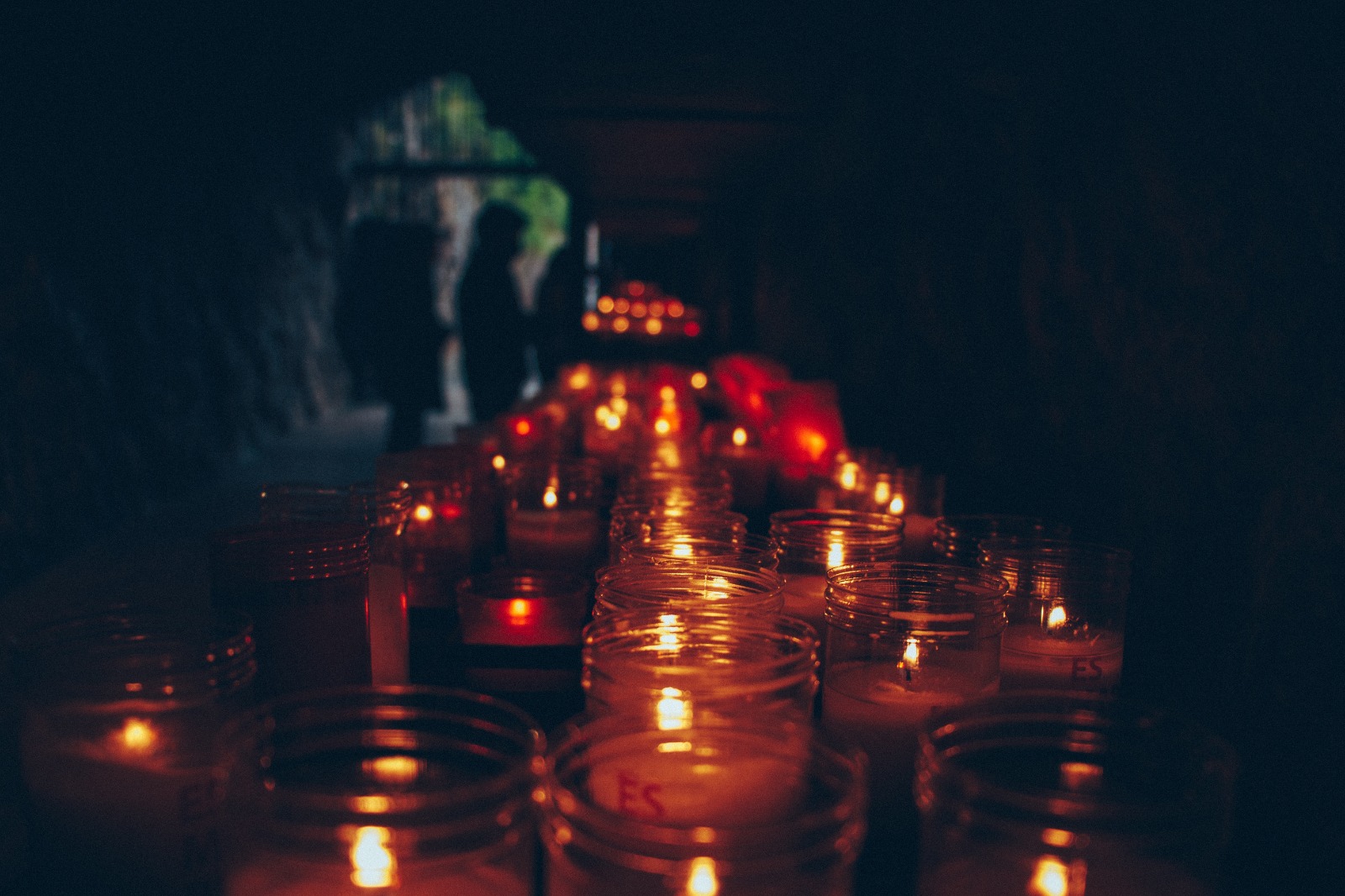
Night Exhumation Rituals Explained: A Complete Guide for Singapore Families
Introduction: When the Ground Must Give Back What It Holds
Most families only encounter the word “exhumation” once—and rarely on a day they are prepared for. Whether a government notice arrives in the mail or a burial period quietly expires, the reality of unearthing a loved one from the earth carries enormous emotional and logistical weight. Singapore’s unique land constraints have made grave exhumation a structured, regulated practice—and the rituals surrounding it, especially those conducted after sunset, reflect a profound cultural and spiritual significance. This guide explains night exhumation rituals explained step by step, so families can face the process with clarity, dignity, and informed confidence.
What Is Grave Exhumation? Night Exhumation Rituals Explained from the Ground Up
Grave exhumation—also called disinterment—is the formal process of removing human remains from a burial plot. In Singapore, this practice is governed by the National Environment Agency (NEA) and has become an increasingly common occurrence due to the country’s severe land scarcity and the policies designed to manage it efficiently and respectfully.
Exhumation is not merely a physical act. For most Singapore families, particularly those of Chinese, Buddhist, or Taoist heritage, it is accompanied by a rich series of rituals, prayers, and ceremonial observances—many of which are specifically performed at night.
Why Night? The Cultural Logic Behind After-Sunset Exhumations
One of the most distinctive features of the night exhumation rituals explained here is the timing. The actual unearthing of remains is traditionally performed after sunset. This is deeply rooted in Chinese cosmological belief:
- Yin and Yang Balance: Chinese tradition holds that the realm of the departed belongs to Yin energy (darkness, night, stillness), while the living inhabit the Yang realm (daylight, activity). Performing exhumation at night prevents a collision of these opposing forces, protecting both the living and the spirit of the deceased.
- Spiritual Respect: Darkness is considered a veil of privacy and reverence, allowing the spirit to transition peacefully without the disturbance of full daylight activity.
- Auspiciousness: The hours around and after sunset are considered the most propitious time for the physical transition of remains—a moment when the living and spiritual worlds are temporarily aligned.
For non-Chinese families, including Christians and Catholics, exhumation can sometimes be conducted at different hours, though many funeral service providers still recommend dusk or evening for logistical and respectful reasons.
Why Exhumation Happens: Singapore’s New Burial Policy
Before understanding night exhumation rituals explained in full, it’s important to grasp why exhumation is necessary in Singapore at all. The answer lies primarily in government policy and land use.
Singapore’s New Burial Policy, introduced in 1998, limits burial plots to a maximum period of 15 years. After that period, the grave must be exhumed, and the remains must either be:
- Cremated and placed in a columbarium niche
- Re-interred in a smaller burial plot (for certain religious groups)
- Repatriated to the deceased’s home country (for foreigners)
- Scattered at sea (with proper permission)
This policy was designed to address Singapore’s critical shortage of land. With a total land area of around 734 square kilometres and a growing population, every plot of earth must be managed with extraordinary precision. Cemeteries, no matter how culturally significant, are no exception.
To understand the full context of why exhumation is required and what happens after a burial period ends, families can visit these informative resources from Nirvana Singapore:
Learn more: Why Exhumation Is Required in Singapore
Also read: What Happens After the Burial Period Ends
See also: Singapore’s New Burial Policy Explained
Burial Period Quick Reference Table
| Category | Burial Period | After Expiry | Policy Reference |
| Standard Burials (CCK) | 15 years | Exhumation required | New Burial Policy 1998 |
| Muslim Burials | 15 years | Re-interment preferred | NEA Guidelines |
| Christian/Catholic Graves | 15 years | Cremation or reburial | NEA/Church approval |
| Government-Ordered Exhumation | Variable | NEA notice issued | Land redevelopment |
Night Exhumation Rituals Explained: The Full Step-by-Step Process
Now we turn to the heart of this guide: night exhumation rituals explained from preparation to final rites. While specific customs vary by religion and family, the following structure represents the most commonly observed process in Singapore, particularly for families of Chinese descent.
Step 1: Site Survey and Documentation
Before any exhumation can proceed, a licensed funeral service provider or exhumation contractor conducts a site survey at the cemetery. This visit serves to:
- Photograph and document the grave location and tombstone condition
- Verify the deceased’s burial information matches records
- Assess the condition of the burial site for the recovery of remains
- Identify the structural state of the grave to plan the physical exhumation
Step 2: Selecting an Auspicious Date
After the site survey, the family works with the funeral director—and often a Feng Shui master or Shifu (chanting master)—to select a propitious date for the exhumation. Typically, the service provider will present five to seven possible dates, factoring in:
- The Chinese almanac (Tong Shu) for auspicious days
- Avoidance of ghost month (the 7th lunar month)
- Family member availability
- NEA scheduling availability
Step 3: Applying for the NEA Exhumation Permit
In Singapore, no exhumation can take place without official approval. The NEA exhumation permit is a legal requirement, and your funeral service provider will typically handle this application on your behalf. Required documentation may include:
- Deceased’s death certificate and NRIC
- Proof of relationship to the deceased
- Burial plot reference number
- Signed consent from next-of-kin
For a full walkthrough of the permit process, see: How to Apply for NEA Exhumation Permit in Singapore
Step 4: Tombstone Removal (7–10 Days Before Exhumation)
Approximately one to two weeks before the scheduled exhumation date, the tombstone is hacked and removed. This preparatory step is logistically necessary but also spiritually significant—it signals to the spirit that a transition is coming. Some families choose to hold a small prayer at this stage.
Step 5: The Groundbreaking Ceremony (Days Before the Exhumation)
A few days before the actual exhumation—sometimes on a separate auspicious day—a Groundbreaking Ceremony is conducted at the grave site. This is one of the most ritually significant elements in night exhumation rituals explained from a cultural perspective. Key elements include:
- The Shifu or monk/priest knocks on the tombstone to symbolically notify the spirit that exhumation will begin
- Incense is burned and offerings are made
- Prayers are chanted to seek blessings and protection for all involved
- The gravedigger may also ask for spiritual protection before beginning preparatory work
Step 6: The Night Exhumation — After Sunset
This is the ceremonial heart of the night exhumation rituals explained process. Once the sun sets, family members and close relatives gather at the grave site. The atmosphere is solemn, purposeful, and deeply respectful. Here is what happens:
- Family members gather and join the Shifu in opening prayers
- The Shifu conducts chanting ceremonies to guide the spirit peacefully
- Licensed exhumation workers carefully open the grave
- Remains are gently exhumed—traditionally referred to in Cantonese as “picking of gold” (拾金, shí jīn), reflecting the preciousness of the ancestral bones
- Remains are washed with rice wine (米酒) to cleanse and purify them
- The bones are carefully arranged, dried, and wrapped in red cloth
- A red umbrella is held over the remains to protect them from direct elements
- The exhumed remains are packed with reverence, often with auspicious items
- The grave site is cleared of debris and filled with fresh soil
Family members are actively encouraged to witness this process. The presence of living descendants is considered both an act of filial piety and a spiritual necessity—their loving energy supports the spirit’s peaceful transition.
Ritual Items Used During Night Exhumations
| Item | Significance | Used In Stage |
| Red Cloth | Wrapping the remains—symbolises honour and protection | During exhumation |
| Red Umbrella | Shields remains from sunlight and evil forces | Transport of remains |
| Rice Wine (米酒) | Purification and cleansing of the bones | After exhumation |
| Incense Sticks | Communication bridge between living and departed | Throughout all ceremonies |
| Paper Offerings | Provisions for the spirit in the afterlife | Groundbreaking & final prayers |
| Red Plate | Used during cremation rites | Cremation ceremony |
| Urn | Final vessel for cremated remains | Post-cremation |
After the Exhumation: Cremation, Relocation, and Final Rites
Once the remains are exhumed, the process moves into its final chapters. Depending on the family’s religious background and personal preferences, two primary paths are available.
Path 1: Cremation and Columbarium Placement
The majority of exhumed remains in Singapore are taken to a crematorium, where the bone-picking and cremation ceremony takes place. This is done with the Shifu in attendance, who continues chanting throughout. Following cremation:
- The Shifu and escorts assist families with bone-picking (picking significant bone fragments from the ashes)
- The cremated remains are carefully placed into an urn
- A red umbrella protects the urn during transport to prevent exposure to direct sunlight
- The urn is transported to a columbarium—either public (Mandai Columbarium) or private (such as Nirvana Columbarium)
Learn more about the full process: What Happens After Cremation in Singapore
Understand costs involved: Cremation Process in Singapore
Path 2: Re-Interment in a New Burial Plot
Some families—particularly Muslim families whose faith traditions generally do not permit cremation—opt to re-inter the remains in a fresh burial plot. This option requires additional land availability and is governed by specific NEA regulations. The remains are placed in a new casket and re-buried with appropriate religious rites.
Compare your options: Cremation vs Burial in Singapore
See also: Burial vs Cremation: A Practical Comparison for Singapore Families
The Final Prayer at the Columbarium
Whether remains are cremated or re-interred, the process concludes with a Final Prayer Ceremony at the new resting place. At the columbarium, the Shifu conducts departure prayers that:
- Welcome the spirit to its new home
- Assure the deceased of peace and comfort in the new location
- Provide the family with spiritual closure
- Officially mark the completion of the exhumation and relocation process
Religious Variations in Night Exhumation Rituals Explained Across Faiths
Singapore is a multi-religious society, and exhumation rituals reflect that diversity. Understanding how different faiths approach this process can help families who may be unfamiliar with certain practices or who are navigating a multi-faith family dynamic.
| Religion | Exhumation Timing | Key Rituals | Post-Exhumation |
| Chinese Buddhist/Taoist | After sunset (strict) | Groundbreaking, bone-picking, Shifu chanting | Cremation + Columbarium |
| Christian/Catholic | Flexible (dusk preferred) | Prayers, Scripture reading | Cremation or reburial |
| Muslim | Variable (as per MUIS) | Islamic prayers, no cremation | Re-interment only |
| Hindu | Flexible | Vedic prayers, priest-led rites | Cremation preferred |
For more on how religion shapes end-of-life choices: Religious Views on Cremation in Singapore
Choa Chu Kang Cemetery: Singapore’s Primary Exhumation Ground
Choa Chu Kang (CCK) Cemetery is the only active public cemetery in Singapore. It houses burial sections for multiple religious groups and is the focal point of most exhumation activity under NEA’s phased land development programmes.
In 2017, the Singapore government announced plans to exhume over 80,000 graves at Choa Chu Kang to make way for the Tengah Airbase expansion. This large-scale operation brought the topic of night exhumation rituals explained to public attention in a significant way, as tens of thousands of families received NEA notices and had to navigate the process for the first time.
Full guide: Choa Chu Kang Grave Exhumation Guide
Understand the regulations: Burial Period in Singapore
What Happens if You Don’t Claim the Remains?
When NEA issues an exhumation notice, families must respond by a stated deadline. If the remains are unclaimed:
- The government proceeds with the exhumation
- Ashes are kept for three years
- After three years, they are scattered at sea
It is always advisable to respond promptly and engage a trusted funeral service provider to handle the process with appropriate care and ritual.
How Much Does Grave Exhumation Cost in Singapore?
The cost of grave exhumation in Singapore varies depending on several factors, including whether the exhumation is government-initiated or privately arranged, the services engaged, and the final disposition of remains.
Approximate Cost Breakdown
| Service Component | Estimated Range (SGD) | Notes |
| NEA Permit Application | Minimal (admin fees) | Usually handled by provider |
| Exhumation Labour & Equipment | $800 – $2,500 | Varies by grave condition |
| Shifu/Monk Ceremonies | $300 – $1,000 | Religion-dependent |
| Cremation Service | $300 – $800 | Public vs. private crematorium |
| Urn Purchase | $100 – $1,500+ | Material and design vary widely |
| Columbarium Niche (private) | $1,500 – $15,000+ | Location and tier dependent |
Note: These figures are indicative. For a detailed and accurate cost estimate, consult a licensed funeral service provider directly.
For detailed pricing: Cost of Grave Exhumation in Singapore
Grave Exhumation and Relocation: Choosing the Right Service Provider
Selecting a professional, experienced, and compassionate service provider is the single most important decision families make when managing an exhumation. The right provider will not only handle all the legal and logistical complexities—they will also guide your family through the spiritual and ceremonial dimensions of night exhumation rituals explained in ways that honour your beliefs and your loved one’s memory.
What to Look for in an Exhumation Service Provider
- NEA-licensed and fully compliant with Singapore regulations
- Experienced in multi-faith exhumation ceremonies
- Provides personal escort and accompanies family throughout the process
- Has in-house Shifus and religious officiants
- Offers transparent pricing with no hidden costs
- Can apply for NEA permits on your behalf
- Has established relationships with crematoria and columbaria
Explore professional services: Grave Exhumation and Relocation in Singapore
Learn about overall funeral services: Best Funeral Services in Singapore
Frequently Asked Questions: Night Exhumation Rituals Explained
Q1: Do all families have to follow night exhumation rituals?
Not all. Night exhumation is specifically tied to Chinese Buddhist and Taoist traditions. Christian, Muslim, Hindu, and secular families may conduct exhumations at different times, though many providers still recommend evening hours out of practical and logistical respect. Consult your service provider about what aligns with your faith.
Q2: Can I choose not to attend the exhumation?
Yes. While family attendance is strongly encouraged—and considered a meaningful act of filial piety—it is not legally required. Your funeral service provider can manage the entire process on your behalf. However, most families find that witnessing the exhumation provides a profound sense of closure.
Q3: What if the remains are poorly preserved?
In some cases, particularly where a body has been buried for many years, remains may be in poor condition. This is not unusual and should not be distressing—the exhumation team is trained to handle all conditions with complete professionalism and dignity. Bone fragments, even partial, are still treated with the highest respect throughout all ritual processes.
Q4: Can I select any date for the exhumation?
Private exhumations allow families to select their preferred date, subject to NEA permit approval. Government-initiated exhumations follow NEA’s scheduled timetable, though families may sometimes negotiate on timing. For Chinese families, the seventh lunar month (Ghost Month) is traditionally avoided for exhumations.
Q5: What happens to the tombstone?
The tombstone is typically removed seven to ten days before the exhumation. Families may choose to retain the tombstone, have it inscribed as a memorial plaque, or allow it to be disposed of. Your service provider will advise on available options.
Planning Ahead: Pre-Arranging Exhumation Services
One growing trend among Singapore families is the pre-arrangement of exhumation and relocation services. Rather than facing this process during an already-difficult time, families who know an exhumation is coming—because of an expiring burial period or a government notice—can plan and arrange everything in advance.
Pre-arrangement benefits include:
- More time to choose auspicious dates and ceremonial preferences
- Ability to compare service providers without time pressure
- Reduced emotional burden when the time arrives
- Cost transparency and financial preparation
Start your planning here: How to Arrange a Funeral in Singapore
For cost overview: Cost of Funeral Services in Singapore
Explore available packages: Funeral Packages in Singapore
Additional Resources and External Reading
For families seeking further information from official and reputable external sources, the following resources provide valuable context:
- Singapore National Environment Agency – Burial and Exhumation: NEA Singapore – Public Cemeteries & Exhumation Guidelines
- Ministry of Health Singapore – End-of-Life Planning: MOH Singapore – Planning Ahead for Death & Funeral Arrangements
- Consumers Association of Singapore (CASE) – Funeral Services: CASE Singapore – Consumer Guide to Funeral Services
Conclusion: Honouring the Departed Through the Night
Night exhumation rituals explained in full reveal something profound: what might appear to an outsider as a solemn and even unsettling process is, at its core, an act of love. The careful selection of an auspicious date, the gathering of family in the quiet hours after sunset, the chanting of a Shifu, the gentle cleaning of bones with rice wine, the red cloth wrapped around ancestral remains—each gesture speaks to a culture that does not abandon its dead, even when the earth must give them back.
Singapore’s New Burial Policy may be a practical response to land scarcity, but the rituals that accompany grave exhumation are anything but bureaucratic. They are a living testament to filial piety, spiritual continuity, and the belief that how we treat our ancestors reflects who we are as the living.
Whether you are facing an imminent NEA exhumation notice, planning ahead for a burial period that is approaching its end, or simply seeking to understand this process for the first time, we hope this guide has brought you clarity, comfort, and confidence.
When you are ready to take the next step, Nirvana Singapore is here to help: Funeral Process in Singapore | What to Do When Someone Passes Away in Singapore | Affordable vs Premium Funeral Packages