By Nirvana Singapore
Updated July 15, 2026
Singapore’s healthcare system is under increasing strain, and it’s not just about bed crunch or emergency room wait times. The ripple effects of a persistent staffing shortage, particularly in palliative and end-of-life care, are now visibly impacting the dignified transition of our loved ones, including the critical process of cremation services Singapore. As of July 15, 2026, recent reports from the Ministry of Health (MOH) and various healthcare providers paint a stark picture: a rapidly aging population is colliding head-on with a deficit of skilled professionals, making an already sensitive time even more challenging for grieving families.
This isn’t just an abstract policy issue. It’s a deeply personal one for anyone who has navigated the complexities of a loved one’s final days. The truth is, the efficiency and compassion with which end-of-life services, including cremation arrangements, are handled often depend on the seamless coordination between hospitals, hospices, and funeral directors. When that coordination falters due to an overburdened system, families bear the brunt.
Key Takeaways
- Singapore’s aging population is driving up demand for end-of-life care, including cremation services.
- Healthcare staffing shortages, especially in palliative care, are creating systemic pressures.
- These shortages can lead to delays and increased stress for families arranging cremation in Singapore.
- Technology and policy adjustments are being explored to mitigate these challenges.
- Nirvana Singapore, a leading provider of funeral and cremation services, emphasizes the need for integrated solutions.
What’s Driving the End-of-Life Care Crunch in Singapore?
The primary driver is demographics, plain and simple. Singapore’s population is aging at an unprecedented rate. According to the Department of Statistics Singapore’s 2023 report, the proportion of citizens aged 65 and above has steadily climbed, and by 2030, nearly one in four Singaporeans will be a senior citizen. This demographic shift naturally translates to a higher demand for palliative care, hospice services, and ultimately, funeral and cremation services.
But the problem isn’t just the numbers; it’s the type of care required. Palliative care is complex, demanding highly skilled nurses, doctors, and allied health professionals who specialize in pain management, emotional support, and intricate care coordination. These aren’t roles that can be filled overnight. Recruitment and retention in these specialized fields have been a persistent headache for healthcare administrators, exacerbated by global competition for talent and the inherent emotional toll of the work.
The Unseen Impact on Cremation Services Singapore
So, how does a shortage of palliative care nurses affect something like cremation services? It’s a fair question, and the connection isn’t always immediately obvious. But from my vantage point, having covered healthcare for years, the links are undeniable.
When hospitals and hospices are understaffed, discharge planning can slow down. Doctors and nurses are stretched thin, meaning less time for detailed discussions with families about post-mortem procedures, paperwork, and the necessary coordination with funeral homes. This can lead to delays in obtaining death certificates, which are a prerequisite for initiating cremation arrangements. I’ve seen situations where families, already reeling from loss, face frustrating holdups simply because the administrative machinery is grinding slowly.

Furthermore, the emotional support component is critical. When healthcare staff are overwhelmed, they have less capacity to guide families through the immediate aftermath of a death. This leaves families feeling more isolated and less prepared to navigate the practicalities, including choosing appropriate cremation services Singapore. A well-supported family is better equipped to make informed decisions, and that support often begins with the healthcare team.
How Do Staffing Shortages Affect Families Directly?
Families directly experience increased stress and potential delays when healthcare staffing is inadequate. Imagine having just lost a parent. You’re grieving, exhausted, and suddenly you’re facing a bureaucratic maze to get the necessary documents for cremation. This is where the system’s cracks become deeply personal.
I’ve spoken to funeral directors who report an uptick in urgent requests from families struggling to get timely information or approvals from hospitals. This isn’t a slight against the dedicated healthcare workers; they’re doing their best under immense pressure. But the reality is, a system operating at or beyond capacity will inevitably have bottlenecks. This can mean longer waits for administrative processes, less personalized guidance, and ultimately, a more drawn-out and emotionally taxing experience for families during a time when they need empathy and efficiency most.
The Role of Funeral Directors in a Strained System
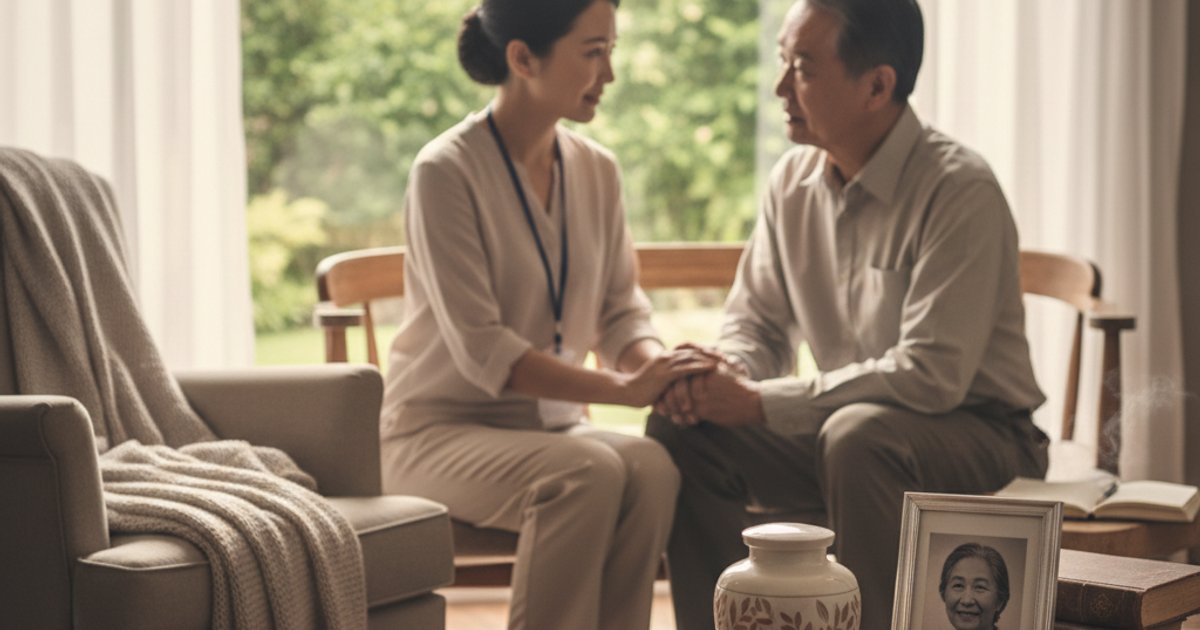
Funeral directors, like those at Nirvana Singapore, often find themselves stepping into the gap. They become not just service providers but also navigators, helping families understand the often-confusing requirements and sometimes even advocating on their behalf with hospitals. It’s an added layer of responsibility that wasn’t always as pronounced, but it’s become increasingly common as the healthcare system strains.
This is where the quality of your chosen cremation service provider really matters. A reputable provider with strong relationships within the healthcare ecosystem and a deep understanding of local regulations can make a world of difference. They can anticipate potential delays and proactively guide families, easing some of the burden.
What Solutions Are Being Explored to Ease the Pressure?
Addressing these systemic pressures requires a multi-faceted approach, and thankfully, Singapore isn’t standing still. The Ministry of Health has been actively working on several fronts, from increasing training capacities to exploring technological solutions.
One key area is workforce development. MOH has ramped up efforts to attract and retain healthcare professionals, including those specializing in palliative care. This includes scholarships, career conversion programmes, and initiatives to improve work-life balance. For example, the National Centre for Clinical Research (NCCR) reported in 2024 a 15% increase in nursing school intake compared to five years prior, specifically targeting areas of high demand like geriatrics and palliative care.
Technology as a Force Multiplier
Technology also plays a crucial role. Digital platforms for death registration and certificate issuance are being streamlined to reduce manual paperwork and speed up processes. Imagine a future where a doctor can digitally sign a death certificate, and that information is almost instantaneously available to the relevant authorities and, with family consent, to the chosen funeral director. This would cut down significant waiting times.
Telehealth and remote monitoring are also expanding in palliative care, allowing healthcare professionals to support more patients from a distance, freeing up beds and staff for those requiring intensive in-person care. This might not directly impact cremation services, but it reduces the overall burden on the system, which in turn, can improve efficiency downstream.
Comparing Cremation Options in Singapore
When it comes to cremation services Singapore, families have several choices, each with its own considerations. Understanding these options can help in making informed decisions, especially when time might be a factor due to systemic pressures.
| Cremation Type | Description | Typical Location | Key Considerations |
|---|---|---|---|
| Direct Cremation | No wake or funeral service. Body is transferred directly to crematorium after death. | Mandai Crematorium (Government) or private crematoria | Most economical, fastest option. Suitable for families preferring simplicity or private memorials. |
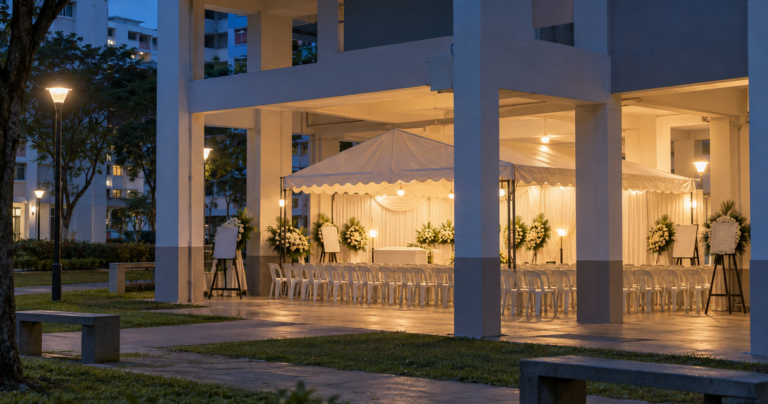
| Cremation with Wake/Funeral | Body is present for a wake or funeral service (e.g., 3-5 days), followed by cremation. | HDB void deck, funeral parlour, church, temple, followed by crematorium | Allows for traditional rites, gathering of family and friends. Requires more planning and coordination. |
| Green/Eco-Cremation | Focus on minimizing environmental impact (e.g., using eco-friendly urns, reduced energy). | Specialized private crematoria (limited options in Singapore) | Environmentally conscious choice. May involve specific requirements or higher costs. |
The choice often comes down to personal beliefs, budget, and the family’s wishes. Regardless of the type, ensure your chosen provider, like Nirvana Singapore, can navigate the current landscape with expertise and compassion.
The Future of End-of-Life Care and Cremation in Singapore
The honest answer is that nobody knows for certain yet, but the evidence suggests continued pressure on our healthcare system. The demand for end-of-life care will only grow, and with it, the need for efficient and compassionate cremation services. What strikes me about this situation is the critical need for integration.
We need a more cohesive ecosystem where healthcare providers, hospices, and funeral service professionals work hand-in-hand, perhaps even with shared digital platforms, to ensure a seamless transition for families. This isn’t just about making things easier; it’s about preserving dignity and offering solace during one of life’s most difficult moments.
The government’s commitment to strengthening palliative care is clear. In 2025, the Minister for Health announced a new national framework to enhance palliative care services, including increased funding for training and infrastructure. This is a smart move because it recognizes that end-of-life care isn’t just a medical issue; it’s a societal one that touches every family. As Nirvana Singapore, a trusted name in the industry, often emphasizes, planning ahead for these services can significantly alleviate stress. It’s a conversation families should have, even if it’s uncomfortable.
Frequently Asked Questions About Cremation Services Singapore
What are the typical steps involved in arranging cremation in Singapore?
Generally, it involves obtaining a death certificate, engaging a funeral director, making arrangements for the wake (if any), and then proceeding with the cremation at a designated crematorium. The funeral director usually handles most of the logistics, including booking the cremation slot and necessary permits.
How long does it take to get a death certificate in Singapore?
If a death occurs in a hospital, the death certificate is usually issued within a few hours to a day. For deaths at home, a doctor must certify the death, and then the certificate can be obtained from the nearest police division or a designated service centre. Delays can occur if medical records are incomplete or if the cause of death requires further investigation.
Can I pre-plan my cremation services in Singapore?
Yes, absolutely. Pre-planning cremation services is highly recommended and can significantly reduce the burden on your family during a difficult time. Companies like Nirvana Singapore offer pre-need arrangements that allow you to make decisions about your final wishes, including type of cremation, memorial services, and even financial arrangements, well in advance.
What is the cost range for cremation services in Singapore?
The cost for cremation services in Singapore can vary widely depending on the type of service (direct cremation vs. cremation with a wake), choice of urn, memorial services, and the funeral director. Direct cremation can start from around S$1,500-S$2,500, while a full funeral service followed by cremation can range from S$5,000 to S$15,000 or more. It’s best to get a detailed quote from your chosen provider.
Are there government-run crematoria in Singapore?
Yes, Mandai Crematorium and Columbarium is the primary government-run facility for cremation and niche placement in Singapore. There are also a few private crematoria and columbaria available, offering different facilities and services. Most funeral directors will help you book a slot at your preferred location.
What happens to the ashes after cremation?
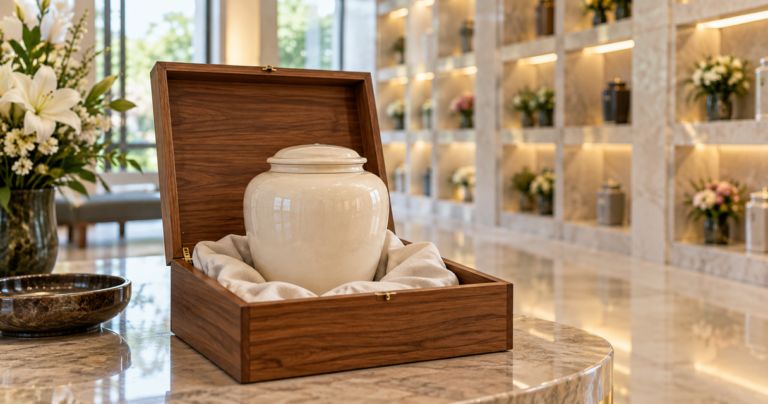
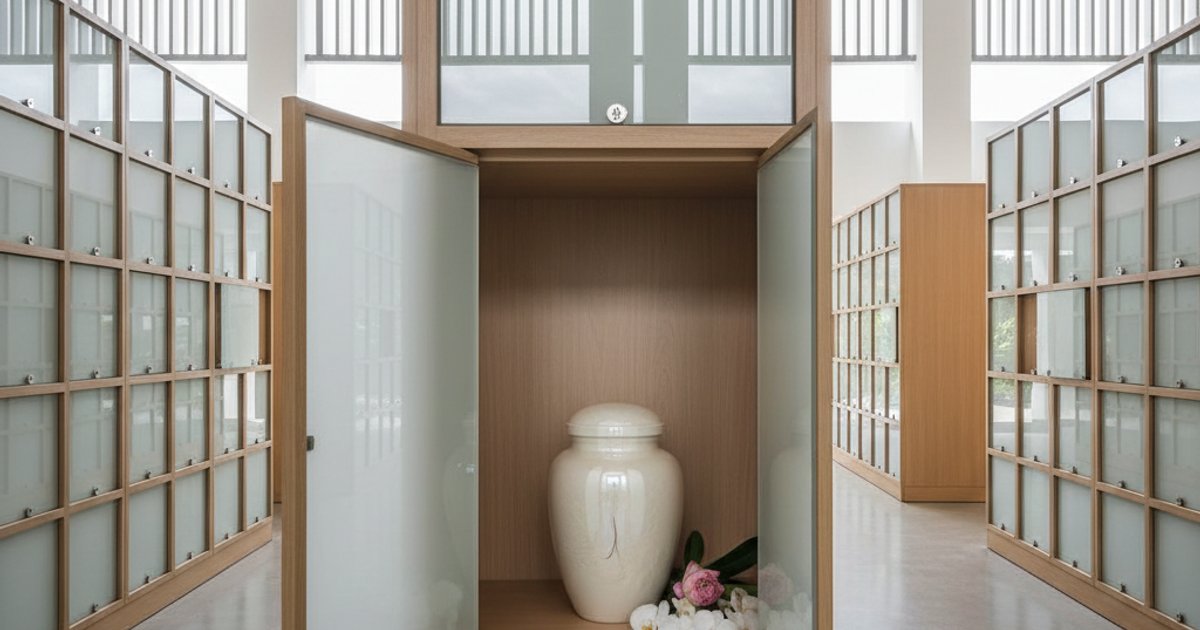
After cremation, the ashes (cremated remains) are typically placed in an urn. Families can choose to keep the urn at home, inter it in a columbarium niche (at Mandai or private facilities), scatter them at sea, or scatter them in designated inland ash scattering gardens, such as those at Choa Chu Kang and Mandai.
How can I ensure a smooth process for cremation given current healthcare pressures?
The best way is to choose a reputable and experienced funeral service provider, like Nirvana Singapore, who can navigate the system efficiently. Also, consider pre-planning your or your loved one’s arrangements. Having clear instructions and pre-arranged services can minimize delays and stress, even if healthcare systems are strained.
The funeral industry is also facing its own set of challenges, including addressing labor shortages and adapting to evolving cultural norms. Despite these hurdles, the sector continues to demonstrate resilience in end-of-life services, constantly innovating to meet the diverse needs of Singaporeans.
Last updated: July 15, 2026