Singapore, a vibrant city-state, is a masterclass in urban planning. But beneath the gleaming skyscrapers and efficient infrastructure lies a profound challenge: how does a land-scarce nation manage the inevitable end-of-life needs of its population? This isn’t just about individual farewells; it’s about the intricate dance between our deeply held traditions and the pragmatic realities of urban development. Funeral services in Singapore are not merely a transaction; they are a reflection of a society constantly adapting, innovating, and sometimes, wrestling with the very definition of space.
From what we’ve seen covering this sector for years, the narrative around death care in Singapore is less about avoiding the topic and more about a continuous, often quiet, negotiation between cultural expectations and the relentless pressures of urban density. It’s a fascinating, complex interplay, and it shapes everything from the location of funeral parlours to the very policies governing our final resting places. You’ll find that understanding this dynamic is key to appreciating Singapore’s unique approach to funeral services.
Updated August 2, 2026
By [Author Name]
Key Takeaways
- Singapore’s extreme land scarcity is the primary driver behind its unique approach to funeral services, heavily favoring cremation and temporary burial leases.
- Historical urban development has consistently seen land for the deceased repurposed for the living, leading to continuous adaptation in death care practices.
- The National Environment Agency (NEA) plays a central role in regulating and innovating funeral services, from wake durations to ash scattering options.
- Modern funeral services in Singapore are increasingly embracing technology, pre-planning, and eco-friendly solutions to meet evolving societal needs and environmental goals.
- The integration of funeral facilities into urban planning is a continuous challenge, requiring innovative solutions and public engagement to balance tradition with practicality.
- Singapore faces a growing demand for funeral services due to its rapidly aging population, with annual deaths projected to reach 40,000 by 2040.
How Has Urban Planning Shaped Singapore’s Funeral Services?
Urban planning has fundamentally reshaped funeral services in Singapore by prioritizing land efficiency, leading to a significant shift from traditional burials to cremation and the development of high-rise columbaria. This pragmatic approach ensures that even in a land-scarce nation, you have dignified options for end-of-life care, reflecting a continuous adaptation to urban realities.
When you’re building a nation on a small island, every square meter counts. This isn’t just a philosophical point; it’s a hard reality that has dictated Singapore’s approach to everything, including how we say goodbye to our loved ones. In the early days, funerals were often community affairs, held in open fields or at home, with neighbors pitching in. But as Singapore urbanized, and high-rise HDB flats became the norm, these practices had to adapt.
The government, through agencies like the National Environment Agency (NEA), stepped in to regulate and streamline processes, ensuring public health standards were met while also managing land use. This shift wasn’t always easy, but it was necessary to accommodate a growing population within limited geographical confines. You can see this proactive management in many aspects of daily life here.
The 1965 Master Plan, Singapore’s foundational urban planning framework, explicitly marked cemeteries as land ‘available for development’. This wasn’t a subtle hint; it was a clear directive. Over the decades, numerous cemeteries, like those in Tiong Bahru and Bishan, were exhumed to make way for housing and infrastructure. This historical trajectory has ingrained a sense of impermanence into Singaporean death care, pushing the population towards more space-efficient options.
The Evolution of Final Resting Places: From Earth to Niche
The journey from sprawling cemeteries to compact columbaria and even sea scattering reflects Singapore’s relentless pursuit of optimizing land use. This evolution is perhaps the most visible manifestation of urban planning’s influence on funeral services, offering you a range of choices that balance tradition with practicality.
The Decline of Traditional Burials
Traditional ground burials, once common, have become a rarity in Singapore due to severe land constraints. Today, Choa Chu Kang Cemetery is the only public cemetery where burials are permitted. Even there, burial plots are not permanent; they are leased for a maximum of 15 years, a policy introduced in 1998 to address land scarcity.
After this 15-year period, remains are subject to mandatory exhumation. Families then have the option to cremate the remains or rebury them in smaller plots, if their religion allows. This policy ensures that land is continually recycled for future use, which is a critical consideration in a dense city-state like Singapore. You might find this policy challenging, but it’s a necessary adaptation.
Many families find this 15-year policy a difficult pill to swallow, as it goes against deeply held beliefs for some, particularly the idea of a permanent resting place. However, without this policy, Singapore would simply run out of space. It’s a stark reminder that even in death, we are bound by the physical limits of our island nation. The Crypt Burial System (CBS), introduced in 2007, is another innovation aimed at optimizing land use, using concrete crypts laid out in grids.
The Rise of Cremation and Columbarium Niches
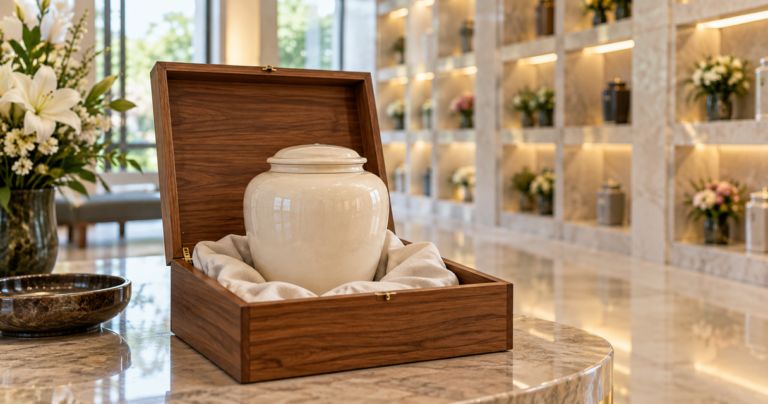
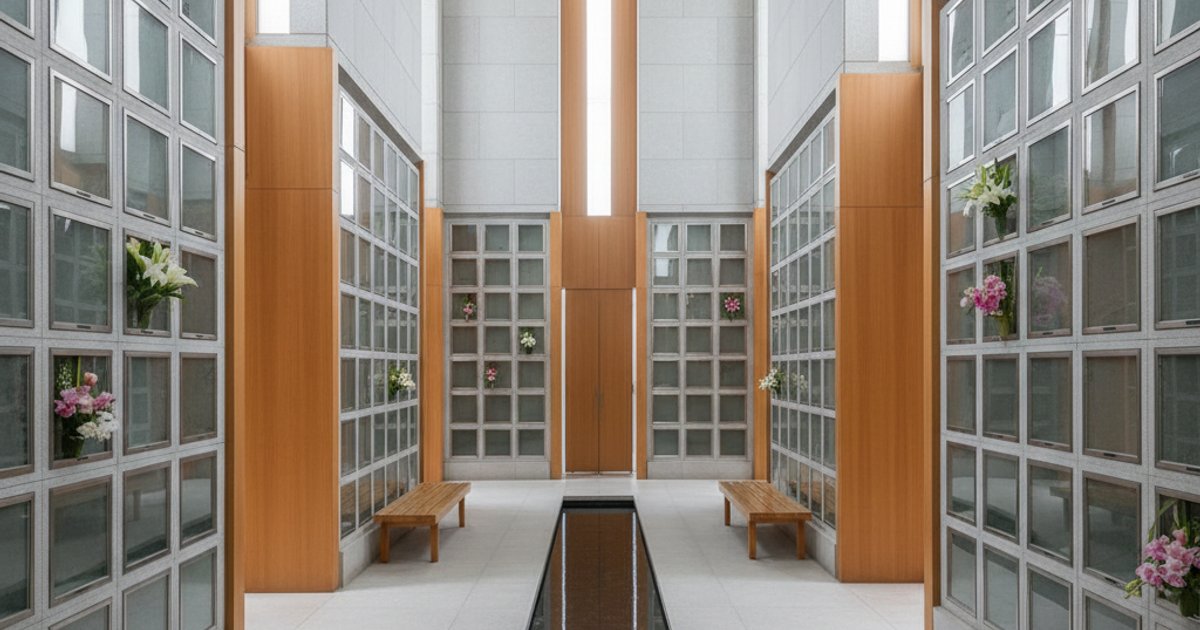
Cremation has become the predominant choice for Singaporeans, offering a practical and affordable solution to land scarcity. The government actively encouraged this shift, even employing ‘funerary middlemen’ in the past to help dispel stigma. Today, government-managed facilities like Mandai Crematorium and Columbarium Complex, along with numerous private and religious columbaria, provide niches for ashes.
This widespread adoption of cremation isn’t just about practicality; it’s also about evolving cultural norms. While traditionalists might prefer burial, many modern Singaporeans find peace in the simplicity and permanence of a columbarium niche, or even ash scattering. The Mandai North Crematorium, opened in August 2025, significantly expanded capacity, reflecting the continued demand for cremation services.
Integrating Funeral Facilities into a Dense City
The placement and operation of funeral parlours, crematoria, and columbaria within Singapore’s urban fabric require careful planning to minimize disruption and maximize accessibility for you and your family. This integration ensures that essential services are available without unduly impacting residential areas.
Funeral Parlours: Balancing Accessibility and Community Impact
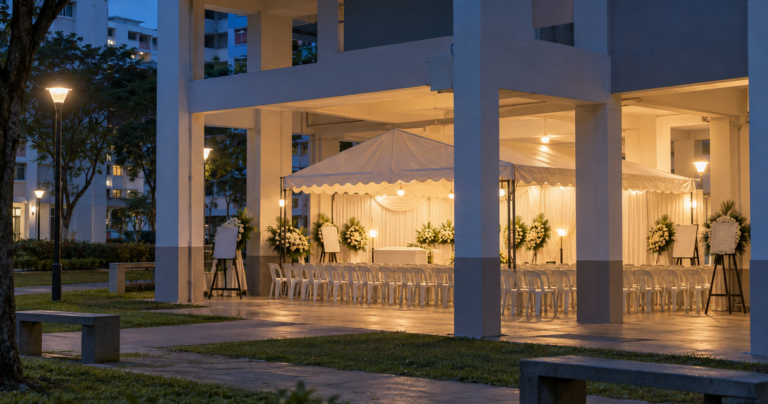
Funeral parlours serve as crucial spaces for wakes and embalming services, and their location is often a point of contention in a dense city. While some wakes are still held at HDB void decks or private residences, funeral parlours offer air-conditioned comfort and dedicated facilities, becoming a popular option, especially for those in condominiums.
The NEA has stringent guidelines for licensed funeral parlours, covering everything from embalming room standards to waste management, ensuring public health and dignity for the deceased. This is where the rubber meets the road, so to speak. You need these facilities, but nobody wants them right next door. It’s a classic urban planning dilemma, requiring thoughtful zoning and community engagement. Finding suitable locations that are accessible to families but don’t unduly impact residential areas is a continuous challenge.
Crematoria and Columbarium Complexes
Crematoria and large columbarium complexes, by their very nature, require significant land. Singapore’s approach has been to consolidate these facilities, with Mandai Crematorium being the primary government-operated site. The continued expansion of such facilities, like the new Mandai North Crematorium, underscores the long-term commitment to cremation as the primary disposition method.
These complexes are designed not just for efficiency but also to be respectful and serene spaces. They’re often located on the city’s periphery, yet remain accessible via public transport, a testament to integrated urban planning. The idea is to create a dignified environment for remembrance without consuming prime residential or commercial land, offering you a peaceful place for reflection.
The Role of Policy and Innovation in Singapore’s Death Care
Singapore’s government, primarily through the NEA, actively shapes the funeral services landscape through policy, regulation, and the encouragement of innovation. This proactive approach ensures that death care evolves with the city’s needs, providing you with reliable and forward-thinking options.
Regulatory Frameworks and Public Health
The NEA oversees a comprehensive regulatory framework for funeral services, covering permits for burial or cremation, wake durations, and standards for funeral parlours. These regulations are designed to maintain high public health standards, ensure dignity for the deceased, and manage the impact of funeral activities on the wider community. For instance, wakes exceeding seven days require special permission from NEA.
It’s not just about rules; it’s about setting a baseline for quality and respect for you and your family. The guidelines for handling the deceased and the requirements for embalmers to be registered and undergo infection control training, all speak to a commitment to professionalism and public safety. This level of oversight is essential in a dense urban environment where public health concerns are paramount.
Embracing Technology and Sustainability
The funeral services industry in Singapore is increasingly adopting technology to enhance efficiency and personalization. Digital memorial tributes, livestreaming of funeral services for overseas relatives, and online platforms for funeral planning are becoming more common. This allows you to participate and remember loved ones, even when geographical distances might otherwise prevent it.
Beyond technology, there’s a growing emphasis on sustainability. Eco-friendly options like biodegradable urns and even water cremation (alkaline hydrolysis) are emerging, aligning with Singapore’s broader environmental goals. This is a smart move, not just for the planet, but for offering more choices to a population that is increasingly environmentally conscious. Nirvana Singapore, for example, is one of the players integrating technology to make the process more efficient and compassionate.
Here’s a quick look at how the shift from traditional to modern funeral practices impacts various aspects:
| Aspect | Traditional Practices (Past) | Modern Practices (Present/Future) |
|---|---|---|
| Primary Disposition Method | Burial | Cremation (predominant) |
| Wake Location | Home, open fields, HDB void decks | Funeral parlours, HDB void decks, private residences |
| Land Use for Deceased | Sprawling cemeteries | High-rise columbaria, limited 15-year burial plots |
| Planning & Coordination | Community-led, family-centric | Professional funeral directors, pre-planning services |
| Technology Integration | Minimal | Digital tributes, livestreaming, online planning |
| Environmental Focus | Limited | Eco-friendly urns, water cremation, ash scattering |
The Future of Funeral Services SG: Adapting to an Aging Population and Evolving Needs
As Singapore’s population ages, the demands on its funeral services infrastructure will only intensify. This demographic shift, coupled with changing societal values, necessitates continuous adaptation and forward-thinking solutions to ensure you have suitable options for your future needs.
According to the Singapore Department of Statistics, the resident death rate per 1,000 residents reached 5.8 in 2023, up from 5.1 in 2019. The National Environment Agency (NEA) even projected that the country’s annual death rate could surge to 40,000 by 2040. This significant increase highlights the urgency for the industry to adapt and innovate.
Pre-Planning and Personalization
There’s a growing trend towards pre-planning funeral arrangements, allowing individuals to make their wishes known and ease the burden on their families. This is a crucial step towards more personalized and meaningful farewells. It’s not morbid; it’s responsible, ensuring that your final wishes are honored and taking a significant emotional and financial load off grieving loved ones.
The industry is responding with more customizable packages that move beyond rigid traditions, incorporating elements like digital tributes and unique memorial experiences. This reflects a broader societal shift towards individual expression, even in death. According to a 2025 study by SMU, 36% of Singaporeans now believe in pre-planned funeral packages, the highest point in seven years.
Addressing the Emotional and Social Fabric
Beyond the logistical challenges, funeral services in Singapore must also address the emotional and social needs of a diverse population. This includes providing compassionate support, respecting various religious and cultural practices, and facilitating collective grieving. You’ll find that many service providers are sensitive to these diverse requirements.
What strikes us is how resilient Singaporeans are in adapting their traditions. While some older customs might fade, new ways of honoring the deceased emerge, often blending technology with timeless rituals. It’s about finding meaning within the constraints, and that, to us, is a very human endeavor. This requires a deep understanding of cultural nuances to ensure that services are respectful and meaningful for all communities.
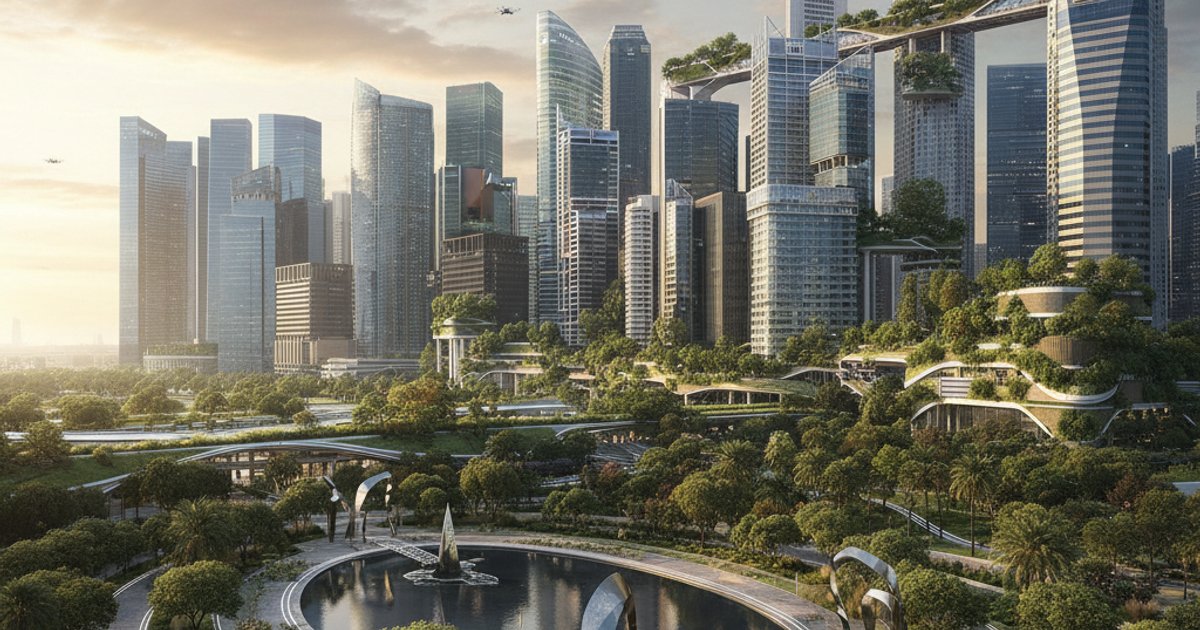
Challenges and Opportunities for Funeral Services Singapore
The path forward for funeral services in Singapore is not without its hurdles, but it also presents significant opportunities for innovation and community building. Understanding these challenges and opportunities helps you appreciate the dynamic nature of this essential industry.
Land Scarcity: The Enduring Challenge
The fundamental challenge of land scarcity will continue to drive decision-making in death care. While cremation offers a significant solution, the need for space for columbaria, funeral parlours, and even temporary burial plots remains. Discussions about using public parks or golf courses for future burials, though controversial, highlight the ongoing pressure. This isn’t going away, and it requires constant vigilance and creative thinking from urban planners and policymakers.
The cost of niche spaces can vary significantly. For example, a single niche at a government columbarium typically costs around S$500, while private columbaria can range from S$3,000 upwards, with some VIP suites costing as much as S$68,888. This range reflects the diverse options available to you, depending on your preferences and budget.
The Role of Community and Public Engagement
Successful integration of funeral services into the urban fabric requires ongoing dialogue between authorities, service providers, and the public. Addressing concerns about noise, traffic, and the proximity of facilities to residential areas is crucial. Public education on evolving death care practices, like the benefits of pre-planning or eco-friendly options, will also be vital.
We believe that fostering open conversations about death and dying, as advocated by initiatives in palliative care, can help normalize discussions around funeral planning. This isn’t just about policy; it’s about changing mindsets, and that takes time and concerted effort from everyone, including organizations like Nirvana Singapore, who are committed to this long-term vision and shaping the future of farewell and sustainable choices.
| Challenge | Opportunity |
|---|---|
| Land Scarcity: Limited space for traditional burials and expanding facilities. | Innovation in Disposition: Development of high-rise columbaria, ash scattering options, and eco-friendly methods. |
| Aging Population: Increased demand for funeral services. | Growth in Pre-Planning: Rise in individuals pre-arranging funerals, easing family burden and ensuring wishes are met. |
| Manpower Shortages: Difficulty attracting and retaining workers due to stigma and working conditions. | Professionalization & Technology: Upskilling programs, flexible work arrangements, and digital tools to enhance efficiency and attractiveness of the sector. |
| Cultural Sensitivities: Diverse religious and cultural practices requiring tailored services. | Personalized & Multi-Faith Services: Providers offering customizable packages catering to various beliefs and preferences. |
| Cost Transparency: Concerns about hidden fees and lack of upfront pricing. | Clearer Pricing & Packages: Industry efforts to provide more transparent and comprehensive funeral packages. |
Frequently Asked Questions About Funeral Services in Singapore
What is the average cost of funeral services in Singapore?
The average cost for a 3-day funeral in Singapore is around S$8,232, but prices can vary significantly from S$3,000 to S$25,000 depending on preferences, duration, and religious rites. Direct funerals, which are simpler and shorter, can cost below S$2,000. It’s important to discuss costs upfront with funeral directors to avoid unexpected expenses.
Are burials still allowed in Singapore?
Yes, burials are still allowed, but only at Choa Chu Kang Cemetery, which is the sole public cemetery for burials. All burial plots are on a 15-year lease, after which exhumation is mandatory. This policy helps manage Singapore’s limited land resources.
Why is cremation so common in Singapore?
Cremation is prevalent in Singapore primarily due to severe land scarcity, making it a more practical, affordable, and space-efficient option compared to traditional burials. Government policies have also actively encouraged this shift over decades.
What are the regulations for holding a wake in Singapore?
Wakes can be held at funeral parlours, HDB void decks, or private residences. If a wake exceeds seven days from the date of death, written permission from the National Environment Agency (NEA) is required. Permits are also needed for using HDB void decks or public roads.
Can ashes be scattered at sea or kept at home in Singapore?
Yes, ashes can be scattered at a designated sea scattering site approximately 1.5 nautical miles south of Pulau Semakau, managed by the Maritime Port Authority (MPA). Ashes can also be scattered at the Garden of Peace at Choa Chu Kang Cemetery or stored at home or in a columbarium niche.
How does technology impact funeral services in Singapore?
Technology is transforming funeral services by enabling digital memorial tributes, livestreaming of services for remote attendees, online funeral planning, and the development of eco-friendly disposition methods like water cremation. These innovations enhance personalization and accessibility for families.
What is the role of the NEA in Singapore’s funeral services?
The National Environment Agency (NEA) is the lead government agency regulating funeral services in Singapore. It sets policies for burial and cremation, manages public crematoria and columbaria, issues permits, and enforces public health standards for funeral parlours and embalming.