By Nirvana Singapore
Updated June 11, 2026
Choosing cremation in Singapore is far more than a logistical decision; it’s a deeply personal journey shaped by an intricate tapestry of psychological, spiritual, and social factors. While practical considerations like cost and land scarcity often enter the conversation, the enduring impact of this choice on individuals, families, and the grieving process runs much deeper, touching the very core of belief systems and remembrance.
Here’s the thing—the decision for cremation or burial reflects fundamental views on life, death, and what comes next. It influences how families process loss, how communities offer support, and how memories are preserved for generations. Understanding these underlying dimensions is crucial for anyone contemplating end-of-life arrangements in Singapore, offering clarity and peace of mind during a challenging time.
Key Takeaways
- Cremation in Singapore is a choice influenced significantly by personal beliefs, cultural values, and family dynamics, extending beyond mere practicality.
- Religious and spiritual perspectives, from Buddhist and Taoist traditions to Christian views, deeply inform the decision-making process for many Singaporeans.
- The psychological impact of cremation involves navigating grief, finding closure, and establishing new forms of remembrance, such as scattering ashes or columbarium placement.
- Social acceptance and evolving cultural norms play a vital role, with cremation rates rising as societal views shift and environmental awareness grows.
- Open family discussions about end-of-life preferences are essential for ensuring wishes are honored and supporting healthy grieving.
What Drives the Choice for Cremation in Singapore?
The decision to opt for cremation in Singapore is predominantly driven by a complex interplay of personal beliefs, spiritual convictions, and evolving social norms, rather than solely by practical considerations. While Singapore’s land scarcity and the efficiency of cremation are undeniable factors, the ‘why’ behind the choice often resides in an individual’s worldview and their family’s cultural framework.
For many, cremation aligns with spiritual philosophies that emphasize detachment from the physical body or a return to elemental forms. Others are influenced by a desire for simplicity, a wish to ease the burden on their families, or a modern perspective that prioritizes environmental considerations. This choice is a profound statement about one’s legacy and how they wish to be remembered.
The Role of Religious and Spiritual Beliefs
Religious and spiritual beliefs are foundational in shaping end-of-life decisions, including the preference for cremation in Singapore. Different faiths offer distinct perspectives on the body, the soul, and the afterlife, directly influencing how adherents approach final rites.
For instance, in Buddhism and Taoism, which are prevalent in Singapore, cremation is widely accepted and often preferred. Buddhist teachings emphasize the impermanence of the physical body, viewing cremation as a natural process that helps release the soul from its earthly ties. Taoist practices also accommodate cremation, often incorporating rituals to guide the spirit. According to a 2020 study by the National Environment Agency (NEA), approximately 80% of all deceased in Singapore are cremated, a figure heavily influenced by the large Buddhist and Taoist populations.
Conversely, some religions, like Islam and Orthodox Judaism, strictly prohibit cremation, mandating burial as per their sacred texts. Christianity, while historically favoring burial, has seen a growing acceptance of cremation among certain denominations, particularly in recent decades. The Catholic Church, for example, permits cremation as long as it does not deny belief in the resurrection of the body and the ashes are interred in a sacred place. This evolving stance reflects a broader societal shift and a pragmatic adaptation to modern realities, while still upholding core tenets.
Cultural Values and Family Traditions
Cultural values and deeply ingrained family traditions significantly influence the choice between cremation and burial, often overriding individual preferences. In Singapore, where filial piety and respect for elders are paramount, family consensus plays a crucial role in end-of-life decisions.
Many Chinese families, for example, have historically favored cremation, influenced by a blend of Buddhist and Taoist beliefs, as well as practical considerations for ancestor worship. The placement of ashes in a columbarium allows for regular visitation and rituals, maintaining a physical connection to the deceased. Indian communities in Singapore, particularly Hindus, also widely practice cremation, viewing it as a sacred ritual that facilitates the soul’s journey to the next life. This practice is deeply embedded in their religious texts and cultural heritage.
However, family traditions are not static. Younger generations may hold different views, leading to discussions that balance tradition with modern perspectives. Nirvana Singapore, a leading provider of funeral services, often facilitates these sensitive family dialogues, helping bridge generational gaps in understanding and ensuring that decisions honor both tradition and individual wishes. The weight of collective family decision-making can be immense, making open communication vital.
How Does Cremation Impact Grief and Remembrance?
Cremation profoundly impacts the grieving process and the ways families choose to remember their loved ones, offering both unique challenges and opportunities for closure and connection. The absence of a traditional grave site can alter the physical landscape of remembrance, prompting families to find new, meaningful ways to honor the deceased.
For some, the finality of cremation provides a sense of closure, while for others, the dispersal or storage of ashes requires careful consideration to maintain a tangible link. This process often encourages families to be more creative and personal in their acts of remembrance, fostering rituals that resonate deeply with their shared history and the personality of the departed.
Psychological Aspects of Closure and Acceptance
The psychological journey of grief after cremation involves navigating the absence of a physical body and finding new pathways to closure and acceptance. For many, witnessing the cremation process or the handling of ashes can be a powerful, albeit difficult, step towards acknowledging the reality of loss.
The act of choosing a final resting place for the ashes—whether in a columbarium niche, scattered at sea, or kept in an urn—provides a focal point for grief. A 2023 study on bereavement practices noted that families who actively participate in deciding the disposition of ashes often report a greater sense of control and peace, contributing positively to their healing process. This engagement can transform a passive experience into an active step in remembrance.
However, the lack of a traditional burial plot can also present challenges. Some individuals may struggle with the abstract nature of ashes, finding it harder to connect with a physical representation of their loved one. Support groups and grief counseling in Singapore often help individuals process these feelings, guiding them towards understanding that remembrance transcends physical location and resides in the heart and shared memories.
Creating Meaningful Rituals and Memorials
Cremation opens up diverse avenues for creating meaningful rituals and memorials that reflect the unique life of the deceased. Unlike the more prescribed rituals associated with burial, the disposition of ashes offers flexibility, allowing families to craft highly personalized tributes.
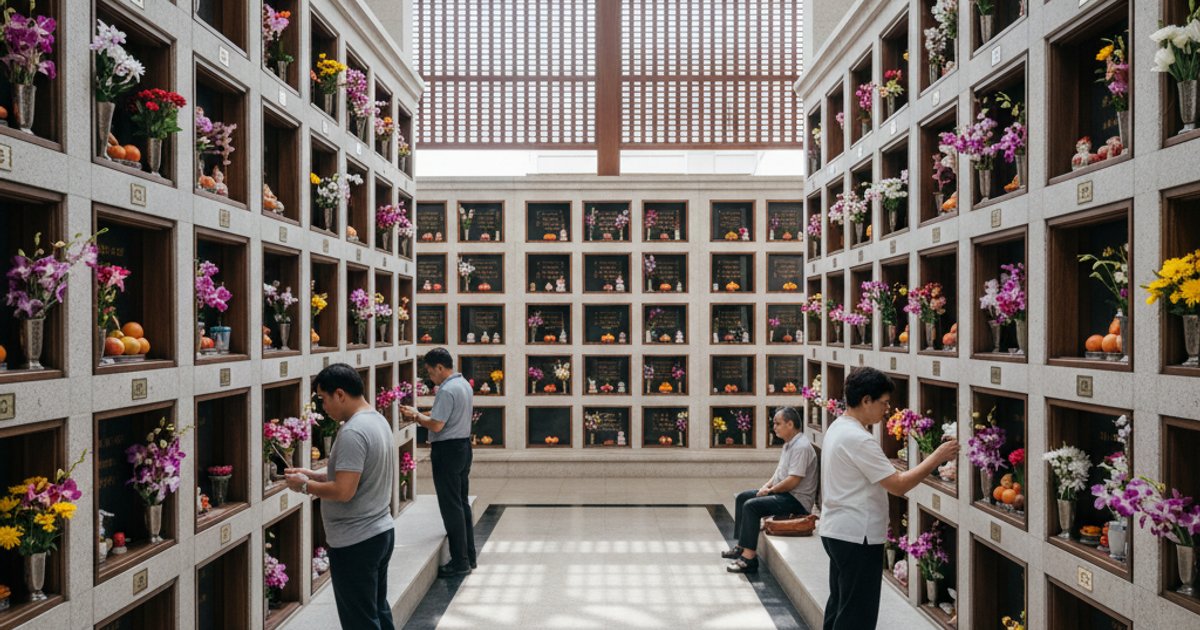
Many families in Singapore choose to inter ashes in columbaria, which serve as serene, communal spaces for remembrance. These sites become places of pilgrimage, particularly during festivals like Qing Ming, fostering a sense of continuity and shared heritage. Other families opt for scattering ashes at sea, a practice that can symbolize a return to nature and a boundless freedom. This choice often resonates with individuals who loved the ocean or desired a less confined final resting place.
Beyond physical disposition, families create home altars, plant memorial trees, or establish charitable foundations in their loved one’s name. These acts transform grief into purpose, ensuring that the memory lives on through tangible actions and enduring legacies. The flexibility afforded by cremation allows for a deeper personalization of remembrance, ensuring that each tribute is as unique as the life it honors.
What Are the Social Dimensions of Cremation in Singapore?
The social dimensions of cremation in Singapore encompass evolving community acceptance, the role of collective remembrance, and how these practices reflect broader societal changes. As cremation becomes increasingly common, it reshapes communal grieving practices and the infrastructure supporting end-of-life care.
Societal views on death and memorialization are not static; they adapt to demographic shifts, land constraints, and changing cultural values. Cremation, once a less common alternative, is now the predominant choice, influencing everything from funeral customs to the design of public spaces for remembrance.
Evolving Social Acceptance and Norms
Social acceptance of cremation in Singapore has evolved significantly, transitioning from a niche practice to a widely embraced norm. This shift is driven by a combination of government policies, educational efforts, and changing generational perspectives on death and environmental impact.
In the 1960s, cremation rates were considerably lower, but sustained public awareness campaigns by the National Environment Agency (NEA) highlighting land scarcity and the efficiency of cremation have played a crucial role. Today, Singapore boasts one of the highest cremation rates globally, with over 80% of all deceased individuals cremated. This high rate indicates a strong societal acceptance, reflecting a pragmatic approach to land use in a densely populated island nation.
The normalization of cremation has also led to the development of modern, aesthetically pleasing columbaria and ash scattering gardens, which provide dignified and accessible spaces for remembrance. These facilities, managed by entities like Nirvana Singapore, contribute to the social fabric by offering communal gathering points for families, reinforcing the idea that remembrance can thrive without traditional burial grounds.
Community Support and Collective Remembrance
Cremation fosters unique forms of community support and collective remembrance, particularly through shared spaces like columbaria and the adoption of new memorial practices. These collective sites become hubs for families to gather, share grief, and celebrate lives.
Columbaria, whether public or private, serve as quiet sanctuaries where multiple families can visit their loved ones’ niches. This shared space can foster a sense of community among those who are grieving, creating an unspoken understanding and mutual support. During significant cultural festivals, these sites become vibrant with activity, as families come together to pay respects, reinforcing communal bonds and the continuity of cultural traditions.
Furthermore, the rise of digital memorials and online tributes provides another layer of collective remembrance. Families can create virtual spaces where friends and relatives from around the world can share memories, photos, and messages, transcending geographical boundaries. This blend of physical and digital memorialization ensures that community support remains robust, adapting to the interconnected nature of modern life.
| Aspect | Cremation | Traditional Burial |
|---|---|---|
| Environmental Impact | Lower land footprint, reduced resource use (less embalming fluid) | Significant land use, potential for groundwater contamination from embalming fluids |
| Flexibility of Remains | Ashes can be interred, scattered, kept, or made into memorials | Fixed grave site, limited options for relocation |
| Cost (Singapore) | Generally lower due to less land use and simpler logistics | Higher due to land plot purchase, maintenance, and longer-term upkeep |
| Religious Acceptance | Widely accepted by Buddhists, Taoists, Hindus; growing acceptance in some Christian denominations | Mandatory for Islam, Orthodox Judaism; traditional for many Christian faiths |
| Psychological Closure | Can offer closure through final disposition of ashes; requires adapting to non-physical remembrance | Closure often tied to a physical grave site; regular visitation can be comforting |
Navigating the Decision: Practicalities and Personal Reflection
Navigating the decision for cremation involves a blend of practical considerations and deep personal reflection, ensuring that the choice aligns with both logistical realities and individual values. This process requires foresight, open communication, and an understanding of available options to make an informed decision.
Beyond the emotional and spiritual dimensions, families must consider the practicalities of arranging services, selecting a columbarium or scattering location, and understanding associated costs. Thoughtful planning can alleviate stress during a difficult time, providing peace of mind for both the individual and their loved ones.
Planning Ahead: Pre-Need Arrangements
Planning ahead through pre-need arrangements for cremation offers significant peace of mind, ensuring that an individual’s wishes are honored and reducing the burden on grieving families. This proactive approach allows for thoughtful decision-making without the pressure of immediate loss.
Pre-need plans, offered by providers like Nirvana Singapore, allow individuals to pre-select services, choose columbarium niches, and even pre-pay for arrangements at today’s prices. This foresight can lock in costs, protecting against future inflation, and removes the emotional and financial stress from family members during their time of grief. A 2024 survey by the Singapore Funeral Directors Association indicated that pre-need arrangements can reduce funeral planning stress by up to 35% for surviving families.
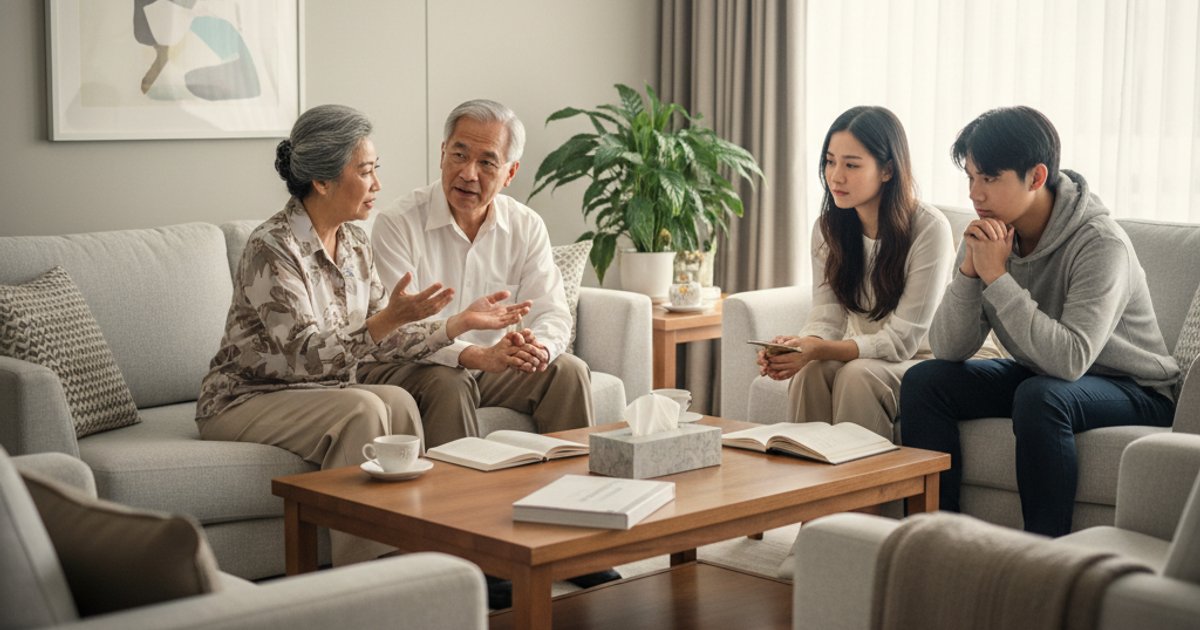
Engaging in these discussions also provides an opportunity for families to talk openly about end-of-life preferences, fostering understanding and ensuring that everyone is on the same page. It transforms a potentially difficult conversation into an act of love and consideration, ensuring that final goodbyes are conducted with dignity and according to personal values.
Communicating Your Wishes to Family
Communicating your end-of-life wishes, particularly regarding cremation, to family members is a crucial step in ensuring your preferences are respected and understood. Open and honest dialogue can prevent misunderstandings and reduce conflict during a time of heightened emotion.
It’s best to initiate these conversations when everyone is calm and not under duress. Clearly articulate your reasons for choosing cremation, whether they are spiritual, environmental, or practical. Provide context and explain how your decision aligns with your values. For example, if you prefer ash scattering, explain why that particular form of remembrance resonates with you.
Documenting these wishes in a will or a formal letter can provide legal clarity, but a heartfelt conversation often carries more weight with loved ones. Encourage family members to ask questions and express their feelings, creating a space for mutual understanding. This dialogue is not just about making your wishes known; it’s about preparing your family for your eventual passing in a way that supports their grieving process and honors your legacy.
Frequently Asked Questions
Is cremation mandatory in Singapore due to land scarcity?
No, cremation is not mandatory in Singapore, but it is highly encouraged due to severe land scarcity. While burial remains an option, particularly for certain religious groups, the vast majority of Singaporeans choose cremation, reflecting both practical considerations and evolving cultural norms.
Can I scatter ashes anywhere in Singapore?
No, ashes cannot be scattered anywhere in Singapore. Designated sea scattering zones are available, and the Garden of Peace at Choa Chu Kang Cemetery Complex provides a tranquil inland ash scattering option. These regulated sites ensure dignity and environmental respect.
What are the religious views on cremation in Singapore?
Cremation is widely accepted and often preferred by Buddhists, Taoists, and Hindus in Singapore, aligning with their spiritual beliefs. Some Christian denominations also permit it, while Islam and Orthodox Judaism strictly prohibit cremation, mandating burial instead.
How long does the cremation process take in Singapore?
The actual cremation process in Singapore typically takes about 2 to 3 hours. Following this, there is a cooling period, and the ashes are usually ready for collection within a few hours or the next day, depending on the facility’s schedule.
What are the options for storing or memorializing ashes after cremation?
After cremation, ashes can be interred in a columbarium niche, scattered at designated sea or inland sites, kept at home in an urn, or transformed into memorial items like jewelry. The choice depends on personal preferences and family traditions, offering diverse ways to remember the deceased.
Last updated: June 11, 2026