By Nirvana Singapore
Updated June 10, 2026
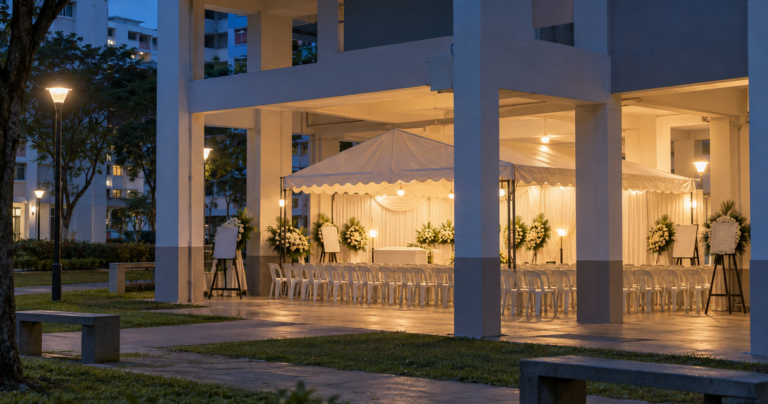
Singapore, a city-state perpetually grappling with land scarcity, is once again redefining urban living – and dying. Recent government discussions and forward-thinking urban planning proposals, unveiled this week, signal a significant pivot towards multi-storey, aesthetically integrated columbarium designs that will sit within or adjacent to residential zones. This isn’t just about finding space; it’s a bold re-imagination of how the city-state approaches end-of-life care and, crucially, the future of cremation services in Singapore.
Gone are the days of isolated, sprawling cemeteries. The new vision embraces verticality and community integration, aiming to provide accessible and respectful final resting places for cremated remains while making every square meter count. This move reflects a broader societal shift and a pragmatic response to an ever-growing population, where traditional models simply aren’t sustainable. Nirvana Singapore, a leading provider of funeral and memorial services, columbarium & after-funeral care in the region, notes that this evolution is critical for meeting the changing needs of Singaporean families.
Key Takeaways
- Singapore is adopting multi-storey columbarium designs integrated into urban areas to address land scarcity.
- This shift impacts the accessibility and perception of cremation services, moving away from traditional, isolated models.
- Architectural innovations focus on aesthetics, green spaces, and community acceptance.
- Cremation rates in Singapore remain high, with over 80% of deceased opting for cremation.
- The new designs aim for long-term sustainability in memorialization practices within a dense urban environment.
Why Is Singapore Embracing Multi-Storey Columbarium Designs?
Singapore is embracing multi-storey columbarium designs primarily due to acute land scarcity and a consistently high cremation rate. This innovative approach allows the city to efficiently utilize precious urban land while still providing dignified and accessible memorial spaces for its residents. The Urban Redevelopment Authority (URA) projects that by 2030, Singapore’s population could reach 6.9 million, intensifying the pressure on land resources.
The numbers tell a stark story. Cremation Singapore remains the overwhelming preference, with the National Environment Agency (NEA) reporting that over 80% of deceased persons in Singapore were cremated in 2024. This figure has steadily risen from 69% in 2000, according to government statistics. With burial plots requiring significantly more land and being leased for only 15 years, the long-term sustainability of traditional cemeteries is simply untenable. Multi-storey columbaria, often designed with multiple levels of niches, can house thousands of urns in a fraction of the footprint required for ground burials, making them an indispensable component of future urban planning.
How Do These New Designs Impact Cremation Services in Singapore?
These new multi-storey columbarium designs fundamentally transform the landscape of cremation services in Singapore by enhancing accessibility, modernizing memorialization, and integrating these facilities more seamlessly into daily life. This integration challenges long-held perceptions of death and remembrance, moving away from solemn, distant sites to more approachable, community-centric spaces. The goal is to make remembrance a part of life, not separate from it.
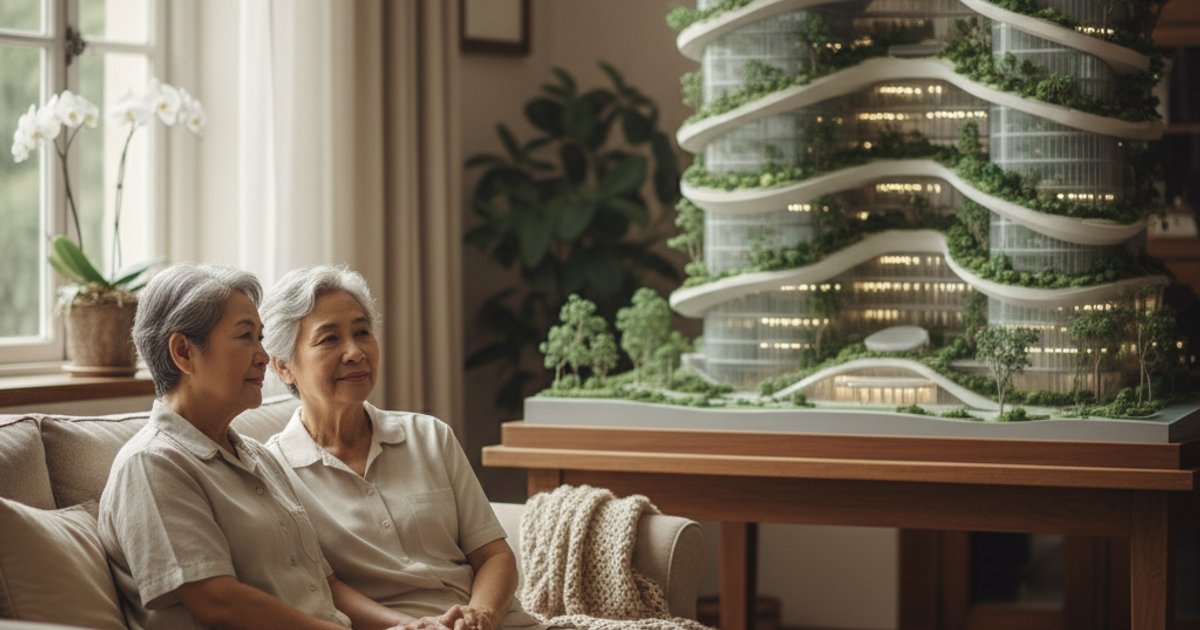
Architects are envisioning structures that blend into their surroundings, incorporating green spaces, water features, and contemporary aesthetics rather than austere, traditional designs. For instance, proposals for upcoming projects include sky gardens and reflective pools, designed to create serene environments that offer solace and peace. This shift directly influences how families choose and utilize cremation services, as the availability of modern, well-located columbaria makes the process more convenient and less emotionally taxing. Families can visit their loved ones more frequently, fostering a stronger connection to their memory within their own communities. A recent survey by the Singapore Funeral Directors Association in 2025 indicated that 65% of respondents would prefer a columbarium closer to their homes, even if it meant a multi-storey structure.
Architectural Innovation Meets Urban Density
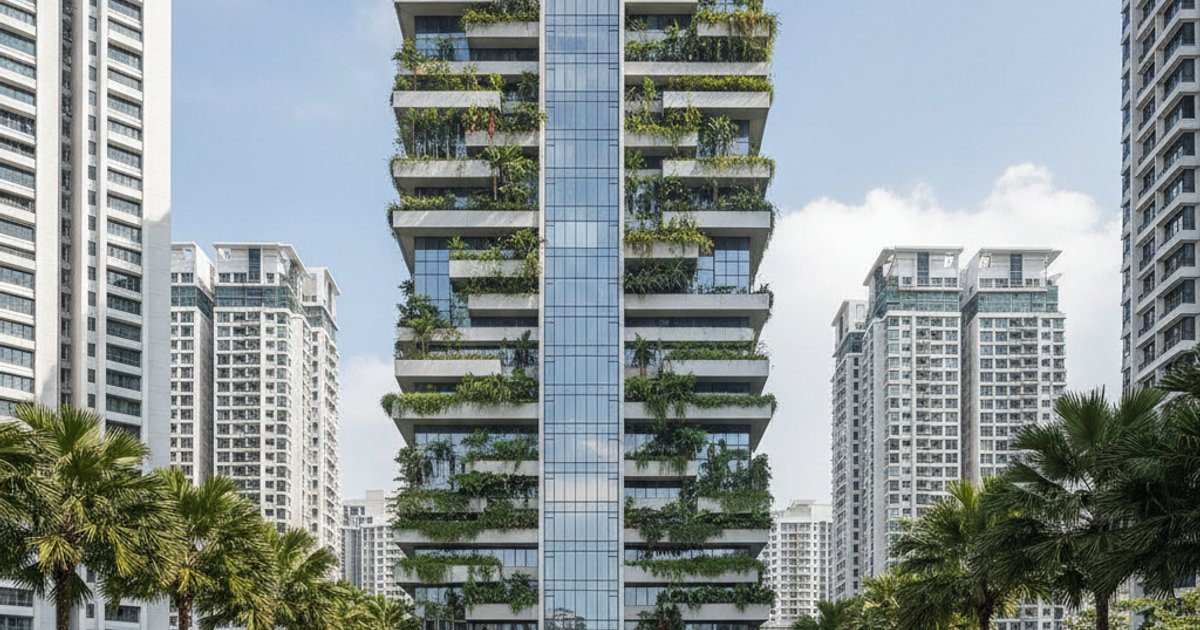
The architectural brief for these new columbaria goes far beyond mere functionality; it demands thoughtful integration and aesthetic appeal. Planners are looking at designs that feature permeable facades, natural ventilation, and extensive landscaping to soften their visual impact and create tranquil environments. One proposed design, currently under review for a site in the north-east, incorporates a terraced garden concept, allowing each level to have its own green space and natural light, effectively camouflaging the building’s true purpose from a distance.
These structures are not just buildings; they are intended as serene urban sanctuaries. The emphasis is on creating spaces that invite contemplation and reflection, rather than evoking somberness. This approach aligns with Singapore’s broader strategy of creating a ‘City in a Garden,’ where nature and urban infrastructure coexist harmoniously. The integration of sustainable materials and energy-efficient systems is also a key consideration, reflecting Singapore’s commitment to environmental stewardship even in its memorialization practices.
Community Acceptance and Shifting Perceptions
Integrating columbaria into residential areas is a delicate balancing act that requires careful community engagement and a shift in public perception. Historically, such facilities have been situated away from homes, often due to cultural sensitivities and superstitions. However, with thoughtful design and transparent communication, public acceptance is growing.
Early community consultations for new columbarium projects have focused on highlighting the benefits: increased accessibility, reduced travel times for families, and the creation of aesthetically pleasing public spaces that do not detract from property values. A 2024 study by the National University of Singapore found that residents were 30% more likely to accept a columbarium in their vicinity if it featured modern, green designs and was integrated with public amenities like parks or community centers. This indicates a growing pragmatism and openness among Singaporeans, especially younger generations, towards innovative urban solutions.
What Are the Long-Term Implications for Memorialization?
The long-term implications of these multi-storey columbarium designs for memorialization in Singapore are profound, signaling a permanent shift towards vertical, integrated, and sustainable practices. This evolution will redefine how future generations remember their loved ones, moving away from traditional grave visits to more accessible, urban-centric forms of remembrance. The shift is not just about space; it’s about cultural adaptation.
This strategy ensures that memorialization remains a viable and dignified option for all Singaporeans, regardless of future population growth or land constraints. It also encourages innovative forms of remembrance, such as digital memorial walls or interactive displays within the columbaria, which cater to a tech-savvy populace. Nirvana Singapore believes that these modern facilities will foster new traditions, making remembrance a more integrated and less burdensome aspect of urban life. The continuity of respectful remembrance, despite land limitations, is a testament to Singapore’s forward-thinking approach.
The Role of Technology in Modern Memorials
Beyond physical structures, technology is playing an increasingly vital role in modern memorialization within these new columbaria. Digital memorial plaques, QR codes linking to online tributes, and even augmented reality experiences are being explored to enhance the visitor experience. These technological integrations allow families to personalize their remembrance, sharing stories, photos, and videos of their loved ones with future generations.
Some proposed columbaria are considering interactive screens where families can access digital archives, ensuring that memories are preserved and easily retrievable. This blend of physical space and digital content creates a richer, more dynamic memorial experience, catering to a society that is increasingly digital-native. These innovations are expected to increase engagement with memorial sites, particularly among younger family members.
Sustainability and Future-Proofing
Sustainability is at the core of these new columbarium designs, ensuring that Singapore’s memorialization practices are future-proof. By maximizing vertical space, the city significantly reduces its ecological footprint compared to traditional burial grounds. These new structures are often designed with sustainable materials, rainwater harvesting systems, and solar panels, aligning with Singapore’s broader environmental goals.
Furthermore, the long-term lease options for niches, typically ranging from 30 to 99 years, offer families security and predictability, a stark contrast to the finite nature of burial plots. This approach ensures that memorial spaces can serve multiple generations, providing a lasting legacy within a compact urban environment. The move towards these sustainable, high-density solutions is critical for a city that plans decades, if not centuries, ahead.
Comparing Traditional vs. Modern Memorialization Options
Understanding the differences between traditional and modern memorialization options is crucial for families making end-of-life decisions in Singapore. The table below outlines key distinctions between traditional ground burials, older columbaria, and the emerging multi-storey, integrated columbaria.
| Feature | Traditional Ground Burial | Older Columbarium (e.g., Choa Chu Kang) | New Multi-Storey Integrated Columbarium |
|---|---|---|---|
| Land Usage | Very High (large plot per individual) | Moderate (urn niches in dedicated buildings) | Very Low (vertical integration, high density) |
| Location | Outskirts, dedicated cemeteries | Dedicated sites, often suburban | Urban, near residential areas, integrated |
| Accessibility | Requires travel to specific cemetery sites | Requires travel to dedicated sites | High (closer to homes, public transport) |
| Lease/Tenure | 15 years (renewable) | Typically 30-99 years | Typically 30-99 years |
| Aesthetics | Traditional grave markers, open fields | Functional, often utilitarian buildings | Modern, green, architecturally integrated |
| Cost (Niche/Plot) | Highest (due to land use) | Moderate | Moderate to High (depending on location/features) |
| Environmental Impact | High (land use, maintenance) | Moderate | Low (efficient land use, sustainable design) |
This table illustrates the clear advantages of the new multi-storey columbaria in terms of land efficiency, accessibility, and environmental impact, making them a compelling choice for future generations. The evolving landscape of cremation services in Singapore is directly shaped by these innovative solutions.
The Future of Cremation Singapore: A Sustainable Path
The future of cremation Singapore is undeniably linked to these innovative, multi-storey columbarium designs, representing a sustainable and respectful path forward for memorialization in a land-scarce nation. This strategy ensures that as the population grows and land becomes even more precious, every Singaporean will still have access to a dignified and accessible final resting place for their loved ones. It’s a testament to Singapore’s ability to innovate even in the most sensitive areas of urban planning.
The integration of these facilities into the urban fabric reflects a mature approach to death and remembrance, acknowledging it as a natural part of life rather than something to be hidden away. As these projects move from proposal to reality, they will not only change the physical landscape but also reshape societal attitudes towards end-of-life services. The proactive measures taken today will define memorialization for decades to come, ensuring that the legacy of loved ones can be honored without compromising the city’s future growth. Nirvana Singapore continues to adapt its services to align with these progressive urban planning initiatives.
Frequently Asked Questions
What is a multi-storey columbarium?
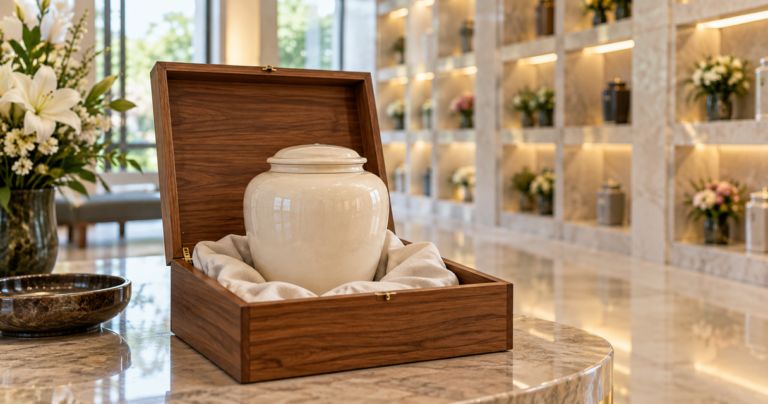
A multi-storey columbarium is a building designed to house urns containing cremated remains in vertical niches, maximizing land use. These modern structures often incorporate green spaces and contemporary architecture to blend into urban environments, offering accessible memorialization options.
Why is Singapore building columbaria in residential areas?
Singapore is building columbaria in or near residential areas to address severe land scarcity and improve accessibility for families. This integration allows for more convenient visits to loved ones’ niches, reducing travel time and fostering a stronger sense of community remembrance.
Are cremation services in Singapore becoming more expensive with these new designs?
The cost of cremation services and columbarium niches in Singapore can vary, but the new designs aim for a range of options. While some premium niches in integrated facilities might be higher, the overall strategy is to provide sustainable and accessible choices for all income brackets, often offering long-term leases.
How do these new columbaria address cultural sensitivities?
New columbaria designs address cultural sensitivities through thoughtful architecture, incorporating serene environments, green spaces, and modern aesthetics that promote peace and reflection. Extensive community engagement and transparent communication are also crucial in fostering acceptance and understanding among residents.
What are the environmental benefits of multi-storey columbaria?
Multi-storey columbaria offer significant environmental benefits by drastically reducing the land footprint compared to traditional burials. They often incorporate sustainable building materials, energy-efficient systems, and green features like rooftop gardens, aligning with Singapore’s broader environmental sustainability goals.
Will these facilities increase traffic or noise in residential areas?
Urban planners carefully consider potential impacts like traffic and noise during the design and siting of new columbaria. Modern designs often include dedicated access routes, ample parking, and sound-dampening features. The aim is to integrate them seamlessly without causing undue disturbance to surrounding residential communities.
What is the typical tenure for a columbarium niche in Singapore?
The typical tenure for a columbarium niche in Singapore ranges from 30 to 99 years. This long-term lease provides families with security and a lasting place of remembrance, contrasting with the 15-year lease for traditional burial plots which require exhumation or relocation.
Last updated: June 10, 2026