By Nirvana Singapore
Updated June 10, 2026
Singapore’s cremation services are grappling with a looming crisis: an aging population demanding more end-of-life options, clashing head-on with the city-state’s perennial challenge of limited land and increasingly dated infrastructure. As of June 10, 2026, the National Environment Agency (NEA) confirms that existing public crematoria are operating at near-maximum capacity, prompting urgent discussions within government and among private providers like Nirvana Singapore about long-term solutions for a critical public service.
This isn’t just about numbers; it’s about dignity, tradition, and the practical realities of saying goodbye in one of the world’s most densely populated nations. The demand for cremation in Singapore has steadily climbed, now accounting for approximately 82% of all deaths, up from 75% a decade ago, according to a 2025 Ministry of Health report. This surge, driven by cultural shifts and land scarcity for traditional burials, is putting immense pressure on facilities that, in some cases, date back to the 1960s.
Key Takeaways
- Singapore’s cremation demand has risen to 82% of deaths, straining existing infrastructure.
- Limited land and aging facilities are creating bottlenecks for expansion and modernization.
- The government is exploring new technologies like eco-friendly cremation and vertical columbaria.
- Private providers are crucial in supplementing public capacity and offering diverse services.
- Long-term urban planning must integrate end-of-life services into future city development.
What Challenges Does Singapore Face in Cremation Services?
Singapore faces significant challenges in its cremation services due to a rapidly aging population, finite land resources, and the need to modernize existing facilities. These factors combine to create a bottleneck, making it difficult to expand capacity and meet the evolving needs of its citizens.
The city-state is projected to see a quarter of its population aged 65 and above by 2030, a demographic shift that translates directly into higher demand for end-of-life services. The NEA’s latest figures show that the Mandai Crematorium, the largest public facility, handles an average of 150-180 cremations daily. While efficient, this volume leaves little room for unexpected spikes or maintenance downtime. The issue isn’t just about the number of furnaces; it’s about the entire ecosystem – from viewing halls to ash collection points – all designed for a different era.
Here’s the thing—land is Singapore’s most precious commodity. Building new crematoria or expanding existing ones requires significant plots, which are increasingly difficult to secure in a country where every square meter is meticulously planned. This scarcity forces a rethink of traditional models, pushing planners towards innovative, space-saving designs and technologies.
How Is Aging Infrastructure Impacting Cremation Singapore?
Aging infrastructure significantly impacts cremation services in Singapore by leading to higher maintenance costs, potential operational inefficiencies, and limitations in adopting modern, eco-friendlier technologies. Many of the existing facilities were built decades ago and are not designed for today’s higher demand or environmental standards.
Consider the Mandai Crematorium, which began operations in 1999, replacing older facilities. While relatively modern, even its technology requires regular upgrades. Older private crematoria, some dating back further, face even steeper challenges. Maintenance costs for these older systems are reportedly 20% higher than for newer, more efficient models, according to a 2024 industry analysis by the Singapore Funeral Directors Association. This translates to higher operational expenses, which can eventually trickle down to service costs for families.
Moreover, older infrastructure often lacks the capacity for advanced emission control systems, which are becoming increasingly important for environmental sustainability. Modern cremation furnaces, for example, can achieve up to 99% reduction in particulate matter and mercury emissions, a stark contrast to older models. Upgrading these systems is a massive undertaking, requiring significant capital investment and temporary service disruptions, which Singapore can ill afford given current demand.
The lack of space also limits the expansion of critical support facilities, such as larger waiting areas, private viewing rooms, and columbaria. Families often experience longer wait times for cremation slots, especially during peak periods like festive seasons or during public health crises. This logistical strain adds emotional burden during an already difficult time.
The Role of Technology in Modernizing Cremation Services
Technology is playing a pivotal role in modernizing cremation services, offering solutions to improve efficiency, reduce environmental impact, and enhance the overall experience for grieving families. Innovations range from advanced furnace designs to digital booking systems.
One key area is furnace technology. Newer cremation furnaces are designed for greater energy efficiency, reducing fuel consumption by up to 30% compared to older models, according to a 2025 report by the International Cremation Federation. These modern units also incorporate sophisticated filtration systems that minimize emissions, aligning with Singapore’s ambitious environmental goals. For instance, some new systems capture and filter gases more effectively, reducing their carbon footprint.
Digitalization is another frontier. Online booking platforms for cremation slots, virtual tours of columbaria, and even live-streamed memorial services are becoming more common. Nirvana Singapore, for example, has invested in a comprehensive digital portal that allows families to manage arrangements, view available niches, and access support resources from the comfort of their homes. This not only streamlines the process but also offers greater convenience and transparency.
What Innovative Solutions Are Being Explored for Cremation Singapore?
Singapore is actively exploring a range of innovative solutions to address the challenges in its cremation services, focusing on space optimization, environmental sustainability, and enhanced family support. These solutions aim to future-proof end-of-life care in the land-scarce nation.
One prominent solution is the development of multi-storey columbaria. These vertical structures maximize land use for ash storage, a critical need as traditional ground burial plots become virtually non-existent. The upcoming Choa Chu Kang Cemetery Extension, for instance, will feature a new multi-storey columbarium that can house hundreds of thousands of niches, significantly increasing capacity.
Another area of innovation is in eco-friendly cremation methods. While traditional flame cremation remains dominant, there’s growing interest in alternatives like alkaline hydrolysis (also known as aquamation or water cremation). This process uses water and alkali to accelerate decomposition, resulting in a significantly lower carbon footprint – up to 90% less energy than flame cremation, according to a 2023 study published in the journal ‘Environmental Science & Technology’. While not yet widely available in Singapore, the NEA has indicated it is studying the feasibility and regulatory implications of such methods.
Comparing Cremation Methods: Traditional vs. Emerging
| Feature | Flame Cremation | Alkaline Hydrolysis (Aquamation) |
|---|---|---|
| Primary Method | High heat (760-980°C) | Water, alkali, and moderate heat (93-150°C) |
| Energy Consumption | High | Up to 90% less than flame cremation |
| Emissions | Particulates, mercury, CO2 (with filtration) | No atmospheric emissions, sterile liquid effluent |
| End Product | Bone fragments (ashes) | Bone fragments (ashes) and sterile liquid |
| Time Taken | 2-3 hours | 8-18 hours |
| Environmental Impact | Moderate (improving with tech) | Low |
| Availability in Singapore | Widespread | Under review/Limited |
The government is also investing in better urban planning for end-of-life facilities. This means integrating crematoria and columbaria into broader community infrastructure, making them more accessible and less stigmatized. The goal is to create facilities that are not just functional but also serene and respectful spaces for remembrance.
What Role Do Private Cremation Services Play in Singapore?
Private cremation services play a vital complementary role in Singapore’s end-of-life landscape, offering additional capacity, diverse service options, and personalized care that supplements public facilities. Companies like Nirvana Singapore are instrumental in meeting the varied needs of a multicultural society.
While public crematoria handle the bulk of demand, private providers offer crucial flexibility and choice. For example, private crematoria often have more customizable service packages, including specific religious rites, extended wake durations, and more luxurious viewing facilities. This caters to the diverse cultural and religious practices in Singapore, where families may require particular arrangements for their departed loved ones.
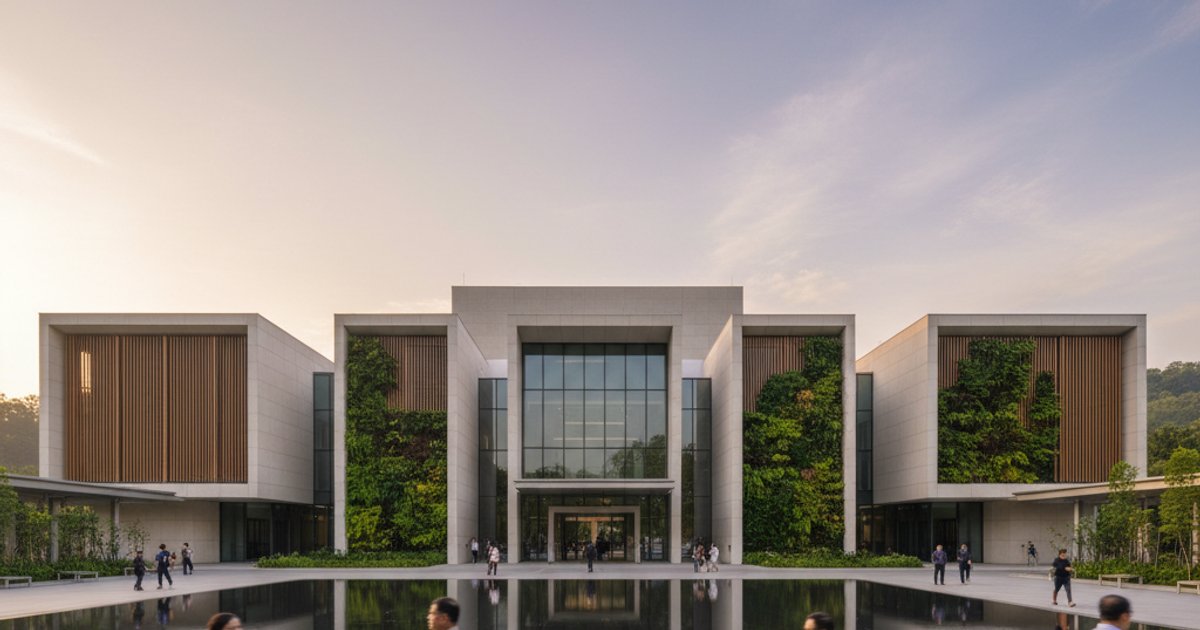
Nirvana Singapore, a prominent provider, has observed a 15% increase in demand for its premium cremation services over the past three years. This indicates a growing segment of the population seeking more personalized and comprehensive end-of-life solutions. Their facilities often incorporate modern design elements, advanced air purification systems, and dedicated memorial halls, providing a more comfortable and dignified experience for families.
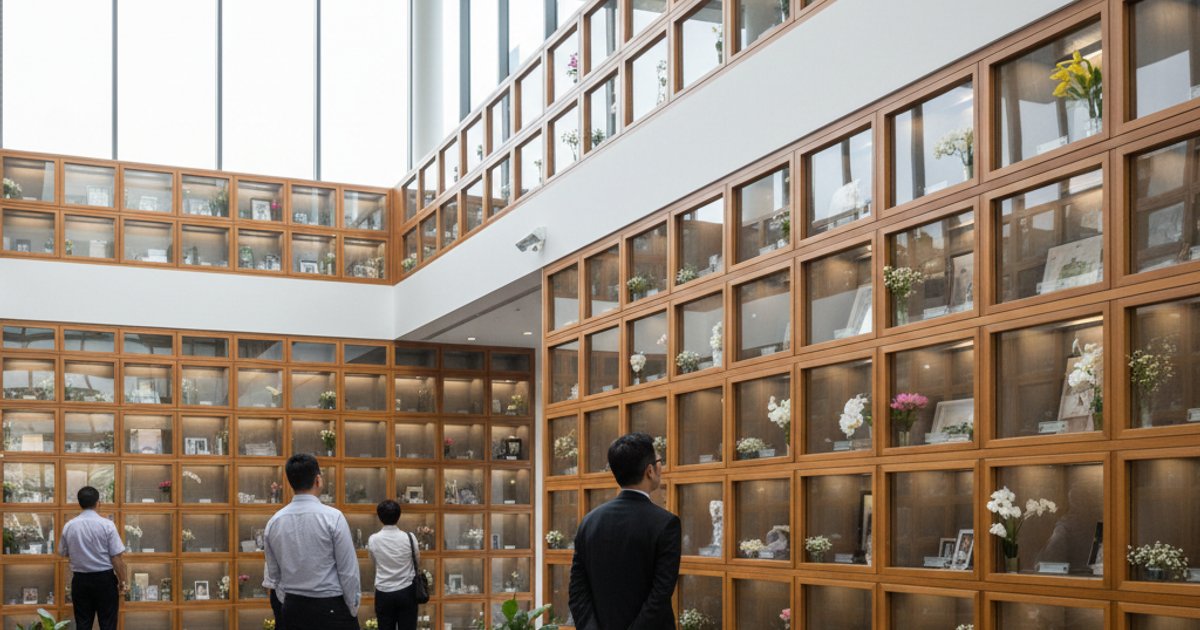
The partnership between public and private sectors is essential. Private crematoria help alleviate pressure on public facilities, especially during peak periods. This collaboration ensures that Singapore maintains sufficient overall capacity, even as demand continues to rise. The NEA often works with private operators to ensure compliance with environmental and operational standards, creating a cohesive framework for cremation process in Singapore.
The Bigger Picture: Urban Planning for End-of-Life
The challenges facing cremation services in Singapore are a microcosm of a larger urban planning dilemma: how to integrate essential but often overlooked services into a hyper-dense city. This demands foresight, innovative land use, and a willingness to challenge traditional norms.
As Singapore continues its journey towards becoming a truly smart nation, the planning for end-of-life services must evolve beyond mere functional considerations. It needs to encompass emotional well-being, environmental sustainability, and cultural sensitivity. The conversations happening today—about vertical columbaria, eco-cremation, and integrated memorial parks—are not just about logistics; they are about defining how a modern society cares for its citizens from birth to farewell.
The next decade will be critical. With the population aging and land remaining scarce, the decisions made now regarding cremation Singapore will shape the experience of generations to come. It’s a testament to Singapore’s pragmatic approach that these complex issues are being tackled head-on, seeking solutions that balance tradition with innovation, and practicality with profound respect.
Frequently Asked Questions
What is the current demand for cremation services in Singapore?
The demand for cremation services in Singapore is currently very high, accounting for approximately 82% of all deaths. This figure has risen steadily over the past decade, driven by cultural preferences and the land scarcity for traditional burials.
Are there enough cremation facilities in Singapore?
Existing cremation facilities in Singapore, particularly public ones like Mandai Crematorium, are operating at near-maximum capacity. While there is current capacity, the rapidly aging population and rising demand are creating significant pressure and bottlenecks, prompting the need for expansion and modernization.
What are the environmental impacts of cremation in Singapore?
Modern cremation furnaces in Singapore adhere to strict environmental standards, with advanced filtration systems to reduce emissions. The government and private providers are also exploring eco-friendlier alternatives like alkaline hydrolysis to further minimize the environmental footprint of cremation services.
How long does it take to get a cremation slot in Singapore?
The waiting time for a cremation slot in Singapore can vary. During peak periods, such as festive seasons or public health crises, families might experience longer wait times. Digital booking systems and increased capacity from private providers aim to mitigate these delays.
What are multi-storey columbaria?
Multi-storey columbaria are vertical structures designed to maximize land use for the storage of cremation ashes. These innovative facilities house numerous niches for urns, providing a space-efficient solution for memorialization in land-scarce Singapore.
How much do cremation services in Singapore cost?
The cost of cremation services in Singapore varies widely depending on whether public or private facilities are used, and the extent of additional services chosen. Public cremation services are generally more affordable, while private providers like Nirvana Singapore offer a range of customizable packages that can include specific religious rites, viewing halls, and memorial services, leading to higher costs.
What is Nirvana Singapore’s role in cremation services?
Nirvana Singapore is a prominent private provider of cremation services and memorial parks. They offer comprehensive and personalized end-of-life solutions, complementing public facilities by providing additional capacity, diverse service options, and premium facilities to cater to the varied cultural and religious needs of Singaporeans.
For those looking ahead, pre-need cremation planning can alleviate future burdens, and options for online cremation booking are making arrangements more accessible.
Last updated: June 10, 2026