By Nirvana Singapore
Updated June 11, 2026
When a loved one departs, the journey that follows is often a labyrinth of emotions, spiritual contemplation, and practical decisions. In Singapore, cremation has become a prevalent choice, but its significance extends far beyond a mere logistical step. This guide delves into the profound experience of cremation in Singapore, offering a compassionate look at how families navigate grief, honor memories, and find peace amidst the practicalities.
Key Takeaways
- Cremation in Singapore is a deeply personal process, intertwining emotional, spiritual, and practical considerations for families.
- Understanding and preparing for grief is crucial, with various cultural and religious practices offering solace and structure.
- Singapore’s cremation services are highly regulated, ensuring dignity and respect for the deceased and their families.
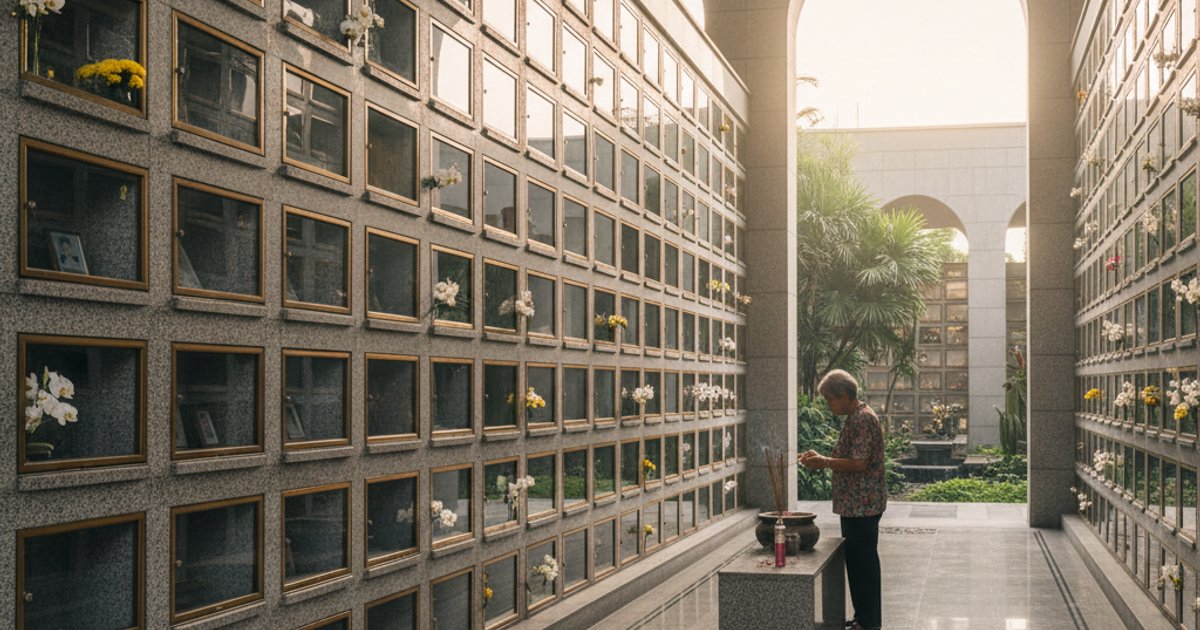
- Memorialization options, from columbarium niches to sea scattering, provide diverse ways to honor a loved one’s memory.
- Support networks, both formal and informal, play a vital role in helping families cope with loss and navigate the bereavement journey.
What Does Cremation in Singapore Entail Beyond Logistics?
Cremation in Singapore is far more than a simple disposition method; it represents a significant emotional and spiritual transition for families. It involves a process where the body is reduced to ashes, but the journey encompasses preparing for loss, understanding cultural and religious rites, and finding meaningful ways to remember the deceased.
For many families on this island nation, choosing cremation is a decision influenced by a blend of personal beliefs, cultural traditions, and practical considerations. While the physical process is standardized, the emotional and spiritual landscape each family navigates is unique. It’s a time for reflection, for honoring a life lived, and for beginning the long, often arduous, path of grief. Nirvana Singapore, a leading provider of bereavement care, understands that these moments demand not just efficiency, but profound empathy and guidance.
The Emotional Landscape of Loss
Grief is a universal experience, yet its expression and processing are deeply personal and culturally informed. In Singapore, families often grapple with a complex interplay of emotions—sadness, anger, relief, guilt, and even confusion—as they prepare for and undergo cremation services.
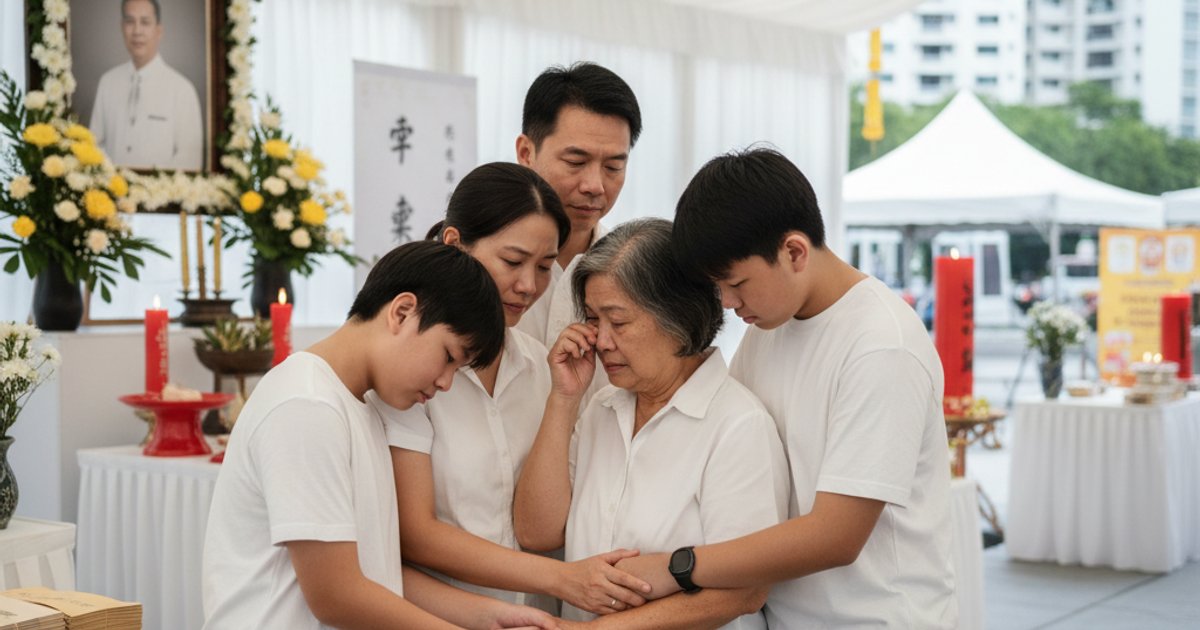
The initial shock of loss can be overwhelming, making decision-making difficult. Families often find comfort in shared mourning rituals, whether it’s a wake, a prayer vigil, or simply gathering to share memories. A 2023 study by the Singapore Management University found that social support networks reduced feelings of isolation by 35% for bereaved individuals, highlighting the importance of community during this time. Allowing space for these emotions, without judgment, is a critical first step in healing. Professional grief counseling, often available through hospices or private practices, can provide invaluable tools for navigating these turbulent waters.
Spiritual and Cultural Significance
Singapore’s multicultural fabric means cremation services are often imbued with diverse spiritual and cultural meanings. Each major religion—Buddhism, Hinduism, Christianity, Islam (though traditionally favoring burial, some Muslim families may opt for cremation under specific circumstances), and Taoism—approaches death and cremation with its own set of rituals and beliefs. Understanding and respecting these traditions is paramount, as they provide structure and meaning during a time of profound disorientation. According to the National Environment Agency (NEA) statistics from 2024, approximately 80% of deceased persons in Singapore are cremated, reflecting its widespread acceptance across various communities.
How Do Families Prepare for Cremation Services in Singapore?
Preparing for cremation services in Singapore involves a thoughtful blend of emotional, spiritual, and practical planning, often initiated during a time of intense grief. This preparation typically includes making funeral arrangements, understanding legal requirements, and deciding on memorialization options, all while supporting one another through the emotional journey.
The process often begins with selecting a funeral director who can guide families through the myriad decisions. This professional will assist with everything from obtaining necessary permits to coordinating the cremation itself and subsequent memorial services. Early planning, even pre-planning, can significantly ease the burden on grieving families, allowing them to focus more on remembrance and less on logistics. A 2022 survey by the Bereavement Support Association of Singapore indicated that families who had pre-planned funeral arrangements reported 40% less stress during the immediate aftermath of a death.
Making Funeral Arrangements
Choosing a funeral package is one of the most immediate practical steps. These packages typically include services such as embalming (if desired), casket selection, wake arrangements, transportation, and the coordination of the cremation at a government or private crematorium.
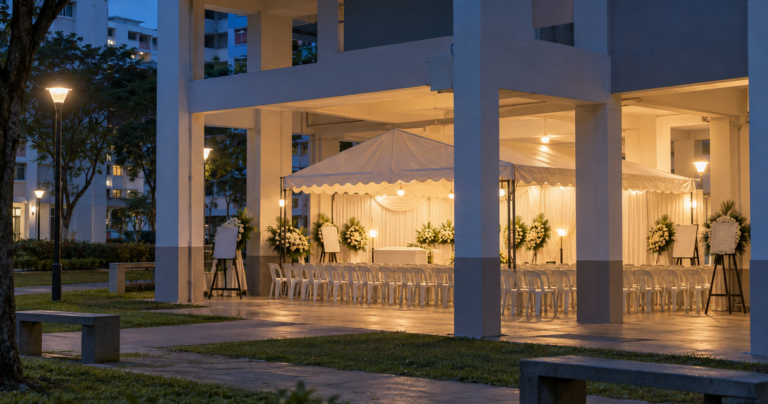
Families must decide on the duration and location of the wake, which can range from a simple one-day affair to a more elaborate week-long gathering at a HDB void deck, funeral parlor, or even a private residence. The choice often depends on cultural customs, family size, and personal preference. During this period, mourners pay their respects, and religious rites are performed. Nirvana Singapore offers comprehensive funeral planning services, ensuring every detail aligns with the family’s wishes and cultural background.
Legal Requirements and Documentation
Navigating the legal aspects of cremation in Singapore requires specific documentation. The primary document is the death certificate, issued by the Registry of Births and Deaths upon registration of death. This certificate is essential for all subsequent arrangements, including the application for cremation.
Families must also obtain a permit to cremate from the National Environment Agency (NEA). This permit ensures that all public health and environmental regulations are met. A medical practitioner must certify the cause of death. For deaths occurring overseas, additional documentation from the country of death may be required. Ensuring all paperwork is in order prevents unnecessary delays and distress during an already difficult time.
Choosing a Crematorium and Memorialization
Singapore offers both government-operated and private crematoria. The Mandai Crematorium and Columbarium is the largest government facility, while private options provide more personalized services. Families must book a cremation slot, which can be particularly challenging during peak periods.
After cremation, the ashes are returned to the family. The decision then turns to memorialization. Common options include:
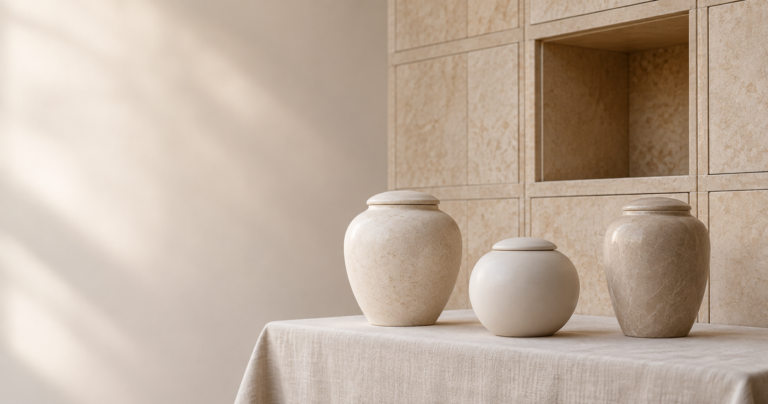
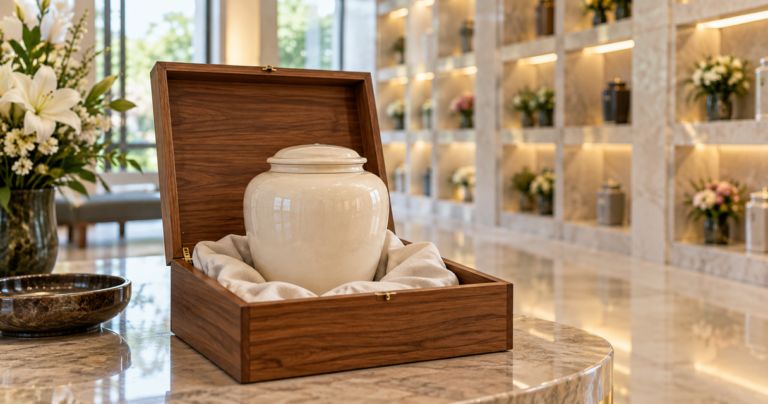
- Columbarium Niche: Placing the urn in a niche at a columbarium (government or private).
- Sea Scattering: Dispersing the ashes into the sea, a growing trend for those seeking a connection with nature.
- In-Ground Ash Burial: Burying the ashes in a designated plot.
- Keeping Ashes at Home: Some families choose to keep the urn at home as a personal memorial.
Each option carries its own emotional resonance and practical considerations. The choice often reflects the deceased’s wishes, family traditions, and what provides the most comfort to the bereaved.
Nirvana Singapore assists families in exploring these options, providing guidance on both the emotional and practical implications of each choice. The goal is to create a lasting tribute that truly honors the departed.
Why Is Post-Cremation Support Critical for Grieving Families?
Post-cremation support is critical for grieving families because the immediate funeral rites mark only the beginning of the bereavement journey, not its end. Continued emotional, psychological, and practical assistance helps individuals process their loss, adapt to life without their loved one, and integrate their grief in healthy ways.
The period following the cremation can be particularly challenging as the initial flurry of activity subsides, leaving families to confront the stark reality of their loss. This is when the true work of grieving often begins. Without adequate support, individuals can experience prolonged distress, isolation, and even health issues. Organizations like the Singapore Hospice Council and various religious groups offer invaluable resources, from support groups to counseling services, helping families navigate the long-term journey of grief.
Navigating Long-Term Grief
Grief is not a linear process; it ebbs and flows, often resurfacing unexpectedly years after a loss. Long-term grief involves learning to live with the absence of a loved one, finding new routines, and redefining one’s identity. This journey requires patience, self-compassion, and often, external support.
Bereavement support groups, where individuals can share their experiences with others who understand, are incredibly beneficial. A 2024 study published in the Journal of Palliative Care found that participation in peer support groups reduced symptoms of complicated grief by 25% over a 12-month period. Counseling, art therapy, and mindfulness practices can also provide constructive outlets for processing emotions. Nirvana Singapore emphasizes the importance of ongoing care, recognizing that healing is a marathon, not a sprint.
Memorialization and Remembrance
Creating lasting memorials and engaging in remembrance practices are vital components of post-cremation support. These acts provide tangible ways to honor the deceased, keep their memory alive, and offer comfort to the bereaved.
Families might establish an annual remembrance day, create a memory book, or contribute to a cause that was meaningful to their loved one. Digital memorials, such as online tribute pages, also offer a contemporary way for friends and family worldwide to share condolences and memories. The act of regularly visiting a columbarium niche or a sea scattering site can also be a powerful ritual, providing a dedicated space for reflection and connection. These practices transform grief into a continuum of love and remembrance.
Comparing Cremation Services: Government vs. Private Options
When considering cremation services in Singapore, families typically choose between government-operated facilities and private providers, each offering distinct advantages in terms of cost, personalization, and range of services. Understanding these differences helps families make an informed decision that best suits their needs and preferences.
Government crematoria, primarily Mandai Crematorium, offer standardized, cost-effective services. Private providers, on the other hand, often deliver more bespoke and comprehensive packages, albeit at a higher price point. The choice frequently comes down to a balance between budget, the desire for specific cultural or religious rites, and the level of personalized attention a family seeks during a sensitive time. For instance, the National Environment Agency (NEA) reports that government cremation fees are significantly lower, with an average cost of S$100-S$200, compared to private services which can range from S$500 to S$2,000 or more, excluding funeral director fees.
| Feature | Government Crematorium (e.g., Mandai) | Private Cremation Services |
|---|---|---|
| Cost | Generally lower, subsidized fees (e.g., S$100-S$200 for cremation) | Higher, more comprehensive packages (e.g., S$500-S$2,000 for cremation, plus funeral director fees) |
| Personalization | Standardized procedures, limited customization for services | High degree of personalization, custom rituals, specific cultural/religious arrangements |
| Availability | High demand, booking slots can be competitive, especially during peak periods | More flexible scheduling, potentially shorter wait times, dedicated facilities |
| Facilities | Large-scale, functional, caters to high volume | Often more intimate, modern, and aesthetically designed viewing/waiting areas |
| Additional Services | Basic cremation, columbarium niche options | Comprehensive funeral packages, embalming, wake setup, memorialization products, grief support referrals |
| Geographic Reach | Centralized (Mandai) | Multiple locations or services across the island via funeral directors |
The decision between government and private services often hinges on a family’s financial situation and their desire for a tailored experience. Private providers like Nirvana Singapore often integrate cremation services seamlessly into a broader funeral package, offering a single point of contact for all arrangements.
Choosing a Columbarium Niche
After cremation, the selection of a columbarium niche is a significant decision for many Singaporean families. Both government and private columbaria offer options, differing in cost, location, and aesthetic.
Government columbaria, such as those at Mandai, Choa Chu Kang, and Yishun, offer affordable niches with standardized designs. Private columbaria, often managed by religious organizations or commercial entities, provide a wider array of choices, including more elaborate designs, premium locations, and sometimes even personalized engravings or decorations. These private options can range from a few thousand dollars to tens of thousands, depending on exclusivity and features. A 2025 report by the Ministry of Sustainability and the Environment noted a 15% increase in demand for private columbarium niches over the past five years, indicating a growing preference for more personalized memorial spaces.
The Role of Funeral Directors
Funeral directors play an indispensable role in guiding families through the entire cremation process. They act as compassionate navigators, handling the logistics, ensuring legal compliance, and providing emotional support.
A reputable funeral director will explain all available options, from casket choices to memorial services, and help families make decisions that align with their cultural and spiritual beliefs. They coordinate with crematoria, religious leaders, and other service providers, alleviating much of the administrative burden from grieving families. Their expertise ensures that the process is handled with dignity, respect, and efficiency. Nirvana Singapore’s experienced team is dedicated to providing this holistic support, ensuring families feel cared for every step of the way.
Frequently Asked Questions About Cremation in Singapore
Understanding the nuances of cremation services in Singapore can bring clarity and comfort during a difficult time. Here are answers to common questions families often have.
What are the typical costs associated with cremation in Singapore?
The costs for cremation in Singapore vary depending on whether you choose government or private services. Government crematoria charge a subsidized fee, typically around S$100-S$200 for the cremation itself. Private cremation services, often part of a comprehensive funeral package, can range from S$500 to S$2,000 or more, excluding the funeral director’s fees, which can add several thousands depending on the package chosen. Columbarium niches also have separate costs, from a few hundred dollars for government options to several thousand for private ones.
Can I scatter ashes at sea in Singapore?
Yes, sea scattering of ashes is permitted in Singapore. The National Environment Agency (NEA) designates specific areas for ash scattering, typically about 1.85 nautical miles south of Pulau Semakau. Families can arrange for this through a funeral director or directly with boat operators. It is a peaceful and increasingly popular option for memorialization, offering a sense of return to nature. It’s important to ensure the ashes are finely pulverized before scattering.
Are there religious restrictions on cremation in Singapore?
While cremation is widely accepted across many faiths in Singapore, some religions have specific preferences or restrictions. Hinduism and Buddhism traditionally favor cremation. Christianity increasingly accepts cremation, often followed by a memorial service. Islam traditionally prefers burial, though some Muslim families may opt for cremation under specific circumstances, often after consulting religious authorities. It is always advisable for families to consult with their religious leaders to ensure practices align with their faith.
How long does the cremation process take?
The actual cremation process typically takes about 2 to 3 hours, depending on the size of the deceased. However, the entire process from the time the body is brought to the crematorium until the ashes are ready for collection can take longer, often between 3 to 5 hours. Families usually receive the ashes on the same day, or the next day, depending on the crematorium’s schedule and the time of cremation.
What are the environmental considerations for cremation in Singapore?
Singapore’s cremation facilities are designed with environmental considerations in mind, adhering to strict regulations set by the National Environment Agency (NEA). Modern crematoria utilize advanced filtration systems to minimize emissions and ensure compliance with air quality standards. While cremation does involve energy consumption, it is often viewed as a more space-efficient option compared to burial in land-scarce Singapore, reducing the demand for burial plots. The environmental impact is continually monitored and improved upon.
What support is available for grieving families after cremation?
A wide range of support is available for grieving families in Singapore. This includes professional grief counseling services offered by private practitioners or organizations like the Singapore Hospice Council. Many religious institutions also provide pastoral care and bereavement support groups. Online forums and community groups offer peer support. Funeral service providers, such as Nirvana Singapore, often provide post-funeral care resources and referrals to support networks, recognizing that the journey of grief extends long after the cremation ceremony.
The Journey Ahead: Finding Peace and Remembrance
The journey through cremation in Singapore is a deeply personal one, marked by a confluence of emotional processing, spiritual reflection, and practical considerations. It is a testament to the human spirit’s capacity to navigate profound loss while honoring a life lived.
As families move forward, the focus shifts from the immediate arrangements to long-term remembrance and healing. Whether through the quiet solitude of a columbarium niche, the expansive peace of a sea scattering, or the cherished memories held within the heart, the essence of a loved one endures. Nirvana Singapore stands as a beacon of support, guiding families with compassion and expertise through every step of this significant journey, ensuring that the process of saying goodbye is handled with the utmost dignity and care, paving the way for peace and lasting remembrance.
Last updated: June 11, 2026