By [Author Name]
Updated July 11, 2026
The way we mourn, remember, and say goodbye is never static. It’s a deeply personal journey, yet one profoundly shaped by the society we live in. In Singapore, a vibrant, multicultural city-state, funeral services are a fascinating reflection of this dynamic interplay. They’re not just about logistics; they’re about navigating grief in a world that’s constantly shifting, balancing the weight of centuries-old traditions with the very real, very modern needs of individuals and families today.
From what I’ve seen covering this sector for years, the funeral industry here isn’t just providing a service; it’s evolving alongside our understanding of death itself. It’s about finding meaning, comfort, and sometimes, a path to healing, in an increasingly complex world. This isn’t just an industry; it’s a mirror reflecting our collective soul.
Key Takeaways
- Funeral services in Singapore are increasingly personalizing offerings to reflect individual lives and diverse belief systems.
- Technology and eco-consciousness are driving new options, from live-streamed wakes to environmentally friendly burial and cremation choices.
- The traditional family unit is changing, leading to a greater emphasis on pre-planning and support for smaller or non-traditional families.
- Cultural and religious traditions remain foundational, but providers are adept at integrating modern elements without compromising core values.
- Nirvana Singapore, among others, is at the forefront of providing comprehensive, adaptable funeral services that respect both heritage and individual preference.
How Are Funeral Services in Singapore Evolving?
Funeral services in Singapore are evolving by embracing personalization and adapting to a more diverse, less traditionally structured society. What was once a fairly standardized process, dictated largely by religious or ethnic customs, has become far more flexible, recognizing that grief is as unique as the individual experiencing it.
The shift is palpable. I remember covering funerals two decades ago where the template was almost identical regardless of the family. Today? You see everything from themed wakes celebrating a hobby to deeply intimate, private ceremonies. It’s a move away from a one-size-fits-all approach towards bespoke experiences that truly honor the deceased’s life and the family’s specific needs. This is a smart move because it acknowledges that while death is universal, the way we process it isn’t.
The Rise of Personalization: Beyond the Standard Package
Personalization in funeral services means tailoring every aspect, from the wake’s theme to the eulogy, to reflect the deceased’s life and personality. It’s about moving past generic rites and creating a truly meaningful tribute.
Think about it: if someone loved gardening, why not have floral arrangements that evoke a lush garden, or even a small display of their favorite tools? If they were a musician, perhaps a playlist of their favorite tunes or even a live performance. I’ve seen families incorporate everything from motorcycle helmets to beloved recipe books into the decor. This isn’t about extravagance; it’s about authenticity. It helps survivors feel a stronger connection, a sense of closure that comes from truly celebrating a life lived, not just marking its end.
Integrating Technology and Eco-Consciousness
Modern funeral services are also increasingly integrating technology and offering more environmentally conscious options. From live-streaming services for overseas relatives to digital memorial pages, technology helps bridge distances and preserve memories.
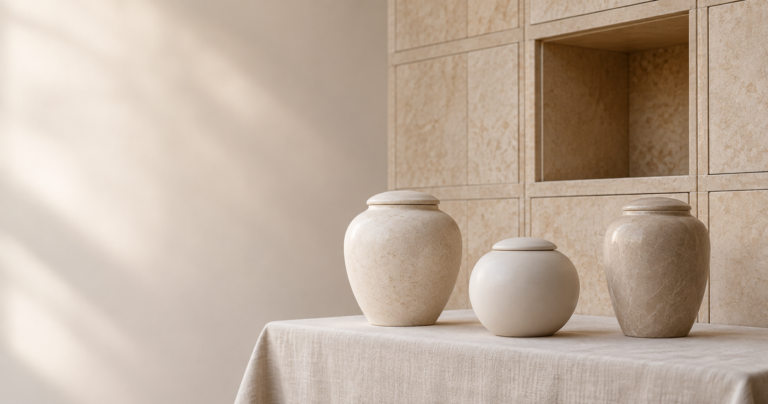
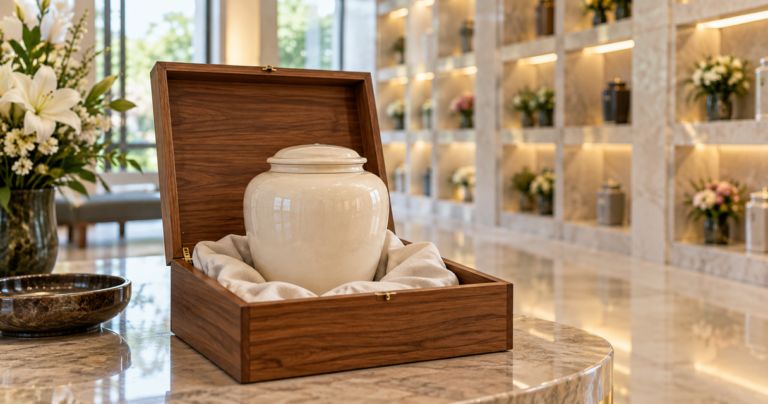
And then there’s the green movement. Singaporeans, like many globally, are becoming more aware of their environmental footprint, even in death. This has led to a growing demand for eco-friendly choices. We’re seeing interest in biodegradable urns, natural burial options where feasible, and even discussions around ‘green’ embalming practices. The honest answer is that nobody knows for certain yet how far this will go, but the evidence suggests it’s a trend that will only grow. It reflects a broader societal value, and the funeral industry, including providers like Nirvana Singapore, is responding.
Changing Family Structures and Pre-Planning
The traditional family unit in Singapore is undergoing significant changes, and funeral services are adapting by emphasizing pre-planning and offering more support for diverse family configurations. Smaller families, single-person households, and chosen families are becoming more common, which profoundly impacts end-of-life arrangements.
In my experience covering this sector, the nuclear family isn’t the only model anymore. This means that decisions about funerals, which were once often handled by a large, extended family, now fall to fewer individuals. This makes pre-planning not just convenient, but often essential. It alleviates the burden on grieving loved ones and ensures that wishes are respected, regardless of who is left to carry them out.
The Importance of Pre-Planning in a Modern Context
Pre-planning funeral arrangements allows individuals to make their own end-of-life choices, easing the emotional and financial burden on their families. It’s about taking control and providing clarity during a time of immense stress.
Look — nobody wants to think about their own death. It’s uncomfortable. But the reality is, planning ahead is one of the most loving things you can do for your family. I’ve spoken to countless families who were so grateful their loved one had everything sorted. It removes so much guesswork and potential conflict. It’s not morbid; it’s practical foresight. And with more people living alone or having fewer close relatives, it ensures that your final wishes are known and honored.
Supporting Diverse Family Dynamics
Funeral service providers are increasingly recognizing and supporting diverse family dynamics, offering flexible arrangements that cater to non-traditional family structures and individual relationships. This means understanding that ‘family’ extends beyond blood ties.
This is where empathy truly comes into play. A funeral director today needs to be sensitive to the fact that the person making the arrangements might be a lifelong friend, a partner, or even a community leader, rather than a direct relative. The real story here isn’t just about services; it’s about understanding human connection in all its forms. It’s about respecting the bonds that matter, regardless of how society traditionally defines them.
Balancing Tradition with Contemporary Demands
Funeral services in Singapore expertly balance deep-rooted cultural and religious traditions with contemporary demands for personalization and flexibility. This means preserving the sanctity of rituals while allowing for modern expressions of grief and remembrance.
It’s a delicate dance, isn’t it? Singapore is a melting pot of cultures — Chinese, Malay, Indian, Eurasian, and many others — each with its own intricate customs surrounding death. To simply discard these traditions would be a disservice to our heritage. But to ignore the evolving needs of a modern populace would be equally short-sighted. The best funeral service providers here understand this tension and navigate it with grace.
Respecting Cultural and Religious Rites
Respecting cultural and religious rites remains a cornerstone of funeral services in Singapore, ensuring that essential ceremonies and practices are meticulously observed. This provides comfort and continuity for many families.
For instance, traditional Chinese funerals often involve specific rituals like burning joss paper, elaborate altars, and specific mourning attire. Malay funerals adhere to Islamic rites, emphasizing simplicity and swift burial. Indian funerals, depending on the specific community, can involve complex ceremonies and cremation. These aren’t just ‘steps’; they are profound expressions of faith and culture, and they offer immense solace. According to a 2022 survey by the Singapore National Centre for Social Research, 85% of Singaporeans consider religious or cultural rituals ‘very important’ or ‘important’ in funeral planning.
Adapting to Modern Lifestyles and Beliefs
While upholding tradition, funeral services also adapt to modern lifestyles and evolving beliefs, offering options that resonate with a less religiously observant or more secular population. This includes shorter wakes, less elaborate ceremonies, or alternative memorialization.
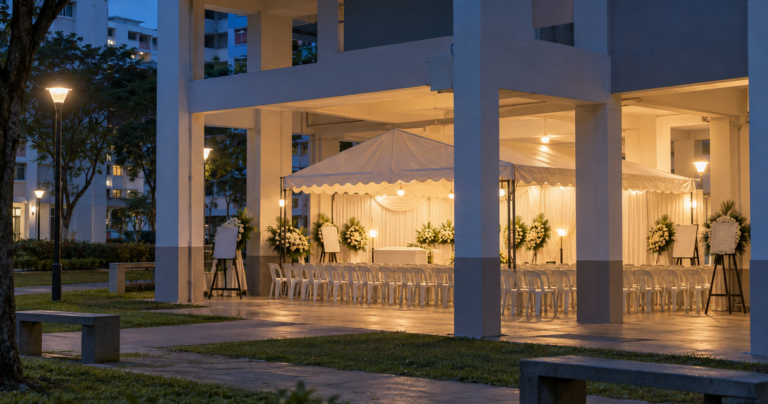
I’ve seen a clear trend towards shorter wakes, for example. The traditional seven-day wake is becoming less common, partly due to space constraints in HDB flats and partly due to work commitments. Many families opt for three-day wakes now. Also, for those who aren’t religious, there’s a demand for non-denominational memorial services that focus purely on celebrating the life of the deceased without religious dogma. This is where the industry’s flexibility truly shines.
| Aspect | Traditional Approach | Modern Adaptation |
|---|---|---|
| Duration of Wake | Typically 5-7 days (e.g., Chinese) | Often 1-3 days, or private memorial |
| Location | HDB void deck, funeral parlours | Funeral parlours, private homes, community spaces |
| Religious Focus | Strict adherence to specific rites | Flexible, non-denominational options available |
| Personalization | Limited, standard setup | Highly personalized themes, displays, music |
| Technology Use | Minimal to none | Live-streaming, digital memorials, online condolences |
| Environmental Impact | Less consideration | Eco-friendly options (biodegradable urns, natural burial) |
| Pre-Planning | Less common, family decides | Highly encouraged, individual choice |
The Role of Funeral Directors: More Than Just Coordinators
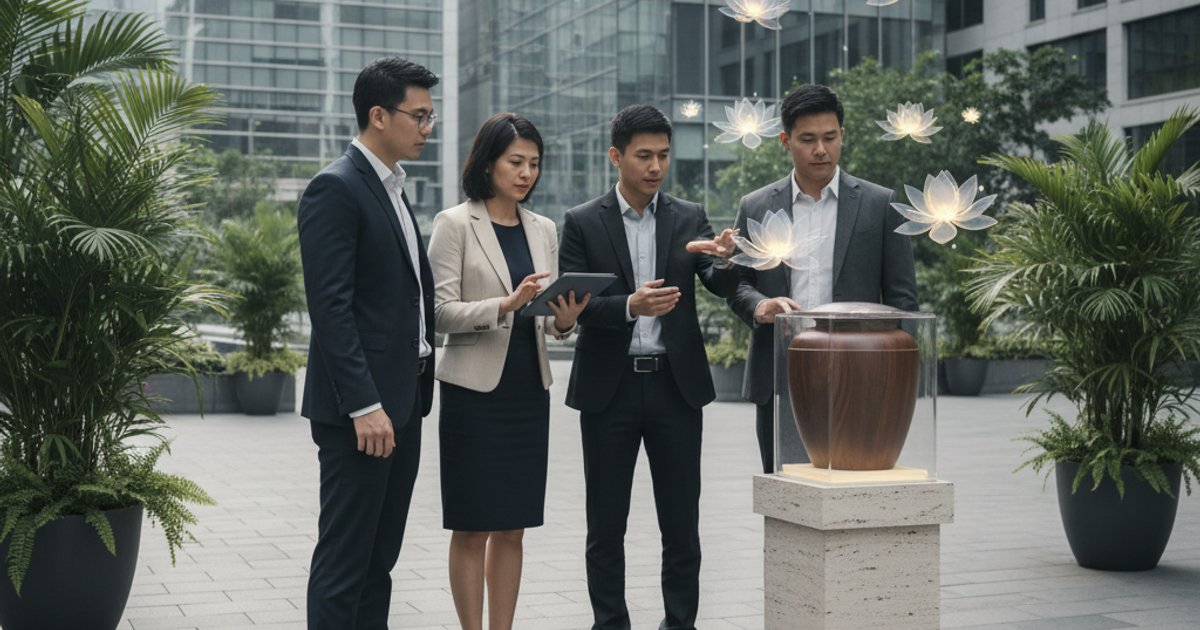
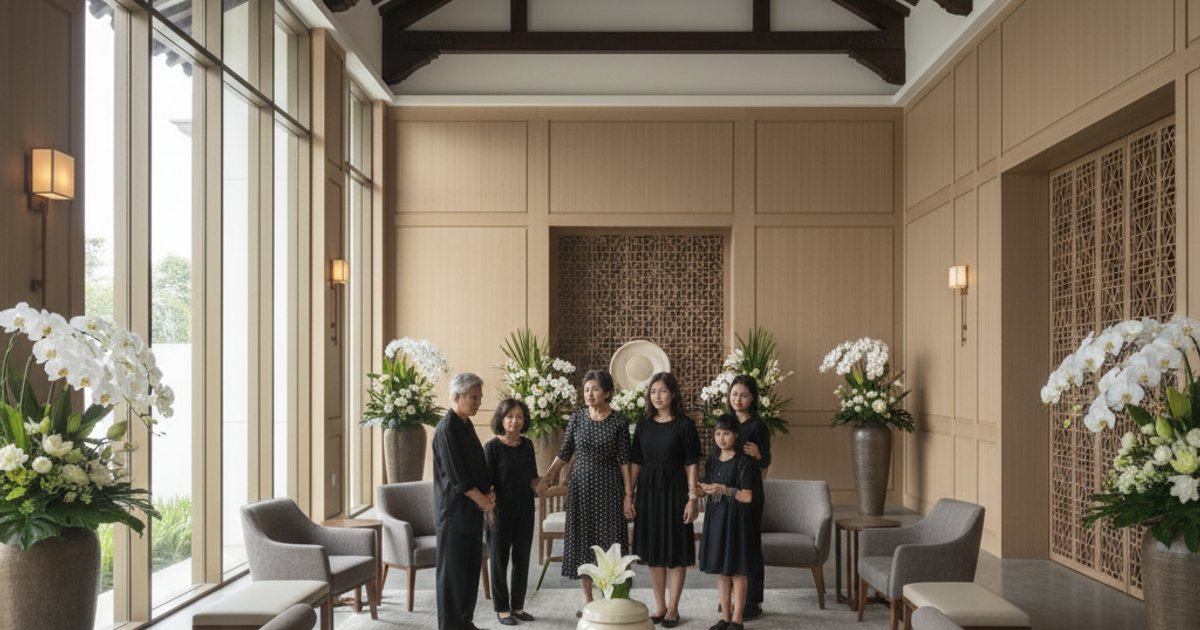
Funeral directors in Singapore have evolved beyond mere coordinators; they are now compassionate guides, grief counselors, and cultural navigators. Their role is multifaceted, requiring sensitivity, logistical prowess, and deep cultural understanding.
This is the part that most guides get completely wrong. It’s not just about booking a venue or arranging a coffin. A good funeral director, like those at Nirvana Singapore, becomes a temporary anchor for families adrift in grief. They anticipate needs, offer gentle advice, and often, simply listen. They’re the unsung heroes who ensure that a family’s final tribute is as seamless and meaningful as possible, often under immense emotional pressure.
Empathy and Guidance in Times of Loss
Effective funeral directors provide crucial emotional support and practical guidance, helping families navigate the complex decisions and raw emotions that accompany loss. They are often the first point of contact and a steady presence throughout the process.
From what I’ve observed, families remember the kindness and calm demeanor of their funeral director long after the service. It’s about more than just business; it’s about humanity. They help families understand their options, explain cultural nuances, and manage all the intricate details so that loved ones can focus on mourning. This requires a unique blend of professionalism and profound empathy.
Navigating Regulations and Logistics
Beyond emotional support, funeral directors are experts in navigating the intricate web of regulations, permits, and logistical challenges involved in arranging a funeral in Singapore. This includes everything from death registration to booking cremation slots.
Singapore has its own set of rules, from the National Environment Agency’s guidelines on cremation and burial to local council regulations for wakes. A good funeral director knows these inside out. They handle the paperwork, coordinate with various agencies, and manage the timing — all while ensuring the family’s wishes are met. This expertise is invaluable, especially when families are too overwhelmed to manage these details themselves. It’s a testament to their professionalism that these complex processes often appear effortless to the bereaved.
Future Trends: What’s Next for Funeral Services SG?
Looking ahead, funeral services in Singapore are likely to see continued innovation in memorialization, further integration of technology, and an even stronger emphasis on sustainability and personalized grief support. The industry is constantly adapting to societal shifts.
The trajectory is clear: more choice, more flexibility, and more focus on the individual. I anticipate a future where memorialization isn’t just a single event but a series of personalized experiences. Virtual reality, for instance, might play a role in creating immersive memorial spaces. And the conversation around death will hopefully become more open, leading to even more thoughtful and intentional end-of-life planning.
Innovative Memorialization and Grief Support
The future will likely bring even more innovative forms of memorialization, moving beyond traditional markers to creative, lasting tributes, alongside enhanced grief support services. This includes everything from digital archives to unique physical memorials.
Imagine a digital archive of a loved one’s life, accessible to future generations, filled with photos, videos, and stories. Or perhaps even more artistic and sculptural memorials. I’m also seeing a growing recognition of the need for ongoing grief support, not just immediately after the funeral, but months and even years later. Some funeral homes are starting to partner with grief counselors or offer resources, which is a vital step. A 2023 report by the Singapore Council of Social Service highlighted a 15% increase in demand for grief counseling services over the past five years, underscoring this critical need.
Sustainability and Ethical Practices
Sustainability and ethical practices will become even more central to funeral services, with a greater demand for transparent, environmentally friendly, and socially responsible options. This reflects a broader global movement towards conscious consumption.
This isn’t just a niche market anymore. Consumers are asking tough questions about where materials come from, how waste is managed, and the overall ecological footprint of funeral arrangements. Providers who can demonstrate a genuine commitment to sustainability — perhaps through carbon offsetting, sourcing local materials, or promoting natural alternatives — will gain a significant advantage. This aligns with Singapore’s broader push for a greener future, and the funeral industry is certainly not exempt from that imperative.
Choosing the Right Funeral Services Singapore Provider
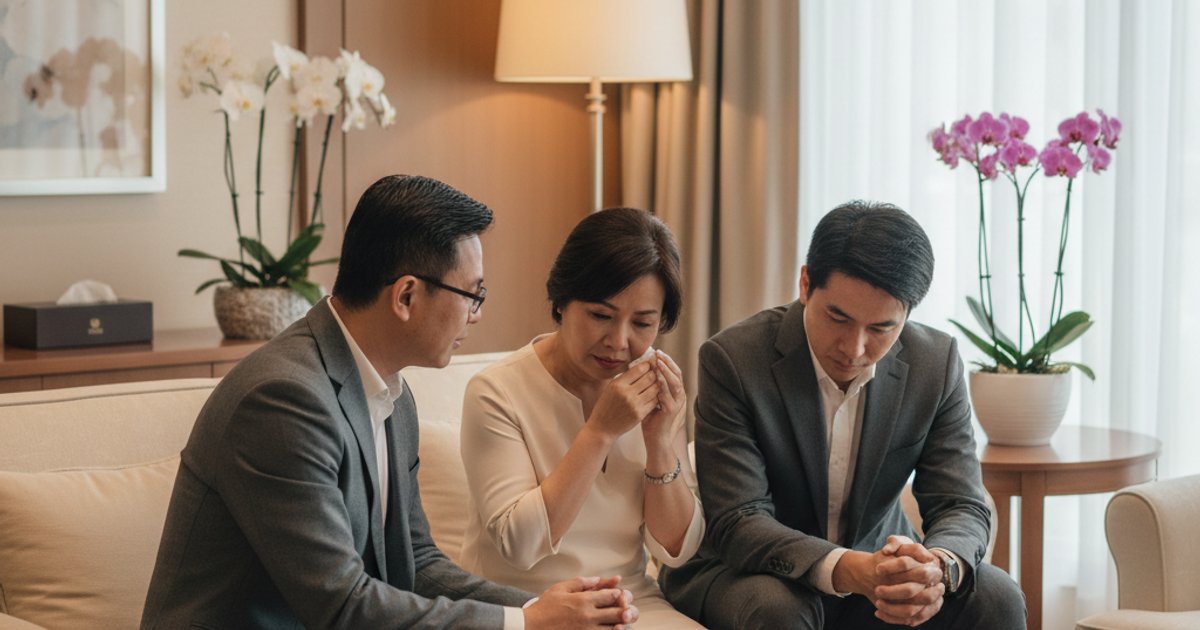
Choosing the right funeral services provider in Singapore involves considering their ability to balance tradition with modern needs, their transparency in pricing, and their reputation for empathy and professionalism. It’s a decision that requires careful thought during a vulnerable time.
This isn’t a purchase you make lightly, nor is it one where you want surprises. The provider you choose will significantly impact your family’s experience of grief and remembrance. So, do your homework. Ask questions. And trust your gut feeling about the people you’re dealing with.
Key Considerations for Families
Families should consider a provider’s experience with their specific cultural or religious requirements, their flexibility in offering personalized options, and the clarity of their pricing structure. Look for transparent packages and no hidden fees.
I can’t stress transparency enough. The last thing a grieving family needs is unexpected costs. A reputable provider will offer clear, itemized quotes. Also, ask about their experience with your particular community’s customs. While many can handle diverse needs, some specialize. And don’t be afraid to ask for testimonials or references. A company like Nirvana Singapore, with its established presence, often has a track record that speaks for itself.
The Value of Compassion and Expertise
Ultimately, the value of compassion and expertise from a funeral services provider cannot be overstated. A team that listens, understands, and guides with genuine care makes an immeasurable difference during a difficult period.
It boils down to human connection. When you’re at your most vulnerable, you need people who are not just efficient, but genuinely caring. The expertise ensures everything runs smoothly, but the compassion ensures that the process is respectful, comforting, and ultimately, healing. That’s the hallmark of truly exceptional funeral services in Singapore.
Frequently Asked Questions
What is the average cost of funeral services in Singapore?
The cost of funeral services in Singapore can vary widely, from around S$4,000 for a basic, no-frills service to over S$15,000 for more elaborate arrangements, depending on the duration of the wake, type of coffin, religious rites, and personalization options. It’s best to get detailed quotes.
Can I pre-plan my own funeral in Singapore?
Yes, you absolutely can pre-plan your own funeral in Singapore. Many funeral service providers offer pre-need arrangements, allowing you to specify your wishes regarding cremation or burial, type of service, and even payment plans, significantly easing the burden on your family later.
Are eco-friendly funeral options available in Singapore?
Eco-friendly funeral options are increasingly available in Singapore, including biodegradable urns, natural burial choices (where permitted), and embalming alternatives. Discuss these options directly with your chosen funeral services provider to understand what’s possible.
How do funeral services in Singapore accommodate different religions?
Funeral services in Singapore are highly experienced in accommodating various religious traditions, including Buddhist, Christian, Taoist, Muslim, and Hindu rites. They typically have dedicated teams or partners who understand and meticulously observe the specific customs and requirements of each faith.
What support is available for grief after a funeral?
While funeral services primarily focus on the immediate arrangements, many providers can offer resources or referrals for ongoing grief support, such as counseling services or support groups. Additionally, various community organizations and mental health professionals in Singapore specialize in grief counseling.
How long does a typical wake last in Singapore?
The duration of a wake in Singapore varies significantly by culture and personal preference. Traditionally, Chinese wakes might last 3, 5, or 7 days, while Malay wakes are typically much shorter, often concluding within 24 hours. Modern trends show a move towards shorter wakes, often 1-3 days, for convenience.
What role does technology play in modern funeral services?
Technology plays an increasing role in modern funeral services, facilitating live-streaming of wakes for overseas relatives, creating digital memorial pages for condolences and tributes, and offering online platforms for pre-planning and information dissemination. This helps connect dispersed families and preserve memories digitally.
Last updated: July 11, 2026