By Nirvana Singapore
Updated June 10, 2026
Singapore’s relentless march towards urban optimization is now reshaping even the most solemn aspects of life: how its citizens are laid to rest. As of June 10, 2026, the government’s latest urban planning blueprints reveal a strategic, long-term commitment to expanding and modernizing end-of-life infrastructure, with a particular emphasis on cremation facilities and columbaria, moving decisively beyond traditional cemetery models.
This isn’t just about building more; it’s about integrating these essential services into the fabric of a dense, modern city with an aging population, balancing efficiency, accessibility, and environmental stewardship. The news, quietly embedded within the Singapore Land Authority’s (SLA) recent land use review, signals a pivotal shift in how the nation addresses its demographic realities and finite land resources, directly impacting the future of cremation services in Singapore.
Key Takeaways
- Singapore is proactively integrating expanded cremation facilities into its urban planning due to land scarcity and an aging population.
- The government is moving away from traditional burial grounds, with cremation now accounting for over 80% of all deaths.
- New facilities are designed for sustainability, efficiency, and community integration, often featuring multi-storey columbaria.
- Technological advancements, like electric crematoriums, are being explored to reduce environmental impact.
- Nirvana Singapore, a leading provider of comprehensive funeral services, is actively adapting its offerings to align with these evolving urban strategies and consumer preferences.
Why Is Singapore Prioritizing Cremation Facilities Now?
Singapore is prioritizing cremation facilities now primarily due to severe land scarcity and a rapidly aging population, making traditional burial unsustainable in the long term. The nation’s urban planners are grappling with the dual challenge of accommodating a growing population while ensuring dignified and accessible end-of-life options for its citizens.
The numbers tell a stark story. Singapore, a city-state of just 734 square kilometers, faces immense pressure on its land. According to the National Environment Agency (NEA), the cremation rate in Singapore has soared, reaching over 80% of all deaths in 2025, up from 75% a decade prior. This figure is projected to climb further, potentially hitting 90% by 2035, driven by both cultural shifts and practical considerations. The government’s long-standing policy of limiting burial periods to 15 years, followed by exhumation for cremation or re-interment, has also significantly influenced this trend. Here’s the thing—it’s not just about space for the deceased, but also for the living. Every square meter of land is precious, whether for housing, industry, or green spaces. This necessitates a forward-thinking approach to ensure that future generations have adequate, respectful, and environmentally sound options for memorializing their loved ones.
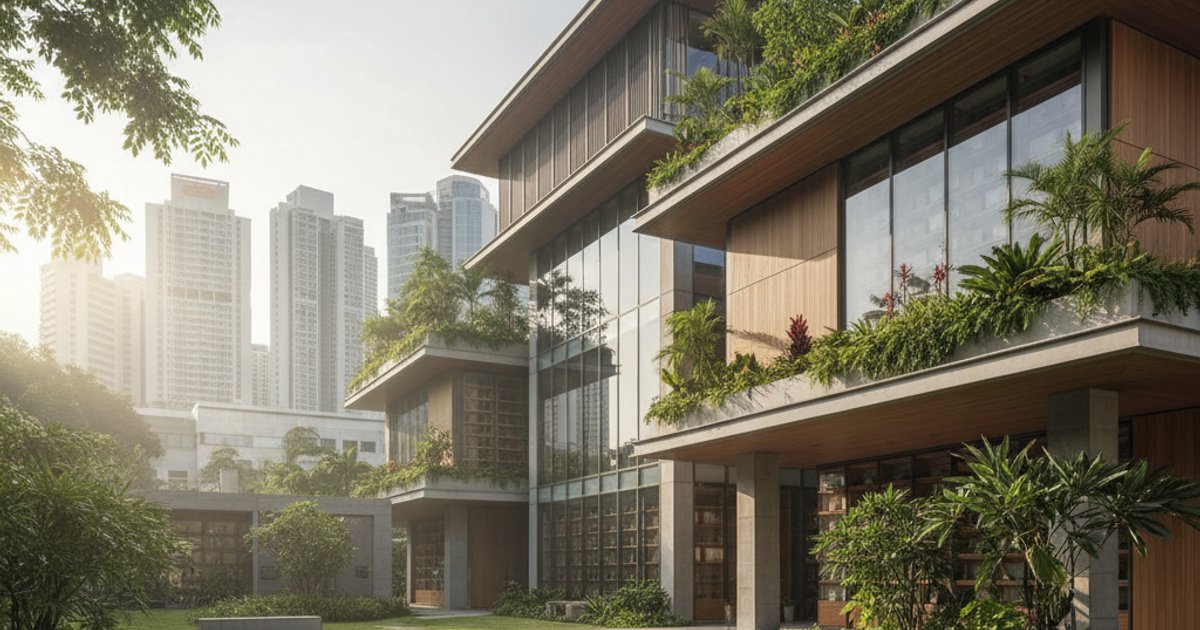
The shift isn’t merely reactive; it’s a strategic pivot. The Urban Redevelopment Authority (URA) has explicitly stated its intention to allocate specific land parcels for integrated facilities that combine cremation services with columbaria, often designed vertically to maximize space. This approach is a testament to Singapore’s pragmatic planning ethos, where every inch counts. It reflects a broader societal acceptance of cremation as a primary end-of-life choice, a trend that Nirvana Singapore has observed and adapted to with its range of cremation services in Singapore.
How Does Urban Planning Integrate Cremation Services into Future Cityscapes?
Urban planning integrates cremation services into future cityscapes by designing multi-functional, vertically optimized facilities that blend into the urban environment, often incorporating green spaces and public amenities. This approach moves beyond isolated, industrial-looking crematoriums towards more integrated community hubs that respect both the solemnity of the service and the needs of the surrounding neighborhoods.
Consider the recent announcement regarding the expansion of Mandai Crematorium and Columbarium, a cornerstone of Singapore’s end-of-life infrastructure. This expansion, slated for completion by 2030, isn’t just an add-on; it’s a re-imagining. The plans include multi-storey columbaria, increased cremation capacity, and improved visitor amenities, all designed with a focus on sustainability. The goal is to create a serene environment that is accessible via public transport and minimizes its environmental footprint. For instance, the new designs incorporate natural ventilation and lighting, and explore the use of advanced filtration systems to reduce emissions, aligning with Singapore’s broader climate goals. A 2024 study by the National University of Singapore (NUS) highlighted that well-integrated, green end-of-life facilities can actually enhance urban biodiversity and provide valuable public spaces, challenging traditional perceptions.
The Role of Technology in Modern Cremation Facilities
Technology plays a critical role in modern cremation facilities, enhancing efficiency, reducing environmental impact, and improving the experience for grieving families. From advanced combustion systems to digital memorialization, innovation is key to Singapore’s future end-of-life services.
The push for eco-friendly cremation services in Singapore has led to the exploration of electric crematoriums, which produce significantly lower carbon emissions compared to traditional gas-fired units. While still in pilot phases in some parts of the world, Singapore is actively monitoring these developments for potential adoption, as reported by the Ministry of Sustainability and the Environment (MSE) in late 2025. Furthermore, digital technologies are transforming memorialization. Virtual memorial halls, online tribute pages, and even augmented reality experiences for columbarium visits are becoming more prevalent, offering families new ways to remember their loved ones, especially those living abroad. These innovations demonstrate a commitment to both ecological responsibility and evolving societal needs.
What Are the Environmental and Societal Implications of This Shift?
The shift towards expanded cremation services carries significant environmental benefits, primarily through reduced land use and potential for lower emissions, while also reshaping societal perceptions of death and memorialization. This transformation encourages a more sustainable approach to end-of-life practices in a land-scarce nation.
Environmentally, the most immediate benefit is the drastic reduction in land required. A single columbarium niche occupies a fraction of the space needed for a traditional burial plot, which, as mentioned, is already limited to 15 years in Singapore. This frees up precious land for housing, infrastructure, and green spaces, aligning with the nation’s long-term sustainability goals. Furthermore, modern greener cremation technologies, particularly electric models, promise a reduction in greenhouse gas emissions and particulate matter. The NEA’s 2023 report on environmental impact assessments for new facilities indicated that next-generation crematoriums could achieve a 30% reduction in carbon footprint compared to older models. Societally, this shift reinforces the cultural acceptance of cremation, which has been steadily growing. It also encourages families to consider more sustainable and space-efficient memorial options, such as scattering ashes at sea or in designated inland ash scattering gardens, like the one at Choa Chu Kang Cemetery Complex.
Comparing End-of-Life Options in Singapore
| Feature | Traditional Burial | Cremation (Columbarium) | Cremation (Ash Scattering) |
|---|---|---|---|
| Land Use | High (15-year lease) | Very Low (Niche) | Minimal |
| Environmental Impact | Moderate (Land, embalming) | Low (Energy, emissions) | Very Low |
| Cost (Average) | S$10,000 – S$20,000+ | S$1,500 – S$5,000 | S$1,000 – S$2,500 |
| Maintenance | Regular plot upkeep | Niche maintenance | None |
| Accessibility | Designated cemeteries | Multiple columbaria | Designated gardens/sea |
| Cultural Acceptance | Declining | High, increasing | Growing |
Note: Costs are approximate and can vary widely based on service provider and specific choices.
What Does This Mean for Cremation Services in Singapore?
This urban planning strategy means that cremation services in Singapore will become more integrated, technologically advanced, and environmentally conscious, offering families diverse and accessible options for memorializing their loved ones. Providers like Nirvana Singapore are adapting to these changes by offering comprehensive, respectful, and sustainable solutions.
For providers of cremation services in Singapore, this signals a need for continued innovation and adaptation. It’s no longer just about the cremation process itself, but about offering a holistic suite of services that align with modern urban living. This includes providing aesthetically pleasing columbarium options, facilitating ash scattering, and incorporating digital memorialization tools. Nirvana Singapore, a trusted name in funeral and cremation services, has already begun integrating these considerations into its offerings. For example, our multi-award-winning columbarium facilities are designed with serene environments and thoughtful architecture, reflecting the evolving preferences of Singaporean families. We anticipate a continued demand for transparent pricing, personalized services, and eco-friendly options, pushing the industry towards greater professionalism and sensitivity.
How Are Families Adapting to These Evolving Options?
Families are adapting to these evolving end-of-life options by increasingly embracing cremation and exploring diverse memorialization methods that align with modern lifestyles and environmental consciousness. The shift is driven by practical considerations, cultural acceptance, and a desire for more personalized tributes.
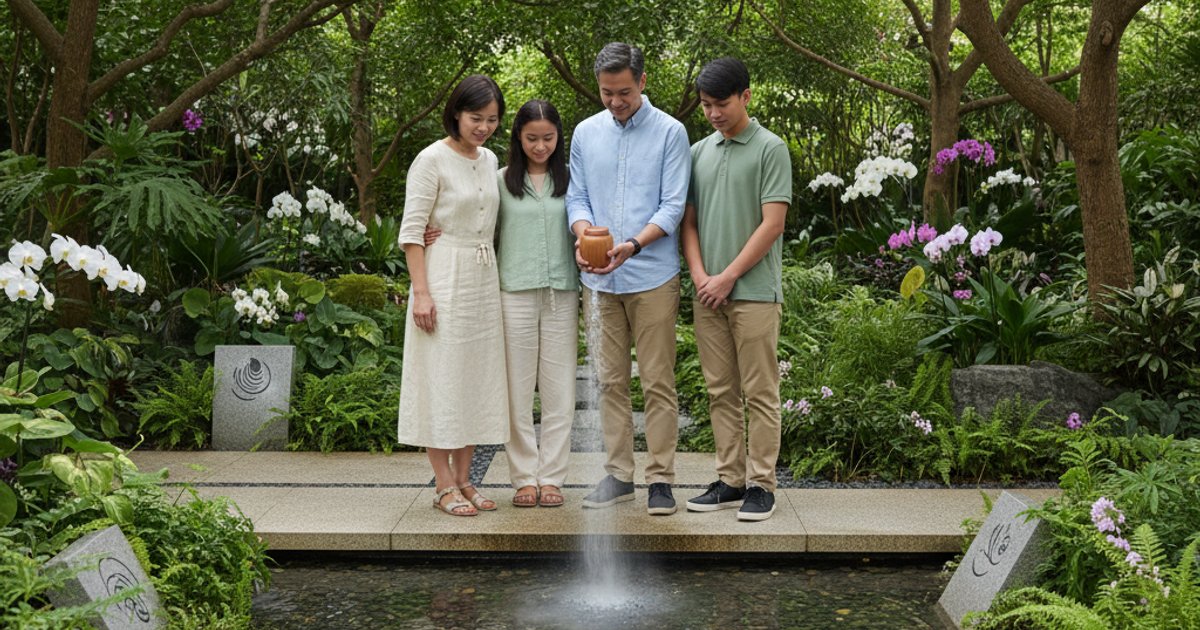
The traditional notion of a fixed burial plot is gradually giving way to more flexible and sustainable choices. Many families now opt for columbarium niches, which offer a permanent place for remembrance without the extensive land use. Others are choosing ash scattering, either at sea or in designated inland ash scattering gardens, finding solace in returning their loved ones’ remains to nature. A 2025 survey by the Singapore Funeral Directors Association indicated that 65% of respondents under 40 years old expressed a preference for ash scattering or columbarium placement over traditional burial. This highlights a generational shift in attitudes. Furthermore, the rise of digital memorials allows families to create enduring tributes that can be accessed from anywhere, fostering a sense of connection even across geographical distances. This adaptability underscores a resilient community finding new ways to honor their deceased in a rapidly changing urban landscape.
Frequently Asked Questions
What is the current cremation rate in Singapore?
The cremation rate in Singapore has significantly increased, reaching over 80% of all deaths in 2025, according to the National Environment Agency (NEA). This trend is expected to continue rising as land scarcity and cultural shifts influence end-of-life choices.
Are new cremation facilities being built in Singapore?
Yes, Singapore’s urban planning includes strategic expansion and modernization of existing facilities, such as the Mandai Crematorium and Columbarium, and the potential development of new, integrated end-of-life infrastructure. These plans aim to increase capacity and improve accessibility.
How does land scarcity affect end-of-life services in Singapore?
Land scarcity profoundly affects end-of-life services by making traditional burials unsustainable. This drives the government’s policy towards promoting cremation and developing multi-storey columbaria and ash scattering options to maximize land use efficiency.
What are the environmental benefits of cremation in Singapore?
The environmental benefits of cremation include significantly reduced land use compared to burials. Modern crematoriums are also exploring technologies like electric units and advanced filtration to minimize carbon emissions and air pollutants, aligning with Singapore’s sustainability goals.
Can I scatter ashes in Singapore?
Yes, families can scatter ashes in Singapore at designated inland ash scattering gardens, such as those at Choa Chu Kang Cemetery Complex and Mandai Crematorium, or at sea in designated areas. These options provide a dignified and environmentally conscious way to memorialize loved ones.
What is the average cost of cremation services in Singapore?
The average cost of cremation services in Singapore typically ranges from S$1,500 to S$5,000, depending on the service provider, type of urn, and additional memorialization options chosen. This cost is generally lower than traditional burial services.
How is Nirvana Singapore adapting to these urban planning changes?
Nirvana Singapore, a leading provider of comprehensive funeral services, is adapting by offering state-of-the-art columbarium facilities, diverse cremation packages, and integrating sustainable practices. We focus on providing respectful, accessible, and modern end-of-life solutions that align with Singapore’s evolving urban landscape and family preferences.
Last updated: June 10, 2026