When a loved one passes away, most families experience the same immediate feeling—confusion. Emotions are raw, time feels compressed, and yet decisions must be made. In Singapore, there are specific procedures, cultural considerations, and practical steps that need to be addressed, often within a short window.
This guide explains what families should do after a loved one passes away in Singapore, step by step, so you can move forward with clarity instead of panic.
Step 1: Confirm the Passing and Obtain Medical Certification
The very first step depends on where the passing occurs.
If the passing happens in:
- A hospital: Medical staff will issue a Certificate of Cause of Death.
- At home or in a care facility: A doctor must be contacted to certify the passing before anything else can proceed.
Without this certification, funeral arrangements cannot begin. This step is administrative, but it is unavoidable.
Step 2: Contact a Funeral Service Provider Early
Once certification is confirmed, the next critical step is contacting a professional funeral service provider.
Many families delay this because they feel unprepared, but early contact actually reduces stress. A professional provider helps coordinate:
- Body collection and transportation
- Required documentation
- Timeline planning
- Guidance on what must be decided immediately versus later
Providers like Nirvana SG, known for offering Best Funeral Services Singapore, focus on guiding families gently rather than pushing decisions.
Step 3: Arrange Body Collection and Temporary Placement
Body collection is typically arranged shortly after certification. This includes:
- Coordinating with hospitals or residences
- Transporting the deceased respectfully
- Temporary placement at a funeral parlour or other approved location
Families do not need to be present unless they wish to be. What matters is that this step is handled professionally and calmly.
Step 4: Decide on Cremation or Burial (Direction First, Details Later)
One of the earliest decisions families need to consider is whether the farewell will involve:
- Cremation Singapore, or
- Burial in Singapore
At this stage, families only need to determine direction, not every detail.
Key considerations include:
- Religious or cultural traditions
- Family preferences
- Practical constraints such as time and cost
Details like memorial arrangements and rituals can be discussed later with guidance.
Step 5: Choose a Funeral Package That Covers Essentials
Rather than arranging services one by one, most families benefit from selecting a comprehensive package.
Typical Funeral Packages Singapore include:
- Body preparation
- Wake or ceremony coordination
- Transportation logistics
- Religious or cultural rites
- Cremation or burial arrangements
Choosing a package early helps families avoid overlooked details and unexpected costs.
Step 6: Inform Immediate Family and Key Contacts
Once the basic plan is in place, families can begin informing:
- Close relatives
- Employers (for leave arrangements)
- Religious institutions if applicable
There is no need to inform everyone immediately. Prioritise people who need to know early.
Step 7: Prepare for the Wake or Funeral Ceremony
Funeral ceremonies in Singapore vary widely depending on culture, religion, and family wishes.
Preparation typically involves:
- Selecting dates and duration
- Choosing ceremony style (simple or traditional)
- Coordinating prayer services or rites
- Arranging logistics for guests
A structured funeral provider helps ensure nothing essential is missed.
Step 8: Understand Funeral Costs Early
Cost uncertainty adds unnecessary anxiety. Families should ask for:
- Clear pricing breakdowns
- What is included vs optional
- Payment options if needed
Professional providers are transparent from the start, helping families avoid financial regret later.
Step 9: Handle Post-Funeral Arrangements
After the funeral, there are still matters to consider:
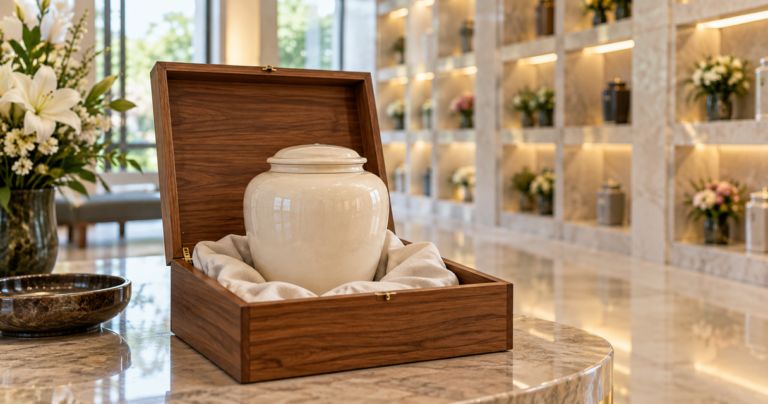
- Ash collection and placement
- Memorial or niche arrangements
- Follow-up prayer services
- Administrative closures
These decisions do not need to be rushed. Most providers continue to support families after the ceremony.
Step 10: Give Yourself Time to Grieve
Finally, remember that not everything needs to be resolved immediately. Emotional processing often begins only after the funeral concludes.
A good funeral service supports both logistics and emotional space, allowing families to move forward at their own pace.
Clarity Makes a Difficult Moment More Manageable
Knowing what to do after a loved one passes away does not make the loss easier—but it makes the experience less overwhelming.
With professional guidance, structured steps, and transparent communication, families can focus on remembrance rather than confusion.