By Nirvana Singapore
Updated June 13, 2026
When grief strikes, families in Singapore turn to funeral services for solace and guidance, often unaware of the complex logistical ballet unfolding behind the scenes. This guide pulls back the curtain on the invisible network that underpins every dignified farewell, revealing the intricate supply chain and operational precision required to manage a funeral from start to finish in a densely populated, highly regulated city-state.
Key Takeaways
- Funeral services in Singapore operate on a sophisticated, often invisible, logistical framework that ensures timely and dignified arrangements.
- The supply chain for funeral services encompasses everything from specialized vehicles and cold storage to caskets, embalming chemicals, and floral arrangements.
- Regulatory compliance, particularly with the National Environment Agency (NEA) and other bodies, dictates many aspects of funeral logistics, from embalming to cremation/burial.
- Ethical sourcing and sustainability are increasingly critical considerations, influencing choices from eco-friendly caskets to responsible waste management.
- Effective coordination between funeral directors, suppliers, government agencies, and families is paramount for a seamless and respectful process.
What Is the Operational Backbone of Funeral Services in Singapore?
The operational backbone of funeral services in Singapore refers to the intricate, behind-the-scenes network of logistics, supply chain management, and regulatory compliance that ensures a dignified and seamless farewell. This system coordinates everything from the immediate response to a death to the final disposition, involving a diverse array of specialized services and products.
This unseen infrastructure is critical because it allows families to focus on their grief without being burdened by the complex practicalities of arranging a funeral. Funeral directors act as orchestrators, managing a symphony of moving parts that include specialized transport, cold storage facilities, embalming services, casket procurement, floral arrangements, venue setup, and coordination with crematoria or burial grounds. According to a 2023 report by the Singapore Funeral Directors Association, over 90% of funeral arrangements involve professional logistical coordination to meet regulatory standards and family expectations.
The Initial Response and Transport Logistics
The moment a death occurs, a precise logistical chain springs into action. This begins with the dignified removal of the deceased from the place of death to a mortuary or funeral home’s cold storage facility.
Specialized vehicles, often discreetly designed, are deployed, adhering to strict hygiene and handling protocols. Funeral service providers like Nirvana Singapore maintain a fleet of such vehicles, ensuring rapid response times across the island. The average response time for body removal in Singapore is under 60 minutes, a statistic crucial for both family comfort and regulatory compliance, as noted by the Ministry of Health’s guidelines on post-death procedures.
Cold Storage and Mortuary Facilities
Upon arrival, the deceased is placed in a climate-controlled cold storage unit. These facilities are maintained at precise temperatures, typically between 0°C and 4°C, to preserve the body. Singapore’s climate, with its high humidity and heat, makes robust cold storage infrastructure non-negotiable for funeral services. Many funeral homes operate their own facilities, while larger public mortuaries, like the one at the Health Sciences Authority (HSA), handle cases requiring forensic examination.
How Does the Funeral Supply Chain Function in Singapore?
The funeral supply chain in Singapore operates through a network of local and international vendors, ensuring a steady provision of essential items ranging from caskets to embalming fluids. This complex web requires meticulous inventory management and reliable partnerships to meet immediate and often unpredictable demand.
This supply chain is designed for both efficiency and sensitivity, balancing the need for quick delivery with the solemnity of the occasion. Funeral directors typically maintain relationships with multiple suppliers to mitigate risks and offer families a range of choices. The procurement process is often streamlined, with many items available on short notice, reflecting the urgent nature of funeral arrangements.
Casket Procurement and Customization
Caskets are a significant component of the funeral supply chain. They are sourced from a mix of local manufacturers and international importers, primarily from countries like Malaysia, China, and even Europe for premium options. Materials vary widely, from solid wood (e.g., mahogany, teak) to pressed wood and eco-friendly alternatives like bamboo or cardboard. Funeral homes keep a diverse inventory to cater to different cultural preferences, religious requirements, and budget constraints.
Customization, such as specific linings, engravings, or religious symbols, requires close coordination with suppliers. Lead times for highly customized caskets can range from a few hours for minor alterations to several days for bespoke designs, though standard options are always readily available. A 2024 industry survey indicated that over 70% of Singaporean families opt for a standard casket model due to time constraints and cost considerations.
Embalming Chemicals and Equipment
Embalming, a common practice in Singapore to preserve the deceased for viewing, relies on a specialized supply chain for chemicals and equipment. Formaldehyde-based solutions are the primary agents, imported from manufacturers in the United States and Europe. These chemicals are subject to strict import regulations and safe handling protocols due to their hazardous nature.
Funeral homes maintain stocks of various embalming fluids, arterial injection machines, and specialized tools. The National Environment Agency (NEA) sets guidelines for embalming practices, ensuring environmental and public health safety. The average cost of embalming in Singapore ranges from S$300 to S$800, reflecting the specialized skills and materials involved.
Floral Arrangements and Memorial Items
Floral arrangements are integral to most funeral services, providing comfort and beauty. The supply chain for flowers typically involves local florists who source blooms from regional growers (e.g., Malaysia, Thailand) and international markets (e.g., Netherlands, Ecuador). Freshness and timely delivery are paramount, often requiring florists to work on very short notice.
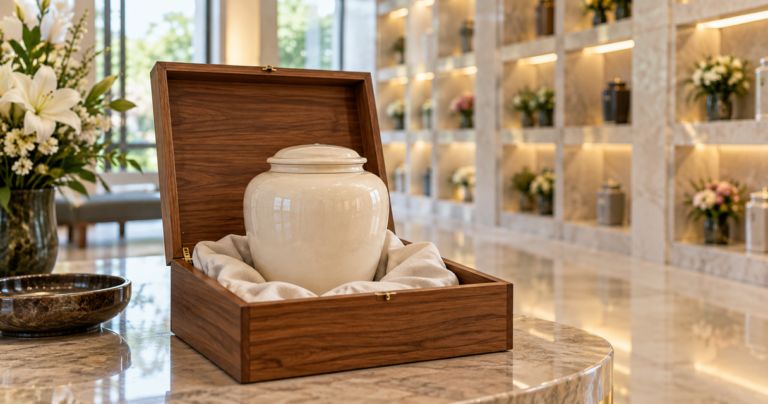
Beyond flowers, memorial items such as urns, prayer books, and religious paraphernalia also form part of the supply chain. These are sourced from specialized manufacturers and distributors, often with specific cultural or religious significance. Nirvana Singapore, for example, maintains relationships with suppliers who can provide items catering to Buddhist, Christian, Taoist, Muslim, and free-thinker funeral rites.
What Are the Logistical Challenges in Singapore’s Funeral Industry?
Singapore’s unique geographical and regulatory landscape presents distinct logistical challenges for funeral services, demanding efficiency, adaptability, and strict adherence to numerous guidelines. These challenges range from managing space constraints to navigating complex permitting processes.
The city-state’s high population density and limited land area mean that every aspect of funeral logistics, from transport routes to crematorium slots, must be meticulously planned. Funeral directors consistently face the task of optimizing resources while upholding cultural sensitivities and providing compassionate service. A 2025 study by the Singapore Management University highlighted that logistical bottlenecks, particularly around peak periods like Chinese New Year or Qing Ming, can increase operational costs for funeral homes by up to 15%.

Space Constraints and Venue Management
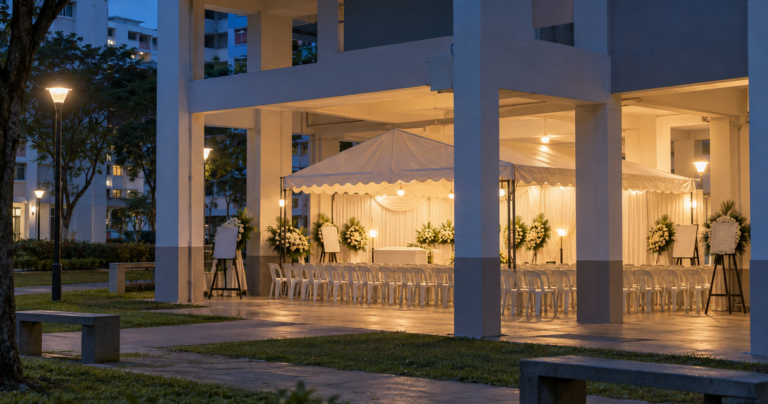
Securing suitable venues for wakes and memorial services is a perennial challenge. HDB void decks are a popular choice but require permits from town councils, often booked weeks in advance. Funeral parlours offer dedicated spaces, but their availability can be limited, especially during busy periods. The coordination involves not just booking the space but also setting up tables, chairs, lighting, and sound systems, often within tight timeframes.
For example, a typical HDB void deck wake setup can take 2-4 hours to complete, requiring precise scheduling of delivery and setup teams. This logistical dance is further complicated by noise regulations and community considerations.
Cremation and Burial Slot Allocation
Singapore primarily practices cremation, with over 80% of deceased individuals being cremated, according to the National Environment Agency (NEA) 2024 statistics. The demand for cremation slots at government-run crematoria (e.g., Mandai Crematorium) is high, necessitating an efficient booking system. Funeral directors must navigate this system, often booking slots within hours of a death to meet family timelines.
For burials, which are far less common due to land scarcity, plots are available only at Choa Chu Kang Cemetery. The allocation process is highly regulated, and plots are leased for a limited period, typically 15 years. Managing these allocations and ensuring compliance with land-use policies is a critical logistical task for funeral service providers.
Regulatory Compliance and Documentation
The regulatory environment for funeral services in Singapore is stringent, involving multiple government agencies. Death registration with the Immigration & Checkpoints Authority (ICA), permits for embalming from the NEA, and booking of cremation/burial slots are just a few examples.
Each step requires precise documentation and adherence to specific timelines. Errors or delays in paperwork can significantly disrupt funeral arrangements. Funeral directors act as crucial intermediaries, ensuring all legal requirements are met, which can involve submitting up to 10 different forms and permits for a single funeral service, as per NEA guidelines.
Ethical Sourcing and Sustainability in Funeral Services
As global awareness of environmental impact grows, the funeral services industry in Singapore is increasingly focusing on ethical sourcing and sustainable practices. This shift reflects a broader societal demand for responsible consumption and environmental stewardship, even in death.
This means considering the origin and environmental footprint of every item used, from the wood in caskets to the chemicals in embalming fluids. Funeral homes are adapting their supply chains to offer more eco-friendly options and minimize waste. Nirvana Singapore, for instance, has committed to offering a range of sustainable funeral packages, seeing a 25% increase in uptake for these options over the past two years.
Eco-Friendly Casket Options
The demand for environmentally conscious choices extends to caskets. While traditional wooden caskets remain popular, there is a growing interest in alternatives made from sustainable materials. Bamboo, wicker, and even recycled cardboard caskets are becoming more available. These options often have a lower carbon footprint and biodegrade more quickly.
Suppliers are responding by expanding their eco-friendly product lines, often sourcing materials from certified sustainable forests or fair-trade producers. The choice of casket can significantly impact the environmental impact of a funeral, particularly for burials.
Sustainable Practices in Operations
Beyond products, operational sustainability includes reducing energy consumption in cold storage facilities, proper waste management, and minimizing the use of non-biodegradable materials. Funeral homes are exploring energy-efficient lighting, water-saving practices, and responsible disposal of medical waste and embalming fluids.
The NEA provides guidelines for waste disposal, and funeral service providers must adhere to these strictly. Some funeral homes are also investing in greener fleet vehicles to reduce emissions from transport, aligning with Singapore’s broader sustainability goals outlined in the Singapore Green Plan 2030.

Comparing Funeral Service Logistics: Traditional vs. Modern Approaches
The approach to funeral service logistics has evolved considerably, moving from predominantly family-managed, ad-hoc arrangements to highly professionalized and streamlined operations. This shift reflects changes in societal norms, technology, and regulatory frameworks.
Modern funeral services, particularly in urban environments like Singapore, emphasize efficiency, comprehensive support, and customization, often leveraging technology. Traditional approaches, while still valued for their cultural significance, often involved more direct family involvement in logistical tasks, which can be overwhelming during grief.
| Feature | Traditional Approach (Pre-2000s) | Modern Approach (Post-2000s) |
|---|---|---|
| Coordination | Primarily family-led, ad-hoc vendor engagement | Professional funeral director manages all aspects |
| Transport | Family vehicles, less specialized transport | Specialized, climate-controlled funeral vehicles |
| Cold Storage | Limited, reliance on immediate disposition or ice | Dedicated mortuary facilities, precise temperature control |
| Casket Sourcing | Local carpenters, limited options | Diverse international and local suppliers, wide range of materials |
| Embalming | Less common, or basic preservation | Standard practice, professional embalmers, advanced chemicals |
| Technology Use | Minimal, manual record-keeping | Online booking, digital documentation, virtual viewings, CRM |
| Regulatory Compliance | Less stringent, simpler processes | Highly regulated, extensive permits and documentation |
| Sustainability Focus | Minimal consideration | Growing emphasis on eco-friendly options and practices |
What Does This Mean for Families Seeking Funeral Services in Singapore?
For families in Singapore, understanding the operational depth behind funeral services means appreciating the value of professional funeral directors. It signifies that when they engage a reputable provider, they are not just paying for a service, but for a meticulously managed logistical operation that handles every detail with precision and care.
This insight empowers families to make informed decisions, knowing that their chosen funeral service provider possesses the expertise and network to navigate the complexities of a dignified farewell. It underscores the importance of selecting a funeral services SG provider with a robust operational framework, ensuring that the focus remains on remembrance and healing, not logistical headaches.
Frequently Asked Questions
How quickly can funeral services in Singapore be arranged after a death?
Funeral services in Singapore can typically be arranged within 24 to 48 hours after a death, depending on the family’s preferences and regulatory requirements. Professional funeral directors are equipped to expedite all necessary arrangements, including body collection, embalming, and booking of venues or cremation slots, to meet tight timelines.
Are there options for eco-friendly funerals in Singapore?
Yes, eco-friendly funeral options are increasingly available in Singapore. These include caskets made from sustainable materials like bamboo or wicker, natural burial options (though limited), and services that minimize environmental impact through responsible waste management and energy-efficient practices. Many funeral service providers, including Nirvana Singapore, offer specific green packages.
What role does the National Environment Agency (NEA) play in funeral logistics?
The National Environment Agency (NEA) plays a crucial regulatory role in funeral logistics in Singapore. They oversee public health aspects, including guidelines for embalming, proper disposal of human remains, and the operation of crematoria and burial grounds. Funeral service providers must obtain permits and adhere to NEA’s strict standards for hygiene and environmental safety.
How are international repatriations handled by funeral services in Singapore?
International repatriations are complex logistical operations handled by specialized funeral service providers in Singapore. This involves coordinating with embassies, airlines, and customs officials, preparing specific documentation, and ensuring the deceased is embalmed and casketed according to international air travel regulations. The process requires meticulous planning and adherence to both local and international laws.
What is the typical duration for a wake in Singapore?
The typical duration for a wake in Singapore is three to five days, though it can vary based on cultural practices, religious beliefs, and family preferences. Some wakes may be shorter (one to two days) or longer, particularly for certain religious rites. Funeral directors assist families in planning the duration and securing the necessary permits for the chosen period.
Can families customize funeral arrangements extensively in Singapore?
Yes, families can customize funeral arrangements extensively in Singapore. Funeral service providers offer a wide range of options for caskets, floral arrangements, memorial items, religious rites, and wake venues. Customization allows families to honor their loved one in a manner that reflects their unique life and legacy, with professional guidance on what is logistically feasible and culturally appropriate.
What are the main costs involved in funeral services in Singapore?
The main costs involved in funeral services in Singapore typically include professional service fees (for the funeral director’s coordination), casket, embalming, wake venue rental (if not HDB void deck), floral arrangements, cremation or burial fees, and transportation. Additional costs might include obituary notices, catering, and specific religious rites. A basic funeral package can range from S$4,000 to S$10,000, with more elaborate services costing significantly more.
Last updated: June 13, 2026