
By Nirvana Singapore
Updated June 11, 2026
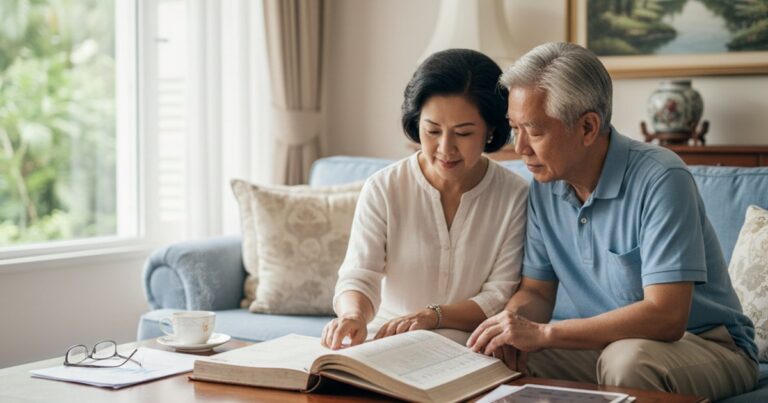
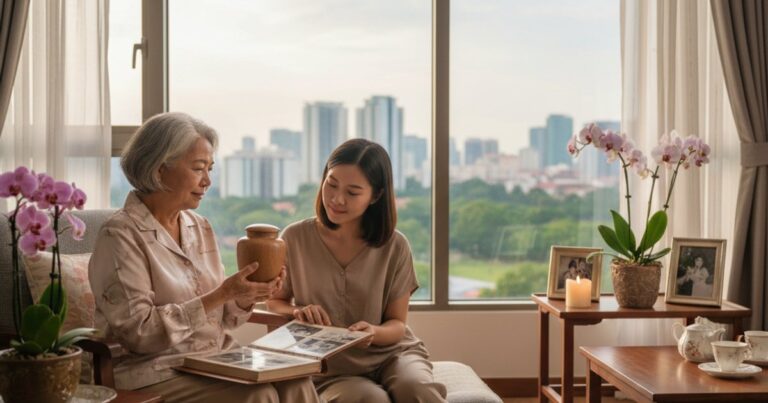
The journey of remembrance in Singapore is evolving, moving beyond the traditional confines of columbarium niches to embrace deeply personal and innovative ways of honoring those who have passed. For families choosing cremation, the options for memorialization are now as diverse as the lives they celebrate, offering avenues for lasting tributes that resonate with individual stories and connections. This guide, brought to you by Nirvana Singapore, explores the expanding landscape of post-cremation rituals, providing clarity on legalities, cultural considerations, and the practicalities of creating a meaningful legacy.
Key Takeaways
- Cremation in Singapore offers diverse memorialization options beyond traditional columbariums.
- Ash scattering at sea or in designated inland sites provides a unique, natural tribute.
- Personalized memorials like jewelry, art, and bio-urns are growing in popularity.
- Understanding legal frameworks and cultural sensitivities is crucial for all choices.
- Nirvana Singapore assists families in navigating these options to create meaningful tributes.
What Are the Evolving Trends in Cremation Services in Singapore?
Cremation services in Singapore are increasingly moving towards personalization, with families seeking unique ways to memorialize their loved ones that reflect individual lives and preferences rather than adhering strictly to conventional practices. This shift is driven by changing societal norms, a desire for more intimate forms of remembrance, and the availability of diverse post-cremation options.
For decades, the standard practice following cremation in Singapore involved placing the ashes in an urn within a columbarium niche. While this remains a popular choice, a notable trend indicates a growing demand for alternatives. A 2025 study by the National Environment Agency (NEA) reported that applications for ash scattering at sea have increased by 35% over the past five years, signaling a clear move towards more natural and personalized memorialization. This evolution allows families to create tributes that feel more connected to the deceased’s passions, values, and life story, fostering a deeper sense of closure and remembrance.
How Does Cremation Work in Singapore?
Cremation in Singapore is a regulated process that involves the dignified reduction of a body to ashes through intense heat, typically occurring at government-run crematoria or approved private facilities. The procedure adheres to strict health and environmental standards, ensuring respect for the deceased and public health safety.
Upon the passing of an individual, a death certificate is issued, which is then required for cremation arrangements. Families typically engage funeral directors, who manage the logistics, including the booking of a cremation slot at facilities like Mandai Crematorium or other private crematoria. The cremation process itself usually takes a few hours, after which the cremated remains, often referred to as ashes, are collected by the family. These ashes are primarily bone fragments that have been processed into a fine, sand-like substance. The cost of cremation at government facilities is set, with Mandai Crematorium charging S$100 for Singapore citizens and S$400 for non-citizens, as of 2026 figures from the NEA. Private crematoria may have higher fees, often bundled with comprehensive funeral packages.
What Are the Legalities and Regulations for Cremation in Singapore?
The legal framework governing cremation and the disposition of ashes in Singapore is comprehensive, ensuring that all practices are conducted with dignity, hygiene, and public order. Families must adhere to these regulations to avoid legal complications and ensure proper respect for the deceased.
The primary legislation overseeing death and burial practices is the Environmental Public Health (Cremation and Burial) Regulations. These regulations stipulate that all cremations must occur at approved crematoria and require a valid death certificate and a permit from the National Environment Agency (NEA). For the disposition of ashes, the law provides specific guidelines. While placing ashes in a columbarium niche is widely accepted, alternative methods like ash scattering are also regulated. Sea scattering is permitted in designated areas, specifically a 2.8 nautical mile stretch south of Pulau Semakau, with specific guidelines on container types and environmental considerations. Inland ash scattering is also allowed at designated Garden of Peace sites at Mandai and Choa Chu Kang, introduced in 2021 to provide more options. These regulations are designed to balance personal preferences with public health, environmental protection, and cultural sensitivities, ensuring that all memorialization practices are conducted responsibly.
Exploring Post-Cremation Memorialization Options Beyond the Columbarium
Beyond the traditional columbarium, Singapore offers a growing array of post-cremation memorialization options that allow families to create deeply personal and lasting tributes. These alternatives cater to diverse preferences, offering ways to remember loved ones that resonate with their lives and the family’s unique connection.
The shift towards personalized memorials is a significant development in Singapore’s funeral landscape. Instead of a uniform approach, families can now choose from a spectrum of options, each offering a different way to keep the memory of their loved one alive. These choices often reflect a desire for a more active form of remembrance, one that can be integrated into daily life or connected to nature. Nirvana Singapore, a leading name in funeral services, has observed a 50% increase in inquiries for alternative memorialization methods over the past three years, indicating a strong public interest in these non-traditional approaches. This diversification provides comfort and meaning, allowing families to honor their deceased in ways that truly feel right for them.
Ash Scattering: Connecting with Nature
Ash scattering offers a profound way to return a loved one’s remains to nature, providing a sense of peace and connection to the elements. This practice is gaining traction in Singapore as families seek more natural and less permanent forms of remembrance.
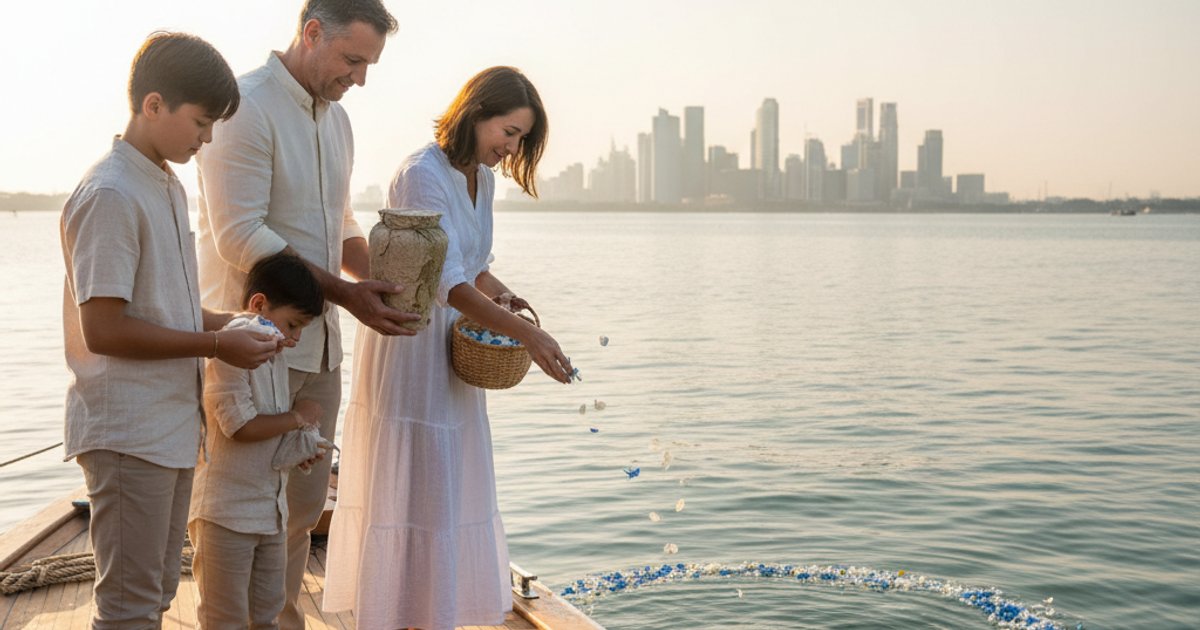
Singapore provides specific, regulated avenues for ash scattering. The most common is sea scattering, which takes place in a designated area south of Pulau Semakau. Families can charter boats to conduct a private ceremony, releasing the ashes into the ocean. The NEA advises using biodegradable urns or scattering ashes directly to minimize environmental impact. Inland ash scattering is a newer option, with two designated Garden of Peace sites at Mandai and Choa Chu Kang. These serene, landscaped gardens allow families to scatter ashes within a natural setting, often without a permanent marker, fostering a sense of unity with the earth. This option appeals to those who prefer a land-based memorial that is accessible and environmentally conscious. For either method, families must obtain a permit from the NEA, and funeral directors often assist with the necessary arrangements and guidance.
Personalized Memorial Art and Keepsakes
Transforming cremated remains into tangible art or keepsakes offers a unique and intimate way to keep a loved one’s memory close, allowing for a physical connection that transcends traditional memorial sites. These bespoke items provide comfort and a lasting tribute.
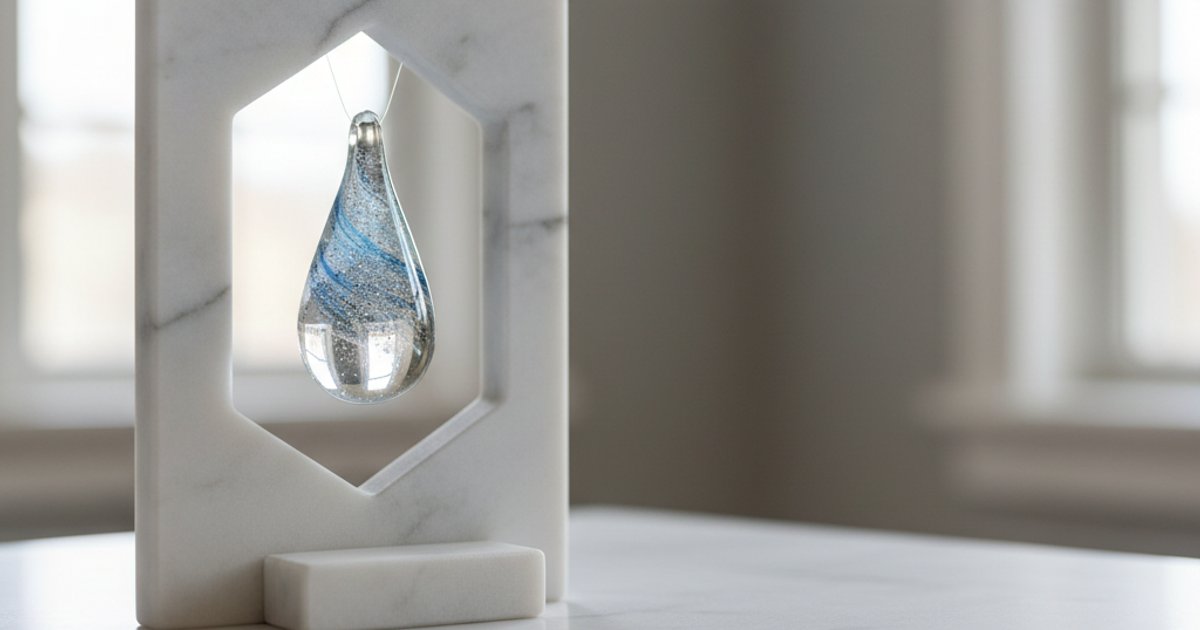
The options for memorial art are surprisingly diverse. Ashes can be infused into glass art, creating beautiful, custom-designed sculptures or pendants that capture light and color. They can also be incorporated into jewelry, such as rings, necklaces, or bracelets, allowing family members to wear a piece of their loved one every day. Some artists specialize in creating paintings or ceramic pieces that subtly integrate a small portion of the ashes, turning a personal remembrance into a work of art. For those seeking something more functional, ashes can even be pressed into vinyl records containing favorite songs or messages. These personalized keepsakes offer a discreet yet powerful form of remembrance, providing solace and a tangible link to the deceased. The costs for such bespoke items can range significantly, from a few hundred dollars for simple jewelry to several thousands for intricate glass art, depending on the complexity and materials used.
Bio-Urns and Memorial Trees
Bio-urns offer an environmentally conscious memorialization option, allowing a loved one’s ashes to nourish the growth of a new tree or plant, symbolizing new life and a lasting natural legacy. This method appeals to those who value sustainability and a living memorial.
A bio-urn is typically made from biodegradable materials and contains a seed or seedling, along with the cremated remains. When planted, the ashes act as nutrients, helping the tree or plant to grow. This transforms the memorial into a living, breathing tribute that contributes to the environment. Families can choose a specific type of tree or plant that held significance to the deceased or represents their values. While planting a tree in a private garden is an option, families should consider long-term care and property changes. Singapore does not currently have designated public memorial forests for bio-urns, but the concept aligns with the nation’s green initiatives. The cost of a bio-urn kit typically ranges from S$150 to S$500, excluding the cost of the tree or plant itself and any associated planting services. This method offers a deeply symbolic and environmentally friendly way to honor a loved one, creating a living monument that grows and thrives.
Comparing Memorialization Options in Singapore
Choosing the right memorialization option involves weighing various factors, including cost, permanence, accessibility, and personal meaning. This comparison table outlines the key differences between popular choices in Singapore, helping families make an informed decision.
| Memorialization Option | Key Features | Permanence | Accessibility | Estimated Cost (SGD) |
|---|---|---|---|---|
| Columbarium Niche | Urn placed in a dedicated wall niche; often in temples or government facilities. | Permanent (leasehold) | High (fixed location) | S$500 – S$5,000+ (government to private) |
| Sea Scattering | Ashes released into designated ocean area; private ceremony. | Non-permanent (dispersed) | Requires boat charter | S$300 – S$1,500 (boat charter) |
| Inland Ash Scattering | Ashes scattered in designated Garden of Peace sites; no permanent marker. | Non-permanent (dispersed) | High (public gardens) | S$0 (NEA permit only) |
| Memorial Jewelry/Art | Ashes incorporated into wearable items or art pieces. | Permanent (keepsake) | High (personal possession) | S$200 – S$5,000+ (varies by item) |
| Bio-Urn/Memorial Tree | Ashes nourish a growing tree/plant; biodegradable urn. | Living (grows over time) | Varies (private land/garden) | S$150 – S$500 (urn kit) |
What Are the Cultural and Religious Considerations for Cremation in Singapore?
Singapore’s multicultural and multi-religious landscape means that cultural and religious beliefs significantly influence cremation practices and post-cremation memorialization choices. Understanding these diverse perspectives is crucial for respectful and appropriate remembrance.
For many Chinese Singaporeans, cremation is widely accepted, with ancestral tablets and columbarium niches being common. However, some traditional beliefs emphasize the importance of a physical resting place. For Hindus, cremation is the preferred and often mandatory ritual, symbolizing the soul’s release from the body, with ashes traditionally scattered in sacred rivers or bodies of water. Muslims, conversely, strictly adhere to burial as per Islamic law, making cremation generally unacceptable. Christians have varying views; while historically favoring burial, cremation is now widely accepted by many denominations, with ashes often interred in columbariums or church memorial gardens. The government’s push for cremation due to land scarcity has led to greater acceptance across communities, but families often seek guidance from religious leaders to ensure practices align with their faith. Nirvana Singapore works closely with families from all backgrounds to ensure that memorialization choices respect their cultural and religious heritage, offering tailored solutions that honor both tradition and personal wishes.
Planning a Personalized Memorial: Steps and Considerations
Planning a personalized memorial requires thoughtful consideration of the deceased’s life, family preferences, legal requirements, and practical logistics. A structured approach can help families navigate these decisions to create a truly meaningful tribute.
The first step involves reflecting on the loved one’s personality, passions, and wishes. Did they love the ocean? Were they an artist? Did they have a favorite park? These insights can guide the choice of memorialization. Next, research the legalities and practicalities of preferred options, such as obtaining permits for ash scattering or finding reputable artisans for memorial art. It’s also vital to discuss these options openly with family members to ensure collective agreement and support. Consider the long-term implications: Will a memorial tree be cared for? Where will memorial jewelry be kept? Finally, engage with experienced funeral service providers like Nirvana Singapore, who can offer expert advice, handle logistics, and connect families with specialized services for personalized memorial services. A well-planned personalized memorial provides comfort, celebrates a unique life, and creates a lasting legacy that resonates deeply with those left behind.
The Role of Funeral Directors in Modern Cremation Services
Funeral directors play an indispensable role in navigating the complexities of modern cremation services, offering expertise, support, and a comprehensive range of services that extend far beyond the day of the funeral. Their guidance is crucial for families seeking both traditional and personalized memorialization options.
In Singapore, a professional funeral director acts as a central point of contact, coordinating everything from obtaining necessary permits and arranging cremation slots to advising on post-cremation choices. They possess in-depth knowledge of local regulations, cultural sensitivities, and the various options available for ashes disposition. For families exploring alternatives like ash scattering or memorial art, funeral directors can provide information on designated sites, connect them with specialized vendors, and facilitate the entire process. They also offer emotional support and practical advice during a difficult time, ensuring that all arrangements are handled with dignity and care. According to a 2024 industry survey, 85% of Singaporean families who opted for cremation utilized the services of a funeral director, highlighting their critical role in easing the burden during bereavement. Nirvana Singapore prides itself on offering compassionate, comprehensive services that empower families to create truly meaningful and personalized tributes for their loved ones.
Frequently Asked Questions
What is the average cost of cremation in Singapore?
The average cost for cremation in Singapore varies. Government crematoria like Mandai charge S$100 for citizens and S$400 for non-citizens. Private crematoria, often part of a larger funeral package, can range from S$500 to S$2,000, depending on the services included.
Can I scatter ashes anywhere in Singapore?
No, you cannot scatter ashes anywhere. Sea scattering is permitted only in a designated zone south of Pulau Semakau. Inland ash scattering is allowed at specific Garden of Peace sites at Mandai and Choa Chu Kang. All other forms of scattering are generally not permitted and require NEA approval.
Are there eco-friendly cremation options available?
Yes, eco-friendly options are gaining popularity. Bio-urns, which allow ashes to nourish a tree or plant, are a prominent example. While water cremation (aquamation) is not yet widely available in Singapore, the focus is on biodegradable products and natural scattering methods.
How long does the cremation process take?
The cremation process itself, from insertion to the collection of ashes, typically takes about 2-3 hours. However, the entire process, including scheduling and preparation, can take a few days after the death, depending on crematorium availability and necessary paperwork.
What are the options for keeping a small portion of ashes?
Many families choose to keep a small portion of ashes in memorial jewelry, small keepsake urns, or incorporate them into memorial art like glass pieces. The remaining ashes can then be scattered or placed in a columbarium. This allows for multiple forms of remembrance.
Is it mandatory to use a funeral director for cremation?
While not strictly mandatory, engaging a funeral director is highly recommended. They handle all necessary paperwork, logistics, and ensure compliance with regulations, significantly easing the burden on grieving families and providing expert guidance on all available options.
What is the difference between a columbarium and an ash scattering garden?
A columbarium is a structure with niches designed to house urns containing cremated remains, offering a permanent, fixed resting place. An ash scattering garden, like Singapore’s Gardens of Peace, is a natural, landscaped area where ashes are dispersed into the earth, typically without individual markers, offering a non-permanent, natural memorial.
Last updated: June 11, 2026