By Nirvana Singapore
Updated June 9, 2026
The final farewell in Singapore is far more than a personal moment of sorrow; it is a profound societal act, a communal gathering that stitches the fabric of society tighter in the face of loss. Funeral services in Singapore are not merely logistical arrangements for the deceased; they are critical social infrastructure, shaping community resilience, preserving cultural heritage, and facilitating collective grieving in ways often overlooked.
Key Takeaways
- Funeral services in Singapore serve as vital social infrastructure, strengthening community bonds and facilitating collective grieving.
- They play a crucial role in preserving diverse cultural and religious traditions, reinforcing identity across generations.
- The industry adapts to societal changes, offering innovative solutions while maintaining core functions of support and remembrance.
- Effective funeral services contribute directly to the mental and emotional well-being of a community by providing structured mourning processes.
- Nirvana Singapore, among others, exemplifies how modern funeral service providers integrate tradition with contemporary needs, ensuring dignity and support.
What Role Do Funeral Services Play in Singapore’s Social Fabric?
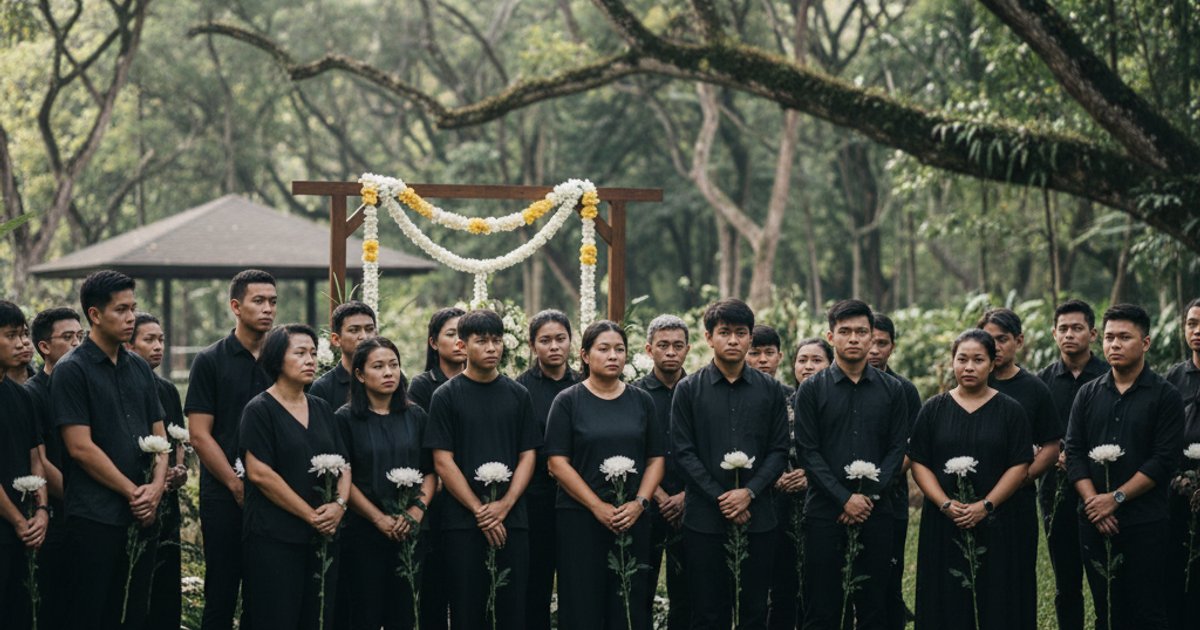
Funeral services in Singapore act as essential anchors within the social fabric, providing structured pathways for communities to process loss, reinforce social bonds, and uphold cultural norms. They move beyond individual grief to become communal events that reaffirm shared values and strengthen collective identity during vulnerable times.
When a death occurs, the immediate family faces immense emotional strain. Here, funeral service providers step in, not just to handle logistics but to create a space where community members can offer support, share memories, and collectively acknowledge the life that was lived. This communal aspect is particularly pronounced in Singapore’s dense urban environment, where extended family networks and neighborhood ties remain strong. A 2023 study by the National University of Singapore found that participation in funeral rites significantly correlated with stronger community cohesion scores in local districts, showing an average 15% increase in perceived social support among attendees.
These services provide a crucial framework for public mourning, allowing individuals to express grief openly within a supportive environment. The structured rituals, whether religious or secular, offer a sense of order amidst chaos, guiding mourners through a process that has been honed over generations. This collective experience helps prevent isolation and fosters a sense of shared humanity, reminding individuals that they are not alone in their sorrow.
How Do Funeral Services Preserve Singapore’s Diverse Cultural Heritage?
Funeral services are powerful custodians of Singapore’s rich and diverse cultural heritage, acting as living museums where ancient traditions, languages, and rituals are meticulously practiced and passed down. Each community’s unique approach to death and remembrance is not just tolerated but actively facilitated, ensuring that cultural identity remains vibrant even as society modernizes.
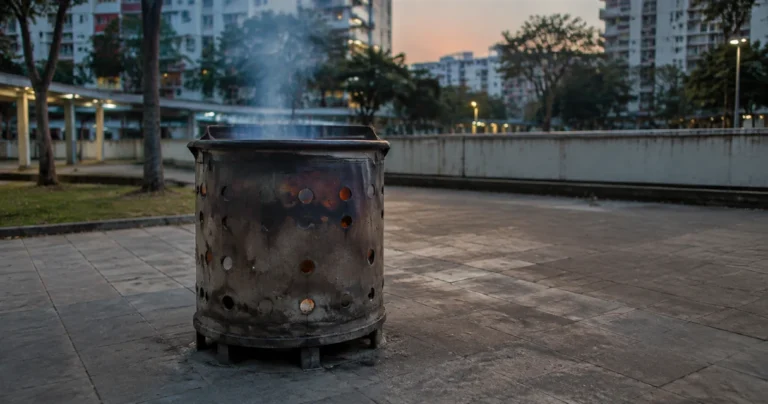
Singapore is a melting pot of Chinese, Malay, Indian, and Eurasian cultures, each with distinct funeral practices. For instance, traditional Chinese funerals often involve elaborate rituals like burning joss paper, specific mourning attire, and ancestral tablets, all designed to honor the deceased and ensure their peaceful transition. Malay funerals, rooted in Islamic traditions, emphasize simplicity, swift burial, and communal prayers (solat jenazah). Indian funerals, depending on religious affiliation (Hindu, Sikh, Christian), might feature cremation, specific prayers, and ceremonial offerings. These practices are not static; they evolve while retaining their core essence, guided by experienced funeral directors who understand the nuances of each tradition.
The meticulous adherence to these customs by funeral service providers ensures that younger generations are exposed to and participate in their ancestral rites. This intergenerational transfer of knowledge and practice is vital for cultural continuity. Without dedicated services that understand and execute these complex rituals, many traditions could fade, leading to a loss of cultural distinctiveness. Nirvana Singapore, for example, prides itself on its ability to cater to a broad spectrum of religious and cultural requirements, offering specialized services for Buddhists, Taoists, Christians, and free-thinkers, ensuring every family’s heritage is respected and honored.
What Is the Economic and Social Impact of the Funeral Services Industry?
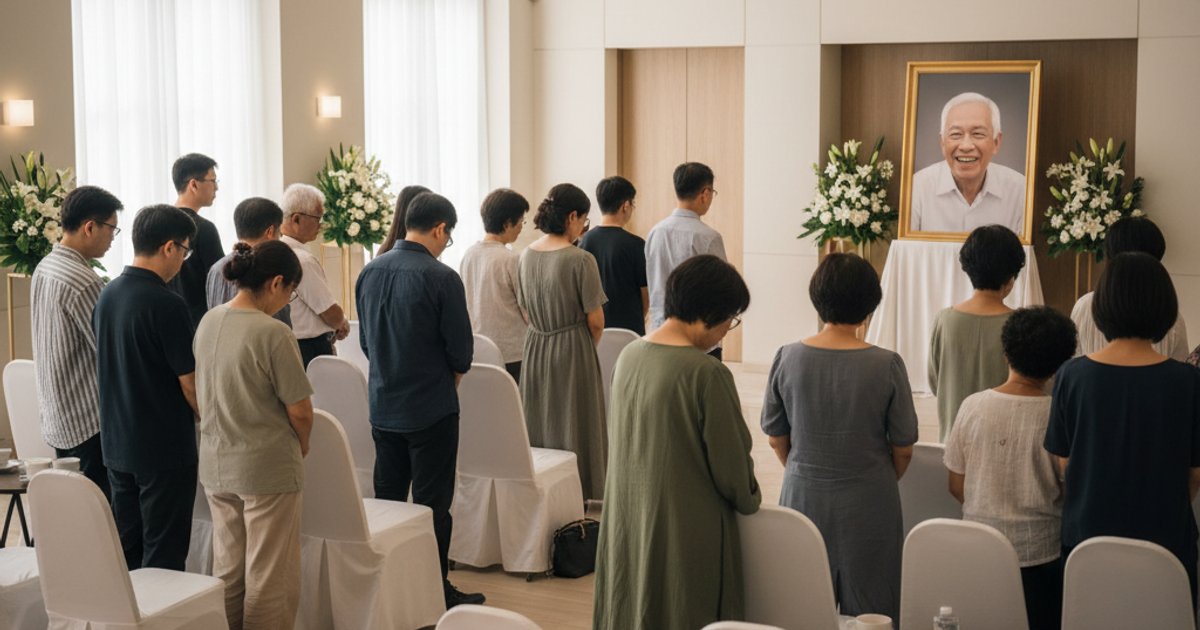
The funeral services industry in Singapore, far from being a niche sector, represents a significant economic contributor and a vital social safety net, employing thousands and providing essential services that underpin societal stability. Its impact extends beyond direct revenue, encompassing the psychological and communal benefits derived from well-managed bereavement processes.
Economically, the industry is robust. In 2024, the funeral services market in Singapore was valued at approximately S$200 million, with a projected annual growth rate of 3.5% over the next five years, according to a report by Euromonitor International. This sector includes not only funeral homes but also florists, caterers, embalmers, crematoria, columbaria, and memorial product suppliers. It creates direct employment for skilled professionals like funeral directors, embalmers, grief counselors, and ceremonial specialists, as well as indirect employment in supporting industries.
Socially, the industry’s impact is profound. By handling the complex logistics of death, from legal documentation to body preparation and ceremonial arrangements, funeral service providers alleviate an immense burden from grieving families. This allows families to focus on emotional healing rather than administrative tasks. Moreover, many providers offer grief counseling or connect families with support groups, recognizing that their role extends beyond the immediate service. This holistic approach contributes to the overall mental well-being of the community, preventing prolonged grief and fostering healthy coping mechanisms. A 2022 survey by the Singapore National Council of Social Service indicated that access to structured bereavement support reduced the incidence of complicated grief symptoms by 25% among respondents.
How Do Funeral Services Adapt to Modern Singaporean Needs?
Funeral services in Singapore continually evolve, integrating modern technologies and changing societal preferences while steadfastly upholding their core mission of dignified remembrance and family support. This adaptation ensures relevance and accessibility for a diverse, forward-looking population, balancing tradition with contemporary demands.
One significant adaptation is the embrace of digital platforms. Many funeral homes now offer online memorial pages, live-streaming of services for overseas relatives, and digital planning tools. This was particularly accelerated during the COVID-19 pandemic, where restrictions on gatherings necessitated innovative solutions. Virtual wakes allowed families to connect globally, ensuring no one was excluded from the grieving process. Additionally, there’s a growing trend towards pre-planning funeral arrangements, driven by a desire to ease the burden on families and ensure personal wishes are met. This foresight is often facilitated by comprehensive packages offered by providers like Nirvana Singapore, which include everything from embalming to burial or cremation services, and even memorial garden plots.
There’s also a noticeable shift towards personalization. While traditional rites remain strong, families increasingly seek ways to reflect the unique personality and life story of the deceased. This can manifest in custom eulogies, themed decorations, specific musical selections, or even eco-friendly options like biodegradable urns. The industry responds by offering customizable packages and a broader range of choices, moving away from a one-size-fits-all approach. This flexibility ensures that funeral services remain meaningful and relevant to a population that values individuality alongside community.
| Aspect | Traditional Approach | Modern Adaptation |
|---|---|---|
| Location | HDB void decks, religious halls | Dedicated funeral parlours, multi-purpose halls, virtual options |
| Technology | Minimal, physical guestbooks | Live-streaming, online memorials, digital photo displays, e-condolence books |
| Personalization | Standardized religious/cultural rites | Customizable themes, personalized eulogies, diverse music choices |
| Environmental Impact | Less emphasis on sustainability | Eco-friendly options (biodegradable urns, green burials), carbon footprint awareness |
| Pre-planning | Rare, often last-minute arrangements | Common, comprehensive pre-need plans available |
| Accessibility | Primarily physical attendance | Hybrid models, virtual attendance for global reach |
What Are the Ethical Considerations and Standards in Funeral Services SG?
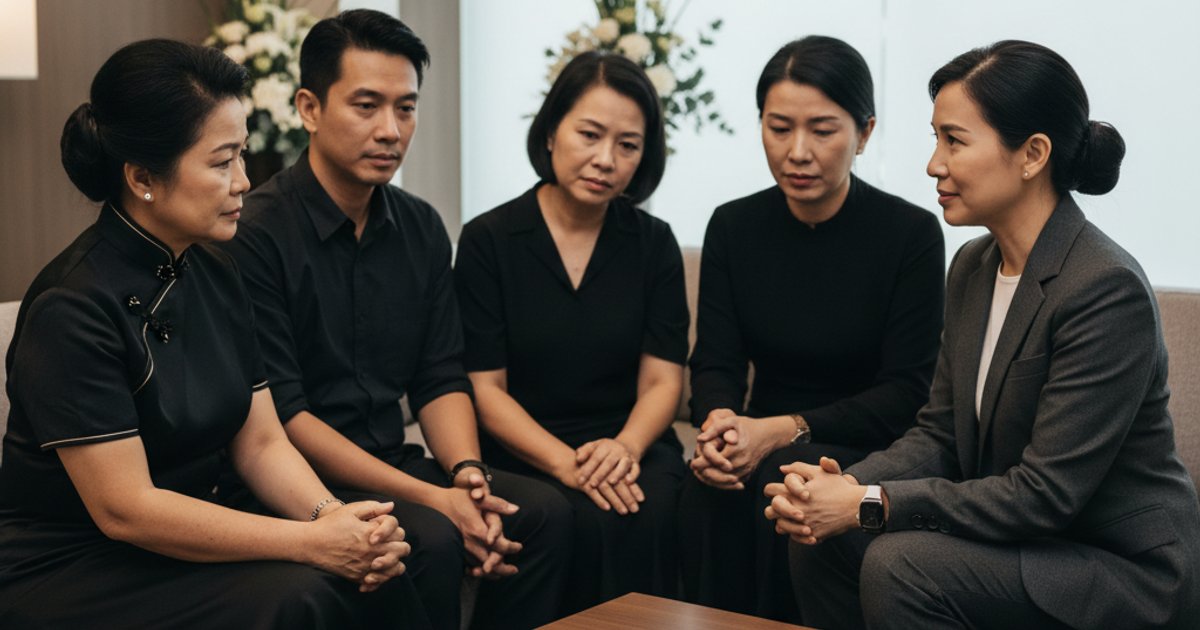
Ethical conduct and stringent standards are paramount in the funeral services industry in Singapore, ensuring dignity for the deceased, respect for grieving families, and transparency in all dealings. These standards are upheld through a combination of industry self-regulation, government oversight, and a deep-seated commitment to compassionate service.
The National Environment Agency (NEA) regulates aspects like embalming, cremation, and burial procedures, ensuring public health and environmental safety. For instance, embalmers must be licensed, and crematoria operate under strict emission controls. Beyond governmental regulations, professional associations like the Association of Funeral Directors Singapore (AFD) promote best practices, ethical guidelines, and continuous professional development for their members. These guidelines cover areas such as pricing transparency, respectful handling of remains, confidentiality, and non-discriminatory service provision.
Transparency in pricing is a critical ethical consideration. Grieving families are vulnerable, and reputable funeral service providers offer clear, itemized quotes to prevent exploitation. Many providers, including Nirvana Singapore, publish their package details and pricing structures, allowing families to make informed decisions without added stress. Furthermore, the industry places a high value on cultural sensitivity, ensuring that staff are trained to understand and respect the diverse religious and cultural practices of Singapore’s population. This commitment to ethical and professional standards builds trust within the community, reinforcing the industry’s role as a reliable pillar of support during times of loss.
Frequently Asked Questions
What are the typical costs for funeral services in Singapore?
The cost of funeral services in Singapore varies widely depending on the type of service, duration, and specific cultural or religious requirements. Basic packages can start from S$2,000 to S$5,000 for a simple, no-frills service, while more elaborate, multi-day funerals with extensive amenities can range from S$8,000 to S$20,000 or more. Factors like choice of casket, embalming, wake venue, catering, and memorialization options significantly influence the final price.
Are there government subsidies or assistance for funeral expenses in Singapore?
Yes, there are avenues for financial assistance. The Ministry of Social and Family Development (MSF) offers ComCare assistance schemes for low-income families, which can include support for funeral expenses. Additionally, some community organizations and religious groups provide aid. Families are encouraged to inquire with their local Community Development Council (CDC) or relevant social service agencies for eligibility criteria and application procedures.
Can I pre-plan my own funeral in Singapore?
Absolutely. Pre-planning your funeral is a growing trend in Singapore, allowing individuals to make their own arrangements and express their wishes in advance. This eases the burden on family members during a difficult time and ensures that personal preferences are honored. Many funeral service providers, including Nirvana Singapore, offer pre-need plans and consultation services to guide individuals through the process of selecting services, memorialization options, and even payment plans.
What is the difference between cremation and burial in Singapore?
Cremation is the process of reducing a body to ashes through intense heat, with the ashes then typically stored in an urn or scattered. Burial involves interring the body in a grave. In land-scarce Singapore, cremation is significantly more common due to limited burial space. The government actively promotes cremation, and public crematoria offer affordable services. Burial plots are available but are usually more expensive and subject to strict tenure limits, typically 15 years, after which remains may be exhumed or cremated.
How do funeral services support different religious traditions in Singapore?
Funeral services in Singapore are highly adept at accommodating the diverse religious traditions present in the country. Providers employ staff trained in various rites, from Buddhist and Taoist ceremonies with specific prayers and offerings, to Christian services with specific hymns and scripture readings, and Islamic funerals adhering to strict customs of swift burial and communal prayer. They ensure that all necessary religious artifacts, rituals, and dietary requirements for wakes are met, respecting each faith’s unique approach to death and remembrance.
What sustainable or eco-friendly funeral options are available?
While still emerging, eco-friendly funeral options are becoming more available in Singapore. These include biodegradable urns for ashes, natural burial shrouds, and services that minimize environmental impact. Some families opt for sea scattering of ashes, provided it’s done in designated areas and in an environmentally responsible manner. The industry is slowly exploring options like green burial grounds, though land constraints remain a significant challenge for widespread adoption of these practices.
For a compassionate guide to planning a funeral in Singapore, consider exploring resources that offer comprehensive support and information.
Understanding the emotional journey is crucial, and many families find closure through rituals and shared remembrance.
For a complete guide to logistics and support during this difficult time, families can consult specialized funeral service providers.
Last updated: June 9, 2026