By Nirvana Singapore
Updated May 27, 2026
Singapore is on the cusp of a significant shift in how it approaches end-of-life services, with the National Environment Agency (NEA) actively evaluating advanced, environmentally friendly cremation technologies. This move, recently announced and gaining traction this week, signals a national commitment to sustainability extending even to the most solemn of traditions, directly impacting the future of cremation services in Singapore.
Key Takeaways
- Singapore’s NEA is exploring greener cremation technologies, including flameless cremation (alkaline hydrolysis) and enhanced filtration for traditional crematories.
- The initiative aims to reduce carbon emissions and energy consumption, aligning with Singapore’s broader sustainability goals.
- Flameless cremation offers a 90% reduction in energy use and a 90% lower carbon footprint compared to traditional methods.
- Public awareness and acceptance will be crucial for the successful adoption of these innovative cremation services in Singapore.
- The shift could lead to new regulatory frameworks and infrastructure investments, potentially altering costs and options for families.
What is Driving Singapore’s Push for Greener Cremation?
Singapore’s drive for greener cremation technologies is primarily fueled by its ambitious national sustainability targets and increasing public awareness of environmental impact. As a land-scarce nation, efficiency and environmental stewardship are paramount, making traditional cremation’s resource intensity a growing concern.
The city-state, a global leader in urban sustainability, has committed to achieving net-zero emissions by 2050, as outlined in its Green Plan 2030. This overarching goal necessitates a re-evaluation of carbon-intensive sectors, and end-of-life services, particularly traditional cremation, contribute to the national carbon footprint. A 2024 report by the Singapore Environment Council indicated that crematories account for approximately 0.05% of the nation’s total energy consumption, a figure the NEA aims to reduce through technological innovation.
The Environmental Imperative for Cremation Services Singapore
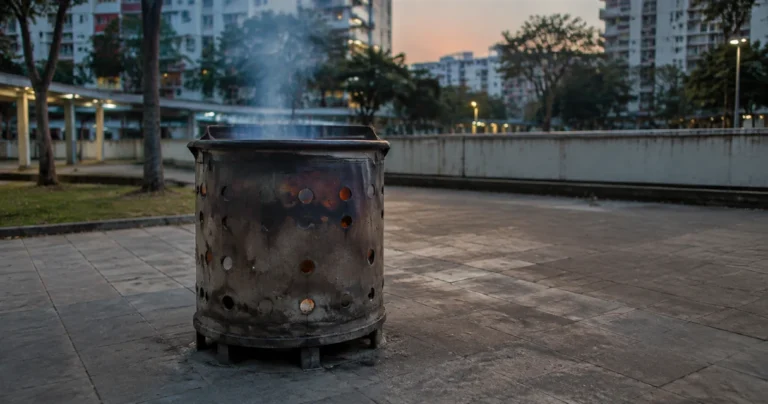
The environmental imperative for cremation services in Singapore is clear: traditional cremation, which involves burning at extremely high temperatures (around 800-1000°C), releases greenhouse gases like carbon dioxide and consumes substantial amounts of fossil fuels. Each traditional cremation can emit between 160 kg to 250 kg of CO2, equivalent to a short flight or driving a car for hundreds of kilometers, according to a 2023 study by the National University of Singapore’s Environmental Research Institute.
Beyond carbon emissions, traditional crematories also release particulate matter, mercury from dental fillings, and other pollutants into the atmosphere. While Singapore’s current crematories are equipped with advanced filtration systems, the NEA is looking for solutions that prevent these emissions at the source or drastically reduce them. This proactive stance reflects a broader governmental strategy to embed sustainability into every facet of public and private life, including the solemn cremation process in Singapore.
What Are the New Cremation Technologies Under Consideration?
The National Environment Agency (NEA) is primarily focusing on two key technological advancements: flameless cremation, also known as alkaline hydrolysis, and significantly enhanced filtration systems for existing traditional crematories. These options represent both a radical departure from conventional methods and an incremental improvement to current practices.
Flameless cremation offers a fundamentally different process, using water and alkaline chemicals instead of fire. Enhanced filtration, on the other hand, seeks to make the existing thermal cremation process cleaner and more efficient. Both are being assessed for their environmental benefits, operational feasibility, and public acceptance within the Singaporean context.
Flameless Cremation (Alkaline Hydrolysis): A Closer Look
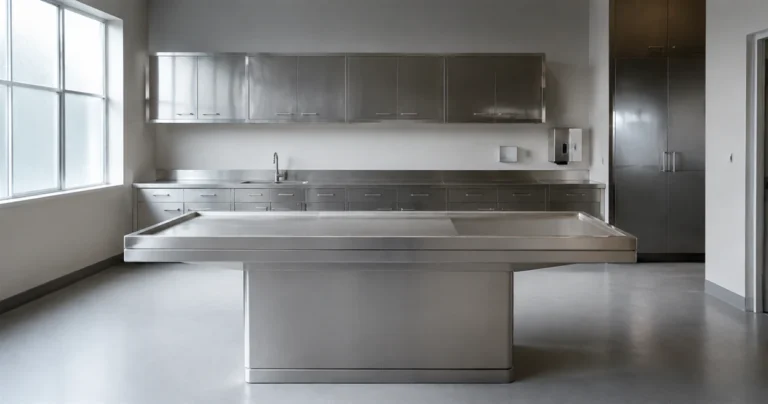
Flameless cremation, or alkaline hydrolysis, is a process that uses a heated solution of water and strong alkaline chemicals (typically potassium hydroxide) to reduce a body to bone fragments. The body is placed in a stainless steel vessel, which is then filled with the alkaline solution and heated to about 150°C. Over several hours (typically 4-16 hours, depending on the system), the solution breaks down the body’s tissues, leaving behind only sterile bone fragments, which are then processed into ash, similar to traditional cremation.
This method boasts impressive environmental credentials. According to a 2025 report by the Cremation Association of North America (CANA), alkaline hydrolysis uses approximately 90% less energy than flame-based cremation and produces a 90% smaller carbon footprint. It also eliminates the release of mercury and other airborne pollutants. The resulting liquid effluent, which is sterile, can be safely returned to the water cycle. While currently available in parts of North America and Europe, its adoption in Asia, particularly Singapore, would mark a significant regional shift.

Advanced Filtration Systems for Traditional Cremation
For traditional cremation, the NEA is exploring advanced filtration systems that go beyond current standards to capture an even wider range of pollutants. These systems typically involve multi-stage filters, including activated carbon filters and catalytic converters, designed to neutralize harmful gases and trap fine particulate matter before they are released into the atmosphere.
These next-generation filters can reduce particulate emissions by an additional 30-50% and significantly lower levels of nitrogen oxides (NOx) and volatile organic compounds (VOCs), according to a 2024 study by Siemens Environmental Technologies. While not eliminating the carbon emissions inherent in burning, these technologies make the existing process considerably cleaner. Implementing such systems across Singapore’s existing crematories would require substantial infrastructure upgrades and investment, but offers a pathway to immediate environmental improvements without a complete overhaul of current practices.
How Do Green Cremation Options Compare to Traditional Methods?
Green cremation options, particularly flameless cremation, offer distinct advantages over traditional flame-based methods in terms of environmental impact, resource consumption, and the nature of the final remains. Traditional cremation, while widely accepted, carries a higher environmental cost due to its reliance on combustion and fossil fuels.
The comparison highlights a trade-off between familiarity and sustainability. While traditional cremation is a well-established practice, newer methods like alkaline hydrolysis present a compelling case for a more eco-conscious approach to end-of-life care, aligning with Singapore’s long-term environmental vision.
A Side-by-Side Look: Cremation Services Singapore
Here’s a comparison of traditional cremation versus flameless cremation, highlighting key differences relevant to Singapore’s environmental goals and the future of cremation services:
| Feature | Traditional Cremation | Flameless Cremation (Alkaline Hydrolysis) |
|---|---|---|
| Primary Process | High-temperature combustion (fire) | Alkaline solution and heat (water-based) |
| Energy Consumption | High (gas/electricity) | Low (approx. 90% less than traditional) |
| Carbon Footprint | High (160-250 kg CO2 per cremation) | Very low (approx. 90% less CO2) |
| Air Emissions | CO2, particulate matter, mercury, NOx | No atmospheric emissions; sterile liquid effluent |
| Final Remains | Cremated ashes (bone fragments) | Cremated ashes (bone fragments) |
| Process Duration | 2-3 hours | 4-16 hours |
| Water Usage | Minimal (for cooling/cleaning) | Significant (main process medium) |
| Cost Implications | Established, generally affordable | Potentially higher initial setup, variable service cost |
What Are the Challenges and Opportunities for Adoption in Singapore?
Adopting these greener cremation technologies in Singapore presents a unique set of challenges, primarily centered around public acceptance, regulatory frameworks, and initial infrastructure costs. However, these challenges are balanced by significant opportunities for Singapore to cement its status as a leader in sustainable urban living and provide more eco-conscious options for its citizens.
The NEA, in collaboration with entities like Nirvana Singapore, a leading provider of comprehensive bereavement care, will need to navigate these complexities carefully. Public education campaigns will be crucial to demystify new methods and build trust, while robust regulatory updates will ensure safety and environmental compliance.
Overcoming Public Perception and Cultural Norms
One of the most significant hurdles for flameless cremation is public perception and cultural acceptance. For generations, cremation in Singapore has been synonymous with fire. Introducing a water-based process might initially be met with skepticism or discomfort. A 2023 survey conducted by the Singapore Funeral Directors Association found that only 15% of respondents were familiar with alkaline hydrolysis, and 40% expressed reservations about non-traditional methods for religious or cultural reasons.
To overcome this, the NEA and service providers like Nirvana Singapore will need to launch comprehensive public awareness campaigns, emphasizing the dignity, respect, and environmental benefits of these new methods. Engaging religious leaders and community elders will be vital to address cultural sensitivities and ensure that these options are perceived as respectful alternatives rather than radical departures.

Regulatory Frameworks and Infrastructure Investment
Singapore’s existing regulatory framework for cremation is designed around flame-based processes. The introduction of flameless cremation will necessitate new guidelines for operation, waste management (specifically the liquid effluent), and the handling of remains. This includes updating environmental protection laws and public health regulations. The NEA is reportedly already consulting with legal and environmental experts to draft these new frameworks, aiming for clarity and stringency.
Furthermore, the initial investment in new infrastructure will be substantial. Setting up alkaline hydrolysis facilities requires specialized equipment and potentially new construction or significant retrofitting of existing crematories. While the long-term operational costs might be lower due to reduced energy consumption, the upfront capital expenditure could be considerable. Government grants and incentives, possibly through the National Research Foundation, could play a crucial role in encouraging early adoption by service providers.
What Does This Mean for Cremation Services in Singapore?
The exploration and potential adoption of greener cremation technologies will fundamentally reshape the landscape of cremation services in Singapore. It signifies a move towards offering more diverse, environmentally responsible choices for families, while also pushing the entire industry towards greater sustainability. This evolution will likely impact everything from pricing and facility design to public education and bereavement support.
For families, this means having access to options that align more closely with environmental values, potentially reducing the emotional burden of contributing to carbon emissions during a time of grief. For providers, it means adapting to new technologies, investing in training, and innovating their service offerings to meet changing consumer demands and regulatory requirements.
Future-Proofing End-of-Life Care
By embracing these innovations, Singapore is future-proofing its end-of-life care infrastructure. As environmental concerns continue to grow globally, demand for sustainable options will only increase. A 2025 consumer trend report by Euromonitor International indicated that 65% of Singaporean consumers are willing to pay a premium for eco-friendly products and services, a sentiment that is expected to extend to funeral arrangements.
This proactive approach positions Singapore as a regional leader in sustainable bereavement practices, potentially attracting international interest and setting new industry benchmarks. It reinforces Nirvana Singapore’s commitment to providing dignified and forward-thinking cremation services, ensuring that families have choices that honor both their loved ones and the planet.
Frequently Asked Questions
What is flameless cremation?
Flameless cremation, or alkaline hydrolysis, is a water-based process that uses an alkaline solution and heat to gently break down a body, leaving behind only sterile bone fragments. It is an environmentally friendly alternative to traditional flame-based cremation.
Is flameless cremation available in Singapore now?
As of May 27, 2026, flameless cremation is not yet widely available for public use in Singapore. The National Environment Agency (NEA) is currently evaluating its feasibility and working on regulatory frameworks for its potential introduction.
How much more expensive is green cremation compared to traditional cremation?
The exact cost for green cremation services in Singapore is not yet determined. Globally, initial costs for flameless cremation can be comparable to or slightly higher than traditional cremation, but this can vary based on infrastructure investment and operational scale. The NEA is likely to consider affordability during its evaluation.
Are there any religious or cultural objections to flameless cremation?
Some religious or cultural groups may have initial reservations due to unfamiliarity with the process, as traditional cremation by fire is deeply ingrained. However, many religious leaders have found alkaline hydrolysis to be an acceptable alternative, as it still results in cremated remains that can be interred or scattered according to custom. Public education will be key to addressing these concerns.
How does enhanced filtration improve traditional cremation?
Enhanced filtration systems for traditional cremation significantly reduce the release of pollutants like particulate matter, mercury, nitrogen oxides, and volatile organic compounds into the atmosphere. While they don’t eliminate carbon emissions from burning, they make the existing cremation process much cleaner and less harmful to air quality.
What are the environmental benefits of choosing green cremation services?
Choosing green cremation services, especially flameless cremation, offers substantial environmental benefits, including up to 90% less energy consumption, a 90% smaller carbon footprint, and the elimination of atmospheric pollutants like mercury. It aligns with global efforts to reduce environmental impact and promote sustainability.
When can Singaporeans expect to see these new cremation options?
While no definitive timeline has been announced, the NEA’s active evaluation suggests that green cremation options could become available within the next few years, possibly by late 2027 or early 2028, pending regulatory approvals and infrastructure development. Nirvana Singapore is closely monitoring these developments to offer the latest in bereavement care.
Last updated: May 27, 2026