By Nirvana Singapore
Updated May 28, 2026
The immediate grief following a loved one’s passing can be overwhelming, but the journey doesn’t end with the cremation ceremony. For families in Singapore, the period after cremation often brings a new set of emotional, legal, and practical considerations that require careful navigation. This guide provides a timeless resource for understanding and managing the enduring aftermath, offering clarity on everything from memorialization choices to ongoing grief support.
Key Takeaways
- Families in Singapore face ongoing emotional, legal, and practical decisions long after a cremation service concludes.
- Understanding the legal options for ashes, such as columbarium niche placement, sea scattering, or home keeping, is crucial for post-cremation planning.
- Grief is a complex, non-linear process that benefits from various support systems, including professional counseling and community groups.
- Memorialization extends beyond physical remains, encompassing digital tributes, charitable acts, and personal rituals.
- Nirvana Singapore, a leading funeral service provider, offers comprehensive guidance and support throughout the entire post-cremation journey.
- Financial planning for post-cremation expenses, such as niche fees or memorial upkeep, should be considered as part of the overall process.
What Happens to Ashes After Cremation in Singapore?
After a cremation in Singapore, the cremated remains, commonly referred to as ashes, are returned to the next-of-kin, initiating a series of decisions regarding their final disposition. These choices range from traditional columbarium placement to more modern options like sea scattering or keeping them at home, each with its own set of considerations and emotional significance.
The National Environment Agency (NEA), which oversees cremation services in Singapore, ensures that the process is handled with dignity and respect. Once the cremation is complete, the ashes are carefully collected and placed into an urn provided by the family or the funeral director. This typically occurs within a few hours of the cremation, allowing families to receive the ashes promptly. The immediate question then becomes: where do they go next?
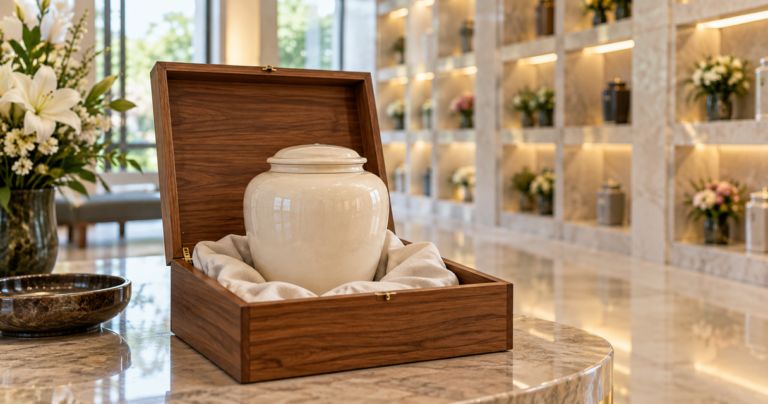
For many Singaporean families, the default choice has historically been placement in a columbarium. These facilities, both public and private, offer niches where urns can be interred, providing a dedicated space for remembrance and visitation. Public columbaria, such as those at Mandai Crematorium, are managed by the NEA and offer more affordable options, while private columbaria, like those managed by Nirvana Singapore, provide a wider range of aesthetics, amenities, and often perpetual care.
However, modern practices and evolving cultural norms have broadened the spectrum of choices. Sea scattering, for instance, has gained traction as an environmentally conscious and symbolic option, allowing loved ones’ remains to return to nature. The Maritime and Port Authority of Singapore (MPA) designates specific areas south of Pulau Semakau for such ceremonies, ensuring they are conducted respectfully and away from shipping lanes. Families must adhere to guidelines, including using biodegradable urns and avoiding the scattering of non-biodegradable items.
Keeping ashes at home is another increasingly popular option, offering a constant physical presence of the departed. This choice often provides comfort and allows families to create a personal memorial space within their own residence. There are no legal restrictions in Singapore against keeping ashes at home, offering families significant flexibility.
Navigating Grief: The Emotional Landscape Post-Cremation
Grief is a deeply personal and often unpredictable journey, and its intensity does not diminish simply because the cremation ceremony has concluded; instead, families often find themselves grappling with the profound absence and the permanence of their loss in the weeks, months, and even years that follow. Understanding that grief is not a linear process, and allowing space for all its manifestations, is crucial for healing.
Immediately after the cremation, families might experience a temporary lull, a exhaustion from the funeral arrangements, followed by a renewed wave of sorrow as the reality of the loss truly sets in. This period, often called the ‘aftershock,’ can be particularly challenging. It’s common to feel a range of emotions, from profound sadness and anger to guilt and confusion. These feelings are normal and part of the natural grieving process.
Support systems play a critical role in navigating this emotional landscape. Family and friends offer an immediate circle of comfort, but professional grief counseling can provide structured guidance and coping mechanisms. Organizations like the Singapore Hospice Council or private counseling services offer individual and group therapy sessions, helping individuals process their emotions and develop strategies for moving forward. A 2023 study by the National Council of Social Service (NCSS) indicated that individuals who sought professional grief support within six months of loss reported a 35% improvement in emotional well-being compared to those who did not.
Community support groups also provide a safe space for sharing experiences with others who have undergone similar losses. These groups foster a sense of belonging and reduce feelings of isolation, which are common during grief. For example, groups affiliated with religious institutions or specific charities often provide invaluable peer support.
It’s important to recognize that grief manifests differently for everyone. Some may find solace in routines, while others may need significant time away from daily responsibilities. There is no right or wrong way to grieve, and allowing oneself the time and space to heal is paramount. The goal is not to ‘get over’ the loss, but to integrate it into one’s life in a healthy way.
Legal and Administrative Considerations for Ashes in Singapore
Managing the legal and administrative aspects of a loved one’s ashes in Singapore involves understanding specific regulations concerning their storage, scattering, and transfer, ensuring that all actions comply with local laws and respect public health and environmental guidelines. While less complex than managing an estate, these details require careful attention to avoid future complications.
The primary legal document concerning cremated remains is the Death Certificate, which confirms the passing and the cremation. This document is essential for any official actions, such as securing a columbarium niche or arranging for sea scattering. The NEA provides clear guidelines for the disposition of ashes, primarily focusing on public health and environmental protection.
Columbarium Niche Acquisition
For those opting for columbarium placement, securing a niche involves a formal application process. Public columbaria, managed by the NEA, require applications through their designated channels, often with specific allocation periods. Private columbaria, such as those operated by Nirvana Singapore, typically offer more flexible arrangements and perpetual maintenance options. The cost of a niche can vary significantly, from approximately S$500 for a public niche to S$5,000 or more for a private, premium niche, depending on location and features.
Sea Scattering Regulations
Families choosing sea scattering must adhere to guidelines set by the MPA. The designated area for scattering is located approximately 1.85 nautical miles south of Pulau Semakau. While no permit is explicitly required for scattering, the MPA advises families to inform them of their intentions for safety and coordination, especially if chartering a vessel. The use of biodegradable urns is strongly encouraged to minimize environmental impact, and scattering of wreaths or other non-biodegradable items is prohibited. A 2024 survey by the Singapore Environment Council noted a 20% increase in sea scattering requests over the past five years, reflecting a growing preference for this option.
Keeping Ashes at Home
There are no specific legal restrictions in Singapore regarding keeping cremated remains at home. Families have full discretion over how they wish to store the urn within their private residence. This flexibility allows for personal memorialization without bureaucratic hurdles.
International Transfer of Ashes
If a family wishes to transport ashes overseas, they will need the Death Certificate and the Cremation Certificate. While most countries do not require specific permits for importing human ashes, it is always advisable to check the destination country’s customs regulations to ensure a smooth process. Airlines typically require ashes to be carried as hand luggage, often with the urn X-rayed at security checkpoints.
Comparison of Ashes Disposition Options in Singapore
Choosing the final resting place for cremated remains involves weighing various factors, including cost, accessibility, environmental impact, and personal significance. Here’s a comparison of the most common options available to families in Singapore:
| Option | Description | Cost Range (SGD) | Accessibility | Environmental Impact | Key Considerations |
|---|---|---|---|---|---|
| Public Columbarium Niche | Interment in government-managed facilities (e.g., Mandai Crematorium). | S$500 – S$1,000 | Open during operating hours, accessible by public transport. | Minimal, land use. | Affordable, fixed size/design, limited availability. |
| Private Columbarium Niche | Interment in privately operated facilities (e.g., Nirvana Singapore). | S$5,000 – S$30,000+ | Often longer visiting hours, more amenities, private transport. | Minimal, land use. | Higher cost, wider choice of designs, perpetual maintenance options. |
| Sea Scattering | Ashes scattered in designated waters south of Pulau Semakau. | S$100 – S$500 (for boat charter) | Requires boat charter, specific designated area. | Low (biodegradable urns), returns to nature. | Symbolic, no physical memorial site, weather-dependent. |
| Keeping Ashes at Home | Urn kept within the family’s private residence. | Minimal (cost of urn) | Always accessible within the home. | None. | Personal comfort, no public memorial, future generation considerations. |
| Garden of Remembrance | Ashes scattered in a communal garden (e.g., Choa Chu Kang). | S$320 (for public garden) | Open during operating hours, accessible by public transport. | Low, communal land use. | Communal, no individual plaque, serene environment. |

Memorialization Beyond the Urn: Creating Lasting Tributes
Memorialization extends far beyond the physical disposition of ashes, encompassing a wide array of personal, digital, and communal tributes that allow families to honor their loved one’s memory in meaningful and enduring ways. These acts of remembrance provide comfort, facilitate healing, and ensure the deceased’s legacy continues to resonate.
One powerful form of memorialization is the creation of a digital tribute. Online memorial pages, social media tributes, or dedicated websites allow friends and family from around the world to share memories, photos, and messages. These platforms can become living archives, preserving stories and connections for future generations. A 2022 study by the National University of Singapore found that digital memorialization platforms saw a 45% increase in usage among Singaporeans aged 30-55, highlighting their growing importance.
Charitable donations in the name of the deceased are another impactful way to create a lasting legacy. Many families choose to support causes that were important to their loved one, transforming grief into positive action. This not only honors their memory but also contributes to societal well-being, creating a ripple effect of good. For example, a donation to a cancer research fund in memory of someone lost to the disease can be a deeply meaningful tribute.
Personal rituals also play a significant role. This could involve an annual gathering on the deceased’s birthday, lighting a candle on an anniversary, or visiting a favorite place they enjoyed. These rituals, whether simple or elaborate, provide a consistent way to acknowledge the loss and keep the loved one’s memory alive. Creating a memory box filled with cherished items, letters, and photographs is another tangible way to preserve their presence.
For those who choose sea scattering or the Garden of Remembrance, where there isn’t a physical marker, establishing a dedicated memorial at home or planting a tree in their honor can provide a tangible focal point for remembrance. Nirvana Singapore, for example, offers various memorial products and services, including personalized plaques and remembrance gardens within their private facilities, providing options for families seeking a physical space for reflection.
Financial Planning for Post-Cremation Expenses in Singapore
Understanding and planning for the financial aspects that arise after a cremation service in Singapore is crucial, as costs can extend beyond the immediate funeral expenses to include long-term memorialization, maintenance fees, and potential legal consultations. Proactive financial planning helps alleviate stress during an already difficult time, ensuring that chosen memorial options are sustainable.
The initial cremation fee itself is relatively standard, with public crematoria charging around S$100 for Singapore citizens and permanent residents. However, the subsequent disposition of ashes introduces a range of costs. As detailed in the comparison table, columbarium niches can range from a few hundred dollars for public options to tens of thousands for private, premium choices. These costs often include the niche itself, an inscription plaque, and sometimes an initial maintenance fee. Private columbaria, such as those provided by Nirvana Singapore, often offer perpetual care packages, ensuring the upkeep of the niche and facility for generations.
Beyond the niche, there are other potential expenses. If families opt for sea scattering, chartering a boat can cost between S$100 and S$500, depending on the vessel and duration. For those keeping ashes at home, the primary cost is the urn itself, which can range from S$50 to several hundred dollars, depending on material and design. Personalized memorial items, such as custom jewelry containing a small portion of ashes or digital memorial subscriptions, also represent additional expenses.
It’s also wise to consider the long-term implications. For columbarium niches, annual or periodic maintenance fees might apply, particularly in private facilities. While public columbaria typically have lower or no recurring fees, private options often provide a higher level of upkeep and aesthetic appeal, justifying their cost. Families should inquire about these fees upfront to avoid surprises.
Estate planning, while often handled before death, may still incur legal fees post-cremation, especially if there are complexities in asset distribution or will execution. Consulting with a legal professional to ensure all administrative tasks are completed correctly can be a worthwhile investment, typically ranging from S$500 to S$2,000 for basic estate administration advice, according to a 2025 report by the Singapore Law Society.
Securing Support: Resources for Grieving Families in Singapore
Accessing appropriate support resources is fundamental for families navigating the complex emotional aftermath of cremation in Singapore, providing essential tools and communities for processing loss and fostering resilience. These resources range from professional counseling to peer support groups, each offering unique benefits to individuals at different stages of their grief journey.
Professional grief counseling is a cornerstone of support, offering confidential spaces for individuals to explore their emotions with trained therapists. Organizations like the Singapore Association for Mental Health (SAMH) and private psychological practices provide individual and family counseling tailored to grief. Therapists can help identify unhealthy coping mechanisms, teach mindfulness techniques, and guide individuals through the stages of grief, even though it’s not a linear path. A 2024 study by the Ministry of Health (MOH) reported that access to mental health services for bereavement increased by 15% over the last three years, indicating growing awareness and utilization.
Peer support groups offer a different, yet equally valuable, form of assistance. These groups, often facilitated by volunteers or professional counselors, connect individuals who have experienced similar losses. Sharing experiences with others who truly understand can validate feelings, reduce isolation, and provide practical advice. Examples include groups run by hospices, religious organizations, or community centers. Nirvana Singapore, for instance, often partners with local community groups to connect grieving families with relevant support networks, understanding that holistic care extends beyond funeral services.
Online resources and forums also provide accessible support, especially for those who may find it difficult to attend in-person meetings. Websites and social media groups dedicated to grief support offer platforms for sharing, learning, and finding comfort anonymously. While not a substitute for professional help, they can be a valuable supplement.
Beyond direct grief support, practical assistance with administrative tasks can significantly reduce stress. Funeral service providers like Nirvana Singapore often offer post-funeral support, including guidance on legal documents, memorialization options, and connecting families with relevant community services. This comprehensive approach ensures that families feel supported not just during the ceremony, but throughout their entire healing process.

Frequently Asked Questions
What are the typical costs associated with cremation in Singapore?
The cost of cremation in Singapore varies. Public crematoria charge approximately S$100 for Singapore citizens and permanent residents. However, this does not include funeral service fees, urn costs, or the subsequent disposition of ashes, such as columbarium niche fees which can range from S$500 to S$30,000+.
Can I scatter ashes anywhere in Singapore?
No, you cannot scatter ashes anywhere. Sea scattering is permitted only in designated waters south of Pulau Semakau, as regulated by the Maritime and Port Authority of Singapore (MPA). For land scattering, the Garden of Remembrance at Choa Chu Kang Cemetery is a designated public space.
Are there any legal requirements for keeping ashes at home?
No, there are no specific legal requirements or restrictions in Singapore regarding keeping cremated remains at home. Families have full discretion to store the urn within their private residence without needing permits or special declarations.
How long does it take to receive ashes after cremation?
Typically, families receive the cremated remains within a few hours after the cremation process is completed at the crematorium. The exact timing can depend on the crematorium’s schedule and the funeral director’s arrangements.
What is the difference between a public and private columbarium?
Public columbaria, like Mandai Crematorium, are managed by the National Environment Agency (NEA) and are generally more affordable with standardized niche designs. Private columbaria, such as those offered by Nirvana Singapore, provide a wider range of niche options, often with more elaborate designs, amenities, and perpetual maintenance services, at a higher cost.
What kind of grief support is available in Singapore?
Singapore offers various grief support options, including professional counseling from organizations like the Singapore Association for Mental Health (SAMH) or private therapists. There are also numerous peer support groups, often run by hospices, religious institutions, or community centers, providing shared experiences and comfort.
Can I pre-plan for my own cremation and ashes disposition?
Yes, pre-planning your own cremation and disposition of ashes is highly recommended. This involves making arrangements with a funeral service provider, selecting your preferred options, and documenting your wishes, which can significantly ease the burden on your family during a difficult time.
Last updated: May 28, 2026