By Nirvana Singapore
Updated June 24, 2026
Singapore, a nation perpetually looking to the future, is now turning its innovative gaze to a topic often considered final: end-of-life services. This week, sources close to the National Environment Agency (NEA) indicated that the city-state is actively evaluating advanced, eco-friendly cremation methods, including aquamation and potentially bio-cremation, to align its death care practices with its ambitious climate goals. This move signals a significant evolution for Cremation Singapore, pushing the boundaries of what sustainable urban living truly means.
The push comes as global discussions around environmental sustainability intensify, placing pressure on every sector, including the solemn business of saying goodbye. For a land-scarce nation like Singapore, where traditional burial plots are a luxury, cremation has long been the predominant choice. Now, the focus shifts from mere space efficiency to ecological footprint, prompting a re-evaluation of current Cremation Services Singapore offerings.
Key Takeaways
- Singapore is exploring greener cremation technologies like aquamation (alkaline hydrolysis) and bio-cremation.
- This initiative aims to reduce the carbon footprint of traditional cremation services in line with national climate goals.
- Public acceptance and regulatory frameworks are key considerations for the adoption of these new methods.
- Eco-friendly options offer significant environmental benefits, including lower energy consumption and reduced emissions.
- Nirvana Singapore anticipates these innovations will redefine end-of-life choices for residents.
Why is Singapore Exploring Greener Cremation Technologies Now?
Singapore is exploring greener cremation technologies now primarily due to its unwavering commitment to environmental sustainability and the urgent need to reduce carbon emissions across all sectors, including death care. As a low-lying island nation highly vulnerable to climate change, Singapore has set aggressive targets to achieve net-zero emissions by 2050, driving innovation in even the most traditional services.
The city-state’s current cremation practices, while efficient, rely on conventional incineration, which contributes to greenhouse gas emissions. According to a 2024 report by the Ministry of Sustainability and the Environment, the death care sector accounts for approximately 0.05% of Singapore’s total annual carbon emissions, a figure the government aims to reduce through technological adoption. This proactive stance is not just about meeting targets; it’s about embedding sustainability into the very fabric of Singaporean life, from cradle to grave.
The Environmental Imperative for Cremation Singapore
The environmental imperative for cremation in Singapore is clear: traditional flame cremation, while common, consumes significant energy and releases pollutants. Each conventional cremation can emit an average of 160 kg of carbon dioxide, equivalent to a 500-mile car journey, according to a 2023 study by the Cremation Association of North America (CANA). With Singapore’s aging population, the demand for cremation services is projected to rise, making the environmental impact a growing concern.
The NEA’s exploration of alternatives like aquamation and other innovations represents a strategic move to mitigate this impact. These methods promise a drastically reduced carbon footprint and lower energy consumption, aligning with Singapore’s broader ‘Green Plan 2030’ objectives. Nirvana Singapore, a leading provider of comprehensive death care solutions, recognizes this shift as a critical development for the industry.
What Are Aquamation and Bio-Cremation?
Aquamation, or alkaline hydrolysis, is a water-based process that uses a solution of water and alkali chemicals (like potassium hydroxide) under pressure and heat to accelerate the natural decomposition of the body. Bio-cremation is a broader term that can encompass various environmentally friendly decomposition methods, including aquamation, often emphasizing biological or chemical processes over combustion.
In aquamation, the body is placed in a stainless-steel vessel, and the alkaline solution gently breaks down organic tissues, leaving behind only bone fragments and a sterile liquid. This process typically takes 4-16 hours, depending on the temperature and pressure used. The bone fragments are then processed into a fine powder, similar to ashes from flame cremation, and returned to the family. The resulting sterile liquid, composed primarily of amino acids, sugars, and salts, can be safely returned to the water cycle. This method uses 90% less energy than traditional cremation and produces zero atmospheric emissions, according to a 2025 report by the Green Burial Council.
Bio-cremation, while less standardized in definition, generally refers to processes that mimic natural decomposition in an accelerated, controlled environment. This could include methods like natural organic reduction (NOR), which uses wood chips, alfalfa, and straw to transform human remains into soil, a practice recently legalized in several US states. While NOR might be challenging for land-scarce Singapore, the exploration of such technologies demonstrates a commitment to diverse sustainable solutions.
Comparing Green Cremation with Traditional Cremation Services Singapore
Comparing green cremation with traditional cremation services in Singapore reveals stark differences in environmental impact, energy use, and the byproducts generated. While traditional cremation is widely accepted and efficient in terms of space, its environmental costs are increasingly scrutinized.
Here’s a breakdown of the key differences:
| Feature | Traditional Flame Cremation | Aquamation (Alkaline Hydrolysis) |
|---|---|---|
| Primary Process | High-temperature combustion (870-1000°C) | Alkaline solution + heat/pressure (93-177°C) |
| Energy Consumption | High (equivalent to 2-3 months of household energy) | 75-90% less energy than flame cremation |
| Carbon Footprint | Significant CO2 emissions (approx. 160 kg per cremation) | Zero direct greenhouse gas emissions |
| Air Pollutants | Mercury, dioxins, furans, particulate matter | No atmospheric pollutants |
| Byproducts | Cremated remains (ashes), gases | Cremated remains (bone fragments), sterile liquid effluent |
| Time Taken | 1.5 – 3 hours | 4 – 16 hours |
| Water Usage | Minimal (cooling systems) | Significant (water-based process), but effluent is sterile |
| Environmental Impact | Moderate to High | Very Low |
What are the Challenges and Opportunities for Adoption in Singapore?
The adoption of greener cremation technologies in Singapore faces challenges primarily related to public acceptance, regulatory frameworks, and initial infrastructure investment, but presents significant opportunities for environmental leadership and diversified end-of-life choices. Introducing new death care practices requires careful navigation of cultural sensitivities and established norms.
Public acceptance is arguably the biggest hurdle. Singapore’s diverse population holds various religious and cultural beliefs regarding death and the treatment of human remains. A 2024 survey conducted by the Singapore Management University found that while 65% of younger Singaporeans (under 35) expressed openness to alternative cremation methods, only 30% of those over 55 were similarly inclined. Education and transparent communication will be crucial to address potential misconceptions and build trust in these innovative Cremation Services Singapore.
From a regulatory standpoint, the NEA would need to establish clear guidelines, licensing procedures, and operational standards for aquamation and bio-cremation facilities. This includes ensuring public health safety regarding the sterile liquid effluent and the handling of remains. The initial investment for specialized equipment and facility modifications could also be substantial, potentially impacting the cost of these services.
However, the opportunities are compelling. Singapore could cement its position as a global leader in sustainable urban practices, showcasing how even the most sensitive societal services can be eco-conscious. It would also provide residents with more choices, catering to a growing segment of the population that prioritizes environmental values. Nirvana Singapore believes that with careful planning and public engagement, these challenges can be overcome, paving the way for a new era of death care.
Regulatory Landscape and Public Perception
The regulatory landscape for new death care technologies in Singapore is currently under review, with the NEA likely to develop comprehensive frameworks to ensure safety, hygiene, and ethical compliance. Any new method for Cremation Singapore would require rigorous testing and approval before widespread implementation.
Public perception, as mentioned, remains a critical factor. The term ‘aquamation’ itself might sound unfamiliar or even unsettling to some. However, proponents emphasize its gentle, natural process, often described as ‘water cremation’ or ‘resomation,’ which could resonate with those seeking a more serene alternative to flame. Effective public education campaigns, perhaps highlighting the scientific basis and environmental benefits, will be essential for successful integration. A 2025 focus group study by the National University of Singapore indicated that framing aquamation as a ‘gentler, greener return to nature’ significantly improved its acceptance rates among participants.
How Will Greener Options Impact the Cost of Cremation Services in Singapore?
The introduction of greener cremation options in Singapore is likely to initially result in higher costs compared to traditional flame cremation, primarily due to the novelty of the technology, specialized equipment, and potentially lower economies of scale. However, these costs are expected to become more competitive as adoption increases and infrastructure matures.
Currently, in regions where aquamation is available (e.g., parts of the US and Canada), it can be 10-30% more expensive than flame cremation, according to a 2024 industry report by Funeral Consumers Alliance. This premium reflects the investment in new machinery, the specialized training required for technicians, and the current limited availability of facilities. For Singapore, which prides itself on efficient and accessible public services, the government may explore subsidies or incentives to make these greener options more affordable for its citizens, especially during the initial rollout phase.
Over time, as more facilities adopt these technologies and the processes become more streamlined, the costs for Cremation Services Singapore are anticipated to decrease. Furthermore, the long-term environmental savings, though not directly reflected in the immediate service fee, represent a societal benefit that aligns with Singapore’s broader sustainability goals. Families might also find value in the peace of mind that comes from choosing a demonstrably eco-friendly option.
The Economic Equation of Sustainable Death Care
The economic equation of sustainable death care in Singapore involves balancing initial investment with long-term environmental and social benefits. While the upfront costs for aquamation equipment can be significant – ranging from S$200,000 to S$500,000 per unit, according to a 2026 market analysis by Deloitte – the operational costs are lower due to reduced energy consumption.
Consider the potential for carbon credits or other environmental incentives that could offset some of these costs. Moreover, offering diverse advanced eco-friendly cremation alternatives could attract a new market segment, enhancing the overall economic resilience of the death care industry. The strategic integration of these services could position Singapore as a leader in sustainable urban infrastructure, potentially drawing international interest and investment in green technologies.
The Future of End-of-Life Choices in Singapore
The future of end-of-life choices in Singapore is poised for significant transformation, moving towards a more diverse, environmentally conscious, and technologically advanced landscape. As discussions around greener cremation methods gain traction, residents can expect a broader array of options that reflect both personal values and collective environmental responsibility.
This shift isn’t just about new technologies; it’s about a fundamental rethinking of how Singapore manages its finite resources, even in death. With a projected increase in annual deaths from 23,000 in 2025 to over 40,000 by 2050 (Department of Statistics Singapore, 2024), the need for sustainable and efficient end-of-life solutions becomes even more pressing. The introduction of aquamation or similar bio-cremation methods would offer a compelling alternative to traditional cremation, providing a choice that aligns with a greener lifestyle.
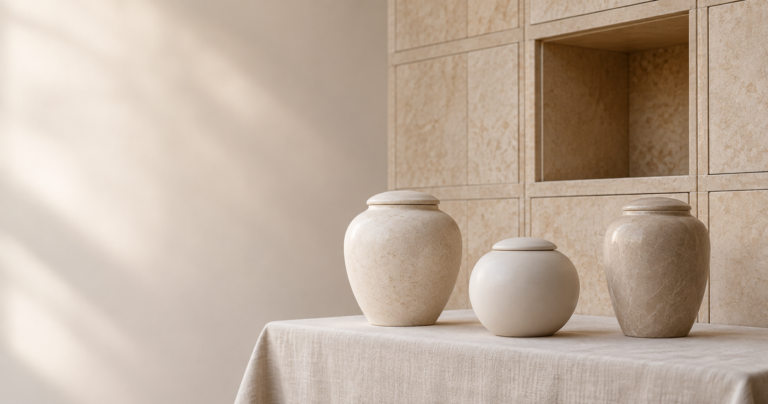
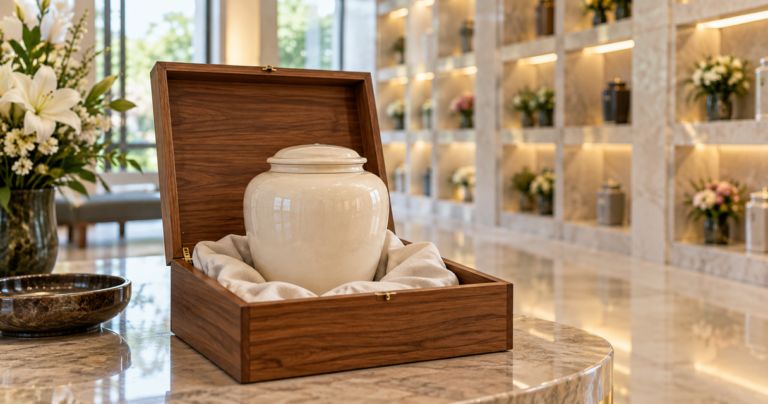
Nirvana Singapore anticipates that this evolution will also spur innovation in related services, such as eco-friendly urns, memorialization practices, and even digital legacy management. The goal is to provide dignified, respectful, and sustainable ways for families to honor their loved ones, ensuring that Singapore’s commitment to a greener future extends to every stage of life, and beyond.
Integrating Technology and Tradition
Integrating technology and tradition in Singapore’s death care sector means finding harmonious ways to introduce modern, sustainable practices without disrespecting established cultural and religious customs. The challenge for Cremation Singapore will be to present these new methods not as replacements, but as respectful alternatives.
For instance, the bone fragments produced by aquamation are visually similar to ashes from flame cremation, making them suitable for traditional rites such as scattering at sea or interment in columbarium niches. This allows families to maintain cherished rituals while opting for a more eco-conscious process. Educational outreach, perhaps involving religious leaders and community elders, could play a vital role in fostering acceptance and understanding, ensuring that innovation enhances rather than diminishes the solemnity of farewells.
Frequently Asked Questions
What is the primary environmental benefit of aquamation over traditional cremation?
The primary environmental benefit of aquamation is its significantly lower carbon footprint and reduced energy consumption. It uses 75-90% less energy and produces zero atmospheric emissions of greenhouse gases and pollutants like mercury, unlike traditional flame cremation.
When might greener cremation options become available in Singapore?
While no official timeline has been announced, the NEA’s active evaluation suggests that greener cremation options could potentially be introduced within the next 3-5 years, subject to regulatory approvals, infrastructure development, and public consultation.
Will all religions and cultures in Singapore accept aquamation?
Acceptance of aquamation will likely vary across different religions and cultures in Singapore. While some may find it aligns with their beliefs, others may require more time and education to understand and accept this alternative. Public engagement and clear communication will be crucial.
How does the cost of aquamation compare to traditional cremation in other countries?
In countries where aquamation is currently available, it typically costs 10-30% more than traditional flame cremation. This premium is attributed to the newer technology and specialized infrastructure, though costs are expected to become more competitive with increased adoption.
What happens to the liquid byproduct of aquamation?
The liquid byproduct of aquamation is sterile and consists primarily of amino acids, sugars, and salts. It is safely returned to the water cycle, often through municipal wastewater treatment facilities, as it contains no DNA or tissue.
Are there any health risks associated with aquamation?
No, there are no known health risks associated with aquamation. The process is highly controlled, and the resulting liquid effluent is sterile and safe for environmental discharge, meeting strict public health standards.
Can families still receive ashes from aquamation?
Yes, families still receive cremated remains from aquamation, which are bone fragments processed into a fine powder, similar in appearance and texture to ashes from traditional flame cremation. These can be kept in an urn or used for memorialization as desired.
Last updated: June 24, 2026