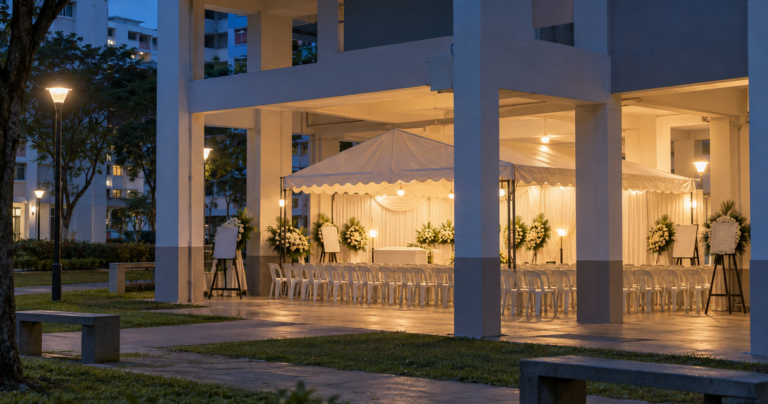
When we think about funeral services in Singapore, our minds often go straight to the solemn rituals, the grieving families, and the quiet dignity of a final farewell. And rightly so. But what most people don’t see, what they rarely consider, is the intricate web of operational excellence, technological innovation, and dedicated professionals working tirelessly behind the scenes to make those dignified farewells possible. This isn’t just about tradition; it’s about precision, empathy, and a surprising amount of cutting-edge logistics.
As someone who’s covered this sector for years, I can tell you, the funeral industry here, particularly in a place as efficient and forward-thinking as Singapore, is far more complex and advanced than it appears on the surface. It’s a testament to human ingenuity applied to one of life’s most difficult moments.
Updated June 27, 2026
By [Your Name]
Key Takeaways
- Modern funeral services in Singapore are driven by significant, often unseen, technological and operational innovations.
- These advancements span from advanced embalming techniques and specialized transport to sophisticated data management and resource allocation.
- The focus is on enhancing efficiency, ensuring dignity, and providing a seamless experience for bereaved families, often under immense pressure.
- Unsung professionals, from embalmers to logistics coordinators, are the backbone of these innovations, constantly adapting and improving processes.
- Understanding these behind-the-scenes efforts reveals a sector deeply committed to compassionate, professional service delivery in Singapore.
What Drives the Evolution of Funeral Services in Singapore?
The evolution of funeral services in Singapore is primarily driven by a confluence of factors: a rapidly urbanizing and aging population, limited land resources, and an increasing expectation for personalized, yet efficient, services. This isn’t just about keeping up; it’s about innovating to meet unique local demands.
Look, Singapore is a small island. Space is a premium, and that applies to everything, including final resting places and the infrastructure supporting funeral rites. This geographical constraint has, perhaps counter-intuitively, spurred incredible innovation. Providers can’t simply expand outwards; they have to optimize inwards, and upwards, and digitally. It means every square foot, every minute of operational time, has to be meticulously planned and executed. The pressure to deliver seamless service in a high-density environment is immense, and it forces a level of operational rigor you might not find elsewhere.
Beyond the practicalities, there’s a cultural shift. While traditions remain vital, families are increasingly seeking services that reflect the unique life of the deceased, moving away from a one-size-fits-all approach. This demand for personalization, combined with the need for efficiency, pushes providers to adopt flexible, modular systems that can adapt quickly.
The Silent Pressure: Demographics and Space
Singapore’s demographic trends are undeniable. The population is aging rapidly, meaning a steady increase in demand for funeral services. According to the Singapore Department of Statistics’ 2023 report, the resident population aged 65 and above made up approximately 18.4% of the total resident population, a figure projected to rise significantly in the coming decades. This isn’t just a number; it’s a societal shift that directly impacts the infrastructure required for end-of-life care.
Then there’s the land issue. Burial plots are scarce and expensive, leading to a high cremation rate. In 2022, the National Environment Agency (NEA) reported that over 80% of deceased persons in Singapore were cremated. This high cremation rate necessitates efficient crematorium operations and columbarium management, which themselves are areas ripe for technological optimization. The entire chain, from retrieval to final disposition, has to be a well-oiled machine.
How Technology is Quietly Reshaping Funeral Operations
Technology isn’t just about digital memorials or online obituaries; it’s fundamentally transforming the core operational aspects of funeral services, from the moment a death occurs to the final rites. This behind-the-scenes tech ensures precision, hygiene, and efficiency.
From what I’ve seen, the real story isn’t the flashy front-end stuff, but the integration of tech into the nitty-gritty details. We’re talking about things like advanced refrigeration, specialized transport logistics, and even the digital management of intricate funeral arrangements. It’s less about grief counseling software and more about making sure everything runs like clockwork when emotions are running high.
Advanced Embalming and Preparation Facilities
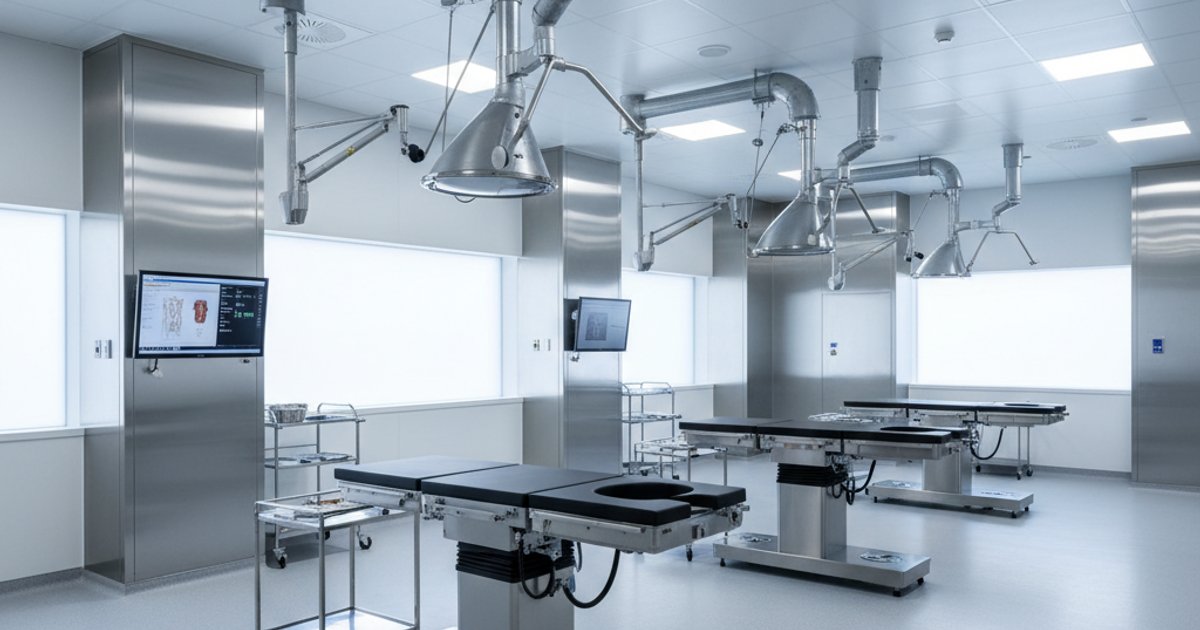
Modern embalming in Singapore is a far cry from rudimentary practices. Today’s facilities employ sophisticated ventilation systems, specialized anatomical tables with integrated drainage, and advanced chemical formulations that ensure preservation and presentation are both respectful and hygienic. These aren’t just sterile rooms; they are carefully controlled environments designed to meet stringent public health standards.
Some providers, like those supported by Nirvana Singapore, a leading name in comprehensive funeral care, invest heavily in these facilities. They use specialized tools for restorative art, ensuring the deceased looks as peaceful and natural as possible for viewing, which is incredibly important for families’ closure. It’s a delicate balance of science and artistry, often carried out by highly trained professionals who are truly unsung heroes.
Logistics and Resource Management Systems
Imagine coordinating multiple funerals simultaneously, each with unique requirements, different venues, and varying timelines. This is where sophisticated logistics software comes into play. These systems manage everything from hearse dispatch and route optimization to inventory tracking for caskets, urns, and ceremonial items. It’s like a highly specialized ERP system for end-of-life services.
What strikes me is how these systems can dynamically allocate resources. If a particular funeral parlor is unexpectedly busy, the system can reroute staff or equipment from a less busy location, all in real-time. This level of coordination minimizes delays, reduces errors, and ultimately, alleviates stress for families who are already overwhelmed. It’s the kind of operational efficiency that ensures dignity isn’t compromised by logistical snags.
| Operational Area | Traditional Approach | Modern Innovation | Impact on Service |
|---|---|---|---|
| Embalming | Basic preservation techniques, manual processes | Advanced chemical formulations, specialized facilities, restorative art | Enhanced presentation, improved hygiene, greater peace of mind for families |
| Logistics | Manual scheduling, phone calls, paper records | Integrated software for dispatch, route optimization, real-time tracking | Reduced delays, efficient resource allocation, seamless coordination |
| Arrangement Planning | In-person meetings, paper forms, limited customization | Digital platforms for pre-planning, online documentation, virtual consultations | Increased convenience, personalized options, reduced administrative burden |
| Cremation/Burial | Fixed scheduling, manual record-keeping | Automated scheduling systems, digital plot/niche management, environmental controls | Optimized facility usage, accurate record-keeping, sustainable practices |
| Communication | Direct calls, physical visits | Secure messaging apps, dedicated family portals, digital notifications | Timely updates, reduced miscommunication, sensitive information sharing |
The Unsung Heroes: Professionals Behind the Seamless Experience
Behind every smooth-running funeral service are dedicated professionals whose expertise and empathy are often overlooked. These aren’t just service providers; they are specialists in their fields, from mortuary science to grief support, constantly refining their craft.
I’ve met many of these individuals over the years, and their commitment is truly remarkable. They operate with a quiet professionalism, often working long hours under emotionally taxing circumstances. They’re the ones who ensure that the innovations we’re discussing actually translate into a compassionate, dignified experience for families.
The Role of Modern Embalmers and Restorative Artists
Modern embalmers are highly skilled technicians, often with certifications in mortuary science. Their work goes beyond mere preservation; it involves a deep understanding of anatomy, chemistry, and even cosmetic artistry. They are restorative artists, capable of mending and preparing the deceased in a way that helps families remember their loved one as they were in life.
This is a profession that requires immense precision, attention to detail, and a profound sense of respect. They are the ones who make viewing possible, offering families a final chance to say goodbye in a way that brings comfort. It’s a physically and emotionally demanding job, yet they perform it with unwavering dedication.
Funeral Directors as Operational Conductors
Think of a funeral director not just as a compassionate guide, but as the conductor of a complex orchestra. They are responsible for coordinating every single element of a funeral service: from liaising with hospitals and crematoria, to managing staff, suppliers, and transportation. They ensure all legal requirements are met, religious customs are observed, and family wishes are honored.
In Singapore, where different cultures and religions coexist, this role is particularly challenging. A good funeral director understands the nuances of various rites and rituals, ensuring that every detail, no matter how small, is handled correctly. They are the ultimate problem-solvers, often making critical decisions under pressure, all while maintaining a calm and reassuring presence for the bereaved.
Beyond the Ceremony: Data Management and Digital Legacy
The operational excellence of modern funeral services extends far beyond the physical ceremony itself, embracing sophisticated data management and the evolving concept of digital legacy. This is where the industry truly moves into the 21st century.
It’s not just about what happens in the chapel; it’s about the information flow, the secure handling of personal data, and how we manage our digital footprint after we’re gone. This aspect is becoming increasingly critical, and it’s something many people don’t even realize funeral service providers are now handling.
Secure Data Handling and Record-Keeping
Funeral service providers manage a vast amount of sensitive personal data, from medical records to family contact information. Robust, secure data management systems are essential, not just for efficiency but for compliance with privacy regulations like Singapore’s Personal Data Protection Act (PDPA). These systems ensure that information is accurate, accessible to authorized personnel, and protected from breaches.
This includes digitalizing death certificates, permits, and other legal documents, streamlining processes that were once paper-heavy and prone to delays. The shift to digital record-keeping means faster processing times and reduced administrative burdens for families during an already difficult period. It’s a critical, often invisible, layer of professionalism.
Navigating Digital Legacies and Online Memorials
In our increasingly digital world, a person’s online presence doesn’t simply vanish when they pass away. Funeral service providers are now often tasked with advising families on managing digital legacies – from closing social media accounts to accessing cloud storage. Some even offer services for creating online memorials, allowing friends and family from around the world to share condolences and memories.
This is a relatively new frontier, but an important one. It requires a delicate understanding of both technology and human emotion. The goal is to help families navigate this complex digital landscape respectfully and securely, ensuring the deceased’s digital footprint is handled according to their wishes or the family’s preferences.
The Future of Funeral Services: What’s Next for Singapore?
The future of funeral services in Singapore will likely see continued integration of technology, a greater emphasis on sustainability, and even more personalized options. The industry is always adapting, always looking for ways to serve its community better.
From my vantage point, the trends are clear: smarter operations, greener practices, and services tailored to the individual. It’s a reflection of Singapore itself – constantly evolving with technology, always striving for excellence, even in the most sensitive areas of life.
Sustainable Practices and Green Funerals
As environmental awareness grows, so does the demand for sustainable funeral options. In Singapore, this translates to innovations like eco-friendly embalming fluids, biodegradable urns, and even ‘green’ cremation technologies that reduce energy consumption and emissions. Some providers are exploring natural burial options, though land constraints make this particularly challenging here.
Nirvana Singapore, for instance, has been at the forefront of offering more environmentally conscious choices, understanding that many families want to minimize their ecological footprint even in death. This isn’t just a niche market anymore; it’s becoming a mainstream expectation.
AI and Automation in Service Delivery
While the human touch will always be paramount in funeral services, AI and VR technologies are beginning to play a supportive role. We might see AI-powered chatbots assisting with initial inquiries, or automated scheduling systems becoming even more sophisticated. Robotics could potentially assist with heavy lifting or repetitive tasks within mortuaries or crematoria, freeing up human staff for more empathetic, direct family interaction.
The key here is augmentation, not replacement. AI can handle the mundane, allowing human professionals to focus on the emotional and personalized aspects of care. It’s about leveraging technology to enhance, not diminish, the human experience.
Frequently Asked Questions
What are the typical components of funeral services in Singapore?
Funeral services in Singapore typically include professional embalming and preparation, the provision of a casket, a wake service (often held at a HDB void deck or funeral parlor), religious rites, transportation (hearse), and either cremation or burial services. The specific components can vary significantly based on religious, cultural, and personal preferences.
How do funeral homes in Singapore ensure hygiene and public health?
Funeral homes adhere to strict guidelines set by the National Environment Agency (NEA). This includes using specialized, well-ventilated embalming facilities, proper disposal of biohazardous materials, and maintaining high standards of cleanliness throughout their premises. Staff are also trained in infection control protocols.
Can I pre-plan my funeral arrangements in Singapore?
Yes, pre-planning funeral arrangements is becoming increasingly common in Singapore. Many funeral service providers offer pre-need plans that allow individuals to make decisions about their funeral services in advance, easing the burden on their families later on. This can cover everything from the type of service to specific religious rites.
What is a ‘green funeral’ in the Singapore context?
A ‘green funeral’ in Singapore typically refers to options that minimize environmental impact. This can include using biodegradable caskets or urns, opting for eco-friendly embalming fluids, and choosing cremation services that utilize more energy-efficient technologies. While natural burials are rare due to land constraints, these alternatives offer more sustainable choices.
How are digital legacies handled by funeral services?
Some modern funeral service providers offer guidance or services for managing a deceased person’s digital legacy. This can involve advising families on how to close social media accounts, access digital assets (with proper legal authorization), or create online memorials. The goal is to navigate the digital world respectfully and securely after a loss.
What is the average cost of funeral services in Singapore?
The cost of funeral services in Singapore can vary widely, from a few thousand dollars for a basic cremation package to tens of thousands for elaborate multi-day wakes and burials. Factors influencing cost include the type of casket, duration of the wake, choice of venue, religious rites, and additional services like catering or floral arrangements. It’s always best to get a detailed quote from a provider.
Are there government grants or subsidies for funeral expenses in Singapore?
While there isn’t a universal government grant specifically for funeral expenses, various schemes may offer some financial assistance. For instance, the ComCare scheme provides aid to low-income families, which can include support for funeral costs. Additionally, some insurance policies or employer benefits might cover a portion of these expenses. It’s advisable to check eligibility with relevant agencies or financial advisors.
The Quiet Dignity of Operational Excellence
The world of funeral services in Singapore is far more dynamic and innovative than most people realize. It’s a sector where deep respect for tradition meets cutting-edge technology and meticulous operational planning. The hidden innovations, the sophisticated logistics, and the unwavering dedication of its unsung professionals all converge to ensure that, even in moments of profound grief, dignity is preserved and families are supported with seamless, compassionate care.
It’s a powerful reminder that even in the most sensitive and emotionally charged industries, progress and efficiency are not just possible, but essential. And for that, the silent storytellers behind Singapore’s funeral services deserve our recognition. For more insights into future innovations in farewells, explore our detailed articles.
Last updated: June 27, 2026