By Nirvana Singapore
Updated June 6, 2026
Key Takeaways
- Funeral choices in Singapore extend far beyond the immediate ceremony, shaping financial, environmental, and emotional legacies for years.
- Pre-planning funeral services significantly reduces stress and financial burden on surviving family members, offering clarity during grief.
- The decision between burial and cremation carries distinct long-term environmental and land-use implications, particularly in land-scarce Singapore.
- Digital legacies require proactive management to ensure personal data and online presence are handled according to the deceased’s wishes.
- Thoughtful funeral planning fosters healthier family dynamics and provides a structured path for long-term remembrance and healing.
The final farewell is rarely just about the day itself. It’s about the decades that follow, the memories etched, the financial ripples, and the very ground beneath our feet. In Singapore, where space is precious and traditions run deep, the choices made around funeral services carry an enduring weight, shaping legacies far beyond the immediate grief.
This isn’t merely a guide to funeral services in Singapore; it’s a deep dive into the long game. We’ll examine how decisions made during a time of profound loss can echo through generations, impacting everything from family finances and environmental footprints to digital afterlives and the very process of healing. Understanding these long-term consequences empowers families to make choices that truly honor a life lived and provide lasting peace.
What Are the Long-Term Financial Implications of Funeral Choices?
The financial decisions made regarding funeral services in Singapore can profoundly affect a family’s economic stability for years, directly influencing savings, potential debt, and the distribution of the deceased’s estate. Without careful planning, significant costs can emerge unexpectedly, diverting resources from other essential family needs or future investments. A thoughtful approach to funeral expenses ensures that the financial burden does not overshadow the grieving process or compromise the family’s long-term well-being.
The immediate costs of a funeral service in Singapore can range widely, typically from S$4,000 to over S$20,000, depending on the type of service, casket choice, venue, and duration. A 2023 survey by the Consumers Association of Singapore (CASE) indicated that the average cost for a basic funeral package was around S$7,000. These upfront expenses, if not planned for, often fall directly on the next of kin, potentially leading to immediate financial strain. For instance, a family might need to dip into emergency savings or even take out loans if a comprehensive funeral plan isn’t in place.
The Power of Pre-Planning and Insurance
Pre-planning funeral services, often through pre-paid funeral plans or dedicated insurance policies, acts as a crucial buffer against future financial shocks. These arrangements allow individuals to lock in prices at current rates, shielding their families from inflation and unexpected costs. According to a 2024 report by the Life Insurance Association Singapore (LIA), only 15% of Singaporeans aged 40 and above have specifically allocated funds or insurance for funeral expenses. This statistic highlights a significant gap in financial preparedness that can leave families vulnerable.
Consider the alternative: without pre-planning, families might face pressure to choose more expensive options due to emotional duress, leading to regret later. A pre-arranged plan, on the other hand, provides clarity and peace of mind, ensuring that wishes are respected without imposing undue financial stress. Nirvana Singapore, a leading provider of comprehensive funeral services, emphasizes that pre-need arrangements can save families up to 30% compared to at-need purchases, while also offering flexible payment options.
Estate Planning and Legacy
Beyond the direct funeral costs, choices made can also impact the deceased’s estate. For example, if the estate is tied up in probate, funds for the funeral might need to be sourced elsewhere temporarily. Conversely, a well-structured will can explicitly allocate funds for funeral expenses, ensuring they are paid promptly without affecting other beneficiaries. The long-term financial legacy is about more than just burial costs; it’s about how the entire process influences the inheritance, savings, and financial stability of those left behind. A clear financial plan for end-of-life arrangements is an act of love, safeguarding the financial future of your loved ones.
How Do Funeral Choices Impact the Environment and Land Use in Singapore?
Funeral choices in Singapore have significant long-term consequences for the environment and the nation’s limited land resources, primarily through the methods of disposition: burial versus cremation. These decisions directly affect carbon footprints, land allocation for cemeteries, and the sustainability of end-of-life practices in a densely populated urban environment. Understanding these impacts allows individuals and families to make more ecologically conscious choices that align with their values and Singapore’s environmental goals.
Singapore faces unique challenges due to its small land area. The National Environment Agency (NEA) reports that burial plots are allocated for a limited period, typically 15 years, after which remains are exhumed. This policy underscores the severe scarcity of land. Traditional burials require significant land for cemeteries, which, despite the exhumation policy, still represents a long-term commitment of space that could otherwise be used for housing, infrastructure, or green spaces. The process of embalming also involves chemicals like formaldehyde, which can leach into the soil and groundwater, posing environmental risks.
Cremation: A Land-Saving Alternative with its Own Footprint
Cremation is the predominant choice in Singapore, accounting for approximately 80% of all dispositions, according to the NEA’s 2023 statistics. This preference is largely driven by land scarcity and cultural acceptance. Cremation significantly reduces land use, as ashes can be stored in columbarium niches, scattered at sea, or kept at home. However, cremation is not without its environmental impact. The process consumes substantial energy, primarily natural gas, releasing carbon dioxide and other pollutants into the atmosphere. A single cremation can release an estimated 160 kg of CO2, equivalent to a 600 km car journey.
| Aspect | Traditional Burial | Cremation | Green Burial / Eco-Friendly Options |
|---|---|---|---|
| Land Use | High (permanent or long-term plots) | Low (columbarium niches, scattering) | Moderate (natural burial grounds, conservation areas) |
| Carbon Footprint | Moderate (casket production, transport, embalming) | High (energy consumption for combustion) | Low (biodegradable materials, no embalming, natural decomposition) |
| Chemical Use | High (embalming fluids like formaldehyde) | Low (minimal to none) | None |
| Material Waste | High (non-biodegradable caskets, concrete vaults) | Moderate (urns, metal implants) | Low (biodegradable shrouds, caskets) |
| Long-Term Impact | Land scarcity pressure, potential soil contamination | Air pollution, energy consumption | Soil enrichment, habitat preservation |
Emerging Eco-Friendly Funeral Services SG
As environmental awareness grows, so does the demand for more sustainable funeral services in Singapore. Options like sea burial, where cremated remains are scattered in designated areas off Singapore’s coast, offer a minimalist approach with minimal land impact. While sea burial is gaining traction, it still involves the environmental cost of cremation. Newer, more eco-friendly options, though not yet widespread in Singapore, include biodegradable urns that nourish a tree, or even ‘green burials’ that forgo embalming and use biodegradable shrouds or caskets, allowing the body to return to the earth naturally in a designated conservation area. These alternatives aim to minimize environmental harm and contribute positively to ecological cycles, offering a truly ‘green’ legacy.
What is a Digital Afterlife and Why Should You Plan For It?
A digital afterlife refers to the online presence and data left behind by an individual after their passing, encompassing everything from social media profiles and email accounts to digital assets and cloud storage. Planning for this digital legacy is crucial because it ensures personal information is handled according to one’s wishes, prevents identity theft, and provides loved ones with access to important memories or financial accounts. Without a clear plan, digital assets can become inaccessible, lost, or even misused, creating unnecessary stress and complications for grieving families.
In an increasingly connected world, most individuals have a substantial digital footprint. This includes social media profiles on platforms like Facebook and Instagram, email accounts, online banking portals, subscription services, photo libraries in the cloud, and even cryptocurrency wallets. Each of these represents a piece of an individual’s digital identity and potentially valuable data or memories. For instance, a 2025 survey by the Singapore Internet Exchange (SGIX) found that the average Singaporean maintains over 10 active online accounts, with a significant portion containing personal photos and communications.
The Challenges of Unmanaged Digital Legacies
Without a clear directive, managing a deceased loved one’s digital assets can be a labyrinthine task. Accessing accounts often requires passwords, which are typically protected by privacy laws and platform policies. This can lead to situations where families are unable to retrieve cherished photos, close down accounts, or even cancel recurring subscriptions, causing ongoing financial drain or emotional distress. For example, a family might struggle for months to gain access to a deceased parent’s photo archive stored on Google Photos, simply because they lack the login credentials.
Crafting Your Digital Afterlife Plan
Planning for your digital afterlife involves several key steps. First, create a comprehensive inventory of all your online accounts, including usernames, passwords (stored securely and separately), and the platforms they belong to. Second, designate a digital executor in your will or a separate document, empowering a trusted individual to manage these accounts. Third, utilize features offered by platforms themselves; many social media sites like Facebook allow you to designate a legacy contact or request account deletion upon death. Fourth, consider using digital legacy services that securely store your information and release it to designated individuals after your passing.
The long-term impact of a well-planned digital afterlife is profound. It protects your privacy, safeguards your digital assets, and eases the burden on your family during an already difficult time. It ensures that your online story concludes with dignity and according to your wishes, preventing your digital presence from becoming a source of confusion or vulnerability for your loved ones.
How Do Different Funeral Services SG Affect Family Healing and Remembrance?
The type of funeral services chosen in Singapore significantly influences the long-term healing process for grieving families and shapes how the deceased is remembered. A well-executed service provides a crucial space for collective mourning, validation of grief, and the beginning of acceptance, fostering healthier family dynamics. Conversely, a rushed or impersonal service can hinder emotional processing, leaving family members feeling unsupported or disconnected from the remembrance process for years to come.
Funeral rituals, regardless of cultural background, serve as vital psychological anchors during loss. They provide structure, allow for the expression of grief, and offer a communal experience of support. A study published in the ‘Journal of Bereavement Research’ in 2023 found that individuals who participated in meaningful funeral rites reported lower levels of complicated grief and better long-term psychological adjustment. The specific elements of a funeral – whether it’s a traditional wake, a memorial service, or a direct cremation – each contribute differently to this healing journey.
The Role of Traditional Wakes and Memorials
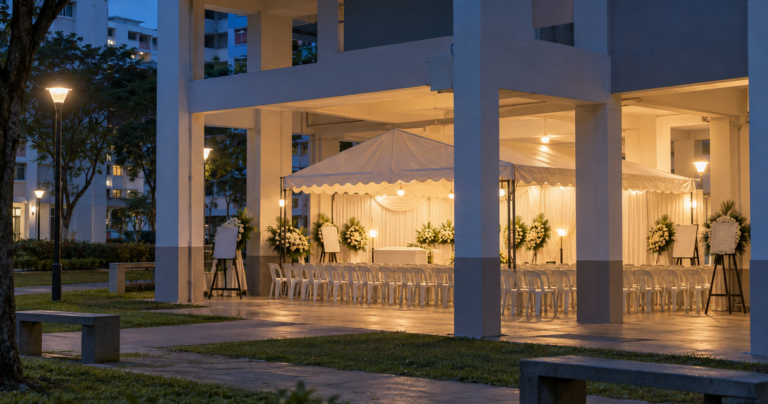
Traditional wakes, common in Singaporean Chinese, Malay, and Indian cultures, often span several days, providing an extended period for family and friends to gather, share stories, and offer condolences. This prolonged interaction fosters a strong sense of community support and allows for gradual processing of the loss. The collective remembrance, often accompanied by religious rites, reinforces the deceased’s place within the family and community. For many, the act of physically being present, sharing meals, and performing rituals is integral to moving through grief. The long-term benefit is a shared narrative of the deceased’s life, which strengthens family bonds and provides comfort in collective memory.
Direct Cremation vs. Full Service Funerals
While direct cremation offers a cost-effective and efficient option, its impact on long-term healing can be different. Without a formal gathering or viewing, some family members might struggle with the lack of closure or the absence of a tangible farewell. This is not to say direct cremation is inherently detrimental; for some, particularly those who prefer privacy or have already processed their grief through other means, it can be appropriate. However, for others, the absence of a structured mourning period can lead to prolonged feelings of unreality or unaddressed grief. The key is to ensure that even with direct cremation, alternative forms of remembrance, such as a private family gathering or a memorial service at a later date, are considered to facilitate healing.
Nirvana Singapore understands the diverse needs of families and offers a range of funeral services in Singapore, from elaborate multi-day wakes to intimate memorial services, all designed to support the unique healing journey of each family. Their approach emphasizes personalization, ensuring that the chosen service truly reflects the life of the departed and provides a meaningful experience for those left behind.
Creating Enduring Rituals of Remembrance
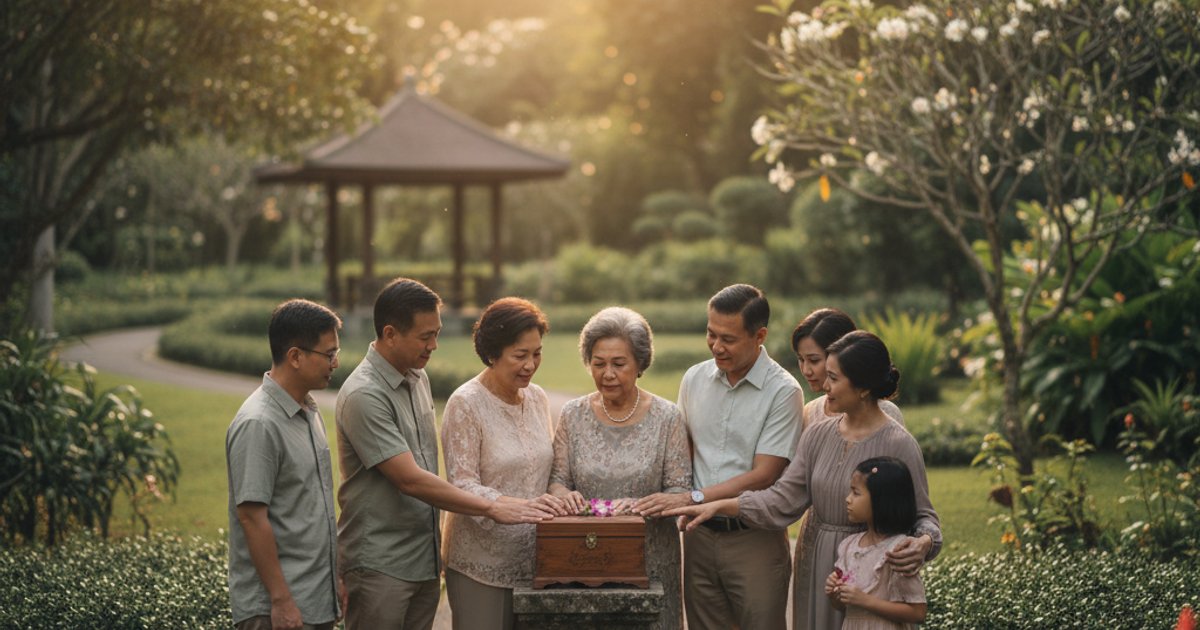
Beyond the immediate service, the choices made can establish enduring rituals of remembrance. This might include annual memorial gatherings, maintaining a special garden in honor of the deceased, or creating a digital memorial page where stories and photos can be shared indefinitely. These ongoing practices provide a framework for continuing bonds with the deceased, allowing grief to evolve into remembrance and celebration of life. The long-term impact is a sustained connection to the loved one, fostering emotional well-being and ensuring their legacy lives on through active, meaningful remembrance.
Frequently Asked Questions
What is the average cost of funeral services in Singapore?
The average cost for basic funeral services in Singapore typically ranges from S$4,000 to S$10,000, but can exceed S$20,000 for more elaborate arrangements. Factors like the type of casket, duration of the wake, choice of venue, and religious rites all influence the final price. Pre-planning can help manage and potentially reduce these costs.
Can I pre-plan my funeral in Singapore?
Yes, funeral planning in Singapore is highly recommended. It allows you to specify your wishes, lock in prices, and alleviate the financial and emotional burden on your family during a difficult time. Companies like Nirvana Singapore offer comprehensive pre-need funeral packages that cover various aspects of the service.
What are the environmental considerations for burials versus cremations in Singapore?
Burials in Singapore require significant land, which is a scarce resource, and plots are typically leased for 15 years. Cremation is more common, reducing land use but contributing to carbon emissions due to energy consumption. Eco-friendly options like sea burial or biodegradable urns are emerging alternatives to reduce environmental impact.
How do I manage my digital legacy after I’m gone?
Managing your digital legacy involves creating an inventory of all online accounts, designating a digital executor, and utilizing platform-specific legacy features. Storing passwords securely and communicating your wishes to trusted individuals ensures your digital footprint is handled according to your preferences, protecting your privacy and assets.
Are there government grants or subsidies for funeral services in Singapore?
While there isn’t a universal government grant specifically for funeral services, various assistance schemes may indirectly help. These include financial aid for low-income families through ComCare, or specific support from community organizations. It’s advisable to check with relevant social service agencies or community centers for eligibility.
How long does a typical funeral wake last in Singapore?
The duration of a funeral wake in Singapore varies significantly by culture and personal preference. Chinese wakes often last 3 to 5 days, while Malay and Indian wakes are typically shorter, often 1 to 3 days. Some families opt for a single-day memorial service, especially with direct cremation.
What are the options for the final resting place of ashes after cremation in Singapore?
After cremation, ashes can be stored in columbarium niches, which are widely available in government and private facilities. Another popular option is sea burial, where ashes are scattered in designated areas off Singapore’s coast. Some families also choose to keep the urn at home or scatter ashes in a private garden, adhering to local regulations.
Last updated: June 6, 2026