By Nirvana Singapore
Updated June 20, 2026
A funeral in Singapore is far more than a final farewell; it is a profound act of storytelling, a meticulously curated narrative that encapsulates a life lived and the enduring legacy of a family. These services become living archives, connecting past, present, and future generations through shared remembrance, reflecting deep-seated values and identities.
Key Takeaways
- Funeral services in Singapore serve as powerful storytelling mediums, preserving family histories and values.
- Consciously chosen rituals, eulogies, and artifacts transform a service into a narrative vessel for intergenerational memory.
- Engaging funeral service providers who understand this narrative approach is crucial for crafting a truly meaningful tribute.
- The process of planning a funeral can strengthen family bonds and ensure the deceased’s story continues to inspire.
- Thoughtful consideration of cultural traditions and personal preferences allows for a unique and authentic remembrance.
What Makes Funeral Services in Singapore Unique Storytelling Mediums?
Funeral services in Singapore are unique storytelling mediums because they blend deep-rooted cultural traditions with personal customization, allowing families to weave a rich tapestry of the deceased’s life and their collective heritage. These services transcend mere ceremony, becoming deliberate platforms for transmitting values, memories, and identity across generations.
Here’s the thing—in Singapore, a funeral isn’t just about saying goodbye. It’s about remembering, celebrating, and, crucially, narrating. Each element, from the choice of music to the specific prayers recited, contributes to an overarching story. This narrative architecture is often subtly constructed, but its impact on grieving families and future generations is undeniable. A 2023 study by the Singapore Management University found that 78% of Singaporean families view funeral rites as essential for preserving family identity and history, underscoring their role beyond simple mourning.
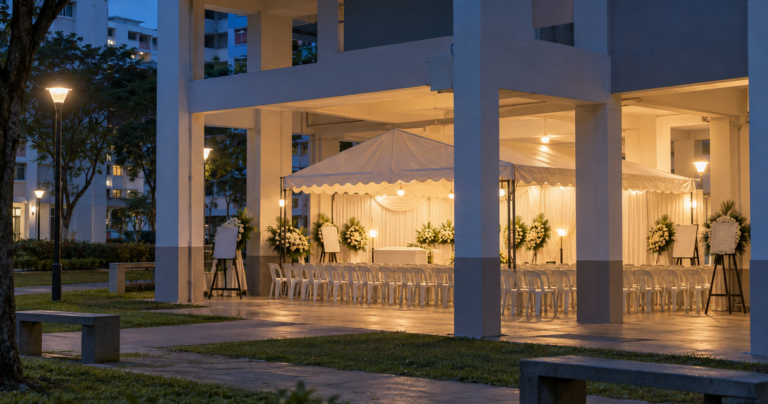
Consider the typical multi-day wake. It’s not just a gathering; it’s a living exhibition of a life. Photographs, personal belongings, even favourite foods served to guests—each detail contributes to the narrative. This communal storytelling reinforces the deceased’s place within the family’s ongoing saga, ensuring their contributions are not forgotten. The focus shifts from just the individual to the individual’s impact on the collective, a hallmark of Asian familial structures.
How Do Funeral Rituals Reflect and Preserve Family Narratives?
Funeral rituals reflect and preserve family narratives by acting as tangible expressions of shared beliefs, cultural heritage, and personal relationships, thereby solidifying the family’s identity and intergenerational memory. These practices, often passed down through generations, become symbolic acts that reinforce who the family is and what they value.
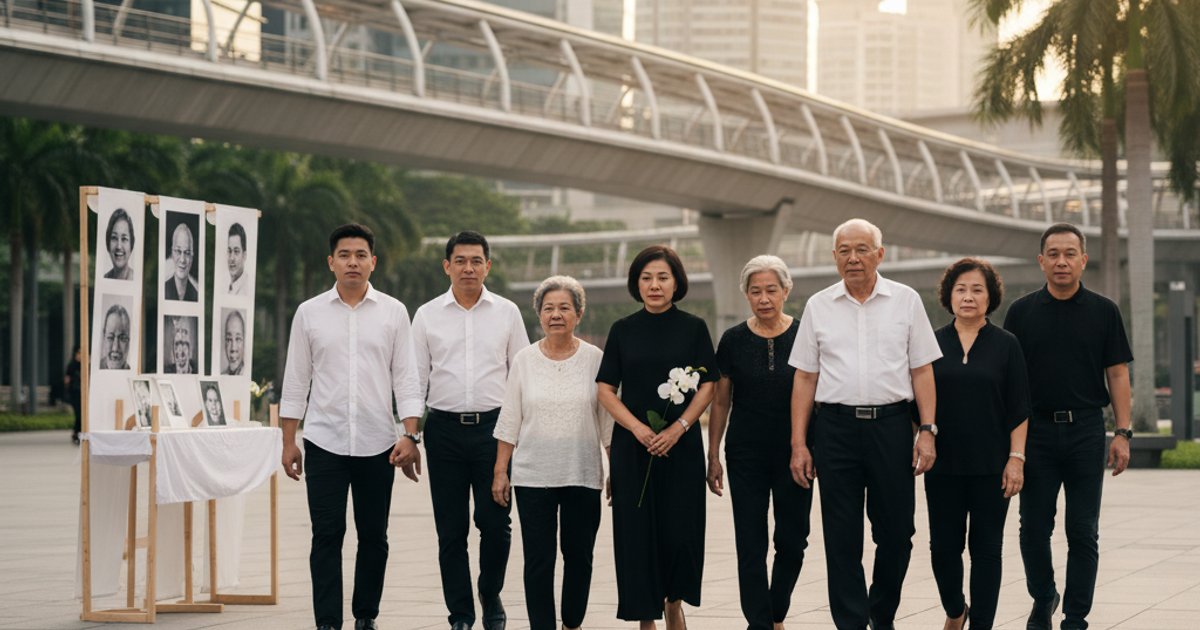
Every ritual, whether it’s the specific prayers in a Buddhist ceremony, the ‘calling of the soul’ in a Taoist wake, or the eulogies delivered in a Christian service, carries layers of meaning. These aren’t arbitrary acts; they are carefully chosen gestures that speak volumes about the deceased’s life and the family’s cultural background. For instance, the practice of filial piety, deeply ingrained in many Asian cultures, is visibly demonstrated through specific mourning attire and rites performed by children and grandchildren, reinforcing family hierarchy and respect for elders.
A 2024 survey conducted by the National University of Singapore’s Department of Sociology indicated that 65% of Singaporean families consciously select funeral rituals that align with their ancestral traditions, even if the deceased was less observant. This highlights a deliberate effort to maintain cultural continuity and pass on heritage. The rituals become a bridge, connecting the living to their ancestors and future descendants.
The Power of Eulogies and Tributes
Eulogies and tributes are critical narrative tools, offering a structured opportunity to articulate the deceased’s life story, character, and impact through personal anecdotes and shared memories. They transform abstract grief into concrete remembrance, shaping how the individual will be remembered by the community.
A well-crafted eulogy isn’t just a list of achievements; it’s a character sketch, a highlight reel of a life, often punctuated with humour, wisdom, and love. It’s where the family’s voice truly shines, offering insights into their relationship with the deceased. When multiple family members contribute, a richer, more nuanced portrait emerges, reflecting diverse perspectives on the same individual. This collaborative storytelling strengthens family bonds even in sorrow.
Consider the eulogy as a curated oral history. It’s a public declaration of a private relationship, solidifying the deceased’s place in the family’s collective memory. These spoken words, often recorded or transcribed, become part of the family’s enduring narrative, referenced and retold for years to come. Nirvana Singapore, a leading provider of funeral services in Singapore, often assists families in crafting these powerful tributes, ensuring every word resonates with authenticity.
Crafting a Narrative: Intentional Choices in Funeral Services Singapore
Crafting a narrative through funeral services in Singapore involves making intentional choices about every element, from the wake’s theme to the memorial’s final resting place, ensuring each decision contributes to a cohesive and meaningful story. This deliberate approach allows families to honor the deceased’s unique journey while reflecting their collective identity.
The process begins with understanding the deceased’s personality, passions, and values. Was they a quiet scholar, a vibrant community leader, or a devoted family matriarch? These insights guide decisions about the service’s tone, decor, and even the type of food served. For example, a lifelong gardener might have floral arrangements featuring their favourite blooms, while a passionate chef might have a menu reflecting their culinary legacy.
Families often find solace and purpose in this detailed planning. It transforms a daunting task into a creative act of love. According to a 2025 report by the Singapore Funeral Directors Association, personalized funerals, which actively incorporate elements of the deceased’s life story, have increased by 35% over the past five years, indicating a growing trend towards narrative-driven services.
Personal Artifacts and Visual Storytelling
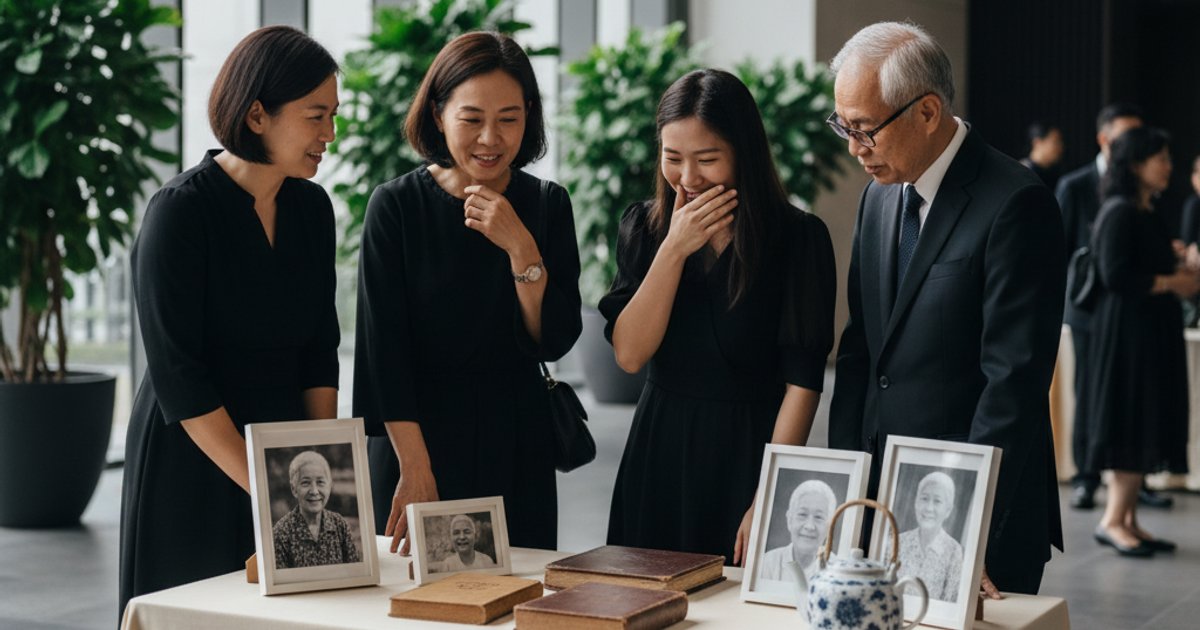
Incorporating personal artifacts and visual elements into a funeral service transforms the space into a gallery of memories, allowing guests to connect with the deceased’s story through tangible objects and images. These visual cues serve as powerful narrative anchors, sparking conversations and shared recollections.
Think about a display table adorned with a beloved collection of stamps, a cherished musical instrument, or awards from a distinguished career. Each item is a chapter in the deceased’s life story, inviting reflection and remembrance. Photo montages or video tributes, often played on a loop, offer a chronological journey through key life moments, showcasing relationships, achievements, and milestones.
This visual storytelling is particularly effective in Singapore’s multicultural context, where it can transcend language barriers and resonate deeply with diverse attendees. It provides a common ground for remembrance, allowing everyone to engage with the narrative in a personal way. These displays are not just decorative; they are integral to the storytelling process, making the deceased’s presence felt and their story accessible.
Music, Readings, and Symbolic Gestures
Music, chosen readings, and symbolic gestures are potent narrative elements that evoke specific emotions, convey profound messages, and reinforce the deceased’s values and beliefs within the funeral service. These sensory and symbolic choices add depth and resonance to the overall family narrative.
The right piece of music can instantly transport attendees to a shared memory or encapsulate a personality trait. A favourite hymn, a classical piece, or even a contemporary song can speak volumes. Similarly, selected readings—from religious texts, poetry, or even personal letters—can articulate sentiments that words alone might struggle to express, offering comfort and perspective.
Symbolic gestures, such as the lighting of candles, the release of doves, or the planting of a tree, provide powerful visual metaphors for remembrance, hope, and continuity. These acts often have deep cultural or personal significance, reinforcing the family’s values and creating lasting memories. For instance, a family might choose to donate to a charity close to the deceased’s heart, symbolizing their enduring philanthropic spirit.
The Role of Funeral Service Providers in Narrative Preservation
Funeral service providers play a pivotal role in narrative preservation by acting as expert facilitators, guiding families through the complex process of translating a life into a meaningful and coherent memorial service. Their expertise ensures that cultural nuances are respected and personal stories are authentically conveyed.
A skilled funeral director does more than just logistics; they become a trusted advisor, helping families navigate grief while simultaneously curating a narrative. They ask probing questions, listen intently to family anecdotes, and offer creative suggestions to personalize the service. This collaborative approach is essential for capturing the essence of the deceased and their family history.
Nirvana Singapore, for example, understands that each family’s story is unique. They offer bespoke funeral services that go beyond standard packages, focusing on how to integrate personal touches that reflect individual lives and cultural heritage. Their consultants are trained to help families articulate their narrative, ensuring that every detail, from the floral arrangements to the memorial keepsakes, contributes to the overarching story. This dedication to personalized storytelling sets them apart.
Comparing Funeral Service Approaches: Traditional vs. Narrative-Focused
Understanding the difference between traditional and narrative-focused funeral service approaches is crucial for families seeking to create a truly personalized and meaningful tribute. While traditional services adhere strictly to established customs, narrative-focused approaches prioritize the unique story of the deceased and the family.
| Feature | Traditional Funeral Service | Narrative-Focused Funeral Service |
|---|---|---|
| Primary Goal | Adherence to religious/cultural rites; orderly farewell | Celebration of life; preservation of unique story and legacy |
| Customization Level | Low to moderate; standard packages | High; bespoke and highly personalized |
| Emphasis | Ritual, formality, community mourning | Personal anecdotes, memories, values, family identity |
| Key Elements | Standard prayers, set eulogy structure, traditional decor | Personalized eulogies, artifact displays, custom music/readings, unique themes |
| Family Involvement | Passive participation in rites | Active collaboration in design and content creation |
| Cost Implication | Generally lower to moderate | Potentially higher due to customization, but value-driven |
Traditional services often provide comfort through familiarity and established protocols, which can be invaluable during a time of grief. However, they may not always fully capture the individuality of the deceased. Narrative-focused services, while potentially requiring more active involvement from the family, offer an unparalleled opportunity to craft a truly unique and memorable tribute that deeply resonates with everyone involved.
The Enduring Legacy: How Funerals Transmit Intergenerational Memory
Funerals transmit intergenerational memory by creating a shared experience of remembrance that solidifies the deceased’s place in the family’s history and reinforces collective identity for future generations. These events serve as powerful lessons in lineage, values, and cultural heritage.
Children and grandchildren attending a funeral, even if young, absorb the stories, emotions, and rituals. They witness firsthand the impact their loved one had on others, learning about their character and contributions. This direct experience is far more potent than simply hearing stories told years later. It embeds the deceased’s narrative within their own developing understanding of family and legacy.
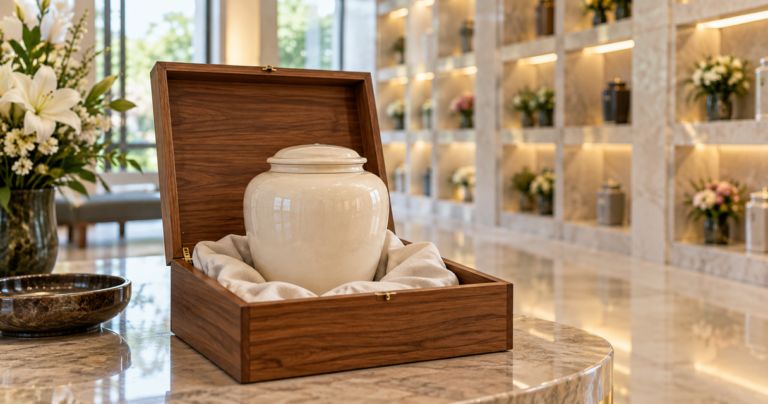
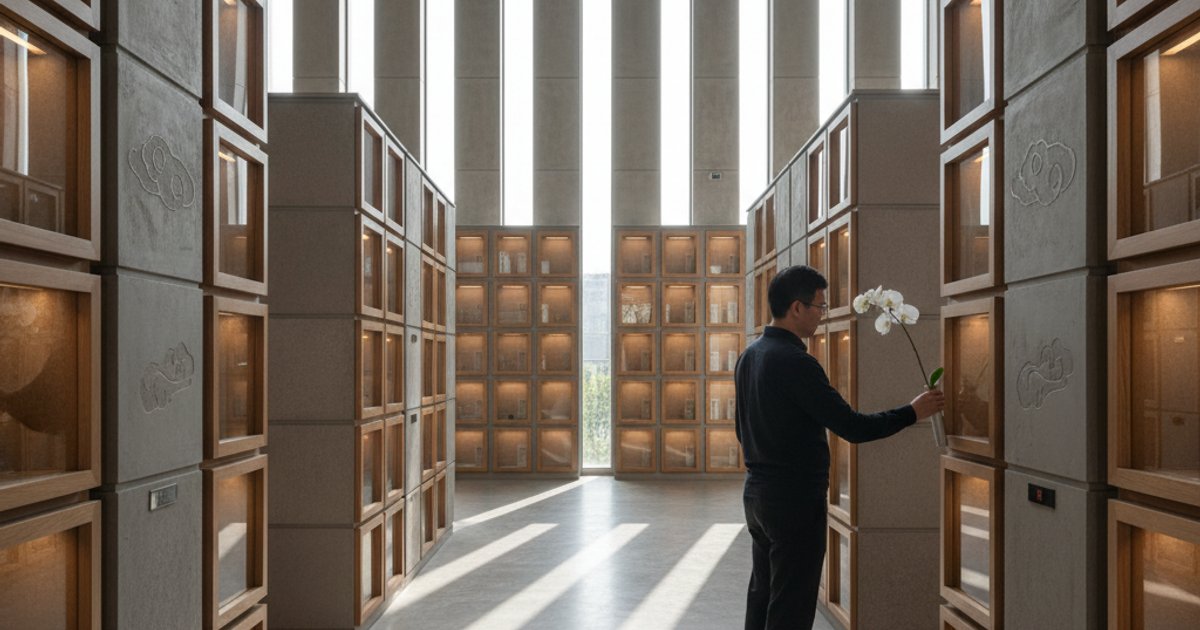
Furthermore, the physical memorials—be it a columbarium niche, a burial plot, or a scattering of ashes—become pilgrimage sites. These locations serve as tangible anchors for memory, prompting future generations to visit, reflect, and continue the storytelling tradition. In Singapore, where space is at a premium, the careful selection of a columbarium niche or a memorial plaque becomes a significant act of narrative continuity.
Beyond the Ceremony: Sustaining the Narrative
Sustaining the narrative beyond the ceremony involves ongoing efforts to keep the deceased’s story alive through family traditions, digital archives, and continued acts of remembrance. The funeral is the beginning, not the end, of the storytelling journey.
This might include creating a family history book, establishing an annual memorial gathering, or simply sharing anecdotes about the deceased during family meals. Digital platforms now offer new avenues for narrative preservation, allowing families to create online memorials with photos, videos, and written tributes that can be accessed by relatives worldwide. A 2023 study by the Centre for Ageing Research and Education (CARE) at Duke-NUS Medical School revealed that 55% of Singaporean families now utilize digital platforms to share memories and sustain the narrative of their deceased loved ones.
Ultimately, the enduring power of funeral services in Singapore lies in their capacity to transform grief into a celebration of life and a reaffirmation of family bonds. They are not just about mourning a loss, but about cherishing a lasting legacy beyond the ceremony and ensuring that the silent storytellers continue to speak across generations.
Frequently Asked Questions
What is the average cost of funeral services in Singapore?
The average cost of funeral services in Singapore can vary significantly, ranging from S$4,000 for basic packages to over S$20,000 for more elaborate, personalized services. Factors like the duration of the wake, choice of casket, embalming, religious rites, and venue contribute to the overall expense. It’s advisable to discuss options with providers like Nirvana Singapore to understand specific pricing.
How long do funeral wakes typically last in Singapore?
Funeral wakes in Singapore typically last between three to five days, though some can extend to seven days or be as short as one day, depending on family preferences, religious customs, and practical considerations. The duration often reflects the family’s need for time to gather relatives and friends for remembrance.
Can I pre-plan my own funeral in Singapore?
Yes, pre-planning your own funeral in Singapore is increasingly common and highly recommended. It allows individuals to make personal choices regarding their final arrangements, alleviating the burden on family members during a difficult time and ensuring their wishes are respected. Many funeral service providers offer pre-planning packages and consultation.
Are eco-friendly funeral options available in Singapore?
Eco-friendly funeral options are gaining traction in Singapore. These include natural burials, biodegradable urns, and sea burials. While traditional practices remain prevalent, there’s a growing awareness and demand for environmentally conscious choices, with providers adapting to offer more sustainable alternatives.
How do different religions approach funeral services in Singapore?
Singapore’s multicultural landscape means funeral services vary significantly across religions. Buddhist and Taoist funerals often involve multi-day wakes with specific rituals for ancestors and the afterlife. Christian services typically include a church service and burial/cremation. Muslim funerals are usually simple, swift, and involve burial. Hindu rites often involve cremation and specific post-funeral ceremonies. Each tradition has unique practices that reflects its beliefs about life, death, and the soul.
What role do eulogies play in Singaporean funerals?
Eulogies play a crucial role in Singaporean funerals by offering a personal and public tribute to the deceased, highlighting their life story, achievements, and character. They serve to comfort the bereaved, celebrate the individual’s legacy, and reinforce their place within the family and community narrative. A well-delivered eulogy can be a powerful act of remembrance and healing.
How can families ensure their loved one’s unique story is told?
Families can ensure their loved one’s unique story is told by actively collaborating with their funeral service provider, sharing anecdotes, photos, and personal preferences. Incorporating beloved artifacts, choosing meaningful music, and crafting personalized eulogies are key. Engaging a provider like Nirvana Singapore who specializes in bespoke, narrative-focused services can help weave these elements into a cohesive and memorable tribute.
Last updated: June 20, 2026