By Nirvana Singapore
Updated June 9, 2026
The moment a loved one departs, a profound silence descends, but in Singapore, that silence is quickly filled by an intricate symphony of traditions, rituals, and unspoken meanings. Funeral services here are not merely logistical arrangements; they are deeply personal, culturally resonant expressions of grief, respect, and hope for the departed’s journey, reflecting the nation’s vibrant multicultural fabric. Understanding these diverse practices offers not just insight into different communities but also a deeper appreciation for the universal human experience of loss and remembrance.
Key Takeaways
- Singapore’s funeral services are a rich mosaic of Chinese, Malay, Indian, and Western traditions, each with unique symbolic meanings.
- Rituals surrounding death are deeply rooted in religious beliefs, guiding practices from body preparation to mourning periods.
- The ‘why’ behind specific customs, like offerings or attire, often speaks to ancestral reverence, spiritual journeys, and community solidarity.
- Despite modernization, cultural authenticity remains a cornerstone, with families often balancing traditional rites with contemporary needs.
- Nirvana Singapore, for instance, provides tailored funeral services that respect and integrate these diverse cultural requirements.
What Is the Unspoken Language of Loss in Singapore?
The unspoken language of loss in Singapore refers to the profound cultural and religious symbolism embedded within each community’s funeral rites, which communicate respect, grief, and spiritual beliefs without needing explicit words. These practices, ranging from specific clothing to offerings and ceremonies, act as a collective narrative, guiding both the bereaved and the community through the process of farewell and remembrance. They are not just actions but deeply meaningful expressions passed down through generations.
Singapore, a nation built on multiculturalism, showcases this ‘language’ vividly. Each community—Chinese, Malay, Indian, Eurasian, and others—has distinct ways of honouring the deceased, shaped by centuries of religious doctrine, ancestral reverence, and communal solidarity. These traditions provide a framework for grieving, ensuring that the departed are sent off with dignity and that the living find solace and continuity.
The Cultural Tapestry of Funeral Services SG
Singapore’s funeral landscape is a direct reflection of its demographic makeup, with each major ethnic group adhering to customs rooted in their ancestral lands and religious beliefs. This diversity means that what constitutes a ‘proper’ funeral varies dramatically from one family to another, even within the same block of flats. The common thread, however, is the profound respect for the deceased and the desire to provide comfort to the grieving family.
For instance, a 2023 study by the National University of Singapore found that over 80% of Singaporean families prioritize cultural and religious adherence in funeral planning, often above cost considerations. This highlights the deep-seated importance of these traditions. Navigating these complexities requires sensitivity and knowledge, ensuring that every farewell is conducted with appropriate reverence.
How Do Different Cultures Express Grief and Respect in Singapore?
Different cultures in Singapore express grief and respect through a diverse array of rituals, attire, offerings, and mourning periods, each imbued with specific religious and historical significance. These expressions are not arbitrary but are carefully prescribed actions designed to honour the deceased, guide their spirit, and support the grieving family through their loss. Understanding these variations is key to appreciating the depth of Singapore’s multicultural society.
The core tenets of each major religion—Buddhism, Taoism, Islam, Hinduism, and Christianity—dictate the framework for these practices. While the overarching goal is similar across all faiths—to provide a dignified send-off—the methods employed are strikingly distinct, reflecting unique spiritual journeys and beliefs about the afterlife.
Chinese Funeral Traditions: Ancestral Reverence and Filial Piety
Chinese funeral services in Singapore are predominantly influenced by Buddhism, Taoism, and Confucianism, emphasizing filial piety, ancestral reverence, and ensuring a peaceful transition for the deceased’s spirit. These funerals are often elaborate, spanning several days, and involve specific rituals to guide the soul and protect the living. The duration of the wake can range from three to seven days, allowing ample time for relatives and friends to pay their respects.
Mourners typically wear white or black attire, with specific colours like blue or green sometimes worn by younger generations. Offerings of incense, paper effigies (e.g., paper cars, houses, money), and food are burned to provide for the deceased in the afterlife. The burning of these items, particularly ‘hell money,’ is believed to ensure the comfort and prosperity of the departed in the spiritual realm, a practice deeply rooted in Taoist beliefs. According to a 2024 survey by the Singapore Funeral Directors Association, approximately 75% of Chinese funerals in Singapore include the burning of paper offerings.
- Wake Duration: Typically 3, 5, or 7 days.
- Attire: White, black, or somber colours for family; bright colours are avoided.
- Offerings: Incense, paper effigies, food, fruits, and flowers.
- Rituals: Chanting by monks/priests, burning of offerings, bowing to the deceased.
- Mourning Period: Varies, often extending for 49 or 100 days, with specific dietary or social restrictions.
Malay Funeral Traditions: Simplicity and Islamic Principles
Malay funeral services in Singapore adhere strictly to Islamic principles, emphasizing simplicity, speed, and communal prayer. The core belief is that the deceased’s body should be returned to God as quickly as possible, typically within 24 hours of death. This swiftness reflects the Islamic teaching that delaying the burial causes undue distress to the deceased’s soul.
The deceased is ritually washed (mandi jenazah), shrouded in white cloth (kain kafan), and buried without a coffin, directly facing Mecca. Embalming is generally forbidden. Prayers (solat jenazah) are central, performed by the community to seek forgiveness and mercy for the departed. Mourners wear modest clothing, often in white or light colours, and women may wear headscarves. The mourning period is officially three days, during which close family members receive visitors, though widows observe a longer period of ‘iddah’ (four months and ten days) before remarrying. A 2022 report by the Islamic Religious Council of Singapore (MUIS) noted that over 95% of Muslim burials occur within 24 hours, underscoring the strict adherence to this tenet.
- Wake Duration: Minimal, burial typically within 24 hours.
- Attire: Modest, often white or light colours; women wear headscarves.
- Offerings: No material offerings; focus is on prayers.
- Rituals: Ritual washing, shrouding, communal prayers, direct burial facing Mecca.
- Mourning Period: 3 days for family; 4 months and 10 days for widows.
Indian Funeral Traditions: Diverse Rites and Spiritual Liberation
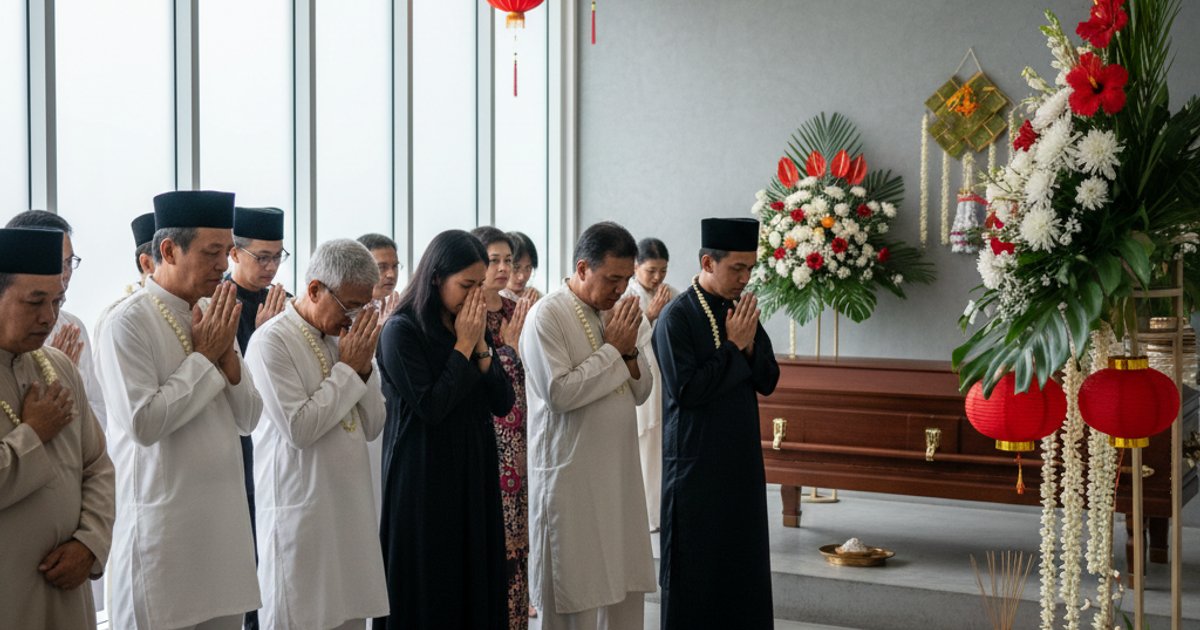
Indian funeral services in Singapore are incredibly diverse, primarily influenced by Hinduism, but also by Sikhism, Jainism, and Christianity, each with distinct practices aimed at spiritual liberation and honouring the soul’s journey. Hindu funerals, for instance, typically involve cremation, as it is believed to release the soul from the body and facilitate its rebirth. The eldest son often plays a central role in lighting the pyre, symbolizing the continuation of the family line and fulfilling filial duties.
Mourners wear white attire, symbolizing purity and sorrow, and avoid black. Offerings of flowers, rice balls (pind daan), and water are common. A significant ritual is the ‘Shraddha’ ceremony, performed periodically after death to provide sustenance to the ancestors. The mourning period can last from 10 to 13 days, during which families observe dietary restrictions and avoid social gatherings. A 2021 study on cultural practices in Singapore highlighted that Hindu cremation rates stand at approximately 90%, reflecting a strong adherence to this tradition.
- Wake Duration: Often one day, followed by cremation.
- Attire: White or light colours.
- Offerings: Flowers, rice balls, water.
- Rituals: Cremation, prayers, specific rites performed by family members.
- Mourning Period: 10-13 days for close family, with subsequent annual ceremonies.
Christian Funeral Traditions: Hope and Remembrance
Christian funeral services in Singapore, encompassing Catholic, Protestant, and various other denominations, focus on celebrating the life of the deceased and the promise of eternal life through faith. These services are often held in churches or funeral parlours, featuring hymns, prayers, eulogies, and scripture readings. The emphasis is on remembrance, comfort for the grieving, and the belief in resurrection.
Mourners typically wear black or dark, sombre clothing. Flowers are common offerings, symbolizing love and remembrance. Burial or cremation are both accepted, with preferences varying by denomination and individual choice. The wake period usually lasts between three to five days, allowing friends and family to offer condolences. While there isn’t a strict mourning period like in some other cultures, families often observe a period of personal reflection and remembrance, sometimes marked by memorial services. A 2020 survey by the Singapore Christian Council indicated that roughly 60% of Christian funerals opt for cremation, while 40% choose burial.
- Wake Duration: Typically 3-5 days.
- Attire: Black or dark, sombre clothing.
- Offerings: Flowers, condolence cards.
- Rituals: Church service, eulogies, prayers, hymns.
- Mourning Period: No fixed period; personal reflection and memorial services.
Why Do These Cultural Nuances Matter for Funeral Services Singapore?
These cultural nuances matter immensely for funeral services in Singapore because they ensure that the farewell process is respectful, meaningful, and aligned with the deceased’s and family’s deeply held beliefs, thereby facilitating healthy grieving. Ignoring these traditions can cause significant distress, a sense of disrespect, and a failure to properly honour the departed. For funeral service providers, understanding these intricacies is not just about logistics; it’s about providing compassionate, culturally competent care.
A funeral is a final act of love and respect, and its execution profoundly impacts the grieving process. When traditions are upheld, families find solace in continuity and the belief that their loved one is being cared for appropriately, both physically and spiritually. Conversely, missteps can exacerbate grief and leave lasting emotional scars. This is why companies like Nirvana Singapore, a prominent provider of funeral services in the region, emphasize cultural sensitivity and offer tailored packages that accommodate the specific needs of each community.
Bridging Tradition and Modernity
Singapore’s rapid modernization has introduced new considerations into traditional funeral practices. Space constraints, environmental concerns, and evolving family structures mean that some traditions are adapted while others are preserved with unwavering dedication. For example, while many Chinese families still prefer traditional burial, the increasing cost and scarcity of land have led to a rise in cremation rates across all communities, even those historically preferring burial. The National Environment Agency (NEA) reported in 2024 that cremation accounts for over 80% of all deceased dispositions in Singapore, up from 50% in the early 2000s, reflecting a significant shift.
The challenge for funeral service providers is to bridge this gap, offering solutions that respect deeply ingrained cultural values while also being practical and compliant with modern regulations. This often involves offering customizable options that allow families to select elements of traditional rites that are most meaningful to them, alongside contemporary conveniences.
The Role of Funeral Directors as Cultural Translators
Funeral directors in Singapore often act as essential cultural translators, guiding bereaved families through complex rituals and ensuring every detail aligns with their heritage. They must possess not only logistical expertise but also a deep understanding of the symbolic meanings behind each community’s practices. This includes knowing the appropriate attire, the correct sequence of prayers, the significance of various offerings, and the specific mourning protocols.
Their role extends beyond mere coordination; they provide emotional support and reassurance that the final farewell will be conducted with the utmost respect and cultural authenticity. This expertise is particularly critical in a multiracial society where families may have interfaith marriages or diverse cultural backgrounds, requiring a nuanced approach to funeral planning.
| Aspect | Chinese (Buddhist/Taoist) | Malay (Islamic) | Indian (Hindu) | Christian |
|---|---|---|---|---|
| Primary Disposition | Cremation (increasing), Burial | Burial (within 24 hours) | Cremation | Burial or Cremation |
| Wake Duration | 3, 5, or 7 days | Minimal (burial within 24h) | 1 day (prior to cremation) | 3-5 days |
| Mourning Attire | White, Black, Somber colours | Modest, White/Light colours | White, Light colours | Black, Dark colours |
| Key Rituals | Paper offerings, Chanting, Bowing | Ritual washing, Shrouding, Communal prayers | Cremation rites, Pind Daan (rice balls) | Church service, Eulogies, Hymns |
| Afterlife Belief | Reincarnation, Ancestral realm | Return to God, Day of Judgment | Reincarnation, Moksha (liberation) | Heaven, Resurrection |
| Post-Funeral Period | 49/100 days, Annual prayers | 3 days (family), 4 months 10 days (widows) | 10-13 days, Shraddha ceremonies | Memorial services, Personal reflection |
What Are the Common Misconceptions About Funeral Services in Singapore?
Common misconceptions about funeral services in Singapore often revolve around the idea of a ‘standard’ funeral, the cost implications, and the flexibility of traditions, when in reality, diversity, adaptability, and varying budget ranges are the norm. Many assume that all funerals follow a similar structure, overlooking the profound cultural and religious differences that dictate every aspect of the farewell. This can lead to misunderstandings and a lack of preparedness when faced with loss.
Another misconception is that traditional funerals are rigid and unchangeable. While core tenets remain, many families integrate modern elements or personalize aspects to reflect the deceased’s life. For example, a 2025 survey by the Consumer Association of Singapore (CASE) revealed that while 70% of respondents believed funeral costs were prohibitively high, actual average costs varied widely based on cultural choices and service inclusions, demonstrating that there isn’t a single ‘expensive’ standard.
Myth: All Funerals Are the Same
The idea that all funeral services in Singapore are fundamentally similar is a significant oversimplification. As explored, the practices vary dramatically across Chinese, Malay, Indian, and Christian communities, each with distinct rituals, timelines, and symbolic meanings. This diversity is not merely superficial; it reflects deeply held beliefs about life, death, and the afterlife.
For instance, the immediate burial in Islam contrasts sharply with multi-day wakes common in Chinese traditions. The use of cremation in Hinduism differs from the preference for burial in many Christian denominations. Understanding these fundamental differences is crucial for anyone engaging with funeral services in Singapore, whether as a family member, friend, or service provider.
Myth: Traditions Are Inflexible
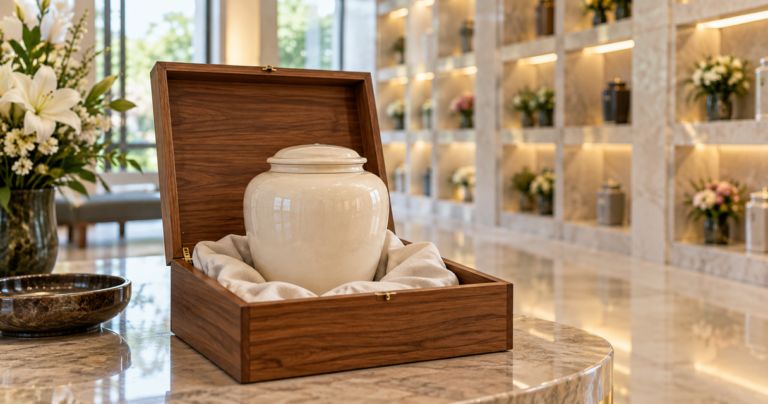
While traditions provide a strong framework, they are not entirely inflexible. Many families in Singapore find ways to adapt ancient customs to modern contexts, balancing reverence for heritage with practical considerations. This might involve shortening wake durations due to work commitments, choosing environmentally friendlier options like eco-friendly urns, or incorporating elements from different cultures in interfaith families.
The key is open communication with funeral directors who understand these nuances. They can guide families on which elements are essential for spiritual or cultural integrity and which can be adapted without compromising respect or meaning. This adaptability ensures that traditions remain relevant and comforting in a rapidly changing world.
Frequently Asked Questions
What is the average cost of funeral services in Singapore?
The average cost of funeral services in Singapore varies significantly based on cultural practices, duration of the wake, and chosen services, ranging from S$4,000 for a basic Malay funeral to S$15,000 or more for an elaborate Chinese funeral. Factors like the type of casket, embalming services, wake venue, and religious rites all influence the final price.
Can non-religious individuals have a funeral service in Singapore?
Yes, non-religious individuals can certainly have a funeral service in Singapore. These typically involve a secular memorial service focused on celebrating the deceased’s life, often held in a funeral parlour or private venue, with arrangements tailored to the family’s wishes. Cremation is a common choice for secular funerals.
Are there eco-friendly funeral options available in Singapore?
Yes, eco-friendly funeral options are increasingly available in Singapore, including biodegradable urns, natural burials (though land is limited), and green cremation services that minimize environmental impact. These options cater to growing concerns about sustainability and offer alternatives to traditional practices.
How long is a typical mourning period in Singapore?
The typical mourning period in Singapore varies widely by culture and religion. For Malay Muslims, it’s generally three days, while Chinese families might observe 49 or 100 days. Hindu families often have a 10-13 day period, and Christian mourning is more personal, without a fixed duration.
What is the significance of different colours worn at funerals?
Different colours worn at funerals hold significant cultural meaning. White is often associated with purity and mourning in Indian and some Chinese traditions, while black signifies solemnity and grief in Western and Christian customs. Bright colours are generally avoided as they are seen as disrespectful in most cultures.
Can I pre-plan my funeral services in Singapore?
Yes, pre-planning funeral services in Singapore is highly recommended and increasingly common. It allows individuals to make their own choices regarding disposition, religious rites, and other preferences, easing the burden on their families during a difficult time. Many funeral service providers, including Nirvana Singapore, offer pre-planning packages.
What should I do if I attend a funeral of a different culture?
If you attend a funeral of a different culture, the best approach is to observe respectfully, dress modestly in sombre colours, and follow the lead of the family or funeral director. It’s always appropriate to offer condolences and show support, even if you don’t understand every ritual. When in doubt, ask a close family member or friend for guidance.
The Enduring Significance of Cultural Rites in Funeral Services Singapore
The intricate tapestry of cultural and religious practices surrounding funeral services in Singapore is far more than a collection of ancient customs; it is the very language through which communities process loss, honour their ancestors, and articulate their deepest spiritual beliefs. From the solemn prayers of a Malay burial to the vibrant paper offerings of a Chinese wake, each ritual serves a profound purpose, guiding both the departed and the bereaved through a journey of transition and remembrance.
These nuances are not static; they evolve, adapt, and persist, reflecting Singapore’s dynamic identity while holding fast to the core values that define its diverse peoples. Understanding them offers not just knowledge, but empathy—a deeper connection to the shared human experience of grief and the universal desire to say a meaningful farewell. For those navigating loss, or simply seeking to comprehend the rich cultural landscape of this nation, recognizing the ‘why’ behind these traditions transforms a moment of sorrow into a powerful testament to heritage and enduring love.
Last updated: June 9, 2026