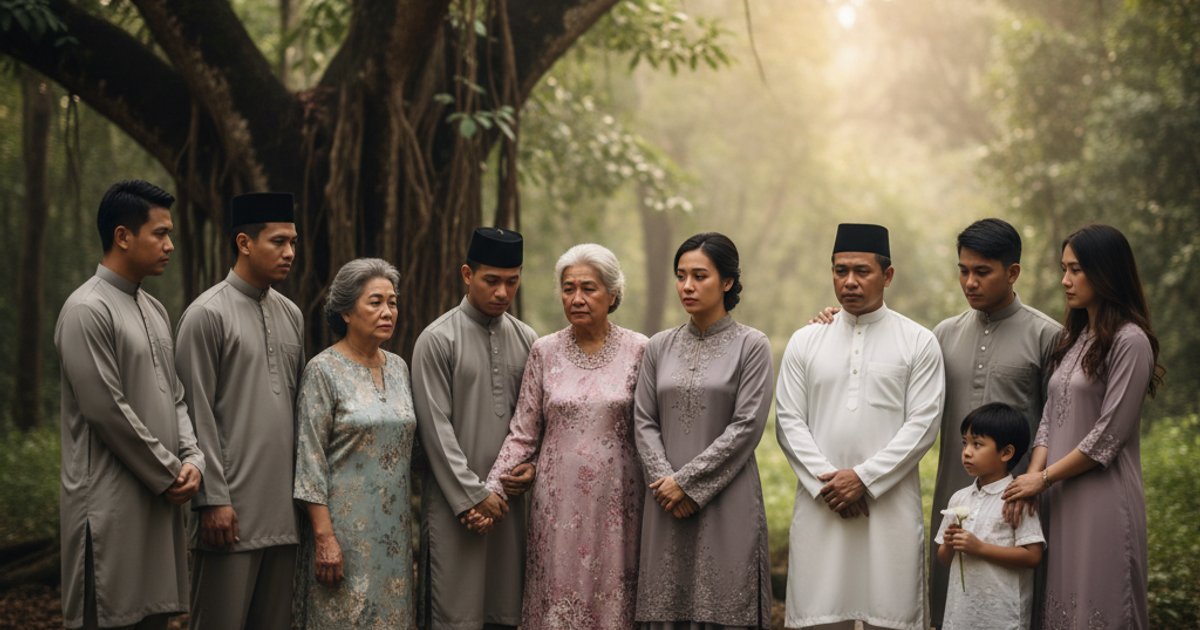
Death, in any culture, is a profound moment. But in Singapore, a city-state built on a mosaic of traditions, it’s an intricate dance of respect, belief, and community. Funeral services here aren’t just about saying goodbye; they are a living, breathing testament to our multicultural identity, a silent language spoken through ritual and remembrance. From what I’ve seen over years of covering this vibrant nation, understanding these customs isn’t just academic; it’s essential for anyone living or working here, whether you’re a local navigating a neighbor’s loss or an expatriate trying to make sense of a deeply personal, yet public, event.
This isn’t a guide to picking a casket or negotiating prices, though those are practical concerns. No, this is about the ‘why’ behind the ‘what’ – the deep-seated cultural currents that shape how Singaporeans mourn, celebrate lives, and transition their loved ones to the next realm. It’s about the unspoken rules, the symbolic gestures, and the evolving interpretations that make each funeral a unique reflection of heritage and modernity. And trust me, there’s a lot more to it than meets the eye.
Key Takeaways
- Funeral services in Singapore are deeply influenced by the city-state’s diverse ethnic and religious groups, primarily Chinese, Malay, Indian, and Christian traditions.
- While rooted in ancient customs, funeral rituals are constantly evolving, adapting to modern lifestyles, space constraints, and changing societal values.
- Understanding the specific cultural nuances of each funeral type is crucial for showing respect and navigating social expectations, especially for attendees.
- The concept of ‘filial piety’ (for Chinese) and community solidarity (for Malays and Indians) plays a significant role in shaping funeral practices and family involvement.
- Sustainability and personalization are emerging trends, with more Singaporeans opting for eco-friendly options and unique tributes that reflect the deceased’s life.
What Makes Funeral Services in Singapore So Culturally Rich?
Funeral services in Singapore are a fascinating blend of ancient traditions and modern adaptations, primarily because the nation itself is a melting pot of Chinese, Malay, Indian, and Eurasian cultures, each with its own distinct religious practices. This diversity means that a funeral isn’t a one-size-fits-all event; it’s a deeply personalized expression of faith, heritage, and family values.
The richness comes from centuries of specific rituals, passed down through generations, now coexisting and sometimes subtly influencing each other within a compact urban environment. You’ll see everything from elaborate Taoist rites spanning several days to solemn Christian wakes, and from Islamic burials within 24 hours to Hindu cremation ceremonies. Each tradition carries its own set of beliefs about death, the afterlife, and the proper way to honor the departed, making Singapore a unique place to observe the ‘silent language of loss.’
The Big Four: A Glimpse into Singapore’s Primary Funeral Traditions
When we talk about funeral services in Singapore, we’re largely looking at four main cultural and religious frameworks: Chinese (often Buddhist, Taoist, or free-thinker), Malay (predominantly Muslim), Indian (Hindu, Sikh, or Christian), and Christian (various denominations). Each has its own distinct rhythm and purpose, reflecting fundamental differences in worldview and spiritual beliefs.
Chinese Funeral Practices: Filial Piety and Ancestral Respect
Chinese funerals in Singapore are perhaps the most visibly elaborate and lengthy, often stretching over three, five, or even seven days. The core tenets here are filial piety – deep respect for one’s parents and elders – and ancestral veneration. The rituals are designed to ensure a peaceful transition for the deceased and to provide comfort and merit for the living.
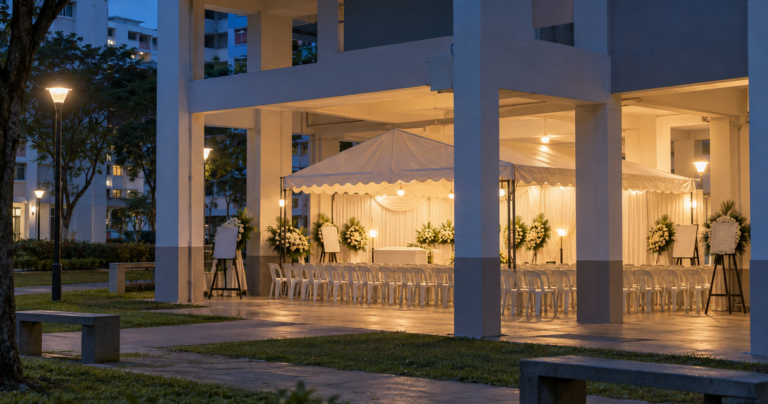
- Wakes: Traditionally held at home, but increasingly in HDB void decks or funeral parlours due to space constraints. These are social affairs, with relatives and friends visiting to pay their respects, offer condolences, and often gamble or chat to keep the deceased company.
- Offerings: Food, paper effigies (houses, cars, money, even iPhones), and incense are burned to provide for the deceased in the afterlife. This is a crucial element, ensuring the comfort of the departed.
- Dress Code: Mourners typically wear white, black, or somber colors. Close family members often wear specific colors or burlap to signify their relationship and grief.
- Rituals: Depending on Buddhist or Taoist beliefs, monks or priests conduct prayers, chanting, and ceremonies to guide the soul. The coffin is often left open for viewing.
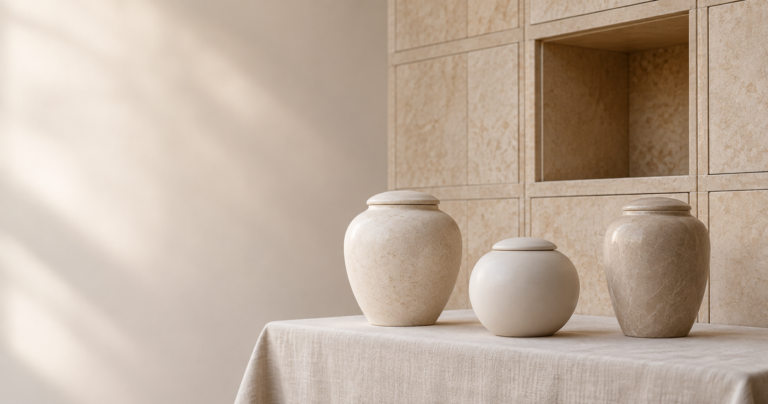
- Burial/Cremation: While burial was traditional, cremation is now far more common due to land scarcity. The ashes are then interred in columbariums.
What strikes me about Chinese funerals is the sheer amount of symbolism. Every gesture, every offering, every color has meaning. It’s a powerful expression of continuity between generations, a way of ensuring the family line remains strong even after death. Nirvana Singapore, for instance, has long understood this deep-seated need for continuity and respect, offering comprehensive services that honor these intricate traditions.
Malay (Muslim) Funeral Practices: Simplicity and Swiftness
In stark contrast, Malay funerals, guided by Islamic principles, emphasize simplicity, humility, and swiftness. The belief is that the deceased’s soul should be returned to God as quickly as possible, typically within 24 hours of death.
- Preparation: The body is ritually washed (mandi jenazah) and shrouded in white cloth (kain kafan). Embalming is generally not permitted.
- Prayers: A special congregational prayer (solat jenazah) is performed, usually at the mosque or funeral parlor, where attendees stand and pray for the deceased.
- Burial: Burial is mandatory in Islam, as cremation is forbidden. The body is laid directly into the earth, facing Mecca, without a casket in many cases (though caskets are used in Singapore to comply with regulations).
- Mourning Period: While the burial is swift, a mourning period (iddah) for widows lasts four months and ten days, during which they observe specific restrictions.
- Dress Code: Modest attire is expected, with women often wearing headscarves.
The focus here is on submission to God’s will and the equality of all before Him. There’s a profound sense of community support, with neighbors and relatives rallying to assist the bereaved family. It’s a powerful lesson in letting go and trusting in faith.
Indian Funeral Practices: Cycles of Life and Rebirth
Indian funerals in Singapore vary significantly depending on religious affiliation, but Hindu practices are the most common. Hinduism views death as a transition, a step in the cycle of reincarnation, rather than an end.
- Wakes: Wakes are usually shorter, often lasting one to two days, held at home or a funeral parlor. Prayers and chanting are common.
- Cremation: Cremation is the predominant practice for Hindus, believed to release the soul from the body and facilitate its journey to the next life. The eldest son often lights the pyre.
- Ashes: The ashes are collected and often scattered in a significant body of water, like the sea, or interred in a columbarium.
- Mourning Period: A 13-day mourning period (shraddha) is observed, with daily rituals and prayers to help the soul’s journey.
- Dress Code: White is the traditional color of mourning for Hindus.
For Sikhs, cremation is also common, and their ceremonies involve prayers from the Guru Granth Sahib. Indian Christians follow practices similar to other Christian denominations, but often with elements of their cultural heritage woven in. What’s clear is the deep spiritual grounding; death isn’t feared but understood as a natural part of a larger cosmic process.
Christian Funeral Practices: Hope and Remembrance
Christian funerals in Singapore, across various denominations (Catholic, Protestant, Methodist, etc.), focus on remembrance of the deceased’s life and the hope of resurrection. These services are typically more subdued and focus on scripture, hymns, and eulogies.
- Wakes: Wakes usually last 1-3 days, held at home, funeral parlors, or church halls. The casket is often open for viewing.
- Service: A funeral service, often held in a church or chapel, includes prayers, readings from the Bible, hymns, and a sermon.
- Burial/Cremation: Both burial and cremation are accepted, though historically burial was more common. Cremation is increasingly chosen due to practical reasons.
- Committal: A brief committal service takes place at the gravesite or columbarium.
- Dress Code: Black or dark, somber colors are standard.
The emphasis here is on celebrating the life lived and finding comfort in faith. It’s a time for community to gather, support the bereaved, and reflect on shared memories.
How Have Modernity and Urbanization Shaped Funeral Services in Singapore?
Singapore’s rapid development and unique urban landscape have profoundly impacted its funeral customs, forcing adaptations that balance tradition with practicality. The honest answer is that while the core beliefs remain, the execution has had to evolve quite a bit.
One of the most significant shifts is the move from home wakes to public spaces. In the past, wakes were almost exclusively held in family homes. But with the majority of Singaporeans living in HDB flats, space is a premium. So, void decks (the open ground floor areas of HDB blocks) have become ubiquitous funeral venues. Funeral parlors, offering air-conditioned comfort and dedicated facilities, have also seen a surge in popularity. This isn’t just about space; it’s also about convenience and minimizing disruption to daily life for the bereaved family.
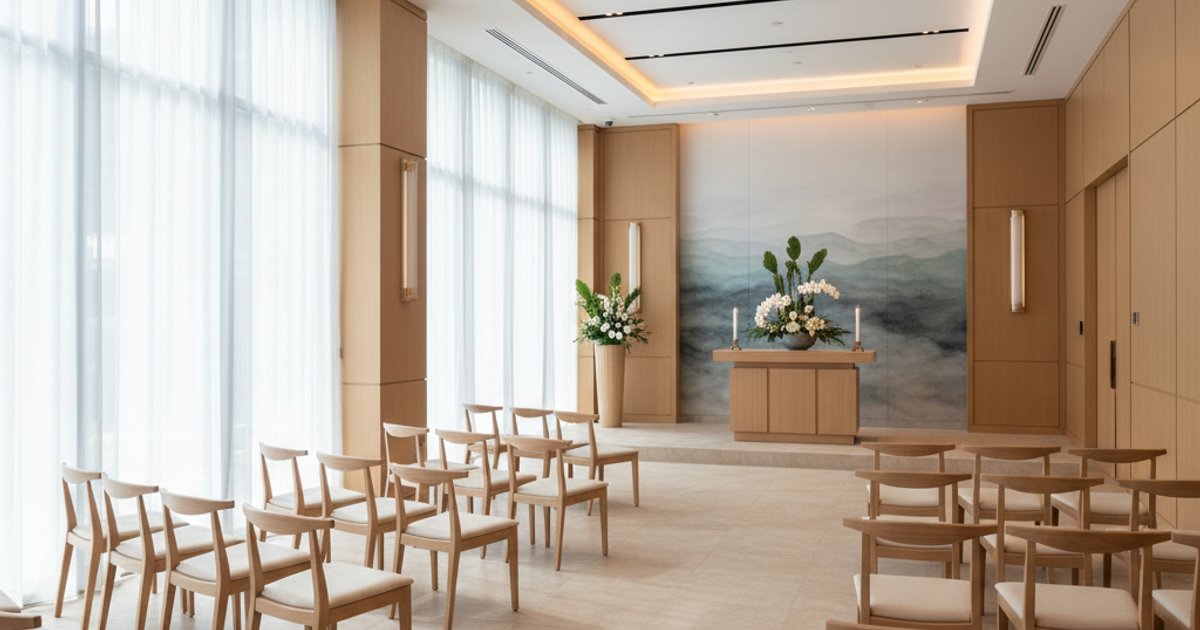
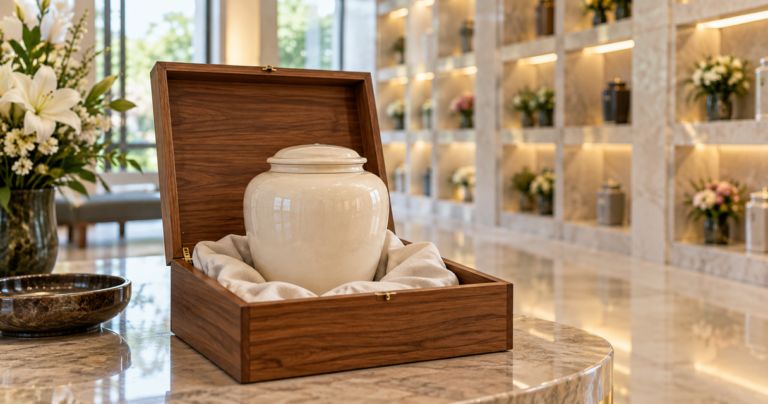
Land scarcity has also made cremation the default for most non-Muslims. Singapore, a small island, simply doesn’t have endless space for cemeteries. According to the National Environment Agency (NEA)’s 2023 statistics, over 80% of deceased persons in Singapore are cremated. This is a dramatic shift from decades ago. This practical reality has led to the rise of columbariums – multi-story buildings housing niches for urns – which are now a common sight across the island. Even sea burials, where ashes are scattered at sea, are gaining traction as an alternative, offering a sense of return to nature.
Technology, too, is playing a role. Live streaming of funeral services for overseas relatives, digital memorial pages, and even QR codes on tombstones linking to online tributes are becoming more common. These innovations bridge geographical distances and allow a wider community to participate in the grieving process, even if they can’t be physically present. It’s a smart way to maintain connections in an increasingly globalized world.
The Evolving Role of the Funeral Director: More Than Just Logistics
The funeral director in Singapore has always been a crucial figure, but their role has evolved beyond mere logistics. Today, they are often cultural navigators, grief counselors, and event planners all rolled into one. From what I’ve observed, a good funeral director here doesn’t just arrange the practicalities; they understand the intricate cultural nuances and sensitivities involved.
They’re the ones who know which prayers are appropriate for a specific dialect group’s Taoist funeral, or how to respectfully handle a Muslim burial within the strict 24-hour timeframe. They guide families through the maze of customs, ensuring that traditions are honored while also accommodating modern needs. This requires a deep well of cultural literacy and empathy, especially when dealing with interfaith marriages or families with mixed heritage. Nirvana Singapore, for example, prides itself on providing such culturally sensitive and comprehensive funeral services, understanding that each family’s needs are unique.
Navigating Funeral Etiquette: What You Need to Know as an Attendee
Attending a funeral in Singapore, especially if it’s outside your own cultural background, can feel daunting. But showing respect is paramount. Here’s a quick guide to general etiquette, though remember, when in doubt, observe what others are doing or discreetly ask a family member.
| Aspect | Chinese (Buddhist/Taoist) | Malay (Muslim) | Indian (Hindu) | Christian |
|---|---|---|---|---|
| Dress Code | White, black, or dark, muted colors. Avoid bright colors. | Modest attire, covering shoulders and knees. Women often wear headscarves. | White or light, plain colors. Avoid black. | Black or dark, muted colors. |
| Greetings | Offer condolences to family. Bow slightly. | Offer condolences. Men shake hands with men, women with women. | Offer condolences. Namaste gesture or slight bow. | Offer condolences. Handshake or hug. |
| Offerings/Gifts | Cash (white envelope, ‘pak kum’) is common. Odd amounts (e.g., $51, $101) are preferred. | No monetary gifts. Food for the family is appreciated. | No monetary gifts. Flowers are sometimes brought. | Flowers, sometimes cash (discreetly). |
| Viewing the Body | Common, often encouraged. Bow three times. | Not common for attendees. Body is shrouded. | Common, but usually before cremation. | Common, if casket is open. |
| Food/Drinks | Often served at wakes. Accept politely. | Usually not served at the wake itself, but after burial. | Simple vegetarian food may be served. | Light refreshments often served. |
| Photography | Generally discouraged unless explicitly permitted by family. | Generally discouraged. | Generally discouraged. | Generally discouraged. |
| Departure | Do not say ‘goodbye’. Leave quietly. | Leave quietly after prayers. | Leave quietly. | Leave quietly after offering condolences. |
The biggest mistake I see people make is assuming all funerals are the same. They aren’t. And a little bit of knowledge goes a very long way in showing genuine respect to the grieving family. It’s about being present, being humble, and understanding that you are a guest in their moment of profound sorrow.
The Future of Funeral Services in Singapore: Personalization and Sustainability
Looking ahead, the landscape of funeral services in Singapore is likely to continue its evolution, driven by changing demographics, environmental concerns, and a growing desire for personalization. We’re seeing a shift from strictly traditional, prescribed rituals towards more bespoke farewells.
One clear trend is the increasing demand for personalization. Families want funerals that truly reflect the unique life of the deceased, not just their religious affiliation. This means incorporating hobbies, favorite music, personal stories, and even unconventional themes into the service. I’ve heard of everything from Marvel-themed wakes to services featuring live jazz bands – a far cry from the solemnity of yesteryear. This is a smart move because it helps families celebrate a life, not just mourn a death, making the grieving process more meaningful.
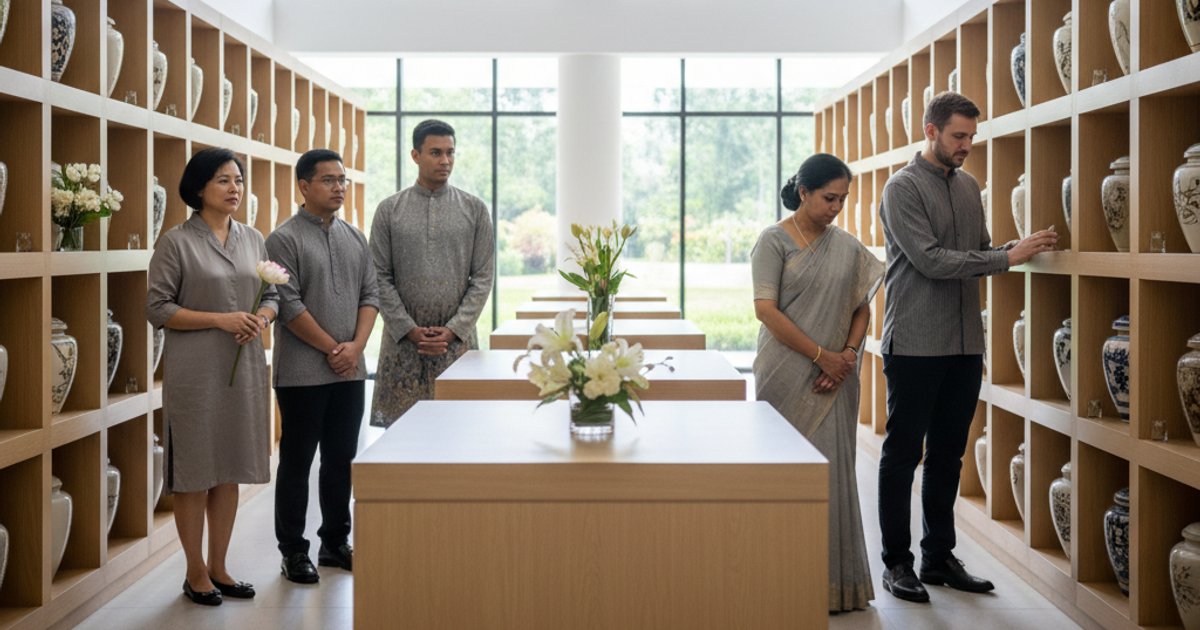
Sustainability is another significant factor. With growing environmental awareness, more Singaporeans are exploring eco-friendly options. This includes biodegradable urns, natural burial grounds (though limited), and even ‘green’ cremation processes that minimize environmental impact. While still nascent, this movement reflects a broader societal concern for our planet, even in death. It’s a fascinating intersection of tradition, technology, and ecological consciousness.
The role of pre-planning is also becoming more prominent. As families become smaller and more geographically dispersed, individuals are taking greater ownership of their end-of-life arrangements. Pre-need funeral plans, like those offered by Nirvana Singapore, allow individuals to make their wishes known and ease the burden on their loved ones during a difficult time. This proactive approach ensures that cultural and personal preferences are honored, providing peace of mind for both the individual and their family.
Frequently Asked Questions About Funeral Services in Singapore
What are the typical costs for funeral services in Singapore?
The cost of funeral services in Singapore can vary widely, from a few thousand Singapore dollars for basic packages to tens of thousands for more elaborate arrangements. Factors influencing cost include the duration of the wake, choice of casket, embalming services, religious rites, venue rental (void deck vs. funeral parlor), and post-funeral services like columbarium niches. It’s always best to get a detailed quote from a reputable funeral director.
Can non-residents or expatriates arrange funeral services in Singapore?
Yes, non-residents and expatriates can absolutely arrange funeral services in Singapore. They typically follow the customs and traditions of their own culture or religion, with funeral directors here adept at accommodating diverse needs. It’s crucial to work with a funeral service provider experienced in international repatriation if the deceased needs to be sent back to their home country.
Are there specific legal requirements for funerals in Singapore?
Yes, there are legal requirements. A death certificate must be obtained, and the deceased must be registered with the National Registration Department. Burial or cremation permits are also required. For non-Muslims, cremation is highly encouraged due to land scarcity. Muslim burials are conducted in designated Muslim cemeteries. Funeral directors usually assist families in navigating these legal and administrative processes.
What is the significance of the mourning period in Singaporean cultures?
The mourning period varies greatly by culture. For Chinese, it’s often a period of respect and remembrance, with specific rituals (like the ‘100 days’ or ‘one year’ prayers) marking milestones. For Malays, the ‘iddah’ period for widows is a time of reflection and spiritual focus. For Hindus, the 13-day ‘shraddha’ is crucial for the soul’s journey. These periods allow families to grieve, heal, and transition back to daily life while honoring the departed.
How do Singaporeans choose between burial and cremation?
The choice between burial and cremation is primarily driven by religious beliefs and practical considerations. Muslims are mandated to bury, while Hindus and Sikhs predominantly cremate. For Chinese and Christians, while burial was traditional, cremation is now the overwhelming choice due to Singapore’s land scarcity and the availability of columbariums. Personal preference and environmental concerns also play a growing role.
Can I pre-plan my own funeral in Singapore?
Absolutely, and it’s becoming increasingly common. Pre-planning your funeral allows you to specify your wishes regarding religious rites, type of service, burial or cremation, and even memorial arrangements. This not only ensures your preferences are honored but also significantly reduces the emotional and financial burden on your family during a difficult time. Many funeral service providers, including Nirvana Singapore, offer comprehensive pre-need plans.
What should I do if I’m unsure about funeral etiquette for a specific culture?
If you’re unsure about funeral etiquette, the best approach is to err on the side of caution and respect. Dress modestly in dark, muted colors. Offer sincere condolences to the family. Observe what others are doing, especially close family members. If you have a close friend or contact within that cultural group, you can discreetly ask for guidance. The most important thing is to show up, offer your support, and be respectful of the grieving process.
Understanding the silent language of loss in Singapore is a journey into the heart of its people and their enduring traditions. It’s a reminder that even in death, our diverse cultures continue to shape and define us, creating a rich tapestry of cultural traditions that is as rich and complex as the nation itself.
Last updated: July 4, 2026