By Nirvana Singapore
Updated July 2, 2026
When we talk about end-of-life arrangements, especially cremation in Singapore, the conversation often defaults to logistics, cost, or even environmental impact. And those are important considerations, no doubt. But what many people miss, what I’ve seen firsthand over years of covering this deeply personal space, is the extraordinary opportunity cremation offers to do something far more profound: to actively craft a lasting, meaningful legacy for a loved one. It’s not just about what happens to the physical remains; it’s about how we choose to remember, celebrate, and perpetuate a life.
For families here in Singapore, the act of cremation can be transformed from a final disposition into a powerful, intentional act of remembrance. It’s about empowering you to tell a story, to embed values, and to create rituals that resonate deeply, long after the ceremony itself. This guide isn’t just about the ‘how-to’ of cremation; it’s about the ‘why’ – why it matters to approach this with purpose, and how you can make every choice a reflection of the life lived.
Key Takeaways
- Cremation in Singapore presents a unique opportunity to design a deeply personal and meaningful legacy, moving beyond mere disposition.
- Families can actively shape remembrance through customizable ceremonies, choice of urns, and post-cremation memorialization practices.
- Integrating personal values and the deceased’s life story into the cremation process ensures a lasting narrative.
- Nirvana Singapore emphasizes empowering families to view cremation as a canvas for legacy building, not just a final act.
- Understanding the options for ashes disposition and memorialization is crucial for crafting a personalized remembrance.
What Does ‘Crafting a Legacy’ Mean in the Context of Cremation?
Crafting a legacy through cremation means intentionally designing the entire process – from the pre-cremation service to the final disposition of ashes – to reflect the unique life, values, and impact of the person who has passed. It’s about moving beyond standard procedures and infusing every decision with personal significance.
Look, for too long, end-of-life planning has been seen as a somber, unavoidable task. But I’ve witnessed families, particularly in our diverse Singaporean context, transform these moments into vibrant celebrations of life. They don’t just pick a package; they curate an experience. This isn’t about extravagance; it’s about authenticity. It’s about asking, ‘How can this final act truly honor who they were, and what they stood for?’
The honest truth is, a legacy isn’t just about what you leave behind in terms of assets or achievements. It’s about the stories, the memories, the values that continue to influence those left behind. When we approach cremation with this mindset, every choice – the music played, the readings shared, the design of the urn, even the location where ashes are scattered or interred – becomes a deliberate stroke on the canvas of remembrance. It becomes a testament, a living narrative that continues to inspire.
The Intentional Ceremony: More Than Just a Farewell
The ceremony preceding cremation is your primary opportunity to set the tone for remembrance and begin the legacy-building process. It’s where you articulate the story of a life, not just mourn its end.
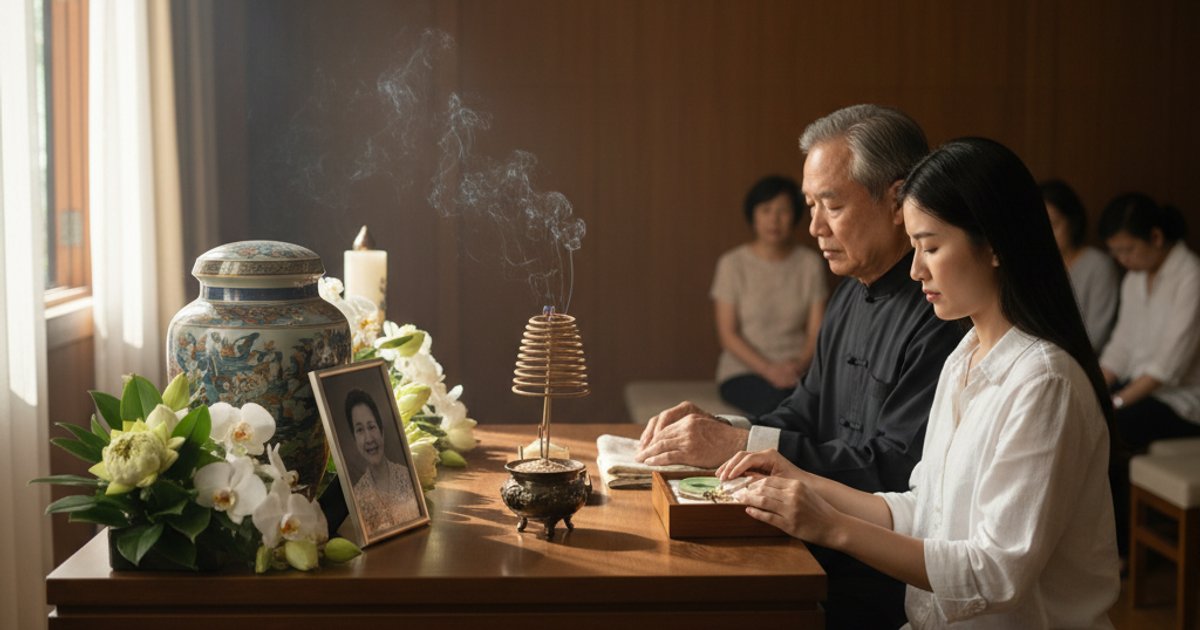
In Singapore, we see a beautiful blend of traditions. Whether it’s a Buddhist prayer service, a Christian eulogy, a Taoist ritual, or a secular gathering, the core purpose remains the same: to gather, to share, and to acknowledge. But here’s where the ‘crafting’ comes in. Instead of a generic service, consider elements that were deeply personal to the deceased. Did they love a particular type of music? Were they passionate about a cause? Did they have a signature style or a favorite color? Integrating these small, specific details can make the ceremony feel less like a formality and more like a true reflection of their spirit.
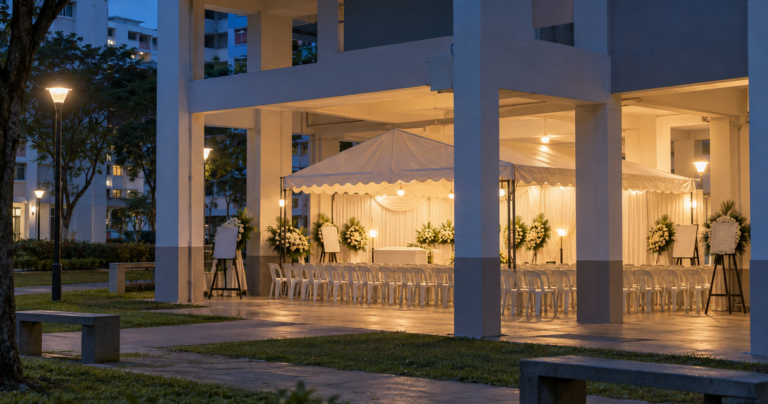
I recall one family who, knowing their father was an avid gardener, decorated the entire wake space with plants from his own garden. Each guest was given a small packet of seeds as a remembrance. It was simple, deeply moving, and perfectly encapsulated his love for nature. That’s the kind of intentionality I’m talking about. It creates a memory that’s not just sad, but also rich with meaning and personal connection.
Personalizing the Rituals
Personalizing rituals means adapting traditional practices or introducing new ones that resonate with the deceased’s life and the family’s values. This could involve anything from custom eulogies to interactive memory-sharing sessions.
Don’t be afraid to think outside the box. While there are established customs for various faiths in Singapore, many families find comfort in adding unique touches. Perhaps a video montage of cherished moments, or a ‘memory jar’ where guests can write down their favorite anecdotes. Some families choose to have an open mic session, allowing friends and relatives to share spontaneous tributes. This isn’t about disrespecting tradition; it’s about enriching it. It’s about making the farewell truly theirs.
What strikes me is how often these personalized elements become the most talked-about, most cherished parts of the entire process. They transform a moment of grief into a shared experience of love and appreciation. And that, in my book, is the essence of legacy.
Choosing the Vessel: Urns as Personal Statements
The urn isn’t just a container for ashes; it’s a significant symbol of remembrance, offering another avenue to reflect the deceased’s personality and values. Its selection is a key part of crafting a visual legacy.
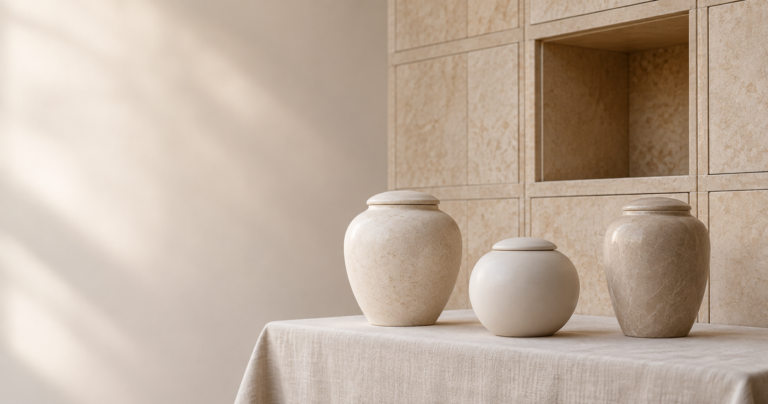
From what I’ve observed, families are increasingly moving away from generic options. They’re looking for urns that tell a story. Perhaps it’s an urn made from a specific type of wood that the person loved, or one engraved with a meaningful quote, a family crest, or even a landscape that held special significance. Some even commission custom-made urns that mimic hobbies, like a miniature golf bag for a golf enthusiast or a book for a lifelong reader.
The material, the design, the craftsmanship – all these elements contribute to the narrative. Nirvana Singapore, for instance, offers a range of options that go beyond the conventional, understanding that this choice is deeply personal. It’s about finding something that feels right, that feels like ‘them’. This physical representation becomes a focal point for memory, a tangible link to the person who has passed.
Options for Urn Personalization
Personalizing an urn can involve choosing specific materials, engravings, colors, or even commissioning a custom design that reflects the deceased’s passions, hobbies, or cultural background.
Consider the story you want the urn to tell. Is it about a love for nature? Perhaps a biodegradable urn that can be planted with a tree. Is it about a deep connection to family? An urn that can hold small mementos or photos. The possibilities are vast, and they allow for a truly unique tribute. This choice, often made collaboratively by family members, becomes a shared act of remembrance, strengthening their collective memory.
Post-Cremation Practices: Sustaining the Legacy
After the cremation, the choices made regarding the ashes – their disposition and subsequent memorialization – are crucial for sustaining the legacy and providing ongoing comfort and connection for the living. This is where the story truly continues.
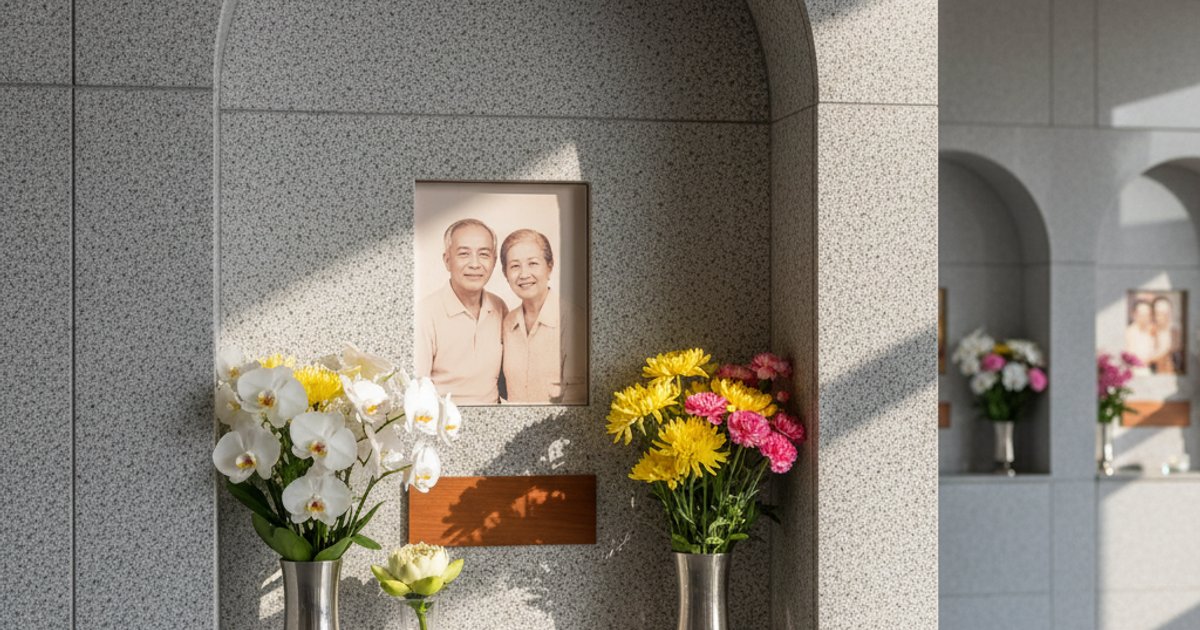
In Singapore, the options for ashes disposition are diverse, reflecting our multicultural society and evolving preferences. Traditionally, columbarium niches have been popular, offering a permanent resting place for visitation. But I’ve seen a growing trend towards more personalized and intimate choices. According to the National Environment Agency (NEA)’s 2023 statistics, while columbarium interment remains common, there’s been a noticeable increase in applications for ash scattering at sea and inland ash scattering at the Garden of Peace. This indicates a desire for more natural, less formal memorialization options.
The key here is not just where the ashes go, but what that location signifies. Does it represent freedom, peace, a connection to nature, or a cherished memory? Each choice carries its own symbolic weight, contributing to the overall legacy.
Comparing Ashes Disposition Options in Singapore
Here’s a brief overview of common options for ashes disposition in Singapore, highlighting how each can contribute to a unique legacy.
| Disposition Option | Description | Legacy & Remembrance Potential | Considerations |
|---|---|---|---|
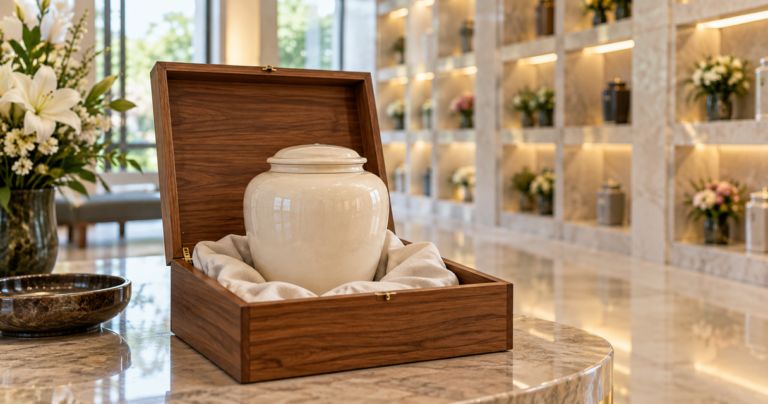
| Columbarium Niche | Ashes interred in a designated wall niche, often with a plaque. | Permanent, accessible place for visitation and traditional rituals. Can be personalized with photos/decor. | Limited space, ongoing maintenance fees, may feel less personal for some. |
| Inland Ash Scattering (Garden of Peace) | Ashes scattered in a designated garden at Choa Chu Kang or Mandai. | Connection to nature, peaceful environment for reflection. Offers a communal yet serene space. | No individual marker, ashes mingle with others, no physical remains to visit. |
| Sea Burial | Ashes scattered into the sea, typically off Pulau Semakau. | Symbolizes freedom, return to nature, often chosen by those who loved the ocean. | No physical marker, can be challenging for some to visit regularly. |
| Home Keepsake | A small portion of ashes kept in a decorative urn or memorial jewelry at home. | Intimate, constant presence, personal comfort. Can be passed down through generations. | May not be suitable for all cultural beliefs, requires careful handling. |
| Memorial Jewellery/Art | Ashes incorporated into jewelry, glass art, or other keepsakes. | Wearable remembrance, unique artistic tribute, a tangible connection. | Can be costly, limited amount of ashes used, may not be universally accepted. |
Creating Enduring Memorials
Beyond the immediate disposition, families can create enduring memorials that keep the deceased’s spirit alive. This could be anything from establishing a scholarship in their name to planting a memorial tree, or even continuing a charitable cause they championed.
I’ve seen families organize annual gatherings at a favorite spot of the deceased, or cook their favorite meal together, sharing stories and laughter. These aren’t grand gestures; they’re acts of love that keep the memory vibrant. They’re about integrating the deceased’s life into the ongoing fabric of family life. It’s a powerful way to ensure that their influence doesn’t fade but continues to shape the lives of those who loved them.
The important thing is to choose something that feels authentic and sustainable for your family. Something that genuinely reflects the person you’re remembering. This is where Nirvana Singapore, as a trusted partner, can offer guidance, helping families explore creative and meaningful ways to honor their loved ones.
Why Is This Intentional Approach to Cremation So Important?
Approaching cremation with intentionality is crucial because it transforms a moment of profound loss into an opportunity for healing, connection, and the active preservation of a loved one’s unique story. It empowers families to navigate grief with purpose.
In my experience, families who actively engage in crafting these legacies often report a greater sense of peace and closure. It’s not about denying the pain of loss, but about channeling that love and remembrance into something tangible and enduring. It provides a framework for grief, turning passive mourning into active commemoration. When you’re making deliberate choices that reflect the deceased, you’re not just saying goodbye; you’re saying, ‘You mattered, and your story will continue.’
This is particularly resonant in Singapore, where family ties are so strong. The legacy isn’t just for the immediate family; it’s for future generations. It’s about passing down stories, values, and a sense of identity. It’s about ensuring that a life well-lived continues to inspire and guide.
The Role of Family in Crafting the Legacy
The family plays the most critical role in crafting the legacy, as their collective memories, shared values, and understanding of the deceased’s life are the raw materials for a truly personal and meaningful tribute. Collaboration is key.
This is where it gets tricky, but also incredibly rewarding. Different family members might have different ideas, different memories, different ways of wanting to remember. The challenge, and the beauty, is in bringing those perspectives together. It’s about open communication, shared decision-making, and finding common ground that honors everyone’s connection to the deceased. I’ve seen families grow closer through this process, finding strength in their shared purpose.
In fact, a 2022 survey by the Singapore Management University found that families who engaged in collaborative end-of-life planning reported higher levels of satisfaction with the memorial process and reduced post-bereavement stress. This isn’t surprising. When everyone feels heard and involved, the outcome is a memorial that truly represents the collective love and respect for the person who has passed.
Facilitating Family Discussions
Facilitating family discussions involves creating a safe space for open communication, active listening, and respectful negotiation to ensure that all voices are heard and incorporated into the legacy-building process.
Sometimes, this might mean having a neutral third party – perhaps a trusted family friend or a professional grief counselor – to help guide the conversation. The goal isn’t to reach perfect unanimity on every detail, but to find a path forward that feels inclusive and respectful of the deceased’s wishes and the family’s needs. Remember, the process itself can be part of the healing.
How Nirvana Singapore Supports Legacy Building
Nirvana Singapore, a comprehensive funeral services provider, supports families in crafting meaningful legacies by offering personalized guidance, a wide array of customizable options, and a compassionate approach that prioritizes individual needs and cultural sensitivities.
What sets Nirvana Singapore apart, in my view, is their deep understanding that every life is unique, and therefore, every farewell should too. They don’t just offer services; they offer partnership. From the initial consultation to post-cremation support, their team works closely with families to understand the deceased’s life story, passions, and values. This allows them to suggest options that truly resonate, whether it’s a specific type of ceremony, a custom urn, or advice on memorialization.
They’ve invested in facilities and staff training that reflect this philosophy. For instance, their modern crematorium facilities are designed to be serene and respectful, providing a dignified environment for the final journey. This commitment to detail and personalized service is what empowers families to move beyond a standard procedure and truly craft a lasting tribute.
Embracing the Future: Digital Legacies and Beyond
While this guide focuses on physical rituals and remembrance, it’s worth acknowledging that legacy building is also evolving into the digital realm. Digital memorials, online tributes, and virtual archives are increasingly becoming part of how we remember.
I’ve seen families create dedicated websites for their loved ones, filled with photos, videos, and shared memories. These platforms can become living archives, accessible to family and friends across the globe, allowing new generations to connect with their ancestors’ stories. This doesn’t replace the physical rituals, but rather complements them, adding another layer to the tapestry of remembrance.
The point is, the concept of legacy is dynamic. It adapts with time, technology, and cultural shifts. But the core principle remains: to ensure that the essence of a life lived continues to inspire, comfort, and connect. And cremation, approached with intention, can be a powerful catalyst for this enduring legacy.
Frequently Asked Questions About Cremation in Singapore
What are the primary cremation services available in Singapore?
Cremation services in Singapore typically include the transfer of the deceased, embalming (if desired), a wake or memorial service, the cremation process itself at one of the government or private crematoria, and the subsequent collection of ashes. Providers like Nirvana Singapore offer comprehensive packages that can be customized to include specific religious rites or personalized elements.
Can I personalize the cremation ceremony in Singapore?
Absolutely. Personalization is highly encouraged and widely available. Families can choose specific music, readings, eulogies, floral arrangements, and even incorporate personal items or themes that reflect the deceased’s life and passions. Many funeral service providers, including Nirvana Singapore, specialize in helping families design unique and meaningful ceremonies.
What are the options for the disposition of ashes after cremation in Singapore?
After cremation, families in Singapore have several options for ashes disposition. These include interring ashes in a columbarium niche (government or private), scattering ashes at sea (off Pulau Semakau), or utilizing the inland ash scattering facilities at the Garden of Peace in Choa Chu Kang or Mandai. Some families also choose to keep a portion of the ashes in a keepsake urn or memorial jewelry.
Is cremation more environmentally friendly than burial in Singapore?
While both have environmental considerations, cremation is generally perceived as having a smaller land footprint, which is a significant factor in land-scarce Singapore. Modern crematoria are equipped with advanced filtration systems to minimize emissions. However, the environmental impact can vary based on energy consumption and other factors. It’s a complex topic with ongoing discussions.
How long does the cremation process take in Singapore?
The actual cremation process itself typically takes about 1.5 to 3 hours, depending on the facility and individual circumstances. However, the entire process from the time the deceased is brought to the crematorium until the ashes are ready for collection usually takes longer, often several hours to a full day, to allow for cooling and processing of the ashes.
What is the cost of cremation services in Singapore?
The cost of cremation services in Singapore can vary widely based on the chosen funeral package, the type of casket, the duration and elaborateness of the wake, and specific personalization requests. Government crematoria charges are standardized, but private funeral service providers will have varying prices for their comprehensive services. It’s best to get detailed quotes from providers like Nirvana Singapore for a clear understanding.
Can I pre-plan my own cremation and memorialization in Singapore?
Yes, pre-planning your own cremation and memorialization is increasingly common in Singapore. This allows individuals to make their wishes known, ease the burden on their families, and ensure their legacy is honored exactly as they envision. Nirvana Singapore offers pre-planning services to guide individuals through this important process, covering everything from service details to disposition preferences.
The Enduring Power of a Thoughtful Farewell
Ultimately, cremation in Singapore is more than just a logistical step; it’s a pivotal moment. It’s a final opportunity to express love, respect, and gratitude. By approaching it with intention, by actively crafting a legacy through thoughtful choices in ceremony, urn selection, and memorialization, families can transform grief into a powerful testament to a life well-lived.
This isn’t about avoiding sorrow. It’s about finding meaning within it. It’s about ensuring that the stories, the values, and the unique spirit of your loved one continue to echo, to inspire, and to connect future generations. That, to me, is the true enduring power of a thoughtful farewell.
Last updated: July 2, 2026