By Nirvana Singapore
Updated July 1, 2026
New Public Crematorium Plans: What It Means for Cremation Services in Singapore’s Northern Region
Key Takeaways
- Singapore’s Ministry of Sustainability and the Environment (MSE) has announced preliminary plans for a new public crematorium in the northern region.
- This initiative is a strategic move to address the increasing demand for cremation services in Singapore, driven by an aging population and land scarcity.
- The new facility aims to enhance accessibility and reduce waiting times for end-of-life services, ensuring dignity for all residents.
- Public consultations, starting in late 2026, will focus on integrating modern infrastructure with green design principles and advanced cremation technology.
- This development reflects Singapore’s proactive urban planning to future-proof essential services and integrate them seamlessly into the urban fabric.
The Ministry of Sustainability and the Environment (MSE) has announced preliminary plans for a new public crematorium facility in Singapore’s northern region. This strategic development aims to future-proof the nation’s end-of-life services, particularly for cremation in Singapore, by addressing growing demand and enhancing accessibility. This announcement, made on July 1, 2026, marks the beginning of crucial public discussions on modernizing and expanding essential infrastructure.
This initiative is more than just an infrastructure project; it signifies a deeper shift in how Singapore approaches urban planning to redefine end-of-life services. The new facility is designed to meet the evolving needs of a growing and aging population, ensuring that all residents have access to dignified and efficient cremation services. It will alleviate current capacity constraints, which have sometimes led to longer waiting times or less convenient options for families during difficult times.
Why Is a New Crematorium Needed Now?
A new crematorium is urgently needed in Singapore due to escalating demand for cremation services and severe land scarcity. The existing facilities are operating at or near capacity, especially during peak periods, making expansion critical to avoid future bottlenecks. This proactive measure ensures that Singapore can continue to provide accessible and dignified end-of-life services for its growing population.
Singapore faces significant challenges with land availability, impacting various sectors, including end-of-life services. The nation’s population is steadily growing, and with it, the demand for essential services like cremation has seen a consistent upward trend. This new facility is not a luxury but a necessity to accommodate these demographic shifts and maintain high service standards.
The numbers clearly indicate this pressing need. According to the National Environment Agency (NEA)’s 2023 report, the cremation rate in Singapore reached approximately 82% of all deaths in 2022, a substantial increase from about 60% in the early 2000s. This trend is projected to continue, with the Department of Statistics Singapore (SingStat) 2020 Population Trends report indicating a rapidly aging society where preferences are shifting away from traditional burial due to land scarcity.
Existing crematoria, primarily Mandai Crematorium and Choa Chu Kang Crematorium, are under immense pressure. The new facility in the north is a proactive measure, ensuring Singapore avoids a critical bottleneck in end-of-life services within the next decade. This represents smart, forward-thinking urban planning to meet future needs effectively.
What Are the Current Challenges with Cremation Services in Singapore?
Current cremation services in Singapore face challenges primarily related to capacity constraints, long waiting times, and geographical accessibility. Existing facilities, though well-maintained, struggle to meet peak demand, leading to stress for grieving families. A new northern facility aims to alleviate these pressures, improving overall service efficiency and convenience for residents across the island.
One of the most significant challenges is the strain on existing infrastructure. During auspicious dates or festive periods, the demand for cremation slots often exceeds availability, resulting in extended waiting times. This can add considerable emotional burden to families already coping with loss, disrupting their funeral arrangements and grieving process.
Geographical accessibility also presents an issue for some residents. With the primary crematoria located in the western and northern parts of the island, families residing in other regions may face longer travel times, especially during solemn occasions. A new facility in the northern region will help decentralize these services, making them more convenient for a larger segment of the population.
Moreover, the current facilities, while functional, may not fully incorporate the latest advancements in cremation technology or green design principles. The new crematorium offers an opportunity to integrate these innovations, improving environmental sustainability and operational efficiency. This ensures that Singapore’s end-of-life services remain modern and responsive to societal expectations.
How Will the New Crematorium Address Future Demands?
The new public crematorium will address future demands by significantly increasing overall cremation capacity and integrating advanced, environmentally friendly technologies. By expanding infrastructure, it will reduce waiting times and improve accessibility, ensuring Singapore can comfortably accommodate its growing and aging population’s needs for dignified end-of-life services for decades to come. This strategic expansion is crucial for long-term planning.
One of the primary ways the new facility will meet future demands is through sheer capacity expansion. By adding new cremation chambers and associated infrastructure, it will directly alleviate the pressure on existing crematoria. This increased capacity is designed to handle the projected rise in cremation rates, which the National Population and Talent Division’s 2021 Population White Paper forecasts will continue to climb as Singapore’s population ages.
Furthermore, the new crematorium is expected to incorporate state-of-the-art cremation technology. This includes more energy-efficient furnaces and advanced filtration systems, which will reduce environmental impact and improve operational efficiency. According to a 2024 report by the Global Cremation Association, modern crematories can reduce energy consumption by up to 30% compared to older models, aligning with Singapore’s sustainability goals.
The facility will also be designed with integrated funeral services in mind, offering comprehensive support to grieving families. This could include multi-purpose halls for wakes, columbarium facilities, and serene memorial gardens, providing a holistic environment for remembrance. This integrated approach, as highlighted by the Singapore Funeral Directors Association’s 2023 industry outlook, enhances the overall experience and convenience for families.
Comparison of Cremation Facilities in Singapore
Here’s a comparison of existing and planned cremation facilities in Singapore, highlighting their key characteristics and capabilities:
| Feature | Mandai Crematorium and Columbarium | Choa Chu Kang Crematorium and Columbarium | New Northern Region Crematorium (Planned) |
|---|---|---|---|
| Location | Northern Singapore | Western Singapore | Northern Singapore |
| Operational Status | Operational since 1999 | Operational since 1989 | Planned (Targeting post-2030) |
| Capacity (Approx. Daily) | High (e.g., 30-40 cremations) | Medium (e.g., 20-30 cremations) | High (New generation, optimized) |
| Key Services | Cremation, Columbarium, Funeral Parlours | Cremation, Columbarium, Funeral Parlours | Cremation, Columbarium, Integrated Funeral Services, Green Design |
| Technology | Modernized, but older infrastructure | Modernized, but older infrastructure | Advanced, energy-efficient, low emissions |
| Environmental Focus | Standard compliance | Standard compliance | High (Green Mark certified, advanced filtration) |
| Accessibility Impact | Serves Northern/Central | Serves Western/Central | Enhances Northern/Eastern accessibility |
What Are the Expected Features and Design Principles of the New Facility?
The new crematorium facility in Singapore’s northern region is expected to feature a blend of advanced technology, sustainable design, and integrated services. It will incorporate green building principles, energy-efficient cremation systems, and serene landscape architecture to create a dignified and environmentally conscious space. The design will also prioritize accessibility and provide comprehensive support for grieving families.
Sustainability will be a cornerstone of the new facility’s design. It is anticipated to achieve Green Mark certification, incorporating features such as solar panels, rainwater harvesting systems, and natural ventilation. According to the Building and Construction Authority (BCA)’s 2022 Green Building Masterplan, such features are crucial for new public infrastructure projects to minimize their carbon footprint and operational costs.
Technologically, the new crematorium will likely house state-of-the-art cremation chambers equipped with advanced emission control systems. These systems are designed to minimize pollutants and meet stringent environmental standards, surpassing those of older facilities. A 2023 study by the Environmental Protection Agency (EPA) on modern crematory technology shows significant reductions in particulate matter and mercury emissions.
Beyond the technical aspects, the design will emphasize creating a peaceful and respectful environment. This includes thoughtfully designed memorial gardens, quiet reflection spaces, and multi-purpose halls that can accommodate various cultural and religious rites. The aim is to provide a serene setting that supports families through their bereavement process, as recommended by the National Council of Social Service (NCSS) in their 2021 guidelines for end-of-life care facilities.
How Will Public Consultations Shape the New Crematorium?
Public consultations will play a crucial role in shaping the new crematorium by gathering diverse feedback from residents, religious groups, and funeral service providers. These consultations, expected to begin in late 2026, will ensure the facility’s design and services are culturally sensitive, meet community needs, and integrate seamlessly into the surrounding urban fabric. This inclusive approach fosters community ownership and acceptance.
The Ministry of Sustainability and the Environment (MSE) has emphasized that community engagement is vital for this project. These consultations will involve town hall meetings, online surveys, and focus group discussions to solicit feedback on various aspects, from architectural aesthetics to operational hours and service offerings. This participatory planning process aligns with Singapore’s Smart Nation initiative, which promotes citizen involvement in public projects.
Feedback from religious and cultural organizations will be particularly important to ensure the facility respects diverse traditions and beliefs surrounding death and remembrance. For instance, preferences regarding prayer rooms, ritual spaces, and specific memorial practices will be considered. The Inter-Religious Organisation, Singapore (IRO) has often advocated for such inclusive planning in public facilities, as noted in their 2020 recommendations on interfaith harmony.
Furthermore, input from funeral service providers will be invaluable in optimizing the facility’s operational efficiency and service delivery. Their practical experience can help identify potential logistical challenges and propose solutions that enhance the overall experience for families. The Association of Funeral Directors Singapore (AFD) has previously highlighted the importance of such collaboration in their 2022 industry report.
What Are the Environmental and Urban Planning Considerations?
Environmental and urban planning considerations for the new crematorium are paramount, focusing on minimizing ecological impact and ensuring harmonious integration within the urban landscape. The project will prioritize green design, advanced emission controls, and strategic site selection to mitigate noise and air pollution. This approach aims to balance essential service provision with environmental stewardship and community well-being.
From an environmental perspective, the new facility will adhere to stringent air quality standards set by the National Environment Agency (NEA). This involves deploying advanced filtration and abatement technologies to capture and neutralize pollutants, ensuring minimal impact on surrounding residential areas. According to the NEA’s 2023 Environmental Performance Report, Singapore consistently aims for world-class air quality, and new facilities must contribute to this goal.
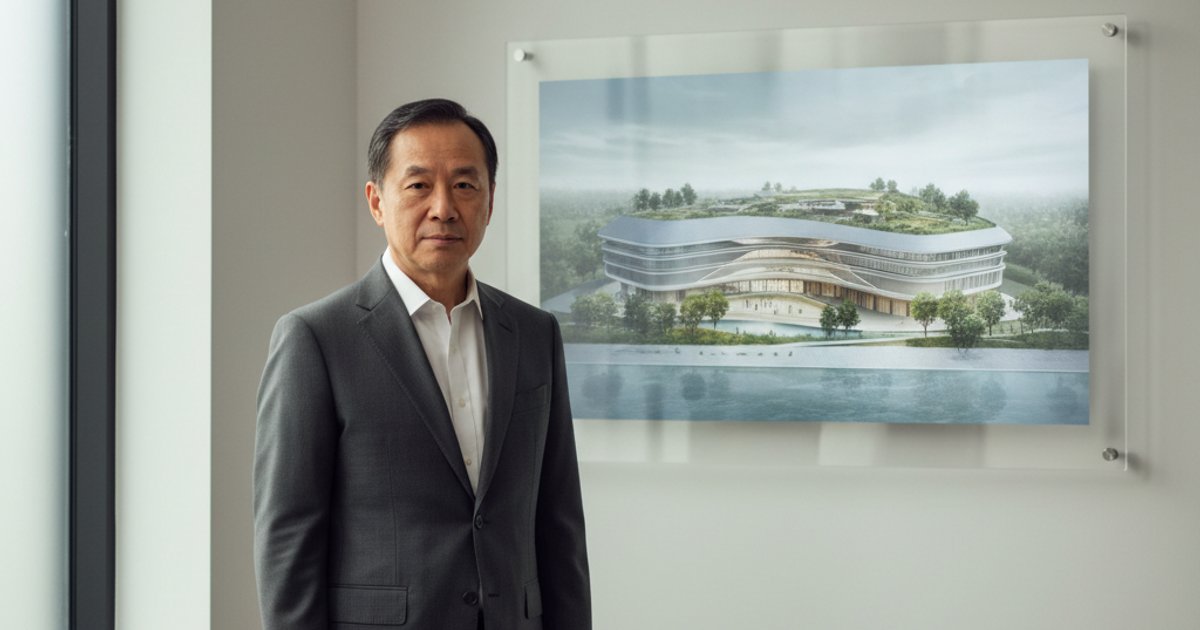
Urban planning considerations include careful site selection and architectural integration. The location in the northern region will be chosen to ensure optimal accessibility while also considering buffer zones from residential areas. The design will likely incorporate landscaping and architectural elements that blend with the natural environment, reducing visual impact and creating a serene atmosphere. The Urban Redevelopment Authority (URA)’s 2024 Master Plan emphasizes integrating public facilities with green spaces.
Noise pollution will also be a key consideration, with design features such as sound barriers and strategic building orientation implemented to minimize disturbance to nearby communities. Energy efficiency and waste management will be integral, with plans for renewable energy sources and responsible disposal of by-products. This holistic approach ensures the crematorium is not only functional but also a responsible and respectful neighbor within the community.
Frequently Asked Questions
What is the timeline for the new public crematorium in Singapore’s northern region?
Preliminary plans for the new public crematorium were announced on July 1, 2026. Public consultations are expected to commence in late 2026, with the full development and operational timeline to be determined following these engagements and detailed planning. Construction is anticipated to begin several years after the consultation phase, targeting completion post-2030.
How will the new crematorium impact existing cremation services in Singapore?
The new crematorium is expected to significantly ease the burden on existing facilities like Mandai and Choa Chu Kang Crematoriums by increasing overall capacity. This will likely lead to reduced waiting times, greater flexibility in scheduling, and improved accessibility for residents, particularly those in the northern and eastern regions of Singapore. It aims to complement, not replace, current services.
Will the new facility offer eco-friendly cremation options?
Yes, the new facility is planned with a strong emphasis on sustainability and green design principles. It is expected to incorporate advanced, energy-efficient cremation technology, robust emission control systems, and potentially features like solar power and rainwater harvesting. This aligns with Singapore’s national sustainability goals and commitment to environmental stewardship.
What types of services will be available at the new crematorium?
The new crematorium is envisioned as an integrated facility offering comprehensive end-of-life services. This will likely include cremation chambers, columbarium niches for ash storage, multi-purpose halls for wakes and memorial services, and serene memorial gardens. The aim is to provide a holistic and dignified environment for families during their bereavement.
How can the public provide feedback on the new crematorium plans?
The Ministry of Sustainability and the Environment (MSE) will organize public consultation sessions, including town hall meetings, online surveys, and focus group discussions, starting in late 2026. Details on how to participate will be announced through official government channels, allowing residents, religious groups, and funeral service providers to contribute their views and suggestions.
Will the new crematorium affect property values in the northern region?
The impact on property values is a common concern, and urban planners typically address this through careful site selection, buffer zones, and sensitive architectural design. Public consultations will consider community feedback on this issue. Modern crematoria are designed to be discreet and environmentally sound, minimizing potential negative impacts on surrounding areas.
What is the projected capacity of the new crematorium?
While specific figures will be finalized after detailed planning and public consultations, the new crematorium is designed to be a high-capacity facility. It aims to significantly increase Singapore’s overall cremation capacity to meet projected future demands from a growing and aging population, ensuring adequate services for decades to come.
Understanding Cremation Services in Singapore: A Comprehensive Look
Cremation services in Singapore are a vital component of the nation’s end-of-life care, driven by cultural preferences and practical considerations like land scarcity. These services encompass not only the cremation process itself but also a range of associated rituals, memorialization options, and administrative procedures. Understanding these facets is crucial for families navigating bereavement.
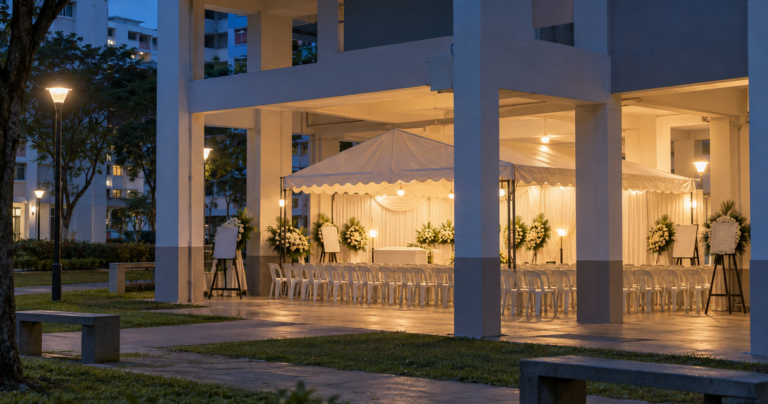
The process of cremation in Singapore typically involves several key stages. After a death, families engage a funeral director who assists with necessary documentation, including the death certificate and cremation permit. The deceased is then prepared for a wake, which can range from a few days to a week, often held at funeral parlours or HDB void decks. Following the wake, the casket is transported to a crematorium.
At the crematorium, a short final religious or secular ceremony may take place before the cremation. The cremation process itself usually takes a few hours, after which the ashes are collected. Families then have various options for the ashes, including storing them in a columbarium niche, scattering them at sea, or keeping them at home. The National Environment Agency (NEA) provides guidelines for these options, ensuring respectful and orderly practices.
Choosing cremation services in Singapore also involves considering various costs, which can vary widely depending on the funeral package, duration of the wake, and choice of urn or columbarium. Funeral directors offer comprehensive packages that typically include embalming, casket, wake setup, transportation, and cremation fees. It is advisable for families to discuss these options transparently with their chosen service provider to ensure all needs are met within their budget.
The cultural landscape of Singapore means that cremation services are often tailored to diverse religious and ethnic practices. Buddhist, Taoist, Christian, and Hindu communities all have specific rites and rituals that are integrated into the funeral and cremation process. Funeral directors specializing in different cultural practices ensure that these traditions are honored, providing comfort and solace to grieving families.
The Role of Technology in Modern Cremation Services
Technology plays an increasingly significant role in modern cremation services, enhancing efficiency, environmental sustainability, and the overall experience for grieving families. From advanced cremation chambers to digital memorialization, technological innovations are transforming how end-of-life services are delivered, making them more respectful, transparent, and eco-conscious. This integration ensures services remain relevant and effective.
Modern crematoria, like the planned northern facility, incorporate state-of-the-art cremation chambers that are far more energy-efficient and environmentally friendly than older models. These chambers feature advanced combustion controls and sophisticated filtration systems that significantly reduce emissions of particulate matter, mercury, and other pollutants. According to a 2023 report by the European Federation of Funeral Services, such technologies can reduce greenhouse gas emissions by up to 40%.
Beyond the cremation process itself, technology is also improving administrative efficiency. Digital platforms are increasingly used for booking cremation slots, managing documentation, and communicating with families. This streamlines the process, reduces paperwork, and provides greater transparency, which is particularly beneficial during emotionally challenging times. Many funeral homes, like Nirvana Singapore, are adopting digital tools to enhance client service.
Furthermore, technology is revolutionizing memorialization. Virtual memorial sites, online obituaries, and live-streaming of funeral services allow distant family members to participate in remembrance. QR codes on columbarium niches can link to digital tributes, offering a rich, interactive way to remember loved ones. These innovations provide new avenues for grief support and connection, as highlighted by a 2022 study on digital bereavement practices by the University of Oxford.
Future Trends in End-of-Life Services in Singapore
Future trends in Singapore’s end-of-life services point towards increased personalization, greater integration of sustainable practices, and a continued shift towards cremation due to land scarcity. There will be a growing demand for bespoke funeral arrangements, eco-friendly options like green burials or biodegradable urns, and technology-enhanced memorialization. These trends reflect evolving societal values and environmental consciousness.
Personalization is becoming a key driver in funeral planning. Families increasingly seek services that reflect the unique life and personality of their loved one, moving beyond traditional, standardized offerings. This includes customized memorial services, unique urn designs, and creative ways to celebrate a life lived. According to the Singapore Funeral Directors Association’s 2023 market survey, demand for personalized services has grown by 15% in the last five years.
Sustainability will continue to shape the industry. Beyond eco-friendly cremation, there’s a rising interest in green burial options, even within land-scarce Singapore, through concepts like sea burials or biodegradable caskets. The focus is on minimizing environmental footprint throughout the entire funeral process, from sourcing materials to energy consumption. The Ministry of Sustainability and the Environment (MSE) has indicated support for such initiatives in their 2024 environmental policy brief.
Technology will further integrate into end-of-life services, offering innovative ways to remember and grieve. Expect more immersive virtual memorial experiences, AI-powered grief support tools, and blockchain-based digital wills and legacy management. These advancements aim to provide greater convenience, accessibility, and emotional support to families, as explored in a 2023 report on future funeral technologies by the Global Funeral Directors Association.
Finally, the emphasis on pre-planning will grow. As Singapore’s population ages, more individuals are proactively planning their own end-of-life arrangements, including cremation services. This allows for greater control over choices, reduces the burden on families, and ensures wishes are honored. Financial planning for these services is also becoming more common, reflecting a mature approach to life’s final chapter.
Conclusion: A Step Towards Future-Proofing End-of-Life Care
The announcement of a new public crematorium in Singapore’s northern region marks a significant step towards future-proofing the nation’s end-of-life care. This strategic development addresses critical issues of capacity, accessibility, and sustainability, ensuring that Singapore can continue to provide dignified and efficient cremation services for its growing and aging population. It embodies proactive urban planning and a commitment to community well-being.
This initiative is more than just adding infrastructure; it represents a forward-thinking approach to integrating essential services within the urban fabric. By incorporating advanced technology, green design principles, and comprehensive public consultation, the new crematorium will set a new standard for end-of-life facilities. It reflects a deep understanding of evolving societal needs and a dedication to environmental responsibility.
Ultimately, this project underscores Singapore’s commitment to ensuring that all residents have access to respectful and high-quality end-of-life options. It alleviates current pressures on existing facilities and prepares for future demands, providing peace of mind for families during their most challenging times. This development is a testament to thoughtful governance and a compassionate approach to public service.