By [Author Name]
Updated June 30, 2026
Losing someone you love is, without question, one of life’s most profound challenges. The immediate aftermath often feels like a blur, a whirlwind of grief, decisions, and unfamiliar processes. When we talk about funeral services in Singapore, most people immediately picture the wake, the ceremony, the final farewell. And rightly so; these are incredibly important rituals. But what often goes unsaid, what’s frequently overlooked until you’re thrust into it, is the intricate, compassionate journey that begins even before the wake, and continues long after the final goodbyes.
This isn’t just about arranging a ceremony. It’s about the meticulous, respectful care given to the deceased, the complex logistics behind the scenes, and crucially, the often-invisible network of support that grieving families desperately need once the formal funeral proceedings conclude. As someone who has covered this sector for years, I can tell you that understanding these ‘before’ and ‘after’ phases is just as vital as knowing about the ceremony itself. It helps demystify a deeply emotional period, offering a roadmap when you feel utterly lost.
Key Takeaways
- Deceased care in Singapore begins immediately after passing, involving respectful handling, preparation, and transfer, often managed by funeral directors.
- The initial hours are critical for medical certification and logistical arrangements, requiring coordination with hospitals, homes, and funeral service providers.
- Post-funeral support extends beyond the ceremony, encompassing grief counseling, administrative and legal aftercare, and community resources.
- Choosing the right funeral services provider means looking beyond just the ceremony package to their expertise in deceased care and post-funeral assistance.
- Singapore offers various resources for long-term grief support, from professional counseling to peer support groups, crucial for healing.
What Happens Immediately After a Death in Singapore?
The journey of deceased care begins the moment a loved one passes away. This initial phase is often chaotic and emotionally charged for families, but established protocols in Singapore ensure dignity and proper procedures are followed, whether the death occurs at home or in a hospital.
If death occurs in a hospital, the process is relatively structured. Hospital staff will handle the immediate medical formalities, including the certification of death. They’ll then guide the family on the next steps, which typically involve contacting a funeral director to arrange for the transfer of the deceased to a mortuary or a funeral parlour. This is usually a smooth, well-practiced routine, designed to ease the burden on the family as much as possible.
Death at home, however, can feel more daunting. The very first step is to contact a doctor, either your family physician or a polyclinic doctor, who will visit to certify the death. If the death is unexpected or under suspicious circumstances, the police must be informed, and they will arrange for the body to be sent to the mortuary at the Health Sciences Authority (HSA) for further investigation. This is a crucial distinction, and it’s important for families to understand that these procedures are in place for everyone’s protection and to ensure legal compliance. Once certified, a funeral director can then be engaged to manage the transfer and subsequent preparations.
The Role of Funeral Services in Initial Deceased Care
This is where professional funeral services in Singapore truly begin their work, often out of sight. Their immediate responsibility is the respectful transfer of the deceased. This isn’t just about moving a body; it’s about ensuring dignity, hygiene, and adherence to all regulations. They use specialized equipment and trained personnel to transport the deceased from the place of passing to a funeral parlour or the family’s chosen wake location.
From what I’ve seen over the years, the best funeral directors act as calm anchors in these turbulent first hours. They don’t just provide a service; they offer guidance, often anticipating questions families haven’t even thought to ask yet. They’ll explain the process, handle the necessary paperwork with the authorities, and begin the preparations for the wake and funeral.
The Unseen Preparations: Embalming and Dignified Care
Before any wake or ceremony can commence, the deceased undergoes a series of preparations aimed at preserving dignity and facilitating a peaceful viewing for family and friends. This phase, while rarely discussed openly, is a cornerstone of funeral services in Singapore.
Embalming is a key part of this process for many families, especially if the wake is to be held over several days. It’s the art and science of preserving the body, sanitizing it, and restoring a natural appearance. This allows for open-casket viewings, which many cultures in Singapore value deeply as a final opportunity to see their loved one. A skilled embalmer can make a profound difference, offering a sense of peace to grieving families by presenting the deceased in a tranquil, almost sleeping state. This isn’t about masking reality; it’s about providing comfort through careful restoration.
Beyond Embalming: Dressing and Casketing
But deceased care extends far beyond just embalming. It includes washing, dressing, and cosmetically preparing the deceased. Families often provide clothing, perhaps a favourite outfit, and the funeral team ensures the deceased is dressed respectfully. Hair is styled, makeup is applied subtly to restore a lifelike appearance, and any visible injuries or marks are carefully concealed. This meticulous attention to detail is a quiet testament to the respect and care offered by funeral professionals.
Finally, the deceased is gently placed into the chosen casket. This entire process, from transfer to casketing, is handled with utmost reverence and professionalism. It’s a critical, yet largely invisible, part of the funeral services journey, setting the stage for the public farewell. Without this careful preparation, the emotional experience of the wake would be dramatically different, and for many, far more distressing.
Navigating the Logistics: From Paperwork to Venue
Once the initial care of the deceased is underway, the focus shifts to the myriad logistical arrangements that must be made for the wake and funeral. This is where the practical expertise of funeral services providers truly shines, taking a significant burden off the grieving family.
The paperwork alone can be overwhelming. There’s the death certificate to register, permits for cremation or burial, and various other administrative forms. A reputable funeral director will guide you through this, often handling much of it on your behalf. This is a smart move, because trying to navigate bureaucracy while in deep grief is an unnecessary hardship. They know the processes, the government agencies involved, and the timelines.
Choosing the Right Setting for Farewell
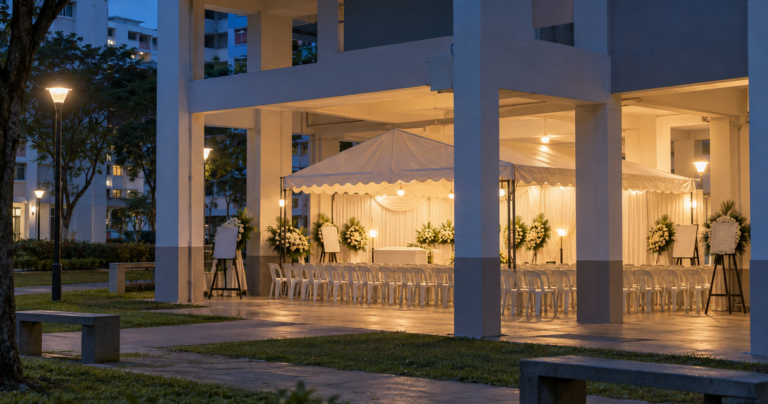
Then there’s the venue. In Singapore, wakes are commonly held at HDB void decks, funeral parlours, or in private homes. Each option has its own set of considerations, from permits required for void decks to the capacity and amenities of funeral parlours. A good funeral services provider will help you weigh these options based on your family’s needs, cultural practices, and budget. For instance, holding a wake at a void deck requires booking through the Town Council, a process that can be competitive depending on the location and time of year.
Consider also the specific cultural and religious rites. Singapore is a melting pot, and funeral services here must cater to a wide array of traditions – Buddhist, Taoist, Christian, Muslim, Hindu, and more. Each has its own distinct rituals, timings, and requirements for the wake and final rites. The funeral director acts as a cultural navigator, ensuring that all practices are respected and facilitated appropriately. This is not just about logistics; it’s about honouring heritage and belief systems, which is incredibly important for families during such a sensitive time.
Beyond the Ceremony: The Long Road of Post-Funeral Support
The funeral ceremony, for all its emotional weight, is just one chapter in the journey of loss. What happens after the final prayers, after the cremation or burial, when the crowds disperse and the immediate flurry of activity subsides? This is where the long, often solitary, road of grief truly begins, and where post-funeral support becomes absolutely critical.
Many funeral service providers, like Nirvana Singapore, understand that their role doesn’t end when the hearse drives away. They often offer or can connect families to resources for administrative aftercare. This includes things like applying for grants, closing bank accounts, managing insurance claims, and even advising on probate. These are the practical, often tedious, tasks that can feel insurmountable when you’re grieving. Having a professional guide you through them can make a world of difference.
Grief Counseling and Emotional Healing
But the most profound need post-funeral is emotional support. Grief is not a linear process; it’s a messy, unpredictable journey. And that’s okay. What’s not okay is feeling like you have to navigate it alone. This is where grief counseling comes in. Singapore has a growing number of trained counselors and organizations dedicated to helping individuals and families process their loss.
From what I’ve observed, there’s still a stigma around seeking professional help for grief. People often feel they should be strong, or that time alone will heal all wounds. While time does play a part, active processing through counseling can prevent grief from becoming complicated or prolonged. It provides a safe space to express feelings, learn coping mechanisms, and understand that what you’re experiencing is normal, albeit painful. The honest answer is that nobody knows for certain how long grief will last, but the evidence suggests support makes it more manageable.
What Resources Are Available for Grieving Families in Singapore?
Singapore has a robust, though sometimes fragmented, ecosystem of support for those experiencing loss. It’s not always easy to find, but it’s there. And it’s vital for families to know these resources exist.
Firstly, many hospitals offer bereavement support services, often through their social work departments. These can be a good starting point for immediate post-loss counseling or referrals. Beyond that, non-profit organizations play a significant role. For instance, the Singapore Association for Counselling (SAC) can provide a directory of qualified counselors specializing in grief. There are also specific organizations like the Hospice Care Association, which, while primarily focused on end-of-life care, also offers bereavement support to families of their patients.

Community groups and religious organizations are another powerful source of comfort. Many churches, temples, mosques, and community centers run their own bereavement support groups. These peer-to-peer settings can be incredibly healing, as they connect individuals with others who understand their pain firsthand. Sharing experiences, listening to others, and realizing you’re not alone can be profoundly therapeutic. In my experience covering this sector, these informal networks are often the unsung heroes of long-term healing.
Navigating Legal and Administrative Aftermath
Beyond emotional support, there are practicalities. The legal aftermath of death, such as probate or letters of administration, can be complex. While funeral directors might offer initial guidance, families often need to engage lawyers for these processes. The Ministry of Law website provides general information, but specific legal advice is always recommended. This is the part that most guides get completely wrong — they focus solely on the emotional, but the practical burdens can exacerbate grief if not managed properly.
Then there are financial matters. Closing bank accounts, transferring assets, managing CPF nominations, and claiming insurance policies are all tasks that need to be addressed. Organizations like the Central Provident Fund (CPF) Board and various insurance companies have dedicated departments to assist beneficiaries. It’s tedious, yes, but necessary. And having a checklist, perhaps provided by your funeral services provider or a financial advisor, can help break it down into manageable steps.
Choosing a Funeral Services Provider: Beyond the Price Tag
When selecting funeral services in Singapore, it’s easy to get caught up in comparing package prices. And while budget is certainly a consideration, it shouldn’t be the only one. The true value of a provider lies in their comprehensive approach to deceased care and their commitment to post-funeral support.
Look for a provider that demonstrates clear expertise in deceased preparation, not just ceremony setup. Ask about their embalming practices, their facilities for care, and how they ensure dignity throughout the process. A reputable firm will be transparent about these aspects. What strikes me about this is that many families only learn about these details when they’re already in crisis, which is far too late for informed decision-making.
Questions to Ask Your Funeral Director
Here’s a quick table of what to consider when evaluating funeral services providers:
| Aspect | What to Ask/Look For |
|---|---|
| Deceased Care | What are your embalming procedures? Where is the deceased kept before the wake? How do you ensure dignity and hygiene? |
| Logistics & Permits | Can you assist with death registration and permits? What are the options for wake venues (void deck, parlour, home)? |
| Cultural Competence | Do you have experience with [specific cultural/religious rites]? Can you arrange for specific clergy/officiants? |
| Post-Funeral Support | Do you offer administrative aftercare guidance (e.g., insurance, CPF)? Can you connect us with grief counseling services? |
| Transparency & Cost | Is your pricing clear and itemized? Are there any hidden costs? What’s included in the basic package vs. add-ons? |
| Reputation & Reviews | How long have you been in business? Do you have testimonials or references? |
A provider like Nirvana Singapore, with its established presence and comprehensive offerings, understands that funeral services are about more than just the final farewell. They encompass the entire journey, from the moment of passing to the long-term healing of the family. According to a 2023 survey by the National Council of Social Service (NCSS), approximately 1 in 5 Singaporeans experience symptoms of grief that could benefit from professional support, yet only a fraction seek it. This highlights the critical need for providers who can bridge that gap.
The Evolving Landscape of Funeral Services in Singapore
The industry of funeral services in Singapore is not static; it’s constantly evolving, driven by changing societal norms, technological advancements, and a deeper understanding of grief. We’re seeing a shift towards more personalized farewells, moving away from rigid traditions to ceremonies that truly reflect the life of the deceased. This is a positive development, allowing families to celebrate unique lives in unique ways.
There’s also a growing emphasis on pre-planning. More Singaporeans are now making arrangements for their own funeral services in advance, easing the burden on their families when the time comes. This includes choosing specific embalming preferences, casket types, and even post-funeral arrangements. This proactive approach, championed by forward-thinking providers, ensures that wishes are respected and provides peace of mind for everyone involved. A 2022 study by the Singapore Management University (SMU) found that pre-need funeral planning has seen a 15% increase in uptake over the past five years, indicating a growing trend towards preparedness.
The integration of technology is another notable trend. From online memorial pages to virtual attendance options for overseas family members, technology is making funeral services more accessible and inclusive. While it can never replace human connection, it offers valuable avenues for remembrance and participation in our increasingly globalized world. The real story here isn’t just about technology, though — it’s about how technology facilitates connection and support, which is what families truly need.
The Enduring Importance of Compassion
Ultimately, whether it’s the meticulous care of the deceased, the seamless navigation of logistics, or the crucial provision of post-funeral support, the underlying thread that binds all aspects of funeral services in Singapore is compassion. It’s about treating the deceased with dignity and respect, and supporting the living through their most vulnerable moments.
The journey of loss is deeply personal, but it doesn’t have to be walked alone. By understanding the full scope of what funeral services entail – from the unseen preparations to the long-term support systems – families can make more informed decisions and find the comfort they need. It’s a testament to the human spirit, and to the dedicated professionals, that even in sorrow, there is care, guidance, and a path towards healing.
Frequently Asked Questions About Funeral Services in Singapore
What is the average cost of funeral services in Singapore?
The cost of funeral services in Singapore varies widely depending on the type of service, duration of the wake, and specific cultural or religious requirements. Basic packages can start from S$1,500-S$3,000 for a simple cremation, while more elaborate, multi-day wakes with specific religious rites can range from S$5,000 to over S$15,000. It’s crucial to get a detailed, itemized quote.
Do I need to engage a funeral director immediately after a death?
Yes, it’s highly recommended. A funeral director can guide you through the immediate steps, such as obtaining a death certificate, arranging for the transfer of the deceased, and beginning preparations. Their expertise helps ensure all legal and logistical requirements are met efficiently and respectfully during a difficult time.
What is embalming, and is it mandatory for funeral services in Singapore?
Embalming is the process of preserving, sanitizing, and restoring the appearance of the deceased. It is not mandatory in Singapore but is commonly chosen for open-casket wakes to allow for viewing over several days. If a wake is held for more than 24 hours, especially without refrigeration, embalming is generally advised for hygiene and preservation.
How long does a typical wake last in Singapore?
Wakes in Singapore typically last between three to five days, though they can be shorter (one day) or longer (seven days or more) depending on cultural traditions, religious practices, and family preferences. Buddhist and Taoist wakes often last longer, while Christian and Muslim wakes may be shorter.
What kind of post-funeral support can I expect from funeral services providers?
Many funeral services providers, like Nirvana Singapore, offer or can refer families to administrative aftercare services, such as guidance on insurance claims, CPF matters, and legal processes like probate. They may also provide information on grief counseling services or support groups to help families cope with their loss.
Are there government grants or financial assistance for funeral expenses in Singapore?
Yes, there are some avenues for financial assistance. The Ministry of Social and Family Development (MSF) offers ComCare assistance for low-income families, which may include funeral expenses. Additionally, some unions or community organizations might provide small grants. It’s best to inquire with relevant agencies or your funeral director for specific eligibility criteria.
Can I pre-plan my own funeral in Singapore?
Absolutely. Pre-planning your funeral is becoming increasingly common in Singapore. It allows you to make your wishes known, choose specific arrangements, and pre-pay for services, thereby easing the emotional and financial burden on your family later. Many funeral services providers offer pre-need plans.
Last updated: June 30, 2026