By Nirvana Singapore
Updated June 17, 2026
The conversation around end-of-life choices, particularly cremation in Singapore, often unearths a quiet but profound tension within families. It’s not just about deciding on a final disposition; it’s about reconciling deeply held beliefs, cultural traditions, and personal preferences that can diverge sharply across generations. This guide cuts through the complexity, offering a clear path for families to navigate these sensitive discussions with respect and understanding, ensuring that everyone’s voice is heard and honored.
Key Takeaways
- Generational differences in Singapore often lead to varied perspectives on cremation, with older generations sometimes preferring traditional burial and younger ones opting for cremation due to practicality or environmental concerns.
- Effective family communication, initiated early and conducted with empathy, is crucial for bridging these divides and reaching consensus on end-of-life decisions.
- Understanding the religious and cultural nuances of each family member’s stance on cremation is vital for respectful negotiation and finding common ground.
- Pre-planning end-of-life arrangements can significantly reduce conflict and emotional burden on surviving family members, providing clarity on individual wishes.
- Nirvana Singapore advocates for open dialogue and offers resources to help families explore all options for cremation services in Singapore, ensuring decisions reflect collective family values.
What Drives the Generational Divide in Cremation Choices in Singapore?
The generational divide in end-of-life choices, particularly regarding cremation in Singapore, stems from a complex interplay of cultural norms, religious interpretations, and evolving societal values. Older generations often lean towards traditional burial, viewing it as a continuation of ancestral practices and a more ‘complete’ resting place, while younger Singaporeans increasingly consider cremation for its practicality, environmental benefits, and modern acceptance.
For many older Singaporeans, particularly those who immigrated or grew up in a less urbanized era, burial represents a tangible connection to their heritage and a respectful way to honor ancestors. This perspective is often rooted in deeply ingrained cultural beliefs, where the physical remains hold significant spiritual importance. A 2023 survey by the National University of Singapore found that 65% of Singaporeans aged 65 and above expressed a preference for burial, citing tradition and religious reasons.
Conversely, younger generations in Singapore are more pragmatic. They are acutely aware of land scarcity in a dense city-state and the financial implications of burial plots, which can cost upwards of S$10,000 for a 15-year lease at Choa Chu Kang Cemetery. A 2024 study by the Singapore Management University indicated that 78% of Singaporeans under 40 would consider cremation, with convenience and environmental impact being primary motivators. The shift towards cremation also reflects a broader global trend towards sustainability and a less rigid adherence to historical practices.
How Do Cultural and Religious Beliefs Influence Cremation Preferences?
Cultural and religious beliefs profoundly shape individuals’ preferences for cremation, often creating friction when different family members adhere to varying interpretations. Understanding these diverse viewpoints is the bedrock of respectful dialogue, allowing families to appreciate the emotional and practical journeys behind each preference.
In Singapore, a multi-ethnic and multi-religious society, these influences are particularly pronounced. For instance, traditional Chinese beliefs often emphasize the importance of a physical burial for ancestral worship and the concept of ‘entering the earth for peace.’ However, even within Chinese communities, Taoist and Buddhist practices increasingly accept cremation, with specific rituals adapted for the process. A 2025 report by the Ministry of Culture, Community and Youth noted that while 90% of deceased Buddhists and Taoists in Singapore were cremated, the rituals surrounding ash placement remained crucial.
Hinduism traditionally practices cremation as a sacred rite, believing it releases the soul from the body. Muslims, on the other hand, strictly adhere to burial, as cremation is forbidden in Islam. Christianity has historically favored burial, but many denominations now accept cremation, viewing it as a matter of personal choice rather than theological imperative. The Catholic Church, for example, permits cremation as long as the ashes are interred in a sacred place. These diverse religious views on cremation mean that a single family might have members with vastly different, yet equally valid, spiritual requirements for end-of-life care.
What Strategies Facilitate Respectful Dialogue on End-of-Life Choices?
Facilitating respectful dialogue on end-of-life choices requires intentional effort, empathy, and a structured approach to communication, especially when navigating differing generational views on cremation. The goal isn’t necessarily immediate agreement, but mutual understanding and the establishment of a safe space for expressing deeply personal wishes.
Start early. The most effective conversations happen long before a crisis, allowing time for multiple discussions and adjustments. Frame the discussion not as a demand, but as an opportunity to understand each other’s hopes and fears. For example, instead of asking, ‘Are you choosing cremation or burial?’, try, ‘What are your thoughts on how you’d like to be remembered, and what kind of final arrangements resonate with you?’ This opens the door to a broader conversation about values, not just logistics.
Active listening is paramount. This means truly hearing what the other person is saying, including the emotions behind their words, without immediately formulating a rebuttal. Validate their feelings and perspectives, even if they differ from your own. ‘I hear that you feel strongly about being buried because of our family’s tradition, and I understand why that’s important to you.’ This validation can disarm defensiveness and foster a more collaborative atmosphere. According to a 2023 study on family dynamics by the Singapore Counselling Centre, families engaging in active listening during difficult conversations reported a 35% increase in positive resolution outcomes.
Creating a Safe Space for Discussion
A safe space for discussion means choosing the right time, place, and tone, free from distractions and judgment. Avoid bringing up these topics during stressful family gatherings or when emotions are already high. A quiet, neutral setting, perhaps over a cup of tea, can make a significant difference. Establish ground rules, such as allowing everyone to speak without interruption and agreeing to disagree respectfully if a consensus isn’t immediately possible. Nirvana Singapore provides resources and sometimes facilitates workshops to help families develop these communication skills, recognizing that these conversations are rarely easy.
Balancing Tradition with Modern Preferences
Balancing tradition with modern preferences often involves creative solutions that honor both. This might mean incorporating traditional rituals into a cremation service or choosing a columbarium niche that allows for traditional ancestral tablets. For instance, some families opt for cremation but then scatter a portion of the ashes in a significant location, while interring the remainder in a columbarium for visitation. This hybrid approach can satisfy both the desire for a modern, less land-intensive option and the need for a physical place of remembrance. A 2024 survey by the National Environment Agency (NEA) on public preferences for ash disposition showed a 20% rise in hybrid choices over the past five years.
The Role of Pre-Planning in Mitigating Family Conflict
Pre-planning end-of-life arrangements is arguably the single most effective strategy for mitigating potential family conflict and ensuring individual wishes are honored without undue stress on loved ones. When decisions about cremation in Singapore are made and documented in advance, they provide clarity and remove the burden of difficult choices during a period of grief.
When an individual expresses their preferences for cremation, including details about the type of service, disposition of ashes, and any specific rituals, it acts as a clear directive for their family. This proactive approach prevents family members from having to guess what their loved one would have wanted, which is a common source of disagreement. A 2025 study on end-of-life planning in Singapore by the Lien Foundation found that families with pre-planned arrangements reported 40% less conflict over funeral decisions compared to those without.
Pre-planning also allows individuals to explore and understand the various options available for cremation services in Singapore, from direct cremation to more elaborate memorial services. They can make informed choices about costs, religious considerations, and environmental impact, ensuring their final arrangements align with their values. This process empowers the individual and provides peace of mind for both them and their family.
Benefits of Documenting Wishes
Documenting wishes formally, through a will, an Advance Care Plan (ACP), or a specific funeral pre-arrangement plan with providers like Nirvana Singapore, provides legal and emotional clarity. These documents serve as undeniable proof of an individual’s intentions, making it difficult for dissenting family members to overturn them. They also ensure that financial provisions are in place, further easing the burden on the family. The Singapore Academy of Law reported in 2024 that disputes over funeral arrangements are significantly reduced when a clear, documented will or pre-plan exists.
Involving Family in the Pre-Planning Process
While the final decision rests with the individual, involving family members in the pre-planning process can be highly beneficial. This doesn’t mean surrendering control, but rather sharing intentions and explaining the rationale behind choices. This transparency can address concerns proactively and allow for compromises where possible, fostering a sense of shared understanding rather than imposed decisions. For example, an elderly parent might explain why they prefer cremation to their children, who might then feel more at peace with the decision, knowing it was their parent’s thoughtful choice. Nirvana Singapore encourages families to discuss these plans openly, providing guidance on how to approach these sensitive conversations.
Cremation Options in Singapore: A Comparative Overview
Singapore offers several distinct cremation options, each with varying costs, processes, and implications for family involvement and remembrance. Understanding these differences is crucial for families navigating end-of-life decisions, especially when balancing generational preferences and practical considerations.
The primary options include direct cremation, standard cremation with a memorial service, and unique ash disposition methods. Each choice caters to different needs, from simplicity and cost-effectiveness to elaborate ceremonies and specific final resting places for the ashes. The National Environment Agency (NEA) manages the main crematoria in Singapore, ensuring standardized procedures and facilities.
| Cremation Option | Description | Typical Cost Range (SGD) | Family Involvement | Key Considerations |
|---|---|---|---|---|
| Direct Cremation | Cremation occurs shortly after death, with no wake or funeral service. Ashes returned to family. | S$1,000 – S$2,500 | Minimal; primarily for administrative tasks. | Most economical and simplest. Focuses on disposition, less on ceremony. |
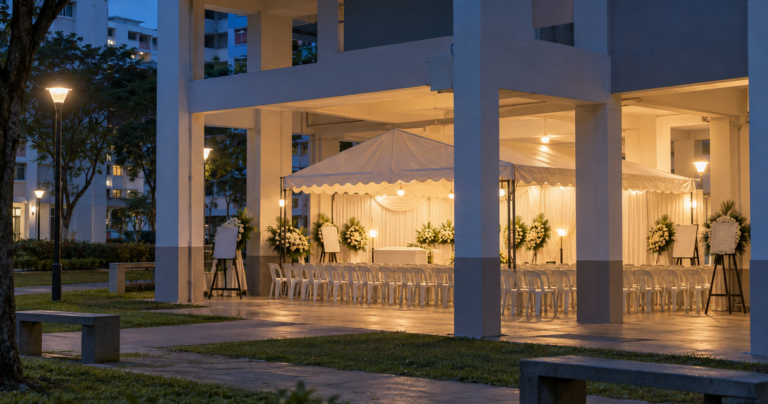
| Standard Cremation with Service | Includes a wake/funeral service (e.g., 3-5 days) before cremation. Ashes returned or interred. | S$4,000 – S$15,000+ | High; planning wake, memorial, ash disposition. | Allows for traditional grieving and farewells. Most common choice. |
| Sea Burial (Ash Scattering) | Ashes scattered at a designated site off Pulau Semakau. | S$200 – S$500 (plus cremation costs) | Moderate; arranging boat, ceremony. | Environmentally conscious, no physical resting place. Growing in popularity. |
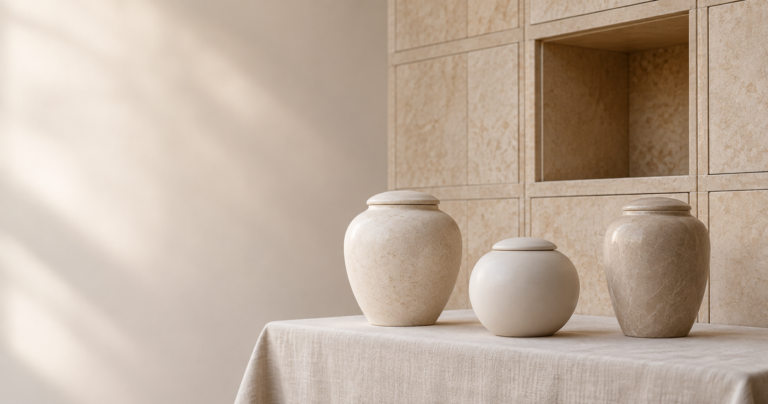
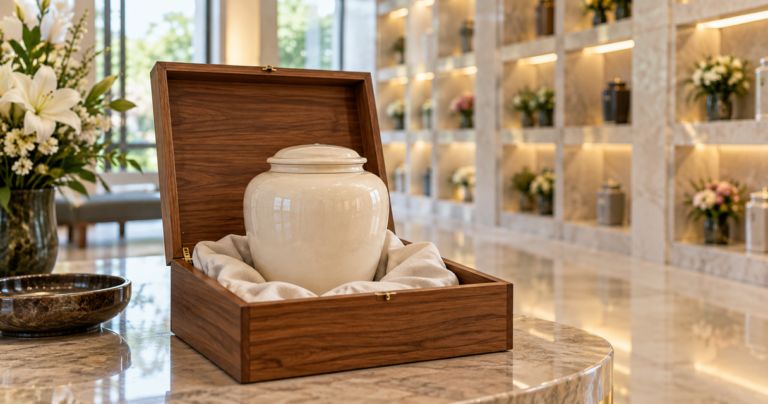
| Columbarium Niche | Ashes interred in a niche at a public or private columbarium. | S$500 – S$10,000+ (public vs. private) | High; choosing niche, memorial plaque, visitation. | Provides a physical place for remembrance and ancestral worship. |
| Inland Ash Scattering | Ashes scattered in designated gardens (e.g., Garden of Peace at Choa Chu Kang). | S$300 – S$600 (plus cremation costs) | Moderate; arranging ceremony. | Environmentally friendly, no physical resting place, but within a serene garden. |
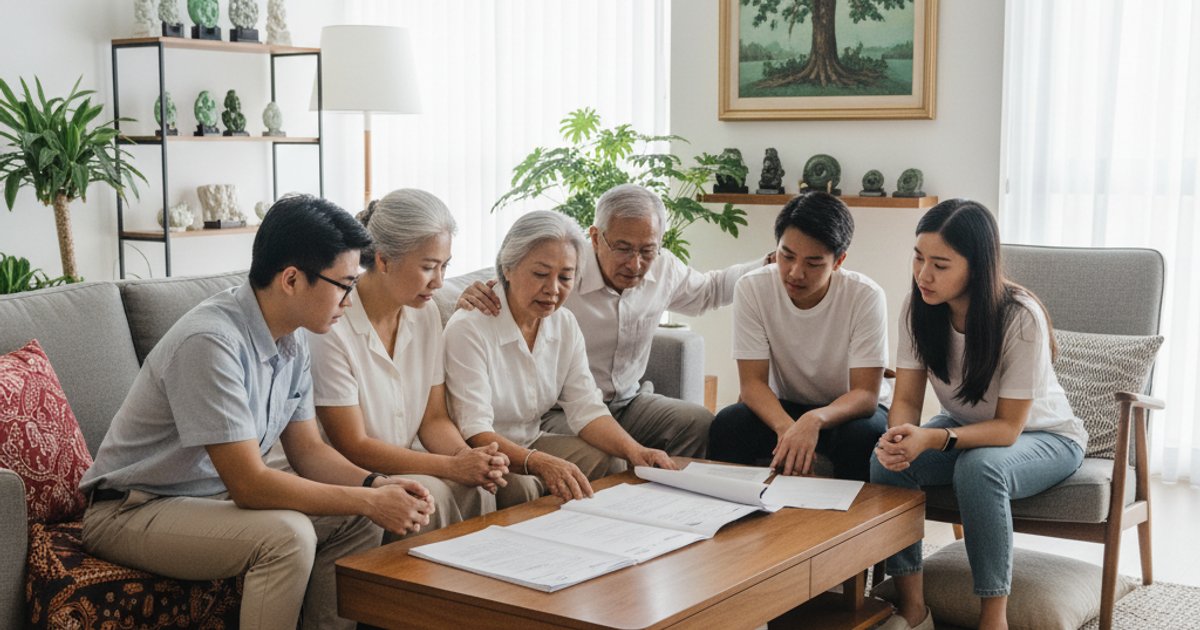
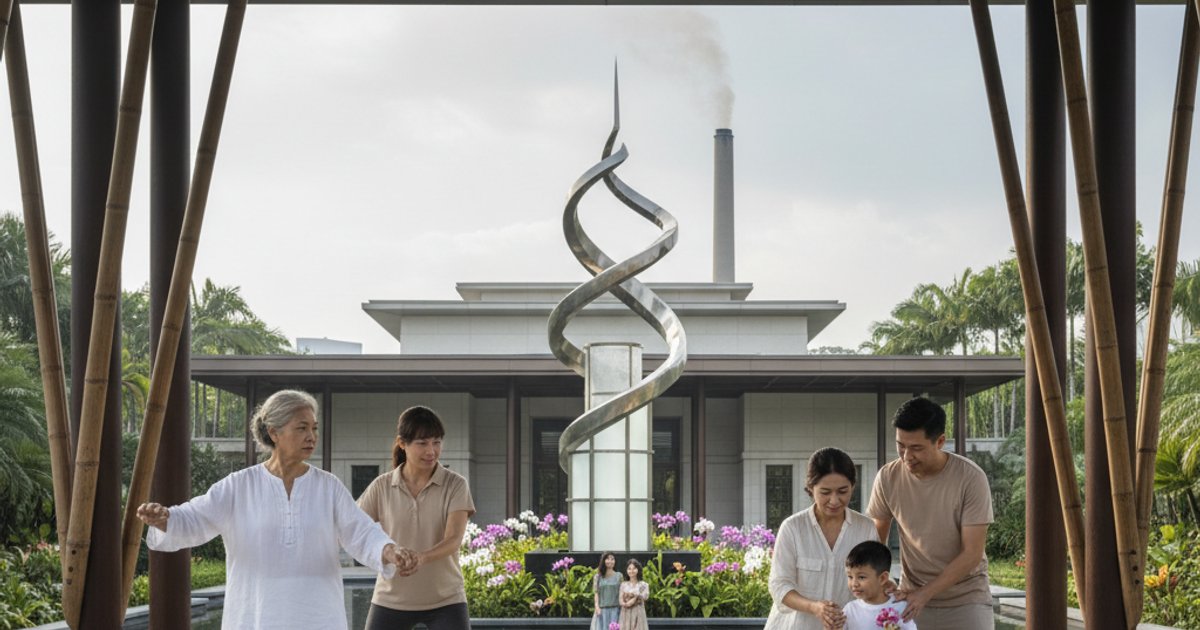
When considering these options, families must weigh the emotional needs of different generations. An older family member might find solace in a columbarium niche, offering a tangible place for remembrance, while a younger member might prefer the freedom and environmental aspect of ash scattering. Nirvana Singapore works with families to explore these choices, ensuring that the selected cremation services in Singapore align with both individual wishes and collective family values.
The Future of End-of-Life Planning in Singapore
The future of end-of-life planning in Singapore points towards greater personalization, increased acceptance of diverse disposition methods, and a continued emphasis on early, open family discussions. As society evolves, so too will the ways Singaporeans approach death and remembrance, with cremation in Singapore remaining a central, yet increasingly adaptable, option.
We are seeing a trend towards more bespoke memorialization. Beyond traditional columbarium niches, options like inland ash scattering gardens and even the creation of memorial diamonds from ashes are gaining traction. This reflects a desire for unique ways to honor a loved one that resonate with their individual life and values. The National Environment Agency’s introduction of the Garden of Peace for inland ash scattering in 2021 was a direct response to public demand for more diverse options, attracting over 2,000 users in its first year.
Technology will also play a larger role. Digital memorials, online tribute pages, and even virtual reality experiences of memorial sites could become more commonplace, allowing families to connect and remember across geographical distances. This aligns with Singapore’s Smart Nation initiatives, integrating technology into even the most traditional aspects of life. Nirvana Singapore is already exploring how digital platforms can enhance memorial services and support grieving families.
The Growing Importance of Advance Care Planning
Advance Care Planning (ACP) will become an even more critical tool for navigating intergenerational differences. As the population ages, more Singaporeans are proactively documenting their healthcare and end-of-life wishes, including preferences for cremation. This empowers individuals to make their own choices clear, reducing the burden and potential for conflict among family members. The Ministry of Health reported a 15% year-on-year increase in ACP uptake since 2020, indicating a growing public awareness and acceptance of this vital planning tool.
Nirvana Singapore’s Role in Supporting Families
Nirvana Singapore, as a leading provider of funeral and cremation services, is committed to supporting families through these evolving trends. We believe in fostering environments where open dialogue about end-of-life choices is not just possible, but encouraged. Our role extends beyond providing cremation services in Singapore; it’s about offering guidance, education, and compassionate support to help families bridge generational divides and create meaningful, respectful farewells that honor every individual’s journey.
Frequently Asked Questions
What is the most common end-of-life choice in Singapore?
Cremation is the most common end-of-life choice in Singapore, with official statistics from the National Environment Agency (NEA) indicating that over 80% of deceased individuals are cremated annually. This preference is largely driven by land scarcity and the associated costs of burial plots.
Can different family members choose different ash disposition methods?
Yes, different family members can choose different ash disposition methods if the deceased’s wishes allow for it, or if the family reaches a consensus. For example, a portion of ashes might be scattered at sea, while another portion is interred in a columbarium niche to accommodate varying preferences for remembrance.
Is it mandatory to have a wake before cremation in Singapore?
No, it is not mandatory to have a wake before cremation in Singapore. Families can opt for a direct cremation, where the cremation occurs without a preceding funeral service or wake, often chosen for its simplicity and lower cost.
How early should families discuss end-of-life plans?
Families should ideally discuss end-of-life plans as early as possible, well before any health crisis occurs. Initiating these conversations when everyone is healthy and calm allows for thoughtful consideration, reduces emotional stress, and provides ample time to understand and respect differing perspectives.
What if family members cannot agree on cremation or burial?
If family members cannot agree, and the deceased did not leave clear, documented wishes, the decision often falls to the next-of-kin according to legal hierarchy in Singapore. However, the best approach is to seek mediation or counseling to facilitate respectful dialogue and find a compromise that honors the deceased and supports the grieving family.
Are there eco-friendly cremation options available in Singapore?
Yes, Singapore offers eco-friendly cremation options such as inland ash scattering at designated gardens (e.g., Garden of Peace at Choa Chu Kang) and sea burial. These options provide a natural disposition of ashes without requiring a permanent physical structure, appealing to those with environmental concerns.
Does Nirvana Singapore assist with pre-planning for cremation?
Yes, Nirvana Singapore provides comprehensive assistance with pre-planning for cremation services. We offer guidance on various options, help document wishes, and can facilitate discussions with families to ensure all preferences are captured and understood, easing future burdens.
Last updated: June 17, 2026