By Nirvana Singapore
Updated June 17, 2026
Discussing end-of-life preferences, particularly cremation, within Singaporean families can feel like navigating a minefield of tradition, respect, and unspoken expectations. Yet, initiating these sensitive intergenerational conversations proactively is crucial for ensuring individual wishes are honored, family values are understood, and a cohesive legacy plan takes shape. This guide offers a roadmap for bridging the gap between generations on cremation in Singapore, transforming a potentially difficult topic into an opportunity for deeper family connection and thoughtful planning.
Key Takeaways
- Initiating discussions about cremation early helps align individual preferences with family values, preventing distress during bereavement.
- Singapore’s cremation rate is over 80%, reflecting a shift towards this practice, yet traditional sentiments often persist.
- Proactive planning, including documenting wishes and exploring options like niche selection or ash scattering, reduces the burden on grieving families.
- Open communication across generations fosters understanding, allowing families to reconcile modern choices with cultural heritage.
- Nirvana Singapore offers comprehensive cremation services designed to support families through every step of this sensitive process.
- Integrating cremation decisions into broader legacy planning ensures financial, spiritual, and emotional continuity for future generations.
What is Cremation and Why is it a Growing Choice in Singapore?
Cremation is the process of reducing a body to ashes through intense heat, and it has become the predominant disposition method in Singapore due to practical considerations like land scarcity and evolving societal norms. This method offers a dignified, space-efficient, and often more environmentally conscious alternative to traditional burial, aligning with Singapore’s urban planning and resource management strategies.
For many years, burial was the standard. However, Singapore’s limited land area has driven a significant shift. The National Environment Agency (NEA) reports that the cremation rate in Singapore has consistently exceeded 80% since 2000, reaching approximately 85% in recent years. This high adoption rate is a direct consequence of government policies that encourage cremation, such as limited burial plot tenure (15 years) and the provision of affordable cremation services at government-managed crematoria.
Beyond policy, personal preferences also play a role. Some individuals choose cremation for its perceived simplicity, its lower long-term environmental impact compared to burial, or because it allows for diverse memorialization options, such as scattering ashes or placing them in columbarium niches. For younger generations, cremation often represents a modern, practical choice that respects both personal autonomy and the island nation’s unique constraints.
How Do Traditional Values Impact Cremation Decisions in Singaporean Families?
Traditional values profoundly influence cremation decisions in Singapore, particularly among older generations who may hold strong cultural or religious views on cremation or specific funeral rites. These deeply ingrained sentiments often stem from ancestral practices, filial piety, and a desire to maintain continuity with family heritage, creating potential tension with modern preferences for cremation.
Many Chinese, Malay, and Indian communities in Singapore have historically practiced burial, viewing it as a respectful way to return the deceased to the earth and ensure ancestral continuity. For example, in some Chinese traditions, burial is seen as crucial for ‘feng shui’ and the well-being of descendants, while certain Malay and Indian Muslim customs strictly adhere to burial as a religious mandate. A 2023 study by the Singapore Management University found that while younger Singaporeans are more open to cremation, over 40% of those aged 60 and above still express a strong preference for traditional burial, citing cultural and religious reasons.
The concept of filial piety, or respect for elders, further complicates these discussions. Younger family members might hesitate to express a preference for cremation if they believe it contradicts their parents’ or grandparents’ wishes, fearing they might be perceived as disrespectful. Conversely, older generations might feel a duty to uphold family traditions, even if their personal views have evolved. Bridging this gap requires empathy, education, and a willingness to explore how modern choices can still honor ancestral values.

Why Is It Crucial to Initiate Intergenerational Conversations About Cremation Early?
Initiating conversations about cremation preferences early is crucial because it empowers families to make informed decisions without the pressure of immediate grief, ensuring individual wishes are respected and reducing future emotional and logistical burdens. These discussions foster understanding, allow for the reconciliation of differing views, and ultimately strengthen family bonds by affirming mutual respect.
Waiting until a crisis occurs leaves families scrambling, often leading to disagreements and regrets. When these discussions happen calmly and proactively, family members can articulate their reasoning, address concerns, and explore compromises. This process allows for the integration of personal preferences into a broader family legacy, ensuring that the chosen disposition method reflects both the individual’s desires and the family’s collective values. According to a 2024 survey by the Lien Foundation, families who discussed end-of-life wishes in advance reported 30% less stress during bereavement compared to those who did not.
Moreover, early conversations provide an opportunity to understand the practical aspects of cremation services in Singapore. This includes discussing costs, choosing a crematorium, selecting a columbarium niche or deciding on ash scattering, and exploring memorial service options. Nirvana Singapore, for instance, offers pre-planning services that can lock in prices and ensure all arrangements are meticulously handled, alleviating financial strain and uncertainty for surviving family members.
Strategies for Bridging Traditional Values with Modern Cremation Choices
Bridging traditional values with modern cremation choices requires open dialogue, mutual respect, and a willingness to explore creative solutions that honor both heritage and individual preferences. The key lies in identifying the core values behind traditional practices and finding ways to incorporate them into a cremation-based memorial, rather than viewing them as mutually exclusive.
Emphasize Dignity and Respect
Frame cremation as a dignified and respectful process, rather than a departure from tradition. Highlight how modern cremation services, like those provided by Nirvana Singapore, include solemn rites, viewing opportunities, and personalized memorial ceremonies that uphold the sanctity of life and memory. Explain that the essence of respect lies in honoring the individual’s wishes and providing a meaningful farewell, regardless of the disposition method.
Educate on Practicalities and Environmental Benefits
Inform family members about the practical realities of land scarcity in Singapore and the environmental advantages of cremation. Explain that cremation significantly reduces the demand for burial land, a finite resource, and can be a more sustainable choice. Presenting factual information, such as the NEA’s promotion of cremation, can help shift perspectives from emotional resistance to practical acceptance.
Explore Diverse Memorialization Options
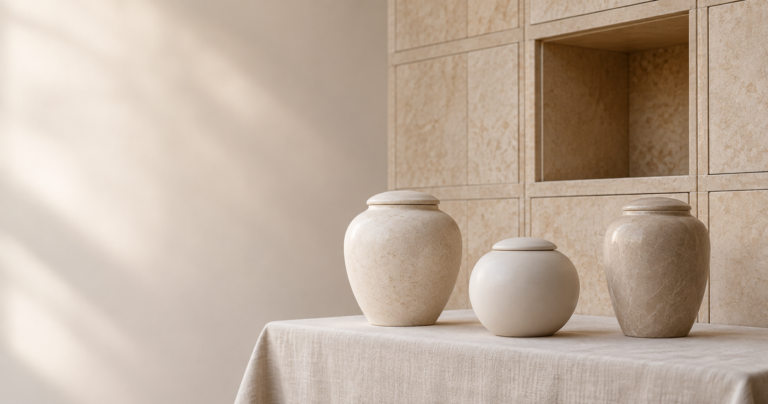
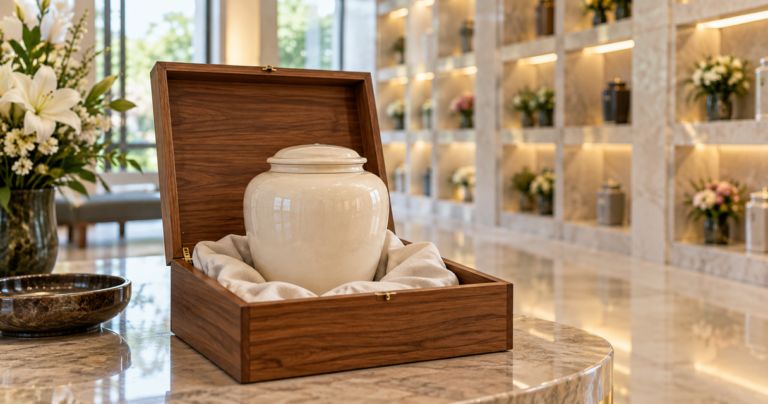
Cremation offers a wide array of memorialization options that can often align with traditional desires for a lasting resting place. Discuss choices like placing ashes in a columbarium niche, which provides a permanent, accessible location for remembrance similar to a grave. Consider options for scattering ashes in designated areas, such as the Garden of Remembrance at the Mandai Crematorium Complex or at sea, which can resonate with those who value a return to nature or a connection to the elements. Some families even choose to create memorial jewelry or plant a tree with a portion of the ashes, offering unique ways to keep loved ones close.
Involve Religious or Cultural Leaders
Consulting with religious or cultural leaders can provide valuable guidance and reassurance. Many religious denominations, while historically favoring burial, have adapted their views on cremation or offer specific rites that can be performed. For example, some Buddhist and Hindu traditions readily accept cremation, and even certain Christian denominations now permit it. Seeking advice from respected figures can help families navigate theological or cultural nuances and find acceptable ways to incorporate cremation.
Document and Communicate Wishes Clearly
Encourage all family members to document their end-of-life wishes clearly and formally. A Will, Lasting Power of Attorney (LPA), or an Advance Care Plan (ACP) can explicitly state preferences for cremation and memorialization. Sharing these documents and discussing them openly ensures that there are no ambiguities, and that everyone understands the rationale behind the decisions. This proactive step prevents disputes and ensures that wishes are honored without question.
Integrating Cremation Decisions into Broader Legacy Planning
Integrating cremation decisions into broader legacy planning goes beyond merely choosing a disposition method; it involves a holistic approach to ensuring financial security, spiritual continuity, and the preservation of family values for future generations. This comprehensive planning ensures that a family’s heritage, both tangible and intangible, enduring and evolves.
Financial Planning for End-of-Life Costs
Understanding the financial implications of cremation services in Singapore is a critical component of legacy planning. While generally more affordable than burial, cremation still involves costs for the service itself, urns, columbarium niches, and memorial ceremonies. Pre-planning with providers like Nirvana Singapore allows individuals to fix costs at current rates, protecting their families from future price increases and removing a significant financial burden during a difficult time. A 2025 report by the Singapore Funeral Directors Association indicated that pre-planned funeral arrangements can save families an average of 15-20% on overall costs.
| Cremation Service Component | Typical Cost Range (SGD) | Legacy Planning Benefit |
|---|---|---|
| Basic Cremation Service (Govt. Crematorium) | $100 – $500 | Minimal direct cost, government subsidized |
| Private Cremation Service (e.g., Nirvana Singapore) | $1,500 – $5,000+ | Comprehensive package, personalized service, pre-planning options |
| Urn | $100 – $1,000+ | Personal choice, lasting memorial |
| Columbarium Niche (Public) | $500 – $1,500 | Affordable, permanent resting place, family visitation |
| Columbarium Niche (Private, e.g., Nirvana Singapore) | $3,000 – $50,000+ | Premium location, personalized design, long-term maintenance |
| Ash Scattering (Sea/Garden) | $0 – $500 (boat charter) | Environmentally friendly, symbolic, no ongoing maintenance |
| Memorial Service/Wake | $3,000 – $15,000+ | Opportunity for collective grieving, celebration of life |
Preserving Memories and Stories
Legacy planning extends to preserving the intangible aspects of a person’s life: their stories, values, and wisdom. This can involve creating digital archives of photographs and videos, writing memoirs, or establishing family traditions that honor the deceased. For instance, a family might decide to hold an annual gathering at the columbarium or a significant location where ashes were scattered, ensuring that the memory of their loved one remains vibrant and connected to their shared history. Nirvana Singapore often assists families in creating personalized memorial programs that capture these unique stories.
Establishing Enduring Family Values
The process of discussing cremation and end-of-life choices itself can become a powerful tool for establishing and reinforcing family values. It encourages open communication, empathy, and mutual respect. By navigating these sensitive conversations, families learn to articulate their beliefs, understand different perspectives, and collectively decide on a path that honors everyone. This strengthens the family unit and sets a precedent for future generations to engage in similar important dialogues, fostering a legacy of communication and understanding.

Choosing a Cremation Service Provider in Singapore: What to Look For?
When selecting a cremation service provider in Singapore, families should prioritize transparency, compassion, comprehensive service offerings, and a proven track record of handling sensitive arrangements with dignity. A reputable provider will offer clear pricing, support through administrative processes, and options for personalized memorialization.
Here’s the thing—not all providers are created equal. You want a partner who understands the nuances of Singaporean culture and can guide you through every step. Look for providers who offer:
- Transparent Pricing: Insist on a detailed breakdown of all costs, including the cremation itself, urns, memorial services, and any additional fees. Avoid providers with vague pricing structures.
- Comprehensive Packages: A good provider will offer packages that cover everything from transportation of the deceased, embalming (if desired), casket, cremation services, and post-cremation arrangements like columbarium placement or ash scattering.
- Cultural and Religious Sensitivity: Ensure the provider is experienced in handling diverse religious and cultural rites common in Singapore, accommodating specific prayers, rituals, or customs.
- Experienced and Compassionate Staff: The team should be empathetic, professional, and capable of guiding grieving families with patience and understanding.
- Facilities and Infrastructure: Check if they have access to modern, well-maintained crematoria and suitable spaces for wakes or memorial services. Nirvana Singapore, for example, operates its own state-of-the-art facilities, ensuring seamless coordination.
- Pre-Need Planning Options: For those planning ahead, look for providers who offer pre-planning services, allowing individuals to make arrangements and lock in prices in advance. This foresight can save families considerable stress and financial burden later on.
- Reputation and Reviews: Check online reviews, testimonials, and industry affiliations. A provider with a strong, positive reputation offers peace of mind. According to a 2024 consumer survey by the Funeral Planning Council of Singapore, 78% of respondents rated reputation as a key factor in their selection.
Nirvana Singapore, a leader in comprehensive bereavement care, has over two decades of experience serving Singaporean families. Their commitment to dignified services, transparent pricing, and culturally sensitive approaches makes them a trusted choice for those seeking cremation services in Singapore, ensuring every detail is handled with utmost care and respect.
Frequently Asked Questions About Cremation in Singapore
What is the typical cost of cremation services in Singapore?
The cost of cremation services in Singapore varies significantly depending on whether you choose a government-managed crematorium or a private provider. Government crematoria offer basic services for a few hundred dollars, while private comprehensive packages can range from S$1,500 to S$5,000 or more, including urns, memorial services, and niche placement. Pre-planning can help manage these costs effectively.
Are there specific regulations for scattering ashes in Singapore?
Yes, Singapore has specific regulations for ash scattering. Ashes can be scattered at sea in designated zones, typically south of Pulau Semakau, or at the Garden of Remembrance at Mandai Crematorium Complex. It is important to adhere to these guidelines to ensure environmental respect and legal compliance. The National Environment Agency (NEA) provides detailed information on these designated areas.
Can I pre-plan my cremation arrangements in Singapore?
Absolutely. Pre-planning your cremation arrangements is highly encouraged in Singapore. Services like those offered by Nirvana Singapore allow individuals to make all necessary decisions in advance, including selecting services, urns, and memorial options. This ensures your wishes are honored and significantly reduces the emotional and financial burden on your family during bereavement.
How long does the cremation process take in Singapore?
The cremation process itself, from the time the body enters the crematory to the collection of ashes, typically takes about 2-3 hours. However, the entire administrative and logistical process, including obtaining necessary permits and scheduling, can take several days. Families usually collect the ashes within 1-3 days after the cremation.
What are the options for storing or memorializing ashes after cremation?
After cremation, families in Singapore have several options for memorializing ashes. The most common is placing them in a columbarium niche, either in public facilities like Mandai or Choa Chu Kang, or in private columbaria such as those offered by Nirvana Singapore. Other options include scattering ashes at sea or in the Garden of Remembrance, or keeping them in a memorial urn at home. Some families also choose to incorporate ashes into memorial jewelry or commemorative items.
Is cremation accepted by all religions in Singapore?
Cremation is widely accepted by many religions in Singapore, including Buddhism, Hinduism, Sikhism, and some Christian denominations. However, it is generally not practiced by Islam and Orthodox Judaism, which traditionally mandate burial. Families should consult with their respective religious leaders to understand specific doctrines and acceptable practices.
What role does Nirvana Singapore play in cremation services?
Nirvana Singapore provides comprehensive, dignified, and culturally sensitive cremation services. They assist families with everything from funeral arrangements, embalming, casket selection, cremation at their state-of-the-art facilities, to post-cremation memorialization options like columbarium niches. They also specialize in pre-planning services, helping individuals secure their end-of-life arrangements with peace of mind and transparent pricing. This ensures a smooth process and supports families through the long-term journey of remembrance.
Last updated: June 17, 2026