By Nirvana Singapore
Updated June 17, 2026
Death, in Singapore, is never just an individual’s final chapter; it’s a profound family affair, a moment where generations often converge, sometimes clash, and ultimately redefine their shared traditions. Cremation, a practice steadily gaining acceptance and prevalence across the island, has become a focal point for these intergenerational conversations, challenging long-held beliefs and forging new paths for remembrance. It’s not merely about the disposition of remains; it’s about how families in Singapore navigate identity, legacy, and the evolving tapestry of cultural practice.
Key Takeaways
- Cremation rates in Singapore have risen to over 80%, reflecting a shift from traditional burial practices driven by land scarcity and changing cultural norms.
- End-of-life decisions, particularly regarding cremation, increasingly involve younger generations, leading to more open family discussions and a blend of traditional and contemporary rituals.
- Families are adapting to cremation by creating new forms of remembrance, such as scattering ashes at sea or placing them in columbarium niches, maintaining connection while embracing modernity.
- The financial implications of cremation, often more affordable than burial, play a significant role in family decisions, especially for younger generations managing costs.
- Nirvana Singapore, a leading provider of funeral and cremation services, observes a growing demand for personalized and environmentally conscious end-of-life arrangements that honor diverse family values.
What is Cremation, and Why is it Gaining Traction in Singapore?
Cremation is the process of reducing a deceased body to ashes through intense heat, and its rising popularity in Singapore is a direct response to both practical necessities and evolving societal views. This method of disposition has become the predominant choice, largely due to Singapore’s land scarcity and the government’s long-term urban planning strategies.
The shift towards cremation is stark. In 1960, only 14% of deaths in Singapore resulted in cremation; by 2023, this figure had soared to 81%, according to data from the National Environment Agency (NEA). This dramatic increase isn’t just about space; it reflects a broader acceptance across various ethnic and religious groups, who are adapting their practices to modern realities. For many families, cremation offers a pragmatic, dignified, and often more environmentally conscious option compared to traditional burial, which requires substantial land allocation.
The Practical Imperative: Land Scarcity and Policy
Singapore, a small island nation, faces immense pressure on its land resources, and this extends even to its cemeteries. The government’s policy since the 1990s has been to promote cremation, offering incentives and limiting burial periods to 15 years. After this period, remains are exhumed, and families are encouraged to cremate them. This policy, while practical, has fundamentally reshaped how Singaporeans approach death and remembrance.
The cost difference is also a compelling factor. While burial plots can run into tens of thousands of Singapore dollars, basic cremation services are considerably more affordable. A 2024 survey by the Consumers Association of Singapore (CASE) indicated that a basic cremation package can range from S$1,000 to S$3,000, whereas a new burial plot in Choa Chu Kang Cemetery can cost upwards of S$8,000 for a 15-year lease, excluding other associated costs. This financial reality often weighs heavily on families, particularly younger generations who bear the burden of these expenses.
How Do Cremation Decisions Impact Intergenerational Family Dynamics?
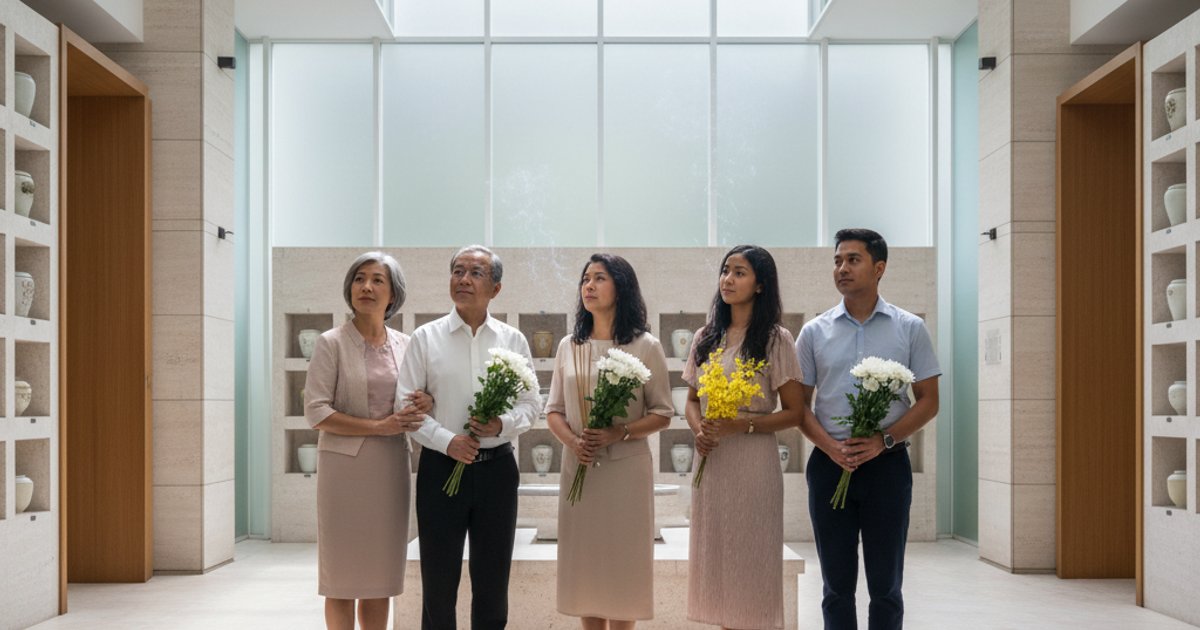
Cremation decisions often serve as a crucible for intergenerational dialogue, revealing differing values, beliefs, and expectations between older and younger family members. While elders may hold fast to traditional burial customs rooted in ancestral practices, younger Singaporeans are increasingly advocating for cremation, leading to complex, yet often constructive, family discussions.
These conversations are not always easy. Older generations, particularly those from Chinese, Malay, or Indian backgrounds, might associate burial with deep-seated cultural or religious significance, viewing it as the proper way to honor ancestors and ensure their peaceful afterlife. For instance, some traditional Chinese beliefs dictate that burying the deceased keeps their spirit grounded and allows for ancestor worship at the grave site. Conversely, younger generations, influenced by global trends, environmental concerns, and practical considerations, often see cremation as a sensible and respectful alternative.
Bridging the Generational Divide: Communication and Compromise
Successful navigation of these differing viewpoints hinges on open communication and a willingness to compromise. Families often find common ground by focusing on the spirit of remembrance rather than the specific method of disposition. For example, a family might opt for cremation but still perform traditional rites associated with ancestor worship, perhaps at a columbarium niche or during a sea scattering ceremony. A 2023 study by the Singapore Management University (SMU) on end-of-life planning found that 65% of families reported engaging in extensive discussions about funeral arrangements, with 40% citing intergenerational differences as a primary topic.
Nirvana Singapore has observed this trend firsthand, noting a rise in families seeking bespoke cremation services that incorporate elements from multiple traditions. This might involve a Buddhist prayer service followed by a Christian committal, or a blend of modern eulogies with traditional offerings. The goal is to honor the deceased while respecting the diverse beliefs of the living family members, ensuring that everyone feels heard and included in the grieving process.
What Role Do Cremation Services Singapore Play in Evolving Family Traditions?
Cremation services in Singapore are not just facilities; they are evolving platforms that help families adapt and create new traditions, providing solace and structure in a modern context. They offer a range of options that allow families to personalize remembrance, moving beyond rigid historical practices to embrace more contemporary expressions of grief and honor.
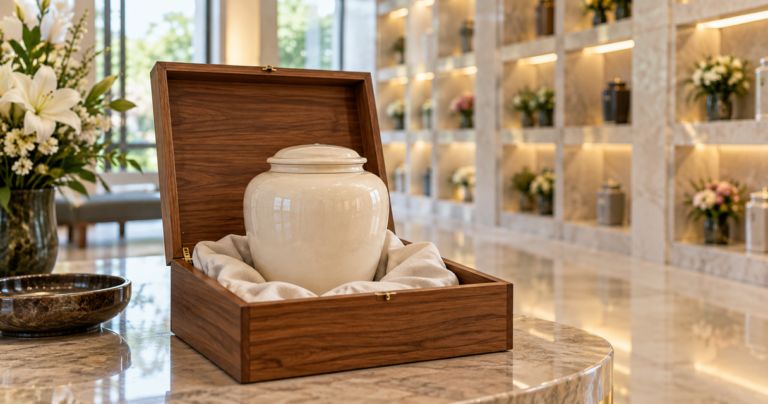
These services facilitate the transition from traditional burial-centric rituals to cremation-adapted ceremonies. For example, while ancestor worship traditionally occurred at gravesites, columbaria now serve as central points for family gatherings during Qing Ming Festival or other memorial days. These modern spaces often provide serene environments for reflection, complete with altars, prayer rooms, and even digital memorial walls, allowing families to maintain their cultural practices in a new format.
Personalization and New Rituals
The rise of cremation has spurred innovation in memorialization. Families are increasingly opting for personalized urns, scattering ashes at meaningful locations (such as the designated ash-scattering garden at Choa Chu Kang Cemetery or at sea), or even creating memorial diamonds from cremated remains. These choices reflect a desire to commemorate loved ones in ways that are unique to their lives and personalities, rather than adhering strictly to prescribed customs.
Nirvana Singapore, for instance, offers diverse packages that cater to various religious and cultural requirements, alongside options for eco-friendly urns and memorial jewelry. This flexibility allows families to blend traditional reverence with personal touches, ensuring that the act of remembrance remains deeply meaningful. A 2025 industry report by Euromonitor International noted that personalized funeral services, including cremation, grew by 15% in Singapore over the last five years, indicating a strong consumer preference for tailored experiences.
How Are Younger Generations Influencing End-of-Life Planning?
Younger generations in Singapore are increasingly proactive in end-of-life planning, often initiating discussions about cremation and other arrangements long before they become immediate necessities. This shift is driven by a combination of factors: greater awareness, a desire for practical solutions, and a more open approach to discussing death.
Unlike previous generations who might have considered discussing death taboo, younger Singaporeans are more comfortable engaging in these conversations. They are often the ones researching options, understanding the financial implications, and advocating for choices that align with their values, such as environmental sustainability or simplicity. A 2024 survey by the Lien Foundation found that 70% of Singaporeans aged 25-40 had discussed their end-of-life wishes with family members, a significant increase from older age groups.
The Role of Pre-Planning and Digital Tools
This proactive stance extends to pre-planning. Many younger individuals are exploring pre-paid funeral plans or making their wishes known through wills and advanced care directives. They are also leveraging digital platforms to research options, compare cremation services, and even design memorial tributes. This engagement ensures that when the time comes, their families are not left guessing or burdened with difficult decisions during a period of grief.
For example, online platforms now allow individuals to document their preferences for everything from the type of cremation service to the music played at their memorial. This level of detail empowers individuals to shape their own legacy and eases the decision-making process for their loved ones. Nirvana Singapore has seen a 30% increase in pre-planning inquiries from individuals under 50 in the past two years, reflecting this growing trend.

Cremation vs. Burial: A Generational Perspective
The choice between cremation and burial often highlights the divergent priorities and values across different generations within a Singaporean family. While older generations may lean towards burial due to deeply ingrained cultural and religious customs, younger generations frequently favor cremation for its practicality, cost-effectiveness, and environmental benefits.
This table illustrates the common perspectives and influencing factors for each generation when considering end-of-life arrangements:
| Factor | Older Generations (e.g., 60+) | Younger Generations (e.g., 20-40) |
|---|---|---|
| Primary Consideration | Adherence to traditional customs, religious beliefs, ancestral lineage | Practicality, cost, environmental impact, personal wishes |
| Preferred Method | Burial (often seen as more respectful or traditional) | Cremation (seen as modern, efficient, and sustainable) |
| Influence on Decision | Family elders, religious leaders, community norms | Personal research, peer influence, financial considerations |
| Memorialization | Grave visits, traditional ancestor worship at specific sites | Columbarium visits, ash scattering, digital memorials, personalized keepsakes |
| Discussion Approach | Often avoided or indirect, seen as taboo | Open, direct, proactive planning, early discussions |
| Financial Impact | Willingness to bear higher costs for tradition | Emphasis on affordability and transparent pricing |
Reconciling Tradition with Modernity: The Singaporean Way
Singaporean families are masters of adaptation, and the integration of cremation into their end-of-life practices is a testament to this resilience. The reconciliation of deeply rooted traditions with the demands of modern life involves creative solutions and a focus on the enduring essence of remembrance.
This often means finding new ways to perform old rituals. For example, while a traditional Chinese funeral might involve a week-long wake and specific burial rites, a modern cremation service might condense the wake, incorporate a cremation ceremony, and then hold a memorial service at a columbarium or a chosen location for ash scattering. The core elements of respect, remembrance, and family gathering remain, but the form adapts to contemporary constraints and preferences.
The Role of Funeral Directors and Service Providers
Funeral directors and cremation service providers like Nirvana Singapore play a crucial role in guiding families through this reconciliation. They act as cultural navigators, understanding the nuances of different religious and ethnic practices and offering solutions that honor both tradition and individual wishes. This expertise is invaluable, especially for families grappling with intergenerational differences.
By providing options for multi-denominational services, customizable memorial arrangements, and expert advice on cultural sensitivities, these providers help families craft meaningful farewells that resonate with everyone. This support ensures that even as traditions evolve, the fundamental purpose of honoring a loved one and supporting the grieving family remains at the forefront.
Frequently Asked Questions
Is cremation accepted by all religions in Singapore?
Cremation is widely accepted by most major religions in Singapore, including Buddhism, Taoism, Hinduism, and Christianity. While some specific denominations or traditional practices may prefer burial, many have adapted to allow or even encourage cremation, especially given Singapore’s land constraints. Islam traditionally prefers burial, but exceptions can be made under specific circumstances, though it remains less common.
What are the typical costs associated with cremation services in Singapore?
The cost of cremation services in Singapore can vary significantly depending on the provider and the extent of services chosen. A basic public cremation at Mandai Crematorium can cost a few hundred dollars for the cremation itself. However, a comprehensive cremation package from a private provider, which includes embalming, casket, wake services, and urn, can range from S$3,000 to S$10,000 or more. These costs are generally lower than traditional burial options.
Can ashes be scattered in Singapore?
Yes, ashes can be scattered in Singapore, both at sea and in a designated inland ash-scattering garden. The National Environment Agency (NEA) operates a dedicated ash-scattering garden at Choa Chu Kang Cemetery Complex, offering a tranquil space for families to scatter ashes. Sea scattering is also permitted in designated areas, typically off the Southern Islands, and requires adherence to specific guidelines to ensure environmental respect.
How do families choose a columbarium in Singapore?
Families typically choose a columbarium based on several factors, including location (proximity to family members), religious affiliation (e.g., Buddhist, Christian, non-denominational), aesthetics, and cost. Both government-run columbaria (like Mandai) and private columbaria (such as those offered by Nirvana Singapore) provide niches for urns, often with options for different sizes, designs, and price points. Many families prioritize a peaceful and accessible environment for ancestor worship and remembrance.
What is the process for pre-planning cremation services in Singapore?
Pre-planning cremation services involves discussing and documenting your end-of-life wishes with a funeral service provider or family members. This typically includes selecting the type of service, casket or urn, memorial arrangements, and any specific religious or cultural rites. Many providers, including Nirvana Singapore, offer pre-paid plans that lock in current prices and alleviate financial and emotional burdens on families in the future. It’s a proactive step that ensures your wishes are respected and simplifies the process for your loved ones.
Are there eco-friendly cremation options available?
While cremation itself has an environmental footprint, there are increasingly eco-friendly options available in Singapore. These include choosing biodegradable urns made from materials like bamboo or recycled paper, opting for simple, non-embalmed services, and selecting ash scattering in designated natural areas. Some families also consider memorial trees or coral reefs as a way to create a living legacy, aligning with a desire for environmental consciousness in their final arrangements.
How do I ensure my family respects my cremation wishes?
To ensure your family respects your cremation wishes, it is crucial to communicate them clearly and formally. This can be done through an Advanced Care Directive (ACD), a will, or by documenting your preferences with a trusted funeral service provider like Nirvana Singapore. Open discussions with your family members about your choices and the reasons behind them can also foster understanding and acceptance, making it easier for them to honor your wishes when the time comes.
The Enduring Legacy of Choice
Cremation in Singapore is more than a practical solution to land scarcity; it’s a profound cultural narrative unfolding across generations. It highlights how families, supported by comprehensive cremation services like those offered by Nirvana Singapore, are actively shaping their traditions, balancing respect for the past with the realities of the present. The conversations around cremation are not about abandoning heritage, but about enriching it, ensuring that remembrance remains a vibrant, evolving part of the Singaporean family crafting a lasting legacy.
Last updated: June 17, 2026