The Complete Guide to the Cremation Process in Singapore: What Every Family Needs to Know
Introduction
Singapore’s cremation rate exceeds 80%, making it one of the highest globally. Yet many families face their first cremation arrangement during grief’s most vulnerable moments, unprepared for the decisions ahead. Understanding the cremation process in Singapore beforehand transforms an overwhelming experience into a manageable one.
Whether you’re comparing cremation vs burial in Singapore or learning what to do when someone passes away in Singapore, having the right information brings clarity during life’s most challenging transitions. This comprehensive guide walks you through every step—from documentation to ash collection—empowering you with knowledge that brings dignity and peace when you need it most.
Understanding Cremation in Singapore: A Cultural and Practical Overview
Why Cremation Dominates Singapore’s Funeral Landscape
The cremation process in Singapore has become the predominant choice for end-of-life arrangements, driven by multiple factors unique to the island nation. Land scarcity makes traditional burials increasingly impractical, with burial plots expensive and limited to 15-year leases in most cases. Cultural acceptance across Chinese, Indian, and other communities has normalized cremation, while practical considerations like cleanliness, efficiency, and environmental concerns further cement its popularity.
Singapore operates several government-managed crematoriums under the National Environment Agency (NEA), ensuring standardized procedures and affordable options for all residents. Private facilities also exist, offering enhanced services and amenities for families seeking additional comfort during difficult times. When planning ahead, families often explore various funeral packages in Singapore to understand their options, from affordable vs premium funeral packages that suit different budgets and preferences.
Understanding how to arrange a funeral in Singapore and the associated cost of funeral services in Singapore helps families make informed decisions. The funeral process in Singapore follows clear procedures that, when understood in advance, reduce stress and ensure respectful arrangements for your loved one.
Religious and Cultural Perspectives on Cremation
Different communities in Singapore view cremation through varied religious and cultural lenses:
Buddhist and Taoist Communities: Cremation aligns with beliefs about releasing the spirit from physical form. The process often incorporates specific rituals, timing considerations, and ceremonial elements that honor the deceased’s spiritual journey.
Hindu Traditions: Cremation is fundamental to Hindu funeral rites, symbolizing the soul’s liberation from the physical body. Specific procedures regarding timing, family participation, and ash handling follow ancient customs.
Christian Practices: While historically preferring burial, many Christian families now choose cremation. Most denominations accept the practice, though some families still opt for traditional burial based on personal preference.
Muslim Considerations: Islamic tradition typically requires burial, making cremation uncommon among Muslim families in Singapore. Those following Islamic practices generally arrange swift burials according to religious requirements.
Secular Approaches: Non-religious families appreciate cremation’s practical benefits, environmental considerations, and flexibility in memorial arrangements.
The Step-by-Step Cremation Process in Singapore
Step 1: Death Certification and Documentation
The cremation process in Singapore begins with proper documentation, which must be completed before any arrangements proceed:
Obtaining the Death Certificate:
- If death occurs in a hospital, medical staff will issue a Certificate of Cause of Death
- For deaths at home, contact the police immediately, who will arrange for investigation and certification
- The doctor who attended the deceased will complete the death certificate
- Deaths from unnatural causes require Coroner’s investigation
Required Documents:
- Death certificate or Certificate of Cause of Death
- NRIC of the deceased
- Cremation permit (applied for by funeral director)
- NRIC of the next-of-kin or applicant
- Marriage certificate (if applicable)
- Religious clearance letters (for certain faiths)
Timeline Considerations:
- Death must be certified within 24 hours
- Cremation permit application should be submitted promptly
- Most cremations occur within 3-7 days after death, depending on religious customs and scheduling
Step 2: Engaging a Funeral Director
Selecting a reputable funeral director streamlines the cremation process in Singapore significantly:
What Funeral Directors Handle:
- Documentation and permit applications
- Body preparation and embalming (if required)
- Transportation of the deceased
- Crematorium booking and scheduling
- Coordination with religious officials
- Arrangement of wake services
- Provision of caskets, urns, and funeral supplies
Choosing the Right Funeral Service Provider:
- Verify licensing and NEA accreditation
- Compare package prices and inclusions
- Read reviews and seek recommendations
- Clarify all costs upfront to avoid surprise charges
- Ensure cultural and religious sensitivity
- Check availability and responsiveness
Cost Expectations:
| Service Component | Basic Package | Standard Package | Premium Package |
|---|---|---|---|
| Funeral Director Fees | $1,500 – $2,500 | $3,000 – $5,000 | $6,000 – $12,000+ |
| Casket | $300 – $800 | $1,000 – $2,500 | $3,000 – $8,000+ |
| Cremation Fee (Government) | $215 (citizen) | $215 (citizen) | $215 (citizen) |
| Embalming (if needed) | $400 – $600 | Included | Included |
| Transportation | $200 – $400 | Included | Included |
| Wake Setup | Basic | Moderate | Elaborate |
Step 3: Body Preparation and Embalming
Professional preparation ensures the deceased is treated with dignity throughout the cremation process in Singapore:
Embalming Procedures:
- Required if wake extends beyond 24-48 hours
- Involves preservation through chemical treatment
- Allows for viewing during wake services
- Performed by licensed embalmers
- Takes approximately 2-4 hours
- Costs between $400-$800 typically
Body Dressing and Presentation:
- Deceased dressed in preferred clothing or religious garments
- Cosmetic preparation for viewing (if requested)
- Placement in chosen casket
- Positioning arranged for wake ceremonies
Religious Preparation Requirements:
- Buddhist/Taoist: May include ritual washing, specific clothing
- Hindu: Traditional washing, religious garments, specific positioning
- Christian: Typically standard preparation with modest dress
- Cultural variations accommodated by experienced funeral directors
Step 4: Wake Services and Viewing
The wake period allows family and friends to pay respects before cremation:
Wake Duration and Locations:
- Typically lasts 1-5 days depending on customs
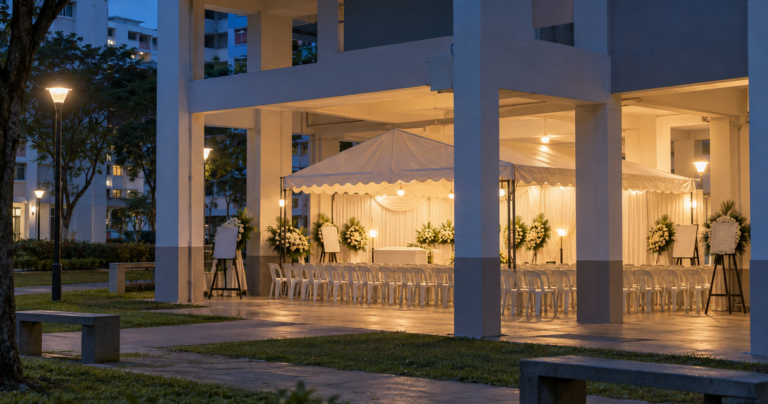
- Can be held at void decks, funeral parlors, or home
- HDB void deck wakes require Town Council permission
- Private parlors offer climate-controlled comfort
Wake Service Elements:
Traditional Buddhist/Taoist Wake:
- Altar setup with offerings and incense
- Prayer sessions led by monks or priests
- Continuous family presence
- Provision of meals for visitors
- Paper offerings and ritual ceremonies
- Mourning attire (white or black clothing)
Christian Wake:
- Prayer services and hymns
- Eulogy and life celebration
- Quieter, more reflective atmosphere
- Visitation hours for condolences
- Floral tributes
- Sometimes combined with memorial service
Hindu Wake:
- Body positioned with head facing south
- Continuous prayer recitations
- Family fasting periods
- Specific ritual timing
- Traditional offerings
Visitor Etiquette and Customs:
- Dress conservatively in subdued colors
- Sign condolence book upon arrival
- Offer brief condolences to family
- Participate in prayers if comfortable
- Monetary contributions (白金/pek kim) in white envelopes
- Respect religious customs and restrictions
Step 5: Crematorium Booking and Scheduling
Securing cremation timing is a critical component of the cremation process in Singapore:
Government Crematoriums in Singapore:
| Facility | Location | Operating Hours | Amenities |
|---|---|---|---|
| Mandai Crematorium & Columbarium | 820 Mandai Road | 8:00 AM – 7:00 PM daily | Multiple halls, columbarium, viewing rooms |
| Kong Meng San Phor Kark See Crematorium | 88 Bright Hill Road | 8:00 AM – 6:30 PM daily | Buddhist temple facility, ash storage |
| Mount Vernon Sanctuary | 101 Jalan Penjara | By appointment | Christian facility with chapel |
Booking Process:
- Funeral director submits booking through NEA system
- Time slots allocated on first-come, first-served basis
- Peak periods (festive seasons) may have limited availability
- Early booking recommended (2-3 days advance notice)
- Confirmation issued with specific time slot
Scheduling Considerations:
- Religious auspicious/inauspicious dates
- Family gathering logistics
- Immigration for overseas relatives
- Avoid major public holidays when possible
- Allow buffer time for potential delays
Step 6: The Cremation Ceremony
The actual cremation ceremony marks the final farewell in the cremation process in Singapore:
Arrival at Crematorium:
- Arrive 30-60 minutes before scheduled time
- Registration at reception desk
- Directed to designated ceremony hall
- Casket positioned for viewing and ceremony
Ceremony Proceedings:
Religious Ceremonies:
- Buddhist/Taoist: Chanting by monks, incense offering, ritual circumambulation, paper offering burning
- Christian: Prayer service, hymns, scripture reading, pastor’s blessing
- Hindu: Vedic chants, family prayers, specific ritual sequences
- Non-religious: Eulogy, moment of silence, personal tributes
Final Viewing:
- Last opportunity for family to see deceased
- Emotional closure moment
- Casket lid closed after final farewells
- Some families participate in symbolic gestures
Cremation Chamber Process:
- Casket transported to cremation chamber
- Family may press activation button (optional)
- Process invisible to attendees
- Takes approximately 2-3 hours depending on chamber type
- Modern facilities use advanced technology ensuring complete combustion
What Happens During Cremation:
- Chamber heated to 800-1000°C
- Organic matter combusted to ash
- Metal components (dental work, joints) removed afterward
- Ash processed into uniform consistency
- Cooled before collection
Step 7: Ash Collection and Final Arrangements
The conclusion of the cremation process in Singapore involves handling the cremated remains:
Ash Collection Timeline:
- Available for collection typically 2-4 hours after cremation
- Same-day collection possible
- Can be collected within 1 month if not immediate
- Crematorium stores temporarily at no extra charge
- Proper identification required for collection
Ash Container Options:
| Container Type | Material | Price Range | Best For |
|---|---|---|---|
| Temporary Urn | Basic metal/plastic | $50 – $150 | Temporary storage, sea scattering |
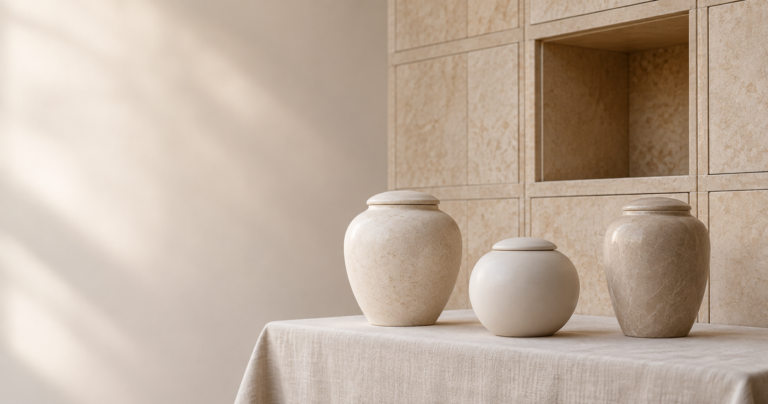
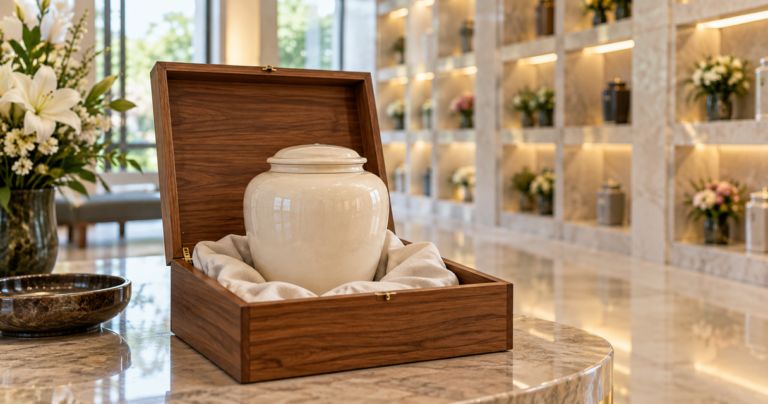
| Standard Urn | Ceramic, wood | $200 – $600 | Columbarium placement |
| Premium Urn | Marble, jade, custom | $800 – $3,000+ | Display, special memorials |
| Biodegradable Urn | Eco-friendly materials | $100 – $400 | Sea/ground scattering |
What to Do with Cremated Ashes:
Columbarium Storage:
- Government columbarium niches available at NEA facilities
- Private columbarium options in religious institutions
- Prices range from $1,000 (government) to $15,000+ (private)
- Lease periods typically 5-10 years renewable
Home Storage:
- Legally permitted in Singapore
- Urn placed in respectful location
- Some families create home altars
- Consider cultural and religious appropriateness
Sea Scattering:
- Must occur beyond Singapore territorial waters (10+ nautical miles)
- Requires boat charter service ($500-$1,500)
- NEA approval required for organized scattering
- Biodegradable urn recommended
- Emotionally meaningful for many families
Garden Scattering:
- Some memorial gardens permit ash scattering
- Private property scattering allowed with owner consent
- Public park scattering generally not permitted
- Always verify regulations before proceeding
Ash Division:
- Ashes can be divided among family members
- Special keepsake urns available
- Jewelry containing small ash portions
- Memorial diamonds from carbon in ashes
Legal and Regulatory Requirements for Cremation in Singapore
National Environment Agency (NEA) Regulations
The NEA oversees the cremation process in Singapore to ensure public health and safety:
Mandatory Requirements:
- Valid death certificate from registered medical practitioner
- Cremation permit approved by NEA
- Proper identification of deceased
- Next-of-kin authorization
- Compliance with infectious disease protocols (if applicable)
Application Process:
- Submit online application through NEA portal (done by funeral director)
- Provide all required documentation
- Pay applicable fees
- Receive approval confirmation
- Approval typically within 1 working day
Fees Structure (2024):
| Category | Cremation Fee | Columbarium Niche (if applicable) |
|---|---|---|
| Singapore Citizen | $215 | From $1,000 |
| Permanent Resident | $485 | From $2,500 |
| Foreigner | $645 | From $4,000 |
Special Circumstances and Considerations
Coroner’s Cases:
- Unnatural deaths require Coroner’s investigation
- Cremation delayed until investigation concludes
- Additional documentation required
- Funeral director coordinates with authorities
Infant and Child Cremations:
- Same procedures apply regardless of age
- Smaller caskets and urns available
- Sensitive handling by crematorium staff
- Grieving parent support resources available
Infectious Disease Protocols:
- COVID-19 and other infectious cases follow special procedures
- Enhanced protective measures for handling
- Restricted viewing may apply
- Cremation expedited in some cases
- Family participation may be limited
Foreign Nationals:
- Embassy notification may be required
- Repatriation of ashes permitted
- International shipping documentation needed
- Cultural liaison services available
- Translation services for documents
Comparing Cremation Options in Singapore
Government vs Private Crematoriums
Government Facilities (NEA):
Advantages:
- Significantly lower costs
- Standardized reliable service
- No hidden charges
- Accessible locations
- Professional operation
Limitations:
- Basic amenities
- Limited ceremony hall customization
- Scheduled time slots may be inconvenient
- High utilization during peak periods
Private Facilities:
Advantages:
- Enhanced ceremony halls
- Flexible scheduling
- Premium amenities (air-conditioning, comfortable seating)
- Personalized service
- Sometimes quieter, more private
Limitations:
- Higher costs (2-3x government rates)
- Limited availability in Singapore
- Additional facility fees
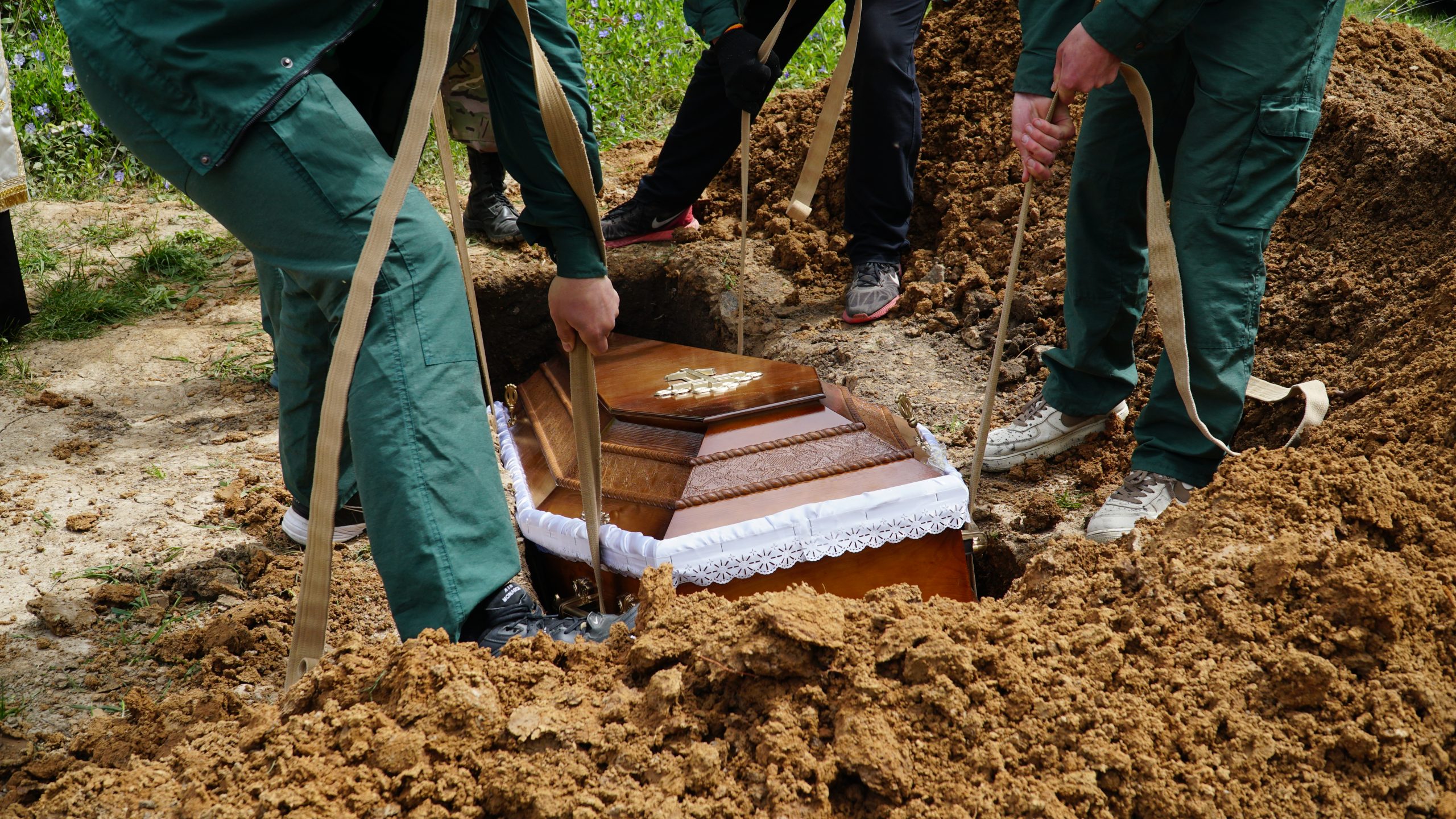
Traditional Burial vs Cremation
| Aspect | Cremation | Traditional Burial |
|---|---|---|
| Initial Cost | $3,000 – $15,000 | $8,000 – $30,000+ |
| Long-term Cost | Minimal (columbarium renewal) | Higher (plot lease, maintenance) |
| Land Use | Minimal | Significant |
| Flexibility | High (ash portability) | Limited |
| Environmental Impact | Lower | Higher |
| Religious Acceptance | Most faiths accept | Preferred by some faiths |
| Visiting/Memorial | Columbarium access | Gravesite visits |
| Timeframe | 3-7 days typically | 2-4 days |
Environmental Considerations in the Cremation Process
Carbon Footprint and Sustainability
Modern crematoriums in Singapore implement environmental controls:
Emissions Management:
- Advanced filtration systems reduce pollutants
- Mercury abatement for dental amalgam
- Particulate filters minimize air pollution
- Heat recovery systems improve efficiency
- Regular environmental monitoring
Energy Consumption:
- Each cremation uses approximately 200-300 kWh electricity or equivalent fuel
- Newer facilities employ energy-efficient technology
- Pre-heating systems reduce overall consumption
- Combined cremation scheduling optimizes fuel use
Eco-Friendly Cremation Alternatives
Green Cremation Options:
- Bio-cremation (alkaline hydrolysis) – Not yet available in Singapore but emerging globally
- Minimal-casket cremation using cardboard or bamboo
- Tree planting memorials using ash nutrients
- Reef ball programs (ash incorporated into ocean reef structures)
Sustainable Practices for Families:
- Choose biodegradable urns for scattering
- Select simple, sustainable casket materials
- Limit paper offerings to reduce burning waste
- Consider digital memorial alternatives
- Opt for living plant tributes over cut flowers
Financial Planning for Cremation
Understanding Total Costs
The complete cremation process in Singapore involves multiple cost components:
Detailed Cost Breakdown:
Essential Services:
- Funeral director professional fee: $1,500 – $8,000
- Cremation facility fee: $215 – $645
- Basic casket: $300 – $3,000
- Transportation: $200 – $600
- Documentation and permits: $100 – $300
Optional Services:
- Embalming: $400 – $800
- Wake venue rental (if not void deck): $500 – $2,000
- Religious services (monks, priests): $500 – $3,000
- Catering during wake: $500 – $5,000
- Obituary notices: $200 – $800
- Memorial video/slideshow: $300 – $1,000
Post-Cremation:
- Urn: $200 – $3,000
- Columbarium niche: $1,000 – $15,000
- Memorial plaque: $200 – $800
- Sea scattering service: $500 – $1,500
Total Expected Investment: $5,000 – $30,000+ depending on choices
Cost-Saving Strategies
Affordable Approaches Without Compromising Dignity:
- Book government crematorium facilities instead of private
- Choose simple, dignified caskets rather than elaborate ones
- Limit wake duration to reduce venue and catering costs
- DIY elements like memorial video creation
- Compare funeral director packages thoroughly
- Consider off-peak scheduling if religiously acceptable
- Skip embalming if wake is brief
- Use digital invitations instead of printed materials
Government Assistance Programs:
Citizens in financial difficulty can apply for:
- Chinese Development Assistance Council (CDAC) funeral assistance
- Malay Community Self-Help Group (Mendaki) support
- Indian Development Association (SINDA) assistance
- Community Care Endowment Fund (ComCare)
- Specific requirements and means-testing apply
Pre-Planning and Insurance Options
Funeral Insurance Benefits:
- Locks in current prices
- Reduces family burden during grief
- Payment plans available
- Specific coverage for cremation costs
- Available through insurance companies and funeral homes
Life Insurance Considerations:
- Standard policies may cover funeral expenses
- Designate beneficiary clearly
- Inform family of policy details
- Keep documents accessible
- Consider dedicated funeral rider coverage
Pre-Need Funeral Planning:
- Arrange and pay for services in advance
- Make decisions without time pressure
- Ensure wishes are documented and honored
- Lock in costs against inflation
- Reduce family disagreements
- Available through major funeral directors
Cultural Customs and Rituals in Singapore Cremation
Chinese Buddhist and Taoist Traditions
Pre-Cremation Rituals:
- Bathing and dressing ceremony by family
- Placement of pearl in mouth (symbolizing wealth in afterlife)
- Offerings of food, incense, and paper money
- Continuous vigil by family members
- Specific clothing colors for mourners (white, black, blue)
During Cremation:
- Monk-led chanting ceremonies
- Circumambulation of casket
- Breaking of the bowl ceremony
- Burning of paper houses, cars, and necessities
- Family members may wear sackcloth headbands
Post-Cremation Practices:
- Bone-picking ceremony (selecting special bone fragments)
- 7th, 49th, and 100th day memorial services
- Annual Qing Ming grave/niche visits
- Hungry Ghost Festival offerings
- Long-term ancestral tablet maintenance
Hindu Cremation Customs
Religious Requirements:
- Preferably cremated before next sunset
- Body positioned head facing south
- Family fasting until cremation complete
- Eldest son typically lights ceremonial fire
- White clothing for mourners
Ceremonial Elements:
- Vedic chanting throughout process
- Offerings of ghee, rice, flowers
- Circling of casket three times
- Holy water sprinkling
- Incense and oil lamp lighting
Ash Handling:
- Collected by family in simple container
- Ideally immersed in holy river (Ganges)
- Singapore families may scatter at sea
- Timing often on 3rd, 10th, or 13th day
- Purification rituals follow
Christian Cremation Services
Service Structure:
- Funeral service at church or crematorium chapel
- Scripture readings and prayers
- Hymn singing
- Eulogy and personal tributes
- Pastor’s blessing and committal
Theological Perspectives:
- Modern Christianity generally accepts cremation
- Emphasis on resurrection of spirit, not body
- Ashes treated with respect as former temple of soul
- Some denominations prefer burial but don’t prohibit cremation
Memorial Practices:
- Memorial services separate from cremation
- Placement in Christian columbariums
- Graveside ash burial in church grounds
- Anniversary memorial services
Secular and Non-Religious Ceremonies
Life Celebration Approach:
- Focus on celebrating life rather than mourning death
- Personal tributes from family and friends
- Photo and video presentations
- Favorite music of deceased
- Informal, personalized atmosphere
- No prescribed rituals or religious elements
Flexibility Benefits:
- Customize completely to deceased’s wishes
- Incorporate elements from multiple traditions
- Schedule for maximum family participation
- Creative memorial alternatives
- Modern, personal farewell
Common Questions About the Cremation Process in Singapore
Practical Concerns
How long does cremation take? The actual cremation process takes 2-3 hours, but families should plan for 4-5 hours total from ceremony start to ash collection. The entire process from death to final ash placement typically spans 3-7 days depending on religious customs and scheduling.
Can family members witness the cremation? While family members cannot directly observe the cremation chamber due to safety and regulatory requirements, some crematoriums offer viewing windows where the casket entering the chamber can be seen. Family participation in the button-pressing ceremony symbolizes their final action for the deceased.
What happens to medical implants and devices? Metal implants like pacemakers must be removed before cremation as they can explode and damage equipment. Joint replacements, dental work, and surgical pins remain and are extracted from the ashes afterward. Funeral directors coordinate medical device removal with hospitals or medical professionals.
Are ashes really just from one person? Yes, Singapore crematoriums follow strict protocols ensuring each cremation is individual. The chamber is cleaned between cremations, and identification systems track remains throughout the process. Families receive only their loved one’s ashes.
How much ash is produced? An adult cremation typically produces 2-3 kg (4-6 pounds) of ash, varying with body size and bone density. Ashes are processed into a fine, uniform consistency before collection.
Religious and Cultural Questions
Is cremation accepted by all religions? Most religions in Singapore accept cremation: Buddhism and Hinduism prefer it, Christianity increasingly accepts it, and Taoism embraces it. Islam traditionally requires burial, making cremation rare among Muslim families. Individual beliefs within religions vary, so personal consultation with religious leaders is recommended.
Can cremation happen on certain days only? While crematoriums operate daily, families may choose specific dates based on religious or cultural beliefs. Chinese families often consult almanacs for auspicious dates, while Hindu families prefer swift cremation, ideally within 24 hours. Christian and secular families have more flexibility.
What if family members disagree on cremation? Legal authority rests with the next-of-kin in this order: spouse, adult children, parents, siblings. However, documented wishes from the deceased (will, advanced medical directive, pre-arranged plans) carry weight. Mediation through funeral directors or legal counsel may be necessary for significant family disputes.
Logistical Issues
What if death occurs overseas? If a Singaporean dies abroad, families can choose:
- Repatriation of body for Singapore cremation (expensive, complex documentation)
- Cremation overseas with ash repatriation (simpler, less costly)
- Burial overseas
The Singapore embassy/consulate assists with documentation. Funeral insurance often covers repatriation costs.
Can cremation be delayed? Yes, through embalming and refrigeration. However, delays beyond one week require special circumstances and approvals. Religious requirements, overseas family travel, or legal investigations may necessitate delays.
What identification is needed to collect ashes? The authorized person collecting ashes must present:
- NRIC or passport
- Collection authorization from next-of-kin (if not collecting personally)
- Crematorium receipt/documentation
Future Trends in Singapore’s Cremation Industry
Technological Innovations
Digital Memorialization:
- QR codes on urns linking to online memorial pages
- Virtual reality memorial experiences
- Live-streaming of cremation ceremonies for overseas family
- Digital ancestral tablets and online prayer platforms
- Memorial websites and social media tribute pages
Advanced Cremation Technology:
- More energy-efficient cremation systems
- Reduced emissions through better filtration
- Faster cremation times with modern chambers
- Bio-cremation (water-based) may be introduced
- Automated ash processing systems
Changing Social Attitudes
Personalization Trends:
- Customized urns reflecting hobbies and personalities
- Memorial diamonds created from ash carbon
- Ash incorporated into glass art, vinyl records, tattoo ink
- Celebration of life replacing traditional somber services
- Themed ceremonies reflecting individual lives
Environmental Consciousness:
- Growing interest in green cremation alternatives
- Biodegradable urns for scattering
- Memorial forests where ashes nourish trees
- Reduced ceremonial waste and offerings
- Carbon-neutral cremation options
Space Optimization:
- Vertical columbariums maximizing limited land
- Smaller, artistic memorial niches
- Community memorial gardens
- Digital memorials reducing physical space needs
Conclusion: Approaching the Cremation Process with Confidence
Understanding the cremation process in Singapore transforms uncertainty into clarity during life’s most challenging moments. From initial documentation through final ash placement, each step follows established procedures designed to honor the deceased while supporting grieving families.
Key takeaways for families facing cremation arrangements:
Preparation Reduces Stress: Pre-planning or educating yourself about the process before crisis moments brings peace of mind and ensures wishes are honored.
Professional Guidance Matters: Reputable funeral directors navigate complex logistics, documentation, and cultural requirements, allowing families to focus on emotional needs and saying goodbye.
Flexibility Exists Within Tradition: Modern cremation accommodates diverse religious, cultural, and personal preferences while meeting regulatory requirements.
Financial Planning Prevents Burden: Understanding costs, exploring assistance programs, and considering pre-need arrangements protects families from financial stress during grief.
Cultural Sensitivity Honors Heritage: Singapore’s multicultural landscape ensures appropriate customs and rituals are respected throughout the cremation process.
The cremation process in Singapore balances efficiency with dignity, affordability with quality, and tradition with innovation. Whether you’re pre-planning for yourself, supporting a grieving family member, or simply seeking knowledge, understanding this process empowers you to make informed decisions that honor life, respect wishes, and provide meaningful closure.
Remember, while this guide provides comprehensive information, every family’s situation is unique. Don’t hesitate to ask questions, seek clarification, and request accommodations that reflect your loved one’s life and values. The cremation process, when approached with knowledge and support, becomes a respectful final tribute that brings comfort to those left behind.
Resources and Support:
- National Environment Agency (NEA): www.nea.gov.sg
- Singapore Funeral Directors Association: Professional standards and member directories
- Religious organizations: Faith-specific guidance and support
- Grief counseling services: Professional emotional support during bereavement
- Government assistance programs: Financial support for qualifying families