
Cremation vs Burial in Singapore: A Complete Guide to Making the Right Choice
When a loved one passes away, families face one of life’s most difficult decisions: choosing between cremation and burial. In Singapore, where land scarcity shapes nearly every aspect of life, this choice carries unique cultural, practical, and financial implications that require careful consideration. Understanding the differences between cremation vs burial in Singapore can help you make an informed decision that honors your loved one while respecting family traditions and managing practical realities.
Whether you’re navigating what to do when someone passes away in Singapore for the first time or planning ahead, knowing your options is essential. This comprehensive guide explores costs, religious considerations, environmental impact, and available options to help you navigate this deeply personal decision with clarity and confidence.
Understanding Cremation vs Burial in Singapore: The Fundamentals
Singapore’s unique geography and multicultural society have created a distinctive landscape for end-of-life arrangements. With limited land availability and a diverse population practicing various faiths, the country has developed specific policies and infrastructure around both cremation and burial services. Families often explore various funeral packages in Singapore to understand their options, comparing affordable vs premium funeral packages that suit different needs and budgets.
What is Cremation?
Cremation is the process of reducing human remains to bone fragments and ash through high-temperature burning. In Singapore, cremation services are provided at government-operated facilities equipped with modern cremators that operate at temperatures between 760°C to 1150°C. The entire cremation process in Singapore typically takes 2-3 hours, after which the cremated remains (commonly called ashes) are collected and can be kept in urns, scattered, or placed in columbariums. Understanding how to arrange a funeral in Singapore helps families navigate the necessary steps smoothly.
What is Burial?
Burial involves interring the deceased’s body in the ground within a casket. In Singapore, burial options are significantly more limited than cremation due to land constraints. Burials are primarily conducted at government-managed cemeteries or private burial grounds operated by religious organizations. Unlike many Western countries where burial plots can be purchased in perpetuity, Singapore operates on a lease system with specific time limitations. When considering either option, it’s important to understand the cost of funeral services in Singapore and the complete funeral process in Singapore to make well-informed arrangements.
Current Statistics: Cremation vs Burial Trends in Singapore
The preference between cremation vs burial in Singapore has shifted dramatically over the decades:
| Year | Cremation Rate | Burial Rate |
|---|---|---|
| 1980 | 45% | 55% |
| 2000 | 70% | 30% |
| 2010 | 80% | 20% |
| 2020 | 85% | 15% |
| 2024 | 88% | 12% |
These statistics reveal a clear trend toward cremation, driven by practical considerations, government policies encouraging cremation, and evolving cultural attitudes.
Cost Comparison: Cremation vs Burial in Singapore
Financial considerations often play a significant role when deciding between cremation vs burial in Singapore. The cost difference can be substantial, affecting families differently based on their budget and preferences.
Cremation Costs Breakdown
Government Cremation Services:
- Basic cremation fee (Singapore citizens): $210 – $280
- Basic cremation fee (Permanent Residents): $315 – $420
- Basic cremation fee (Foreigners): $525 – $700
- Cremation with ceremony hall rental: Additional $200 – $800
Additional Cremation-Related Expenses:
- Urn (basic to premium): $50 – $2,000
- Columbarium niche (government): $1,500 – $4,500 (15-year lease)
- Private columbarium niche: $3,000 – $30,000+
- Transportation services: $200 – $500
- Wake services (optional): $2,000 – $15,000
- Embalming (if required): $250 – $800
Total Estimated Cremation Cost: $2,500 – $20,000 (varies widely based on choices)
Burial Costs Breakdown
Government Burial Services:
- Burial plot (Muslim): $210 (15-year lease)
- Burial plot (Christian/Others): $655 – $820 (15-year lease)
- Exhumation fee (after lease expiry): $1,050 – $1,260
Additional Burial-Related Expenses:
- Casket (basic to premium): $800 – $15,000
- Headstone/grave marker: $1,500 – $8,000
- Grave digging services: $500 – $1,200
- Transportation: $300 – $800
- Wake services: $2,000 – $20,000
- Embalming: $250 – $800
- Religious officials/rites: $200 – $1,500
Total Estimated Burial Cost: $5,000 – $40,000+
Long-Term Cost Implications
| Aspect | Cremation | Burial |
|---|---|---|
| Initial cost | Lower ($2,500-$20,000) | Higher ($5,000-$40,000+) |
| Ongoing maintenance | Minimal to none | Grave upkeep, renewal fees |
| Lease renewal (15 years) | $1,500-$4,500 (niche) | $655-$820 (plot) or exhumation |
| Exhumation requirement | Not applicable | Mandatory after lease unless renewed |
| Total 30-year cost | $3,000-$25,000 | $10,000-$80,000+ |
The cost analysis clearly shows cremation as the more economical option, particularly when considering long-term expenses. However, families should balance financial considerations with personal, religious, and cultural preferences.
Religious and Cultural Perspectives on Cremation vs Burial in Singapore
Singapore’s multicultural landscape means different communities approach the cremation vs burial decision through varying religious and cultural lenses.
Buddhism and Taoism
Cremation Preference: Strongly favored
Most Buddhist and Taoist families in Singapore opt for cremation, which aligns with religious beliefs about detachment from the physical body and the cyclical nature of existence. Cremation is seen as facilitating the soul’s journey to the next life.
Practices:
- Wake period: 3-7 days typically
- Cremation ceremonies often include Buddhist monks or Taoist priests
- Ashes may be kept at home, placed in columbariums, or scattered
- Some families choose sea burial (ash scattering at sea)
Christianity
Acceptance: Both cremation and burial accepted
Christian perspectives on cremation vs burial in Singapore vary by denomination. While traditional Catholic teaching historically favored burial, the Catholic Church now permits cremation (since 1963) with the stipulation that ashes should be kept in sacred places rather than scattered or kept at home. Protestant denominations generally accept both practices.
Current trends:
- Approximately 60% of Christian families choose cremation
- 40% still prefer traditional burial
- Private Christian cemeteries offer burial options
- Cremated remains often placed in Christian columbariums
Islam
Requirement: Burial mandatory
Islamic teachings require burial of the deceased, making cremation prohibited under Shariah law. Muslim burials in Singapore must follow specific religious requirements.
Key requirements:
- Burial within 24 hours when possible
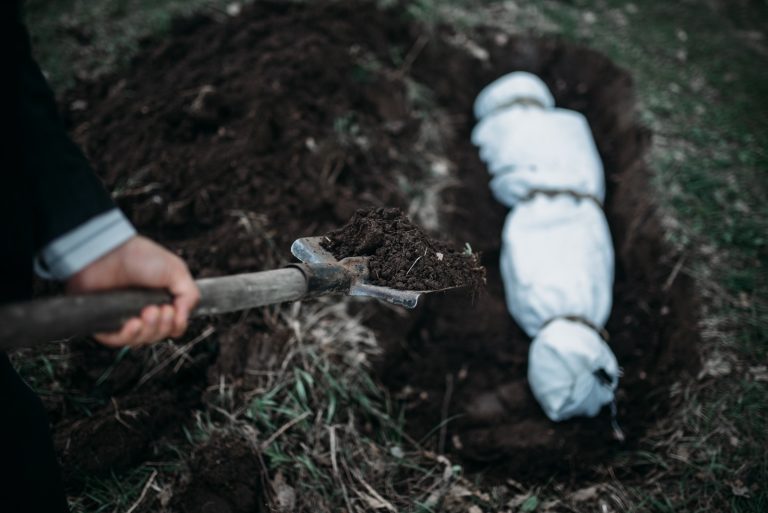
- Body washed and wrapped in white cloth (kafan)
- Burial at designated Muslim cemeteries
- Grave oriented toward Mecca
- Simple markers without excessive ornamentation
Muslim families do not face the cremation vs burial decision, as religious law clearly mandates burial.
Hinduism
Traditional Preference: Cremation
Hindu communities in Singapore predominantly choose cremation, which is integral to Hindu funeral rites. Cremation is believed to release the soul from the physical body.
Practices:
- Cremation typically performed quickly, often within 24 hours
- Religious ceremonies conducted before and after cremation
- Ashes (asthi) traditionally scattered in sacred rivers; in Singapore, often scattered at sea or in designated areas
- Some families send ashes to India for immersion in the Ganges River
Chinese Cultural Traditions
Evolving Preferences: Increasing cremation acceptance
Traditional Chinese customs historically favored burial, but practical considerations and government policies have shifted preferences toward cremation.
Traditional beliefs:
- Ancestor veneration remains important regardless of method
- Feng shui considerations for burial plots
- Proper ancestral rites can be performed with cremated remains
- Columbarium niches selected based on auspicious positions
Comparison Table: Religious Acceptability
| Religion | Burial Accepted | Cremation Accepted | Preference |
|---|---|---|---|
| Buddhism | Yes | Yes | Cremation strongly preferred |
| Taoism | Yes | Yes | Cremation preferred |
| Christianity (Catholic) | Yes | Yes (with conditions) | Historically burial, now mixed |
| Christianity (Protestant) | Yes | Yes | Mixed, increasingly cremation |
| Islam | Required | No (prohibited) | Burial mandatory |
| Hinduism | Rare | Yes | Cremation strongly preferred |
| Chinese Traditional | Yes | Yes | Shifting toward cremation |
| Secular | Yes | Yes | Individual choice |
Government Policies Affecting Cremation vs Burial in Singapore
Singapore’s government has implemented specific policies that significantly influence the cremation vs burial landscape, primarily driven by land scarcity concerns.
Land Scarcity and Lease System
Singapore’s most distinctive policy regarding cremation vs burial is the lease-based system for both burial plots and columbarium niches.
Key Policy Features:
- 15-Year Burial Lease: All burial plots in government cemeteries are leased for 15 years (extended from the original 10 years). After this period, families must either:
- Renew the lease for another 15 years (subject to availability and fees)
- Cremate the remains and transfer to a columbarium
- Allow exhumation, with remains cremated and placed in government ossuary
- Columbarium Niches: Also operate on lease basis (typically 15 years), but more affordable to renew
- No Perpetual Burial: Unlike many countries, Singapore does not offer permanent burial plots, making burial a temporary arrangement
Government Incentives for Cremation
The Singapore government actively encourages cremation through various measures:
Financial Incentives:
- Lower cremation fees compared to burial
- Subsidized government columbarium niches
- More affordable long-term costs
Infrastructure Development:
- Modern, well-maintained crematoriums
- Expanding columbarium facilities
- Limited new burial plot allocation
Public Education:
- Campaigns promoting cremation as environmentally sustainable
- Information on cremation processes to reduce cultural resistance
Facilities and Locations
Government Crematoriums:
- Mandai Crematorium and Columbarium
- Kong Meng San Phor Kark See Monastery (private Buddhist facility)
Government Cemeteries (with burial options):
- Choa Chu Kang Cemetery Complex
- Muslim cemeteries at Pusara Abadi and Pusara Aman
- Christian cemeteries (limited plots)
Private Facilities:
- Various private columbariums operated by religious organizations
- Private memorial gardens and burial grounds (limited)
Recent Policy Changes
2022-2024 Updates:
- Expansion of government columbarium facilities to meet demand
- Increased fees for burial plots to further encourage cremation
- Digital memorial services introduced
- Enhanced online booking systems for funeral services
Environmental Considerations: Cremation vs Burial in Singapore
As global awareness of environmental sustainability grows, the ecological impact of cremation vs burial in Singapore has become an important consideration for many families.
Environmental Impact of Cremation
Carbon Footprint:
- Each cremation produces approximately 160-250 kg of CO2
- Requires significant energy (natural gas or diesel fuel)
- Modern cremators in Singapore use advanced filtration to reduce emissions
- Mercury emissions from dental amalgams (being addressed through filtration technology)
Environmental Benefits:
- Minimal land use (crucial in land-scarce Singapore)
- No groundwater contamination risks
- No chemical preservation substances entering soil
- Space-efficient memorialization through columbariums
Innovations in Singapore:
- Energy-efficient cremators installed in newer facilities
- Heat recovery systems being explored
- Advanced filtration systems to minimize air pollution
- Regular emissions monitoring and compliance
Environmental Impact of Burial
Land Use:
- Significant land requirements (approximately 2-3 square meters per plot)
- In Singapore’s context, burial is considered unsustainable long-term
- Prevents land from being used for other purposes during lease period
Soil and Water Concerns:
- Embalming fluids (formaldehyde) can leach into soil
- Casket materials (metals, treated woods) decompose slowly
- Potential groundwater contamination from decomposition fluids
- Chemical preservatives persist in environment
Resource Consumption:
- Casket production requires timber, metals, and other materials
- Concrete burial vaults use cement (high carbon footprint)
- Ongoing landscape maintenance requires water, fuel, pesticides
Comparative Environmental Assessment
| Environmental Factor | Cremation | Burial |
|---|---|---|
| Land use | Minimal | High |
| Carbon emissions | Moderate (one-time) | Lower (one-time) |
| Long-term land impact | None | Ongoing occupation |
| Chemical pollution risk | Low | Moderate to High |
| Resource efficiency | High | Low |
| Sustainability in Singapore context | High | Low |
| Groundwater protection | Excellent | Concerns exist |
Eco-Friendly Alternatives
Green Cremation Options:
- Alkaline hydrolysis (water cremation) – not yet available in Singapore but being considered
- Biodegradable urns for ash scattering
- Sea burial of ashes (popular option in Singapore)
Green Burial Options:
- Natural burial without embalming (limited availability)
- Biodegradable caskets
- Minimal grave markers
Singapore’s Approach: The government’s strong preference for cremation aligns with environmental sustainability goals, making cremation the greener choice in the local context primarily due to land conservation.
Practical Considerations When Choosing Between Cremation vs Burial in Singapore
Beyond costs and beliefs, several practical factors influence the cremation vs burial decision.
Time Requirements
Cremation Timeline:
- Can be scheduled relatively quickly (3-7 days typical)
- More flexibility in timing of memorial services
- Ashes can be collected same day after cremation
- Allows overseas family members time to arrive
Burial Timeline:
- Must coordinate with cemetery availability
- Some religions require rapid burial (Islam: within 24 hours)
- Less flexibility once scheduled
- Weather considerations for outdoor services
Flexibility and Memorialization Options
Cremation Advantages:
- Multiple Memorial Options:
- Portion of ashes can be scattered, portion kept
- Ashes can be divided among family members
- Can be transported internationally if family relocates
- Memorial service can be held separately from cremation
- Locations for Cremated Remains:
- Government columbariums (affordable, well-maintained)
- Private columbariums (various religious and premium options)
- Home storage (in decorative urns)
- Sea burial through NEA’s service
- Garden of Remembrance (ash scattering areas)
- Memorial reef installations
Burial Considerations:
- Fixed Location:
- Permanent memorial site for visitation
- Traditional grave marker with personalization
- Familiar ritual for those who value cemetery visits
- Family plots (when available) allow multiple family members together
- Limitations:
- Cannot relocate remains easily
- Subject to lease expiration and renewal
- Plot maintenance responsibilities
- Weather-dependent visitation
Family Dynamics and Decision-Making
Factors to Discuss:
- Deceased’s Wishes:
- Did they express preference?
- Written instructions in will or advance directive?
- Conversations with family members about preferences
- Family Consensus:
- Different family members may have different preferences
- Balancing traditional expectations with practical realities
- Considering younger vs. older generation perspectives
- Sibling disagreements and resolution
- Future Considerations:
- Who will maintain the memorial site?
- What happens when lease expires?
- Where will family members live in future (abroad)?
- Generational continuity of memorial practices
Accessibility and Visitation
Cremation Accessibility:
- Columbariums located at various points across Singapore
- Easier to visit multiple times (typically no grave upkeep required)
- Some offer 24/7 access or extended visiting hours
- Indoor locations protect from weather
Burial Accessibility:
- Cemeteries in specific locations (Choa Chu Kang area primarily)
- Outdoor environment, subject to weather
- May require more extensive travel
- Traditional visitation rituals during festivals (Qing Ming, All Souls’ Day)
Processing Grief and Closure
Psychological Aspects:
Different people find closure through different means. Some considerations:
- Burial advocates often cite the importance of having a physical place to visit and mourn
- Cremation advocates appreciate flexibility and the symbolic release represented by cremation
- Research shows no significant difference in grief processing between families choosing cremation vs burial
- What matters most is meaningful ritual and honoring the deceased’s wishes
Step-by-Step Guide: Arranging Cremation in Singapore
For families choosing cremation, here’s a comprehensive guide to the process.
Before the Cremation
Step 1: Obtain Death Certificate
- If death occurs at home: Contact police (999) first
- If death occurs in hospital: Hospital will handle initial documentation
- Medical practitioner must certify cause of death
- Collect Medical Certificate of Cause of Death
Step 2: Register the Death
- Must be done within 24 hours at Immigration & Checkpoints Authority (ICA)
- Can be done at any Births and Deaths Registration Office
- Bring identification and Medical Certificate of Cause of Death
- Death certificate will be issued (multiple copies recommended)
Step 3: Engage Funeral Director (Optional but Recommended)
- Funeral directors handle logistics and paperwork
- Compare services and costs from multiple providers
- Verify licensing and credentials
- Discuss package inclusions clearly
Step 4: Arrange Wake Services
- Decide on location (void deck, funeral parlor, home)
- Duration (typically 3-5 days)
- Religious or secular ceremony
- Catering and visitor management
The Cremation Process
Step 5: Book Cremation Services
Through National Environment Agency (NEA):
- Online booking at www.nea.gov.sg
- Select crematorium (Mandai is the main government facility)
- Choose date and time slot
- Provide required documentation
Step 6: Prepare the Deceased
- Embalming (if wake extends beyond 2 days or viewing required)
- Dressing in suitable clothing
- Casket or container for cremation (must be combustible)
- Remove any medical devices (pacemakers must be removed)
Step 7: Cremation Day
- Family and guests arrive at crematorium
- Ceremony hall available for final viewing and prayers
- Religious rites performed (if applicable)
- Final respects paid before cremation
- Cremation process begins (family typically does not witness)
Step 8: Collection of Ashes
- Cremated remains ready for collection same day or next working day
- Ashes collected in basic container or chosen urn
- Cremation certificate provided
- Option to scatter, store, or place in columbarium
After the Cremation
Step 9: Arrange Final Resting Place
Option A: Columbarium Niche
- Government columbarium: Apply through NEA
- Private columbarium: Contact facility directly
- 15-year lease for government niches
- Permanent or long-term options at private facilities
Option B: Sea Burial
- Apply through NEA for sea scattering service
- Group sea burial conducted monthly
- Private charter also possible (more expensive)
- Certificate of sea burial provided
Option C: Garden of Remembrance
- Ash scattering in designated garden areas
- At Mandai Crematorium or Choa Chu Kang Cemetery
- Free service after cremation
Option D: Home Storage
- Ashes can be kept at home in urn
- No special permissions required
- Ensure secure and respectful location
Step 10: Memorial Services
- Can be held separately from cremation
- Religious memorial rites (7th day, 49th day, 100th day in some cultures)
- Annual remembrance practices
- Death anniversary observances
Step-by-Step Guide: Arranging Burial in Singapore
For families choosing burial, the process differs in several key aspects.
Before the Burial
Steps 1-3: Same as cremation (obtain death certificate, register death, engage funeral director)
Step 4: Determine Burial Eligibility
- Check religious requirements and cemetery availability
- Muslims: Eligible for Muslim cemeteries
- Christians: Apply for Christian cemetery plots
- Others: Limited general burial options available
Step 5: Apply for Burial Plot
- Submit application to NEA for government cemeteries
- Provide death certificate and required documents
- Religious affiliation verification may be required
- Receive plot allocation and lease agreement
Step 6: Arrange Wake and Burial Services
- Wake services (similar to cremation)
- Coordinate with religious officials
- Arrange burial logistics (grave digging, casket, transportation)
The Burial Process
Step 7: Prepare for Burial
- Embalming (typically required for viewings)
- Select casket appropriate to religious requirements
- Prepare burial clothing
- Arrange for hearse and transportation
Step 8: Burial Day
- Funeral procession to cemetery
- Religious ceremony at graveside
- Lowering of casket
- Earth covering ceremony
- Final prayers and respects
Step 9: Grave Marker Installation
- Select and order headstone or grave marker
- Installation typically within 3-6 months after burial
- Inscription and customization options
- Approval from cemetery management
After the Burial
Step 10: Ongoing Maintenance
- Regular grave upkeep and cleaning
- Floral tributes during festivals and death anniversaries
- Monitor lease renewal dates (15-year cycle)
- Plan for future exhumation or lease renewal
Step 11: Lease Renewal or Exhumation Planning
- Approximately 1-2 years before lease expiry, decide:
- Renew lease for another 15 years (subject to availability)
- Arrange exhumation and cremation
- Transfer remains to ossuary
- Costs and procedures vary based on choice
Making Your Decision: Key Questions to Ask
When weighing cremation vs burial in Singapore, consider these essential questions:
Financial Questions
- What is our budget for funeral arrangements?
- Can we afford ongoing maintenance and lease renewals?
- Are there government subsidies we qualify for?
- What are the total costs over 15-30 years?
- Do we have pre-planning or insurance coverage?
Religious and Cultural Questions
- What does our faith tradition say about cremation vs burial?
- Are there specific religious requirements we must follow?
- How important are traditional customs to our family?
- Will our choice affect ancestral veneration practices?
- Can we honor the deceased’s beliefs while respecting current family preferences?
Practical Questions
- Where will family members be living in 10-20 years?
- Who will maintain the memorial site?
- How important is having a physical place to visit?
- What are the deceased’s documented wishes?
- How do we handle family disagreements about the choice?
Environmental Questions
- How important is environmental sustainability to our family?
- Are we concerned about land conservation in Singapore?
- Would eco-friendly options align with our values?
- Can we pursue green alternatives within our chosen method?
Personal Questions
- What will bring our family the most comfort?
- How do we want to remember and honor our loved one?
- What memorial rituals are important to us?
- How do younger family members feel about this decision?
- Are we making this decision based on true preference or perceived obligation?
Common Myths and Misconceptions About Cremation vs Burial in Singapore
Myth 1: “Cremation is disrespectful to the deceased”
Reality: Cremation is a dignified process performed with respect and care. Modern crematoriums in Singapore are professional facilities where the deceased is treated with reverence. Many religions and cultures worldwide consider cremation spiritually appropriate and meaningful.
Myth 2: “You can’t have a proper funeral with cremation”
Reality: Cremation and burial can have identical wake services, viewings, and ceremonies. The only difference is what happens to the body after the service. Many families hold elaborate multi-day wakes before cremation.
Myth 3: “Burial is always more expensive”
Reality: While burial often costs more initially, some premium cremation packages with high-end columbariums can exceed basic burial costs. However, long-term expenses typically favor cremation due to renewable lease structures.
Myth 4: “Ashes from cremation contain multiple people mixed together”
Reality: Singapore crematoriums follow strict protocols. Each cremation is performed individually, and the chamber is cleaned between cremations. The ashes you receive belong solely to your loved one.
Myth 5: “Burial plots in Singapore are permanent”
Reality: Singapore operates on a 15-year lease system for burial plots. Permanence is not guaranteed, and families must plan for renewal or exhumation.
Myth 6: “You must choose only cremation or only burial”
Reality: While you can’t do both for the same person initially, burial lease expiration often leads to eventual cremation. Some families also choose cremation for some family members and burial for others based on individual wishes.
Myth 7: “Keeping ashes at home is unlucky”
Reality: This is a cultural belief, not a universal truth. Many families worldwide keep cremated remains at home without issue. Some religions prefer ashes in sacred spaces, but others accept home storage.
Myth 8: “Cremation prevents proper ancestor veneration”
Reality: Traditional ancestor veneration practices can be maintained with cremated remains. Columbarium niches can serve as ancestral sites for prayers and offerings, similar to graves.
Future Trends: The Evolution of Cremation vs Burial in Singapore
Increasing Cremation Rates
Projections suggest cremation rates in Singapore will continue rising, potentially reaching 90-95% by 2030. Factors driving this trend include:
- Government policy encouragement
- Younger generations’ environmental consciousness
- Decreasing attachment to traditional burial customs
- Practical considerations in land-scarce environment
- Greater religious flexibility toward cremation
Technological Innovations
Emerging Options:
- Alkaline Hydrolysis (Water Cremation):
- Eco-friendlier alternative to flame cremation
- Reduces carbon emissions by 90%
- Currently being evaluated for Singapore
- Digital Memorials:
- QR codes on niches linking to digital memorial pages
- Virtual reality cemetery visits
- Online tribute and memory-sharing platforms
- Live-streamed funeral services (normalized during COVID-19)
- Biodegradable Urns:
- Tree-planting urns that grow into living memorials
- Water-soluble urns for sea burials
- Eco-friendly materials replacing plastic and metal
Policy Developments
Anticipated Changes:
- Potential introduction of longer-term or tiered lease options
- Expansion of government columbarium facilities
- Stricter environmental regulations for both methods
- Digital integration in booking and memorial services
- Possible pilot programs for new eco-friendly disposition methods
Cultural Shifts
Changing Attitudes:
- Declining emphasis on physical grave visitation
- Growing acceptance of ash scattering and sea burial
- Personalized, non-traditional memorial ceremonies
- Pre-planning and discussing death more openly
- Sustainable funeral choices becoming status symbols
Space Solutions
Given Singapore’s land constraints, innovative solutions being explored include:
- Multi-story columbariums with advanced architecture
- Underground memorial facilities
- Offshore memorial reefs
- Shared family niches with larger capacity
- Virtual memorial spaces reducing physical infrastructure needs
Detailed Cost Analysis: Understanding the True Expenses of Cremation vs Burial in Singapore
While we’ve covered basic costs, understanding the full financial picture requires examining hidden expenses and long-term commitments.
Hidden Costs of Cremation
Beyond basic cremation fees, families often encounter unexpected expenses:
Pre-Cremation Costs:
- Document preparation and certification: $50 – $200
- Refrigeration storage (if delays occur): $50 – $100 per day
- Special viewing arrangements: $200 – $500
- Death notice publications: $100 – $500
- Photography/videography services: $300 – $1,500
During Cremation:
- Specialty urns (artistic, biodegradable, keepsake): $100 – $5,000
- Multiple urns for family members: $50 – $300 each
- Urn engraving and customization: $50 – $300
- Witnessing room fees (some facilities): $100 – $300
Post-Cremation:
- Columbarium niche personalization: $200 – $2,000
- Annual maintenance fees (private facilities): $50 – $500
- Transfer services for ash scattering: $100 – $300
- Memorial plaques and markers: $150 – $1,000
Hidden Costs of Burial
Burial arrangements often involve more extensive hidden expenses:
Pre-Burial:
- Professional embalming (advanced techniques): $500 – $1,500
- Cosmetic restoration services: $300 – $1,000
- Specialty viewing facilities: $500 – $2,000
- Extended refrigeration: $100 – $200 per day
Burial Equipment:
- Grave liner or vault (required in some cemeteries): $1,000 – $3,000
- Flowers and floral arrangements: $200 – $2,000
- Graveside tent and seating: $300 – $800
- Professional grave opening/closing: Included or $500 – $1,000
Post-Burial:
- Annual grave maintenance (if family maintains): $200 – $800
- Seasonal flower plantings: $100 – $500 annually
- Monument cleaning and restoration: $200 – $1,000 every few years
- Additional inscriptions for spouse/family: $300 – $800
Comparison: 30-Year Total Cost Scenarios
Scenario 1: Basic Government Cremation
- Initial cremation: $280
- Basic government niche (15 years): $1,500
- Renewal at 15 years: $1,800
- Total 30-year cost: $3,580
Scenario 2: Mid-Range Cremation
- Private cremation with ceremony: $2,500
- Wake services (3 days): $5,000
- Quality urn: $500
- Private columbarium niche: $8,000
- Annual maintenance (30 years): $3,000
- Total 30-year cost: $19,000
Scenario 3: Basic Government Burial
- Burial plot (15 years): $820
- Basic casket: $1,500
- Wake services: $3,000
- Headstone: $2,000
- Renewal at 15 years: $1,000
- Exhumation and cremation at 30 years: $1,500
- Total 30-year cost: $9,820
Scenario 4: Traditional Full Burial
- Premium burial plot: $5,000
- Quality casket: $8,000
- Wake services (5 days): $12,000
- Elaborate headstone: $6,000
- Annual maintenance (30 years): $6,000
- Lease renewals: $3,000
- Total 30-year cost: $40,000+
Specialized Situations: Cremation vs Burial Considerations
For Expatriates Living in Singapore
Foreign residents face unique considerations when arranging cremation vs burial in Singapore:
Cremation Advantages for Expats:
- Ashes easily transported internationally for final placement in home country
- Lower costs if family eventually relocates
- No long-term commitments to Singapore facilities
- Simplified repatriation procedures
- Multiple memorial locations possible (Singapore and home country)
Burial Considerations for Expats:
- Limited plot availability for non-citizens
- Significantly higher fees for foreigners ($525-$700 for cremation vs local rates)
- Lease complications if family leaves Singapore
- International plot transfer not possible
- May prefer repatriation of body to home country (expensive: $5,000 – $15,000+)
Recommended Approach: Most expat families choose cremation for flexibility, with options to scatter ashes in Singapore, transport to home country, or divide between locations.
For Families with Members Overseas
When family members live internationally, cremation vs burial decisions involve additional logistics:
Cremation Benefits:
- Timeline flexibility allows overseas family to arrange travel
- Ashes can be temporarily held until memorial service
- Portions of ashes can be sent to relatives abroad
- Virtual attendance easier for non-time-sensitive ash placement
- No urgency for immediate decisions
Burial Challenges:
- Fixed schedule may not accommodate international travel
- Weather-dependent outdoor ceremony
- Difficult for overseas family to maintain grave
- Lease renewal responsibility unclear if local family relocates
- Limited future visiting opportunities
For Interfaith or Mixed-Religion Families
Singapore’s religious diversity means many families navigate different belief systems:
Navigating Religious Differences:
- Compromising Between Traditions:
- Hold separate ceremonies honoring each tradition
- Choose cremation (accepted by most faiths except Islam)
- Incorporate elements from multiple traditions in memorial service
- Consult religious leaders from both faiths for guidance
- Practical Solutions:
- If one spouse requires burial (Muslim), plan accordingly
- Other spouse can pre-plan cremation separately
- Family columbariums can accommodate multiple family members
- Create neutral memorial spaces acceptable to all
- Common Interfaith Approaches:
- Christian-Buddhist families often choose cremation with Christian blessing
- Secular ceremonies incorporating cultural but not religious elements
- Private religious rites followed by inclusive memorial gathering
For Young Families and Children
The loss of a child involves unique considerations:
Cremation for Children:
- Smaller caskets and urns (lower cost)
- Same cremation process but shorter duration
- Keepsake urns allow parents to each keep portion of ashes
- Memory gardens specifically for children at some facilities
- Support groups for bereaved parents
Burial for Children:
- Smaller plot requirements
- Some cemeteries offer children’s sections
- Angel statues and child-specific markers available
- Communal memorial areas for infant loss
- Same lease restrictions apply
Emotional Considerations:
- Parents often want flexibility to keep ashes close
- Moving homes/countries doesn’t mean leaving child behind (with cremation)
- Physical grave provides tangible place to visit for some families
- Support groups recommend delaying permanent decisions
For Those with No Family
Individuals without immediate family require special planning:
Pre-Planning Essentials:
- Designate a trusted friend or legal representative
- Pre-pay for services to avoid burdening others
- Document clear wishes in legal documents
- Consider direct cremation (most affordable)
- Arrange for notification of distant relatives or friends
Government Support:
- Singapore provides basic services for unclaimed remains
- Public trustee can manage arrangements if no next-of-kin
- Simple cremation with placement in government ossuary
- Community organizations may assist with arrangements
Cultural Deep Dive: How Different Communities Approach Cremation vs Burial in Singapore
Chinese Community Practices
Traditional Beliefs: Chinese funeral customs in Singapore blend ancient traditions with modern adaptations:
- Feng Shui: Historically critical for burial plot selection, now applied to columbarium niche choices
- Filial Piety: Children expected to honor parents’ wishes and maintain memorial sites
- Ancestor Worship: Continues regardless of cremation or burial through offerings and prayers
- Qing Ming Festival: Annual grave-sweeping adapted for columbarium visits
- 49-Day Mourning Period: Observed with both cremation and burial
Modern Adaptations:
- 70% of Chinese Singaporeans now choose cremation
- Younger generation less concerned with grave location feng shui
- Simplified ceremonies becoming popular
- Online ancestor worship platforms emerging
- Acceptance of sea burial and ash scattering growing
Malay-Muslim Community Practices
Islamic Requirements: Singapore’s Malay-Muslim community follows strict burial requirements:
- Speed: Burial within 24 hours of death when possible
- Preparation: Body washed by same-gender Muslims, wrapped in white shroud
- No Embalming: Generally avoided unless legally required
- Simple Graves: Modest markers, no elaborate decorations
- Grave Orientation: Facing Mecca (Qiblat direction)
- Community Support: Mosque communities actively assist with arrangements
Cemetery Practices:
- Two main Muslim cemeteries: Pusara Abadi and Pusara Aman
- Gender-segregated washing facilities
- Funeral prayers (Solat Jenazah) at mosque or cemetery
- Community members assist with grave digging
- Regular grave visits especially on Fridays
Indian Community Practices
Hindu Traditions: The Hindu community predominantly chooses cremation:
- Spiritual Significance: Cremation releases soul from physical body
- Timing: Traditionally within 24 hours
- Rituals: Extensive pre and post-cremation ceremonies
- Ash Handling: Traditionally immersed in sacred rivers; in Singapore, sea burial common
- Mourning Period: 13 days for close relatives
- Memorial Services: Held on specific days (13th, 31st, annual)
Adaptations in Singapore:
- Use of government crematoriums with Hindu priests present
- Sea burial through NEA as Ganges substitute
- Some families send ashes to India for traditional immersion
- Shortened ceremonies due to work commitments
- Increasingly accepting of columbarium placement
Sikh Practices:
- Cremation mandatory in Sikhism
- Ashes typically scattered in flowing water
- Simple ceremonies emphasizing equality
- No elaborate monuments or markers
Eurasian and Christian Communities
Catholic Practices:
- Historic preference for burial shifting toward cremation
- Church permits cremation since 1963
- Ashes should remain in sacred places (not scattered or kept at home)
- Funeral Mass can occur before or after cremation
- Columbarium niches in Catholic cemeteries popular
Protestant Practices:
- Generally accept both cremation and burial
- Individual church denomination may have preferences
- Growing cremation acceptance (about 60%)
- Memorial services often separate from cremation
- Flexible ash placement options
Traditional Burial Customs:
- Casket viewing common
- Church or chapel funeral service
- Graveside prayers and committal
- Annual All Souls’ Day remembrance
Resources and Support for Cremation vs Burial Decisions in Singapore
Government Resources
National Environment Agency (NEA)
- Website: www.nea.gov.sg
- Services: Cremation and burial bookings, information on facilities
- Bereavement Support: Guides on funeral arrangements
- Phone: 1800-CALL-NEA (1800-2255-632)
Immigration & Checkpoints Authority (ICA)
- Death registration services
- Required documentation information
- Website: www.ica.gov.sg
Religious Organizations
Buddhist/Taoist:
- Kong Meng San Phor Kark See Monastery
- Singapore Buddhist Federation
- Various temples offering funeral services
Christian:
- Catholic Archdiocese of Singapore (funeral services)
- Protestant churches with funeral ministries
- Christian funeral directors
Muslim:
- Islamic Religious Council of Singapore (MUIS)
- Mosque funeral services
- Muslim burial coordination
Hindu:
- Hindu Endowments Board
- Temple funeral services
- Hindu funeral directors
Professional Services
Licensed Funeral Directors:
- Singapore Funeral Directors Association members
- Compare at least 3-4 providers
- Request itemized quotations
- Check reviews and recommendations
Grief Support:
- Counseling services through hospitals
- Religious counseling
- Support groups for bereaved families
- Online grief support communities
Pre-Planning Services
Advance Planning Options:
- Pre-need funeral arrangements with funeral directors
- Insurance policies covering funeral expenses
- Documented wishes in wills or advance directives
- Family discussions and documentation
Financial Assistance
Government Schemes:
- ComCare Funeral Assistance (for low-income families)
- Various clan associations and community groups offer support
- Religious organizations may provide subsidized services
- Union and corporate benefits for members
Conclusion: Making the Right Choice Between Cremation vs Burial in Singapore
The decision between cremation vs burial in Singapore is deeply personal, involving financial, religious, cultural, and emotional factors. There is no universally “correct” choice—only what feels right for your family and honors your loved one appropriately.
Key Takeaways:
- Cremation is increasingly common in Singapore (88% of cases), driven by practical considerations, cost-effectiveness, and government policy.
- Cost differences are significant, with cremation generally more affordable both initially and long-term, though quality services exist at various price points for both methods.
- Religious requirements vary widely—Islam mandates burial, while most other faiths accept both options with varying degrees of preference.
- Land scarcity shapes policy, making Singapore’s lease-based system unique and favoring cremation from a sustainability perspective.
- Both methods allow meaningful memorialization through different approaches, and the quality of remembrance depends more on family practices than the disposition method.
- Environmental impact differs, with cremation using more energy initially but requiring less land long-term—crucial in Singapore’s context.
- Practical flexibility varies, with cremation offering more options for memorial locations and future family relocations.
- Pre-planning is valuable, allowing individuals to document wishes and families to make informed decisions without time pressure.
Final Recommendations:
- Start conversations early with family members about preferences before making decisions under duress
- Research thoroughly using government resources and multiple service providers
- Balance tradition with practicality, respecting cultural roots while acknowledging modern realities
- Prioritize the deceased’s wishes when known, even if they differ from family preferences
- Seek professional guidance from religious advisors, funeral directors, and bereavement counselors
- Consider long-term implications including financial commitments and family responsibilities
- Make informed, values-based choices rather than defaulting to perceived obligations
Whether you choose cremation vs burial in Singapore, what matters most is creating a meaningful farewell that honors your loved one’s life, provides closure for the bereaved, and establishes lasting ways to remember and celebrate the deceased. Take time to consider all factors, involve relevant family members in discussions, and make decisions that bring peace and comfort during difficult times.
The landscape of funeral practices continues evolving in Singapore, but the fundamental purpose remains unchanged: honoring those we’ve lost with dignity, respect, and love. Your thoughtful consideration of cremation vs burial options will help ensure this important final act reflects what matters most to you and your family.